Loki's Glorious Burden: The Weight of Infinite Selves and Predetermined Paths
An exploration of Loki's philosophical depths, delving into identity, free will, and the burden of choice within the MCU's complex narrative.
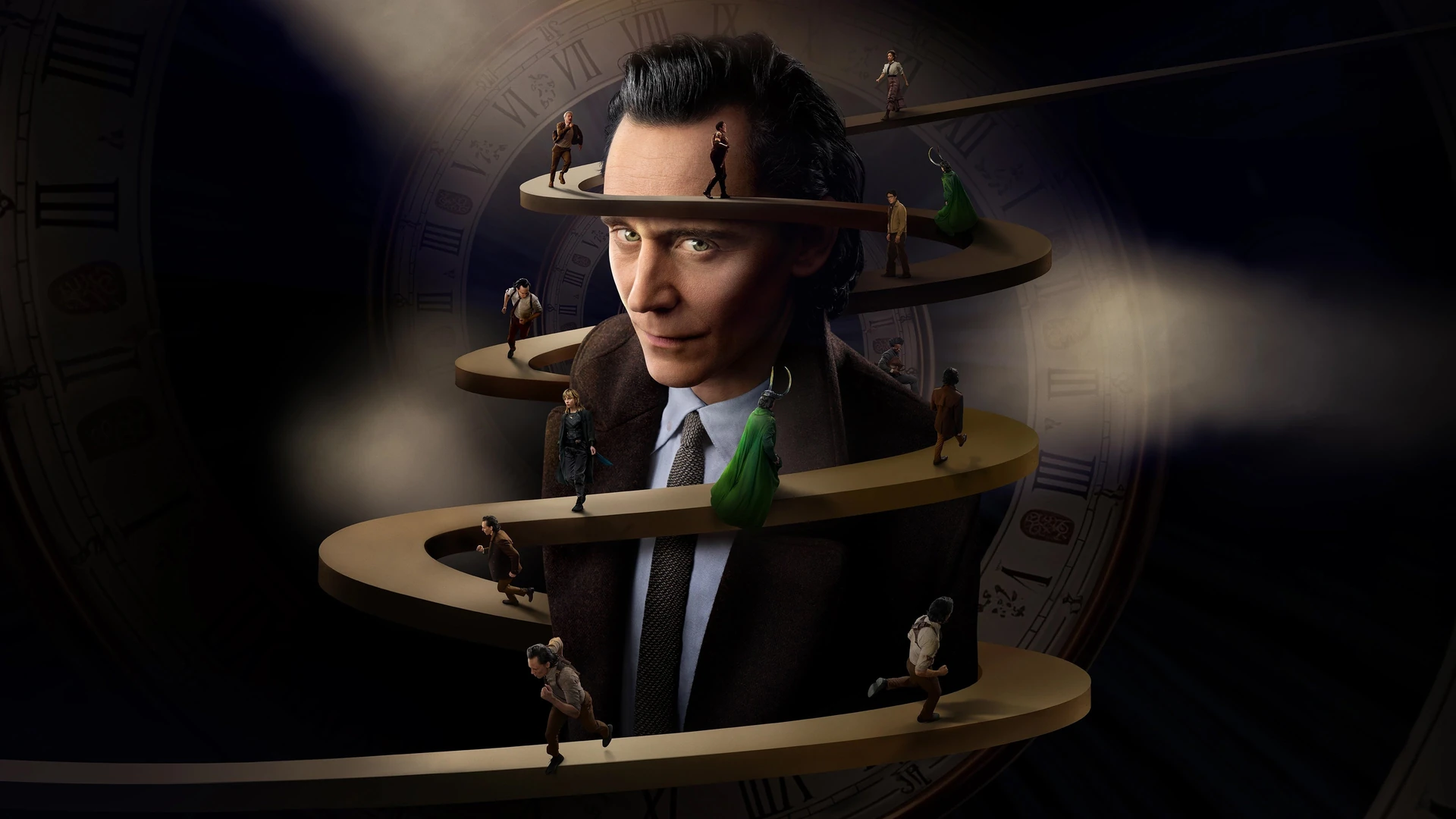
“The only way out is through. The only way through is to accept the path laid before you, or forge your own.” — Anonymous
When Marvel Studios announced a series centered on the God of Mischief, Loki (2021), many of us—myself included—were cautiously optimistic. Could a character so defined by his trickery and his relationship to his brother truly stand on his own? And more importantly, could a Disney+ show deliver the kind of philosophical introspection that Tom Hiddleston’s nuanced portrayal always hinted at, even amidst the spectacle of the MCU? The answer, as is often the case with ambitious projects, is a resounding, “Yes, but…“. While Loki received generally positive reviews, with Rotten Tomatoes critics praising Hiddleston’s charm and the show’s unique premise, it also sparked considerable debate amongst audiences regarding its pacing, its intricate (and sometimes convoluted) lore, and its ultimate destination as a setup for future sagas. Yet, beneath the temporal mechanics and bureaucratic absurdities of the Time Variance Authority, Loki dared to ask genuinely profound questions about identity, free will, and the very nature of existence itself.
The Paradox of Self: Identity in Flux
The series picks up with the 2012 variant of Loki, snatched from his escape with the Tesseract, thrust into an organization that deems his very existence an anomaly. Stripped of his magic, his grand schemes, and ultimately, his sense of glorious purpose, this Loki is forced to confront who he truly is, not as an antagonist to Thor, but as an independent entity. This immediate existential crisis forms the show’s philosophical bedrock. What does it mean to be “Loki” when countless versions of you exist across infinite timelines, each making different choices? Is there an essential “Loki-ness” that transcends individual actions, or is identity merely the sum of one’s choices?
Critics and audiences alike largely lauded Tom Hiddleston’s performance, highlighting his ability to convey both Loki’s arrogance and his deep-seated vulnerability. However, some criticisms arose around the show’s perceived “softening” of Loki’s character, arguing that his rapid turn towards heroism felt somewhat unearned or forced, diluting the very essence of the “God of Mischief.” But perhaps this softening wasn’t a flaw, but a deliberate philosophical statement. It forced us to consider: Can a trickster god truly change? Is repentance a journey of self-discovery, or merely a new trick? Loki posits that true identity might not be a fixed point, but rather a dynamic process of continuous becoming, especially when confronted with the myriad possibilities of who one could be.
Key themes to explore:
- Identity Formation — how external forces and internal desires shape who we are.
- Free Will vs. Determinism — the tension between choosing one’s path and having it dictated by a higher power.
- The Burden of Self-Knowledge — what happens when you’re forced to confront all your past mistakes and potential futures.
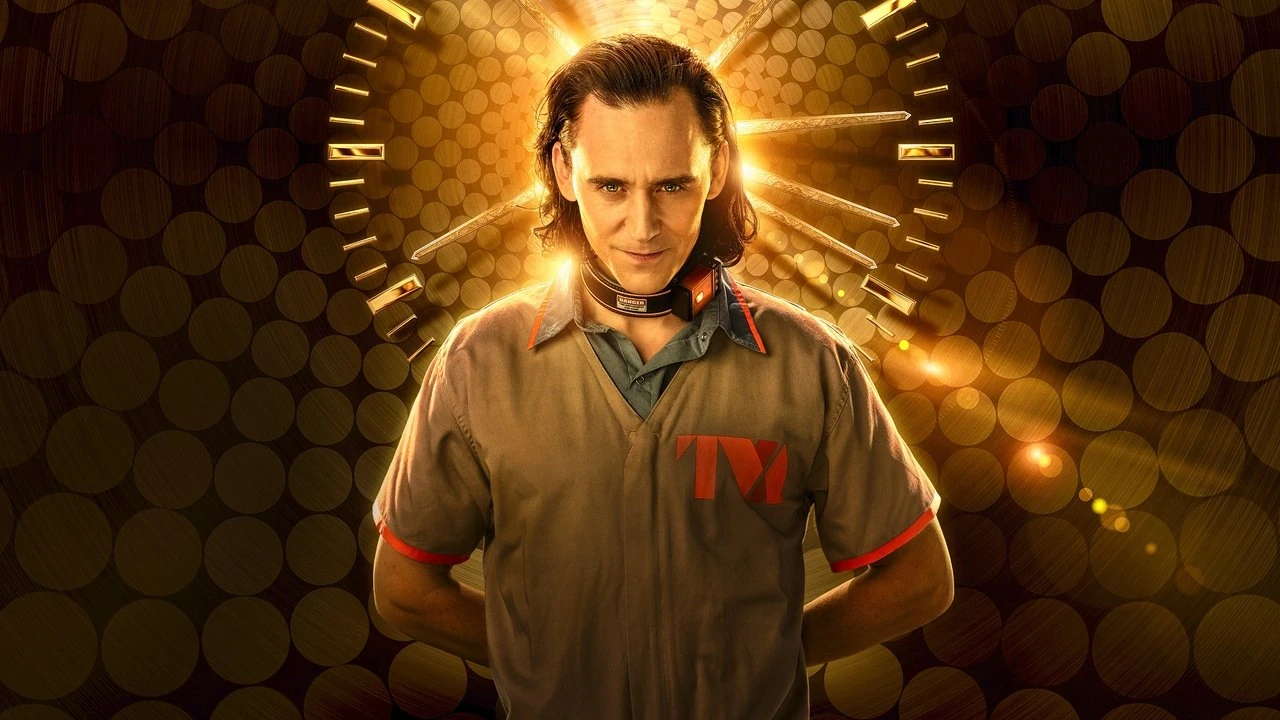 Loki, stripped of his regalia, contemplating his true self amidst the mundane bureaucracy of the TVA.
Chronal Bureaucracy and the Weight of Choice
The Time Variance Authority (TVA) itself is a brilliant, if sometimes bewildering, construct. A vast, seemingly omnipotent bureaucracy that exists outside of time, its sole purpose is to “protect” the Sacred Timeline by pruning “variants” – individuals who deviate from their predetermined path. This immediately plunges us into a dense philosophical thicket. If the TVA dictates what is “supposed” to happen, what does that say about agency? Is our life merely a script written by an unseen hand, or do we truly possess the power to choose? The show’s exploration of the TVA’s inner workings, its bland retro-futuristic aesthetic, and the dispassionate efficiency of agents like Mobius (Owen Wilson) and Hunter B-15 (Wunmi Mosaku), raise chilling questions about authority and control.
This is where the series truly shines as a philosophical text, daring to question the fundamental assumptions of linear existence and personal accountability.
While the concept of the TVA was largely praised for its originality and visual flair, its intricate logic occasionally became a point of contention. Some viewers and critics found the rules of time-travel and variant pruning inconsistent or difficult to follow, leading to moments where plot convenience seemed to override established lore. This “convoluted plot” criticism, as noted by some, highlighted the challenge of balancing grand philosophical ideas with coherent narrative execution. Despite these narrative stumbles, the series compels us to reflect on the ethics of power. Who gets to decide what is “right” for an entire existence? What justifies erasing someone’s timeline for the sake of a “greater good”? The TVA, initially presented as benevolent protectors, slowly reveals itself as an oppressive force, forcing Loki and the audience to grapple with the disturbing implications of a universe where free will is an illusion. The burgeoning romance between Loki and Sylvie, his female variant, though controversial for some, underscores this theme – their very existence together is a nexus event, a rebellion against predetermined paths.
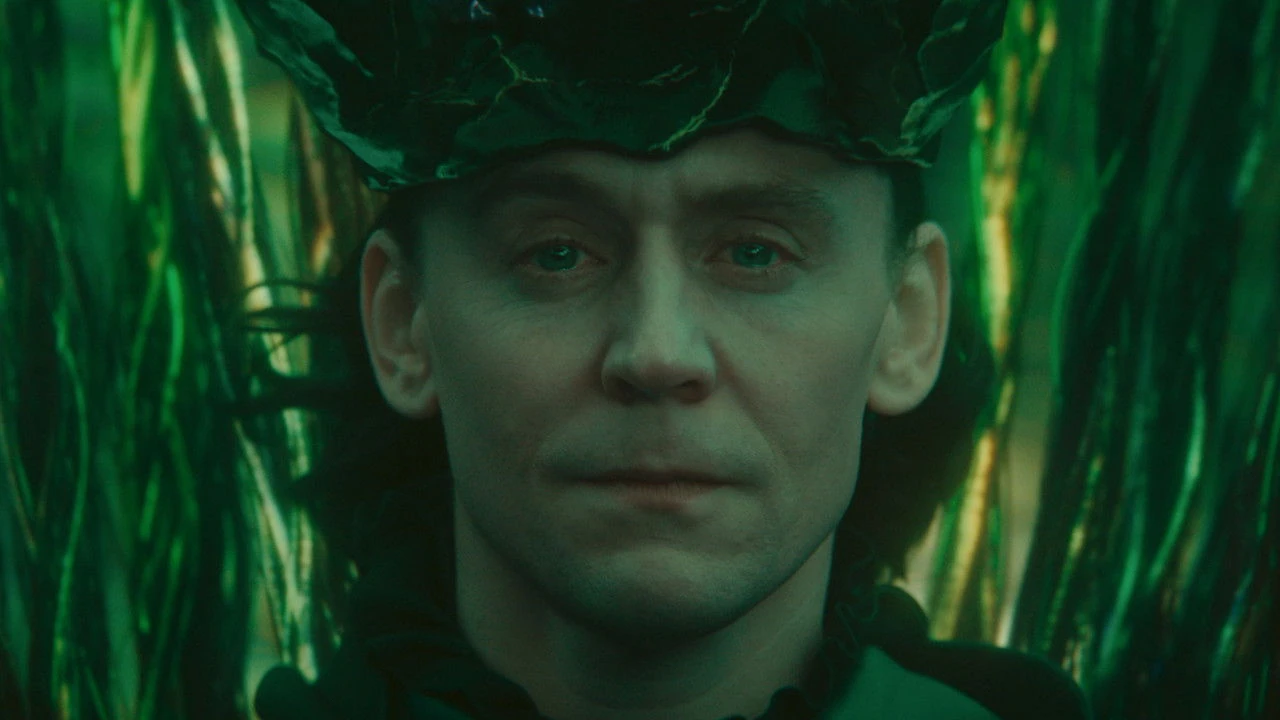 The sterile, anachronistic halls of the Time Variance Authority, a symbol of bureaucratic control over destiny.
The Allure of the Void: Embracing Glorious Purpose
As the series progresses, Loki and Sylvie’s quest leads them to the true architect behind the TVA: He Who Remains (Jonathan Majors), a benevolent dictator who claims to have prevented a multiversal war by enforcing the Sacred Timeline. This final reveal introduces a profound ethical dilemma: Is control, even tyrannical control, justifiable if it prevents an even greater catastrophe? He Who Remains presents a stark choice: maintain his authoritarian order, or unleash the chaos of the multiverse. This choice, and Sylvie’s ultimate decision, throws the very definition of “glorious purpose” into question. Is it to rule, to survive, or to truly be free, even if that freedom leads to destruction?
While Jonathan Majors’ performance was generally lauded for its chilling charisma, the finale itself proved to be one of the most divisive aspects of the series. Many viewers felt it functioned more as a prologue for future MCU projects, particularly Ant-Man and the Wasp: Quantumania and Avengers: Secret Wars, rather than a satisfying conclusion to Loki’s personal journey. This left some feeling that the show’s philosophical ambitions were ultimately subservient to the larger franchise narrative. Yet, even as a setup, the ending forces us to confront the existential horror of infinite possibilities. If every choice creates a new branch, and every branch leads to potential conflict, is the burden of free will too heavy? Loki, left in a TVA that no longer recognizes him, staring out at a collapsing multiverse, embodies the ultimate philosophical struggle: to find meaning and purpose in a chaotic, ever-expanding reality.
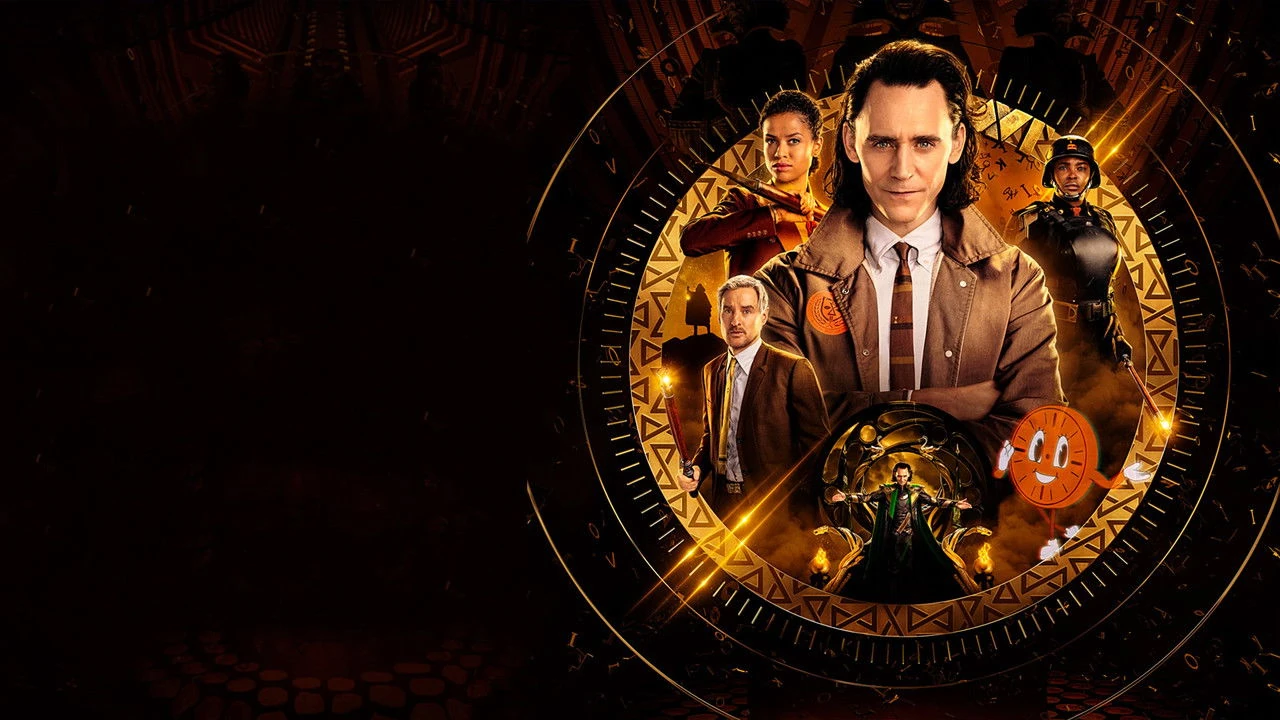 Loki, alone and adrift, witnessing the fracturing of time and the terrifying expanse of the multiverse.
“The hardest choices require the strongest wills, but sometimes the strongest will is simply to let go of control.”
Loki isn’t a perfect series; its narrative complexities sometimes outpaced its ability to fully explain them, and its role as a foundational piece for the MCU’s multiverse saga occasionally overshadowed its character-driven philosophical explorations. However, its flaws do little to diminish its profound impact as a thought experiment. It uses the vibrant, fantastical canvas of the Marvel universe to pose fundamental questions about who we are, whether our choices truly matter, and what it means to forge one’s own path in a universe that constantly tries to define us. It’s a journey into the self, disguised as a time-travel adventure, leaving us to ponder our own “glorious purpose” in a world of infinite possibilities.
Where to Watch
- Disney Plus
What’s Up? explores the philosophical depths of cinema.