Marjaavaan's Melodrama: Finding Meaning in the Mayhem
An exploration of Marjaavaan (2019)'s divisive melodrama, delving into themes of fate, vengeance, and the problematic aesthetics of Bollywood masala despite its critical reception.
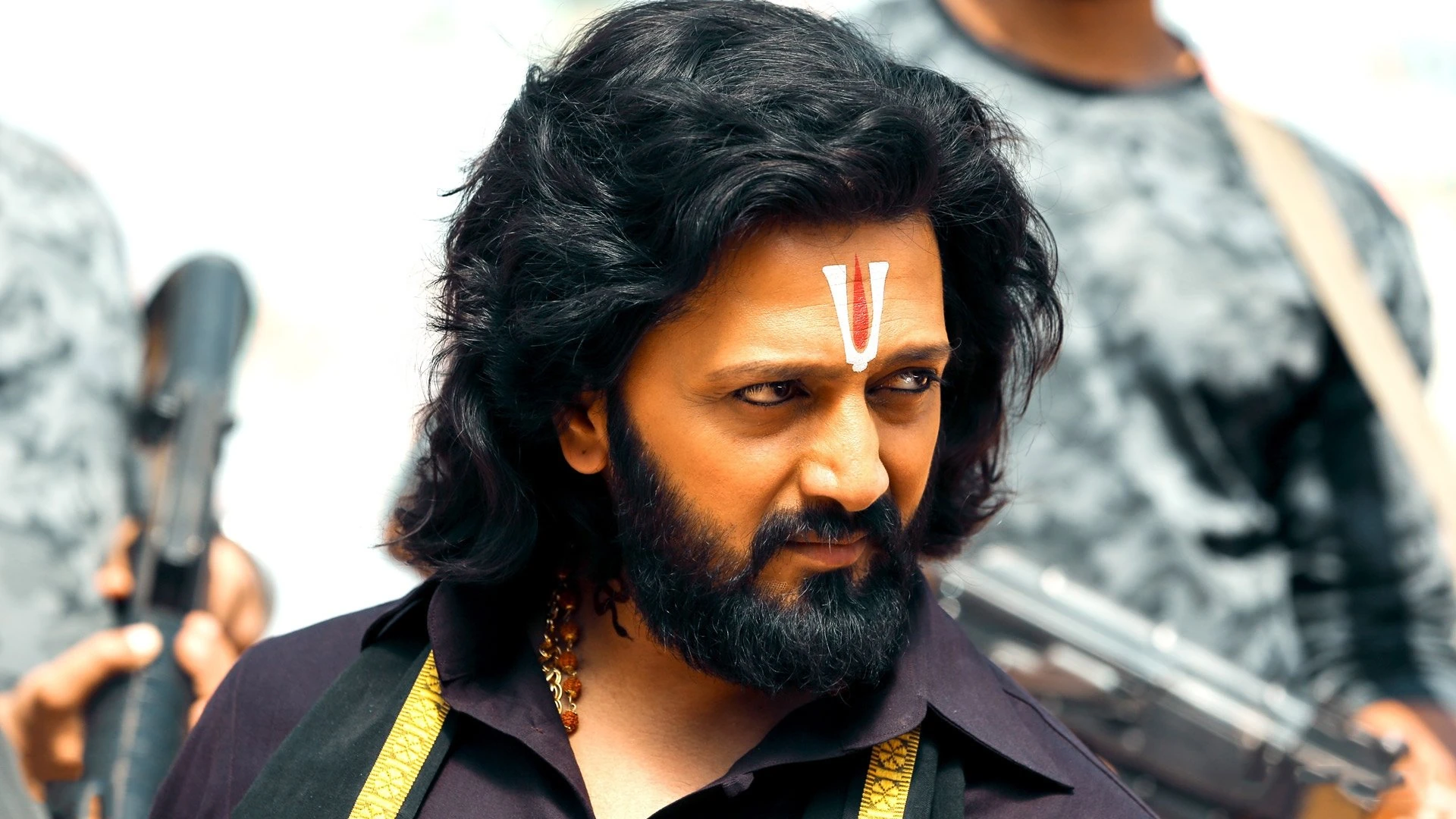
“We are condemned to be free; every choice we make defines us, yet some choices feel pre-ordained by a cruel fate.” — Jean-Paul Sartre (adapted)
Let’s be candid right from the start: Milap Zaveri’s 2019 action-romance Marjaavaan is not what one would call a critical darling. It landed with a thud for many reviewers, often scoring dismally low (IMDb user ratings hover around 3.5/10, with Indian critics like NDTV and Indian Express giving it 1.5/5 or less). They lambasted its “outdated script,” “loud and irritating” melodrama, “logic-defying” plot, and “hammy acting.” Yet, amidst this cacophony of criticism, a peculiar truth emerges: even a film widely deemed flawed can, inadvertently, open doors to profound philosophical questions. Marjaavaan, in its earnest (if often clumsy) embrace of Bollywood’s ‘masala’ traditions, forces us to confront the nature of love, sacrifice, vengeance, and the sometimes-problematic aesthetics of human suffering.
The Burden of Absolute Love and Inevitable Sacrifice
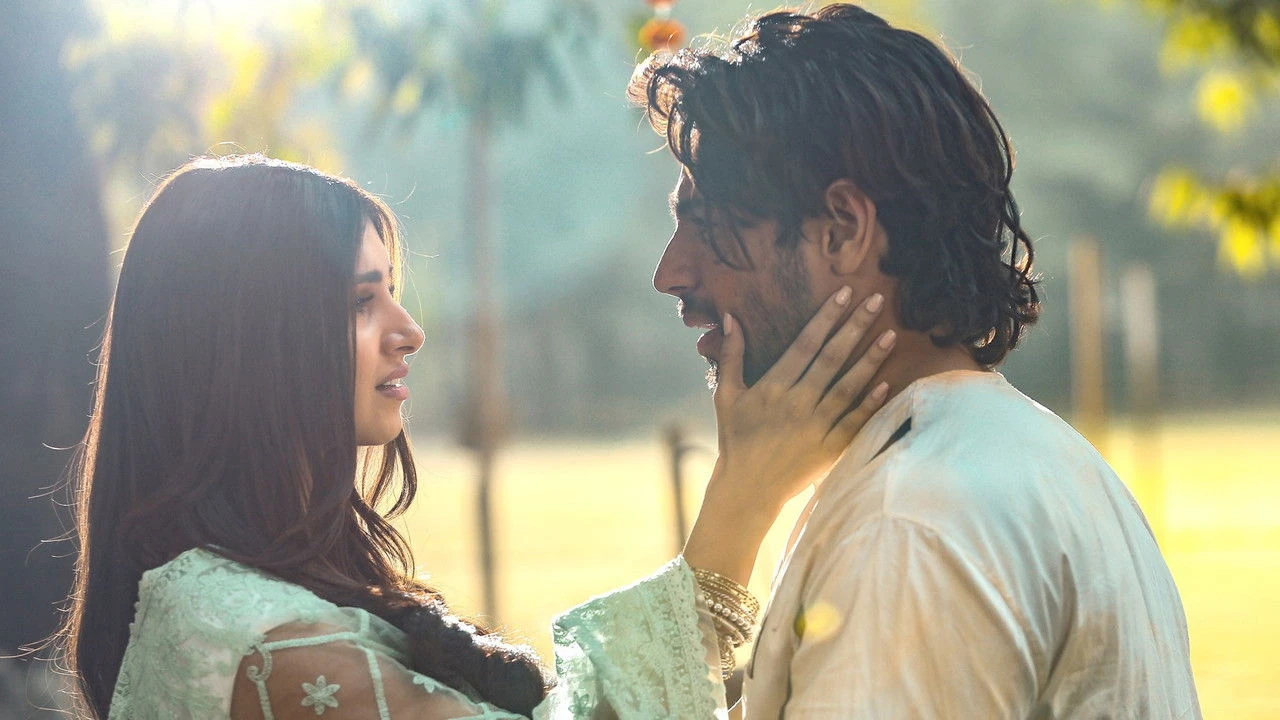
At its heart, Marjaavaan is a story of absolute devotion. Raghu (Sidharth Malhotra), a loyal henchman, and Zoya (Tara Sutaria), a mute Kashmiri girl, find an almost idyllic love amidst the harsh realities of their gangster world. Their bond is presented as pure, unwavering, and destined. But this destiny is quickly twisted into a tragic spiral by Vishnu (Riteish Deshmukh), the vertically challenged, malevolent gang leader whose pathological jealousy and cruelty set the stage for an ultimate sacrifice.
Critics rightly pointed out the film’s reliance on clichés and its predictable narrative arc. We know, almost from the first frame, that this love story is headed for a grand, tragic gesture. Zoya’s muteness, while visually symbolic, feels less like a character trait and more like a narrative device to heighten her vulnerability and make her a sacrificial lamb. This predictability, however, isn’t just a flaw; it’s a window into a particular philosophical perspective on fate versus free will. In Marjaavaan, the characters aren’t truly making choices; they are fulfilling roles in a pre-written tragedy. Raghu’s vow of vengeance, Zoya’s ultimate act, Vishnu’s relentless evil – they all unfold with a sense of ineluctability.
- Love as a Catalyst: It’s not just a feeling, but a force that compels extreme actions.
- Sacrifice as Destiny: The narrative dictates that happiness must be paid for with unimaginable loss.
- Vengeance as Virtue: The only path to justice, however destructive, is often framed as righteous.
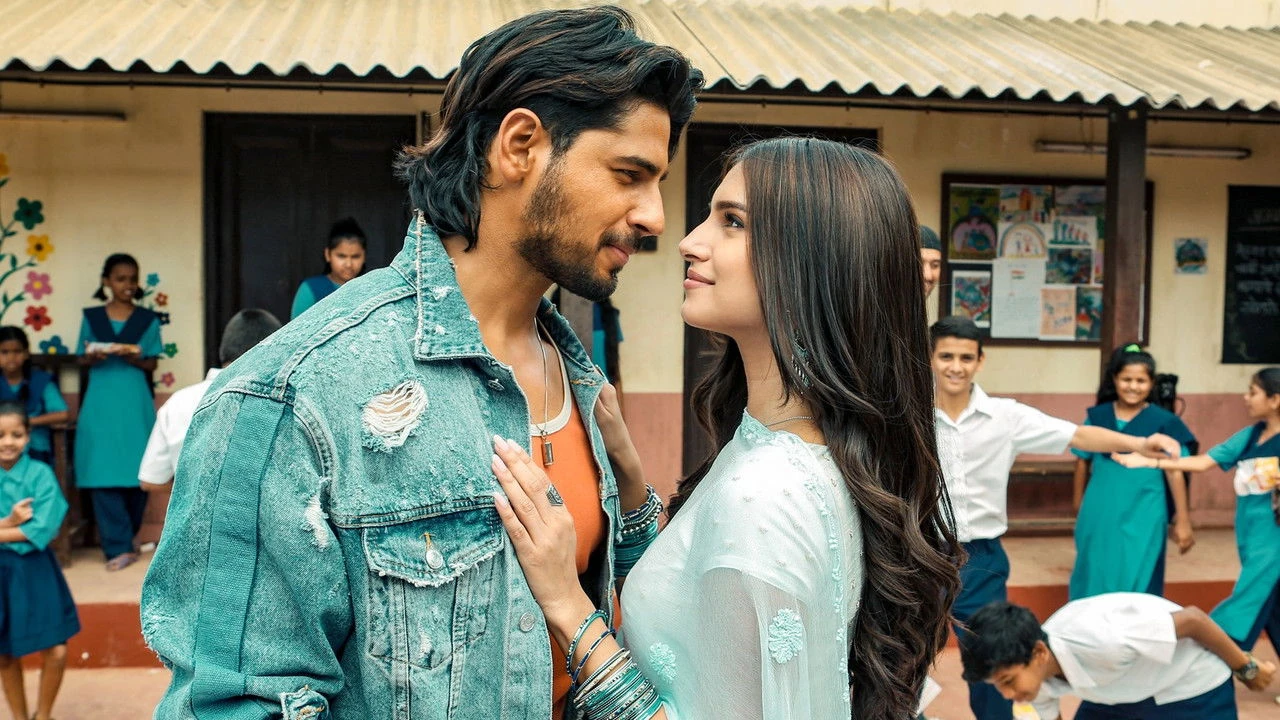 Raghu and Zoya share a tender moment, a fleeting glimpse of happiness before fate intervenes.
The Aesthetics of Absurdity: Melodrama as Meaning
Many reviews targeted Marjaavaan’s “over-the-top” dialogues, “loud background score,” and “unrestrained melodrama.” Indeed, the film often plays like a throwback to 80s Bollywood, where subtlety was sacrificed at the altar of raw, unbridled emotion. Vishnu’s character, a physically challenged man consumed by evil, is particularly jarring. While Riteish Deshmukh’s performance was often cited as a standout for its intensity, the portrayal itself can be seen as problematic, potentially linking physical disability with moral corruption – a trope that has rightly faced criticism for its harmful implications.
This is where the film, despite its narrative and aesthetic bluster, forces us to question the very function of melodrama. If art holds a mirror to human experience, what does this amplified, often illogical, portrayal of suffering and heroism reflect about our collective psyche?
Perhaps, in its sheer excess, Marjaavaan inadvertently explores the human craving for grand narratives – stories where emotions are writ large, where good and evil are unambiguous, and where sacrifice offers a cathartic release. The film doesn’t aim for realism; it aims for an emotional maximalism that, for a segment of the audience (as evidenced by its 70% Rotten Tomatoes audience score, contrasting sharply with critical panning), clearly resonates. It asks us to suspend our disbelief not just in the plot, but in the very modality of emotional expression. Is there philosophical value in exploring the limits of human expression, even if those limits are pushed into absurdity? The film becomes a case study in how “bad taste” can still provoke thoughts on art’s purpose.
 Vishnu, the antagonist, embodies a theatrical villainy, a study in exaggerated malice.
Echoes of Tragedy and the Masala’s Existential Stirrings
Beyond the immediate criticisms, Marjaavaan’s structure, however flawed, echoes classical tragic forms. There’s a hero, a villain, a beloved, and an inevitable, devastating conflict that ends in profound loss and a bitter form of justice. Raghu’s journey, from a street orphan finding purpose in love to a man consumed by vengeance, is a familiar arc, often seen in Greek tragedies or Shakespearean dramas, albeit here presented through the distinctly Bollywood ‘masala’ lens.
The film poses existential questions, even if not elegantly. What is the true cost of love? Can vengeance ever bring peace, or does it merely perpetuate a cycle of suffering? When a character is forced to commit an act against their will for the ‘greater good’ (or rather, to save another), where does their agency lie? Marjaavaan’s characters grapple with their lot, often expressing their despair through soaring monologues and intensely choreographed action sequences. It’s a loud, often unsubtle exploration of existential dread cloaked in commercial entertainment. While the execution may be clunky, the underlying questions – about destiny, justice, and the brutal realities of a world governed by power and hate – are undeniably present.
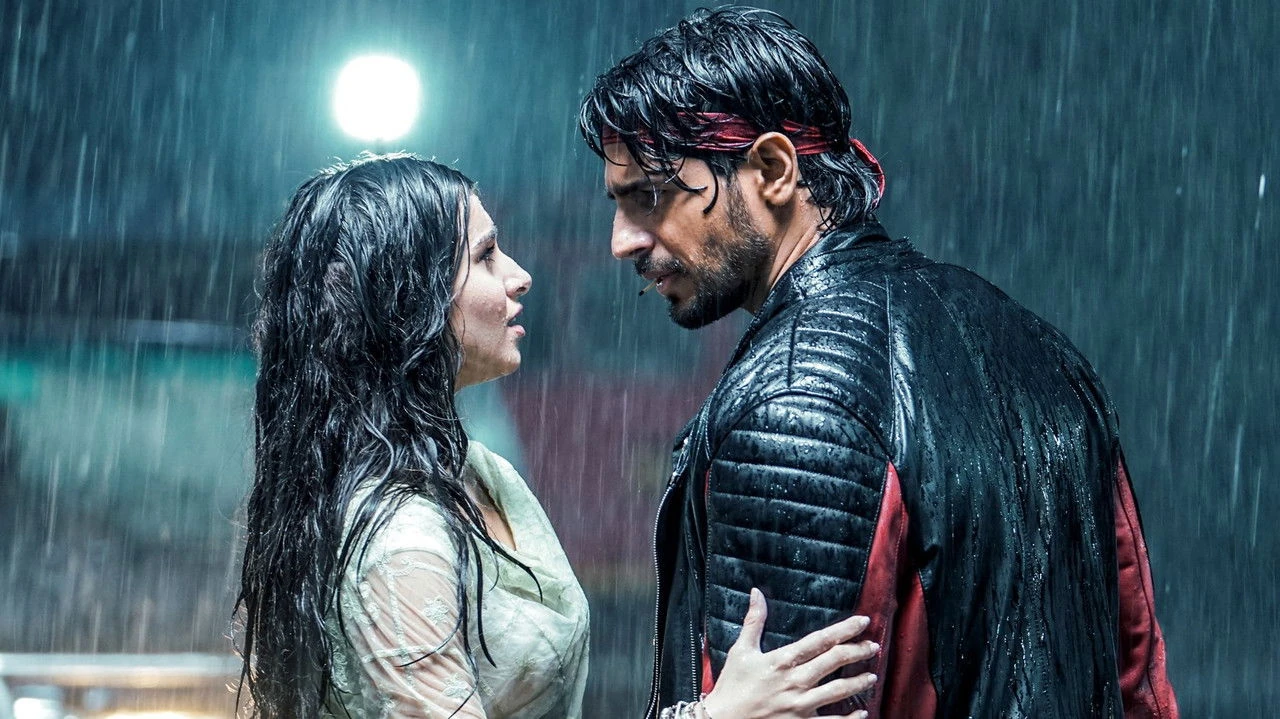 Raghu’s tormented gaze reflects the heavy burden of his tragic fate and the choices forced upon him.
“In the theatre of life, even the most poorly acted play can reveal profound truths about the human condition, if only we look beyond the performance to the raw emotion it attempts to convey.” — What’s Up? Editorial
Marjaavaan is undeniably a divisive film. For many, its flaws—the outdated style, the overwrought emotions, the logical inconsistencies—make it a difficult watch. Yet, as cultural critics, it’s our duty to look deeper. This isn’t a masterpiece, nor does it pretend to be. But it is a fascinating example of how cinema, even at its most critically panned, can still inadvertently touch upon universal human experiences and fundamental philosophical dilemmas. It asks us to consider the fine line between love and obsession, justice and vengeance, and the enduring human desire for stories that, however exaggerated, speak to the depths of our emotional lives. What does it say about us that such narratives, for all their weaknesses, continue to resonate with a significant portion of the audience?
Where to Watch
- Amazon Prime Video
- Amazon Prime Video with Ads
What’s Up? explores the philosophical depths of cinema.