Mersal's Moral Magic: When Vengeance Illumines a Broken System
Exploring the philosophical underpinnings of Mersal, a film that dared to dissect systemic corruption and the blurred lines between justice and vengeance, despite its divisive reception.
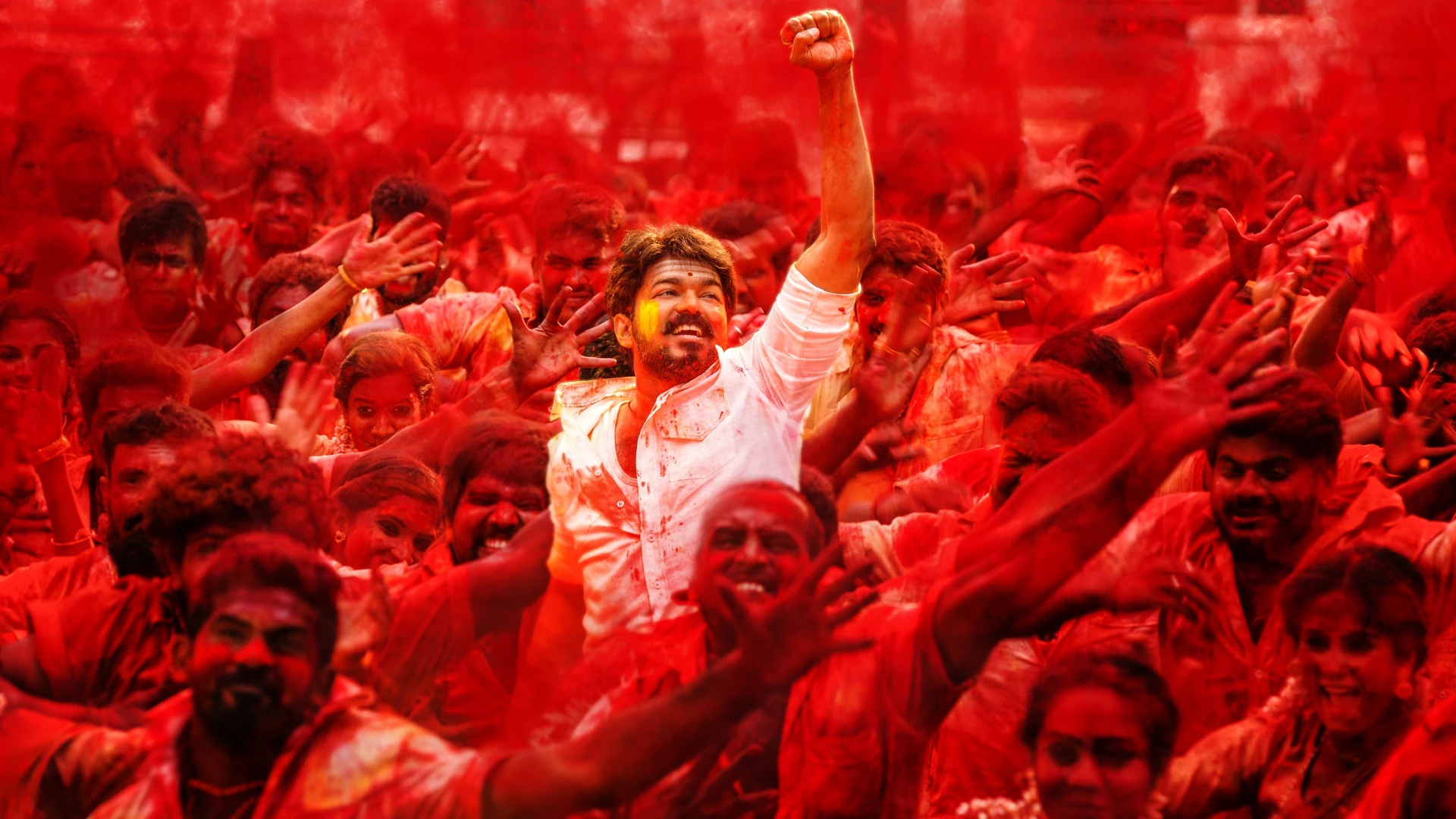
“The ultimate weakness of violence is that it is a descending spiral, begetting the very thing it seeks to destroy. Instead of freedom, it produces enslavement.” — Martin Luther King Jr.
Mersal (2017), Atlee’s sprawling, action-packed thriller starring the inimitable Vijay, isn’t just a movie; it’s a phenomenon that ignited both fervent adoration and fierce controversy. Clocking in at a weighty 172 minutes, this Tamil blockbuster dives headfirst into the murky waters of medical corruption, weaving a tale of revenge and systemic critique with all the bombast and emotional heft one expects from Indian cinema. While mainstream Western critics largely overlooked it, Mersal struck a profound chord with its target audience, garnering an impressive 81% audience score on Rotten Tomatoes and a solid 7.6/10 on IMDb from tens of thousands of viewers. Yet, beneath the slick action sequences and Vijay’s charismatic triple performance, there lies a raw, unfiltered philosophical query about justice, responsibility, and the individual’s place in a broken world.
The Ethical Scalpel: Dissecting a Corrupt System
At its core, Mersal is a visceral examination of systemic failure and the individual’s moral prerogative when confronted with egregious injustice. The plot, initially presented as a series of mysterious murders and kidnappings targeting medical professionals, quickly unravels into a complex narrative of a son avenging his parents’ deaths, exposing the rot within the healthcare industry. This isn’t just about a few bad apples; the film paints a grim picture of an entire system, from corporate hospitals to government policies, prioritizing profit over human life.
The film courageously (and controversially, as we’ll see) uses its narrative to directly critique issues like medical negligence, exorbitant fees, and even the contentious Goods and Services Tax (GST) in India, all of which arguably contributed to real-world suffering. This bold stance sparked heated debate and political backlash, elevating Mersal from a mere entertainer to a cultural touchstone. It forced audiences to confront uncomfortable truths about the institutions they rely on.
Key themes to explore:
- Social Contract Violation — When the state and its institutions fail to protect its citizens, what obligations do citizens still owe the state?
- Distributive Justice — The film implicitly questions the unequal distribution of quality healthcare, a fundamental human right.
- The Right to Rebel — In the face of state-sanctioned neglect, does the individual have a moral right, or even a duty, to act outside legal bounds?
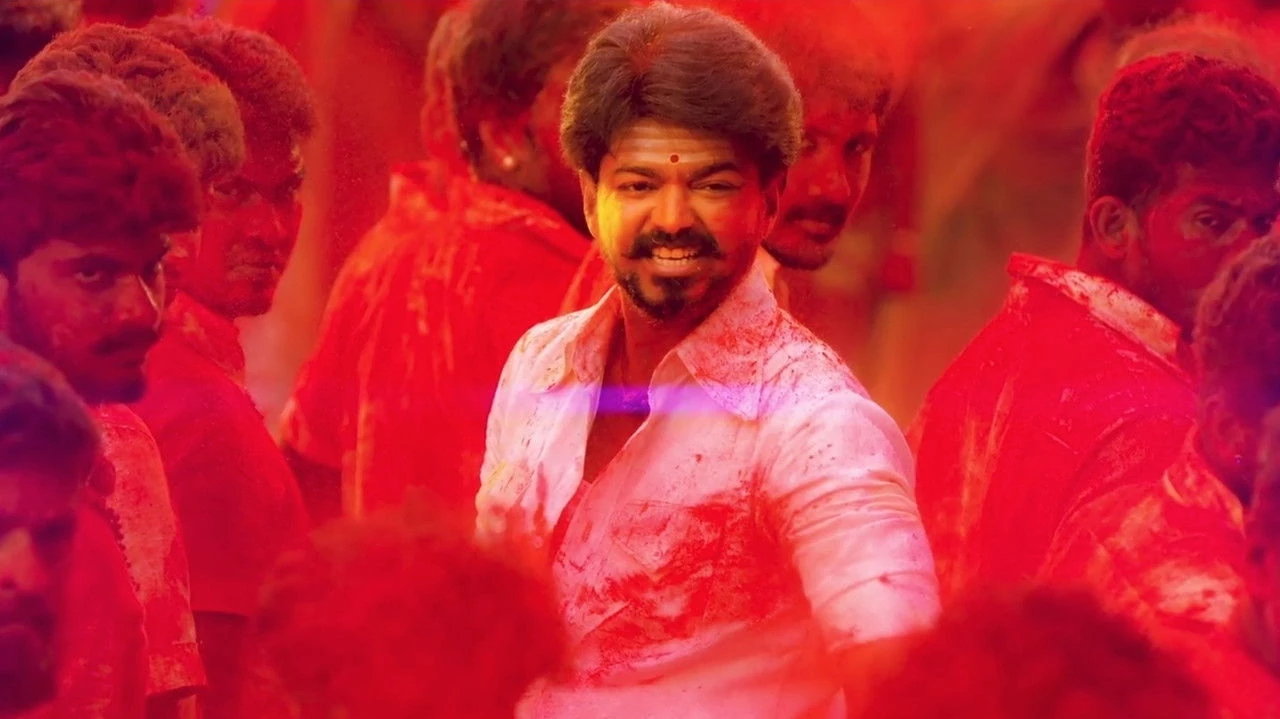 Vijay’s characters grapple with the weight of a broken healthcare system, seeking an elusive form of justice.
The Duality of Vengeance: A Flawed Deliverance
For all its thematic ambition, Mersal isn’t without its narrative and stylistic imperfections. Critics and audiences alike pointed to its sprawling runtime, sometimes uneven pacing, and certain over-the-top elements as detractions. Some found the plot convoluted, especially with the triple roles requiring significant exposition, and the emotional beats occasionally felt manipulative rather than organically earned. The CGI, while ambitious, also drew some flak for not always being seamless.
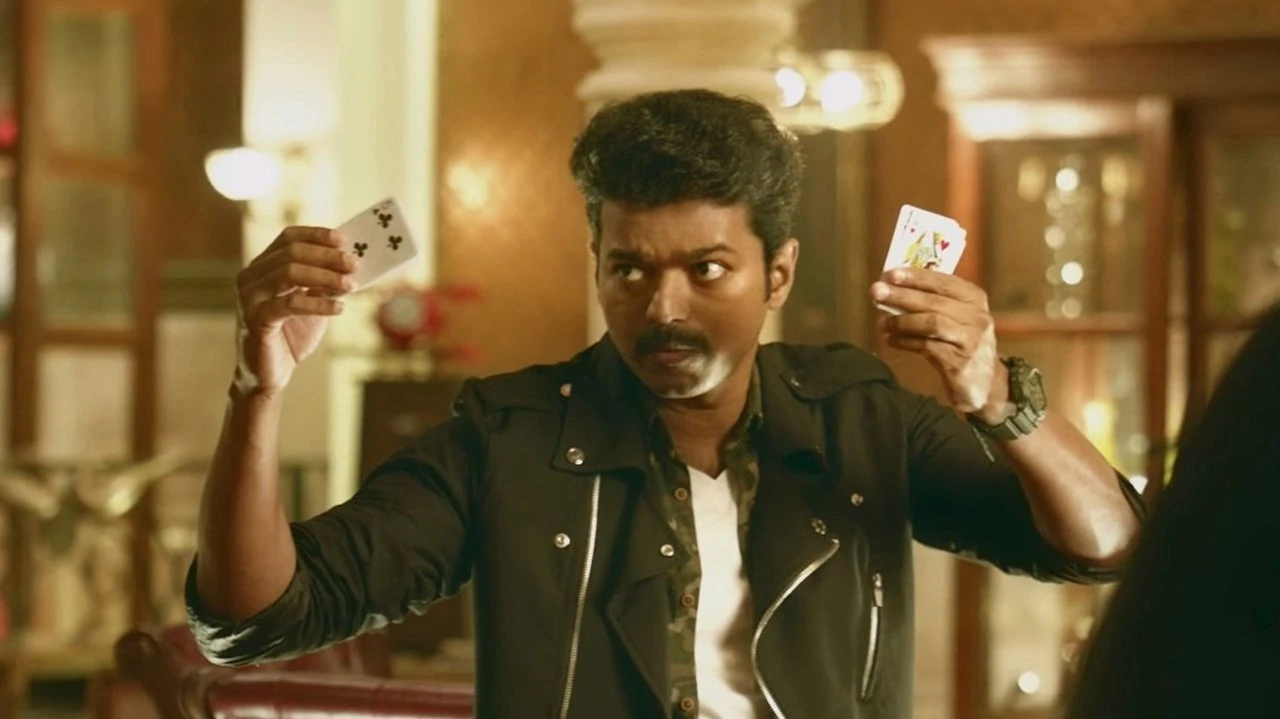
However, these structural flaws often become secondary to the film’s undeniable emotional resonance and its unwavering commitment to its social message. Vijay, in his triple role as the benevolent doctor Maaran, the street-smart magician Vetri, and their father Vetrimaaran, anchors the film with a compelling blend of intensity and vulnerability. His performance lends gravitas to the film’s central dilemma: is the path of violent retribution justifiable when the legal system offers no solace?
Mersal dares to ask: What happens when the scales of justice are so heavily tipped by greed that they shatter under the weight of human suffering? This is where the film’s philosophy truly begins to bleed into its action, transforming mere spectacle into a desperate plea for accountability.
The film doesn’t shy away from the brutality of its protagonist’s methods. Vetri, the magician, uses illusion and sleight of hand to exact his revenge, transforming the act of vengeance into a macabre performance art. This raises fascinating ethical questions: Does the means justify the end when the end is the correction of profound injustice? Or does violence, regardless of its target, inevitably corrupt the avenger? Mersal doesn’t offer easy answers, presenting its vigilante as both a hero and a man consumed by his mission, walking a tightrope between justice and sheer brutality.
 A fragmented reflection, symbolizing the shattered trust in institutions and the dual nature of the protagonist’s quest.
Beyond the Surface: A Cry for Collective Conscience
Despite its narrative excesses and the criticisms leveled against its execution, Mersal ultimately transcends its genre trappings to become a powerful exploration of collective conscience. The film’s philosophical value lies not just in its direct critique of healthcare but in its broader implications about civic responsibility and the nature of reform. It argues that silence in the face of injustice is complicity, and that radical action, even if morally ambiguous, might sometimes be necessary to awaken a slumbering society.
The political backlash it received only underscored its potency. When a fictional narrative provokes such real-world debate and anger from political figures, it confirms its power to touch a raw nerve, to articulate widespread public frustration. Mersal isn’t just about a hero fixing things; it’s about the systemic issues that create the need for such heroes in the first place. It forces us to consider the existential weight of living in a society where fundamental services are commodified, and where the most vulnerable often pay the highest price.
 A crowded hospital corridor, a stark reminder of the systemic pressures and human stories that fueled Mersal’s narrative.
“Perhaps the greatest injustice is not the evil that some do, but the good that others fail to do.”
Mersal’s legacy is undeniably mixed. It’s a loud, often melodramatic film, sometimes sacrificing subtlety for spectacle. Yet, it’s also a film that dared to speak truth to power, to provoke uncomfortable conversations, and to ignite a passionate response from its audience. It reminds us that cinema, even in its most commercial forms, can be a potent mirror, reflecting not just our fantasies but our deepest societal anxieties and our yearning for a more just world. What does it say about us when a fictional tale of vigilante justice against a corrupt medical system resonates so deeply? What quiet desperation does it amplify within the collective psyche?
What’s Up? explores the philosophical depths of cinema.