Midnight Mass: The Sacred and the Profane on Crockett Island
A deep dive into Midnight Mass, exploring its complex themes of faith, doubt, and the nature of miracles, acknowledging its critical reception and divisive elements.
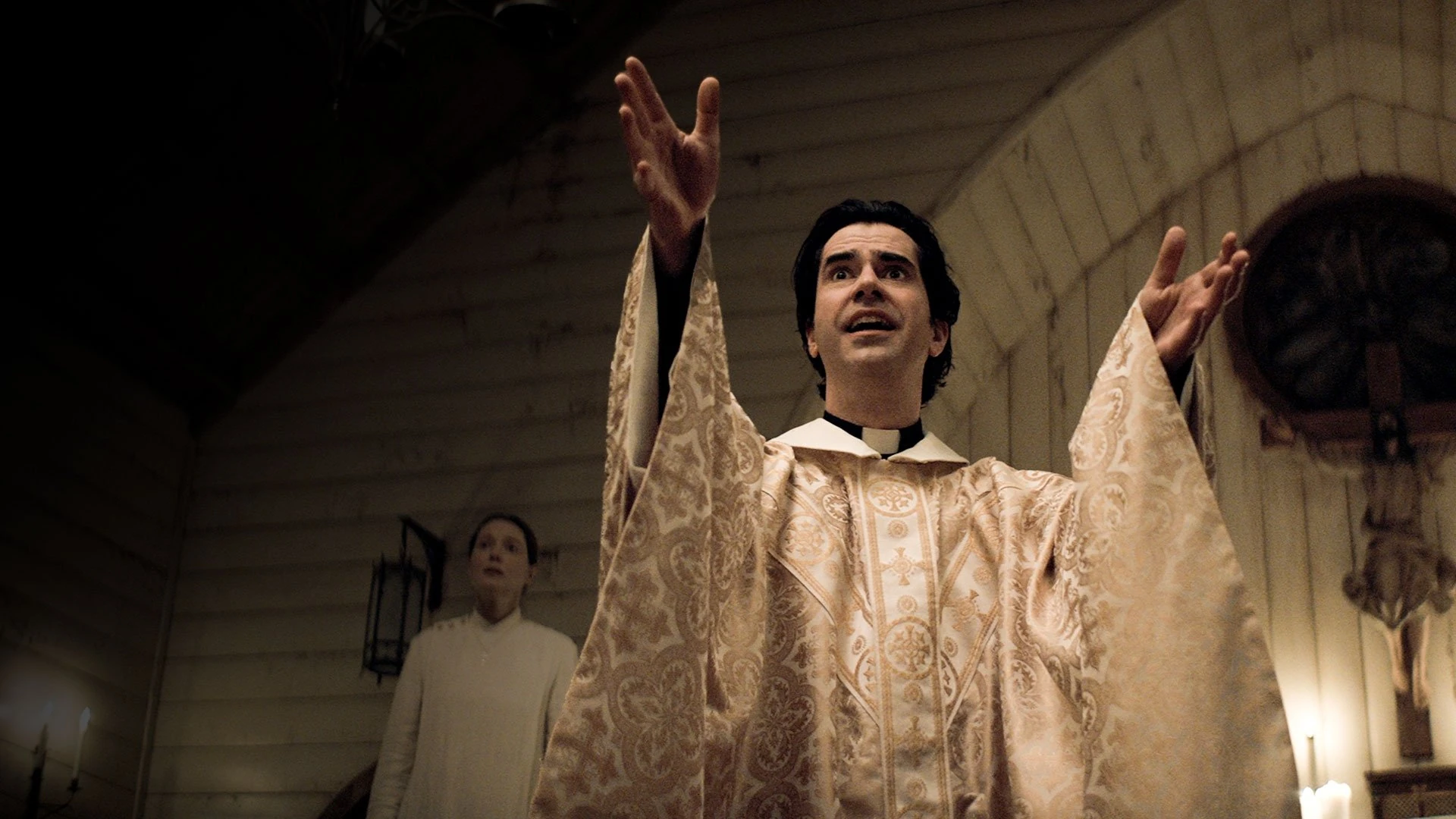
“How many times are we born? How many times do we die?” — Mike Flanagan’s Midnight Mass
Mike Flanagan’s Midnight Mass, a 2021 Netflix series, arrived like a quiet storm, unassuming on the surface but unleashing a torrent of philosophical and theological debate beneath. On the critical front, the series garnered widespread acclaim, boasting an impressive 87% on Rotten Tomatoes and a “generally favorable” 77 on Metacritic. Critics lauded its ambition, its sharp writing, and the powerhouse performances, particularly from Hamish Linklater as Father Paul. Yet, beneath this praise, there were murmurings – a divisive undercurrent among some viewers who found its deliberate pacing, lengthy monologues, and challenging religious themes either profound or preachy, brilliant or bloated. For me, it was a profound, often uncomfortable, exploration of what it means to believe, to doubt, and to confront the ultimate limits of our mortality. It’s a series that dares to ask big questions, even if its answers, or lack thereof, aren’t always easy to swallow.
The Parish of Paradox: Faith, Fear, and Flanagan’s Fury
At its core, Midnight Mass is a deeply existential drama wrapped in the skin of a horror story. It transports us to Crockett Island, a dying fishing community whose dwindling hopes are reignited by the enigmatic arrival of Father Paul. What follows is a series of inexplicable “miracles” – a paraplegic walks, an elderly woman regains her youth, tumors vanish. These events spark a fervent religious revival, yet they also usher in a creeping dread, hinting at a truth far more ancient and terrifying than divine intervention.
Flanagan masterfully uses the small, isolated community as a microcosm for humanity’s struggle with faith and fear. The islanders, stripped of their livelihoods and facing slow decay, are desperate for salvation. This desperation makes them fertile ground for both genuine spiritual awakening and dangerous fanaticism. The show doesn’t shy away from depicting the ugliness that can emerge when belief becomes dogma, and hope curdles into delusion. It paints a stark picture of how quickly communal joy can morph into collective hysteria, and how easily a charismatic leader can manipulate the deepest human longings.
Key themes to explore:
- The Nature of Miracles — Are they divine blessings or something far more sinister, demanding an unspeakable cost?
- Grief and Redemption — How individuals cope with loss, past sins, and the yearning for a second chance.
- Community and Isolation — The double-edged sword of belonging, and the crushing weight of being alone in belief or disbelief.
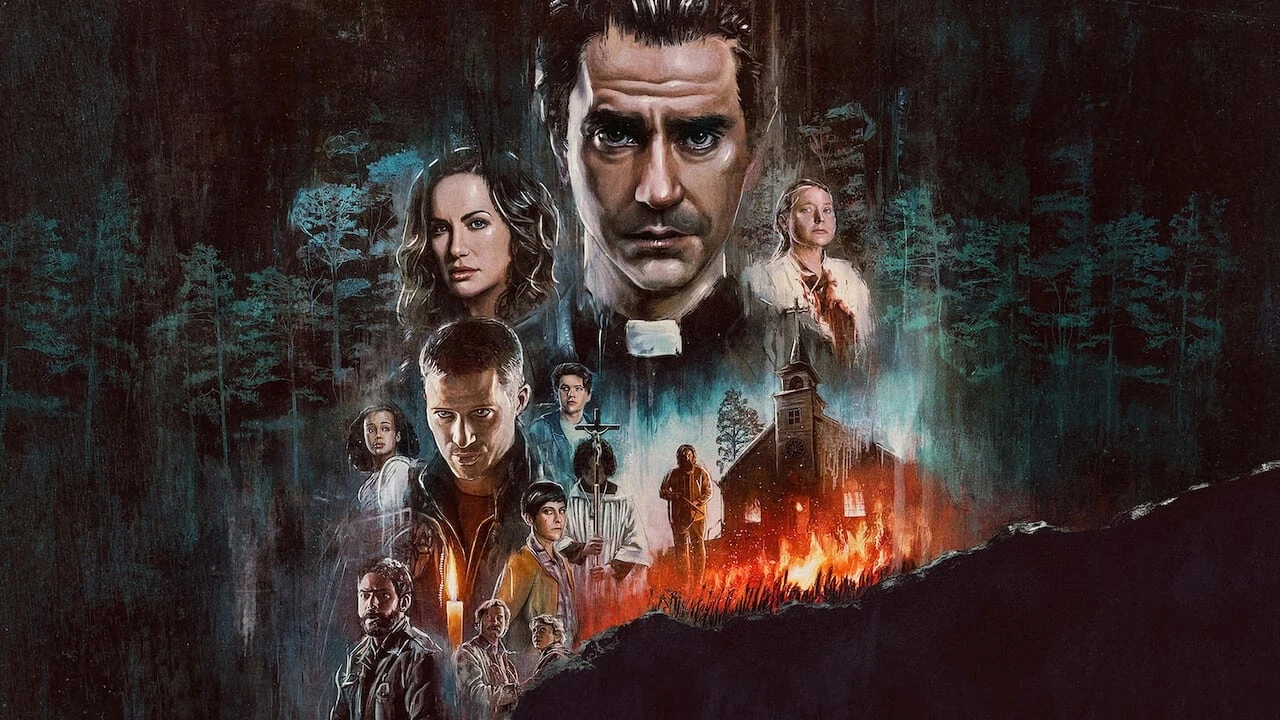 Father Paul Hill delivers a sermon, his face illuminated by a light that suggests both grace and something unsettling
A Pulpit of Monologues: The Double-Edged Sword of Dialogue
One of the most frequent points of contention, and indeed, a defining characteristic of Midnight Mass, is its heavy reliance on dialogue, particularly extended monologues. Critics, while often praising the quality of the writing, noted the sometimes uneven pacing that these philosophical sermons created. Audiences were even more divided; some found them incredibly profound, the very essence of the show’s intellectual ambition, while others lamented them as verbose and distracting, pulling focus from the narrative and horror elements.
This is where the series truly divides its audience: whether these long, intricate speeches are a profound meditation on faith and morality, or an indulgence that occasionally grinds the narrative to a halt. For me, they are the very sinews of its intellectual strength, a daring choice in an era of rapid-fire consumption.
Personally, I found these dialogues to be the show’s beating, if sometimes slow, heart. They allow characters like Riley Flynn (Zach Gilford) and Erin Greene (Kate Siegel) to grapple openly with complex questions of atheism, agnosticism, and unwavering faith. Father Paul’s sermons, particularly, are mesmerizing, weaving scripture with a terrifyingly distorted logic that slowly unveils the true nature of his “gifts.” These aren’t mere exposition dumps; they are character-driven philosophical essays, revealing the intricate inner lives and moral frameworks of people pushed to their absolute limits. It’s in these quiet, often lengthy, discussions that the show’s cerebral horror truly takes root, forcing the viewer to confront difficult ideas rather than just jump scares. Hamish Linklater’s performance, especially in these moments, is nothing short of magnetic, anchoring the entire series with his nuanced portrayal of a man both deeply devout and profoundly misguided.
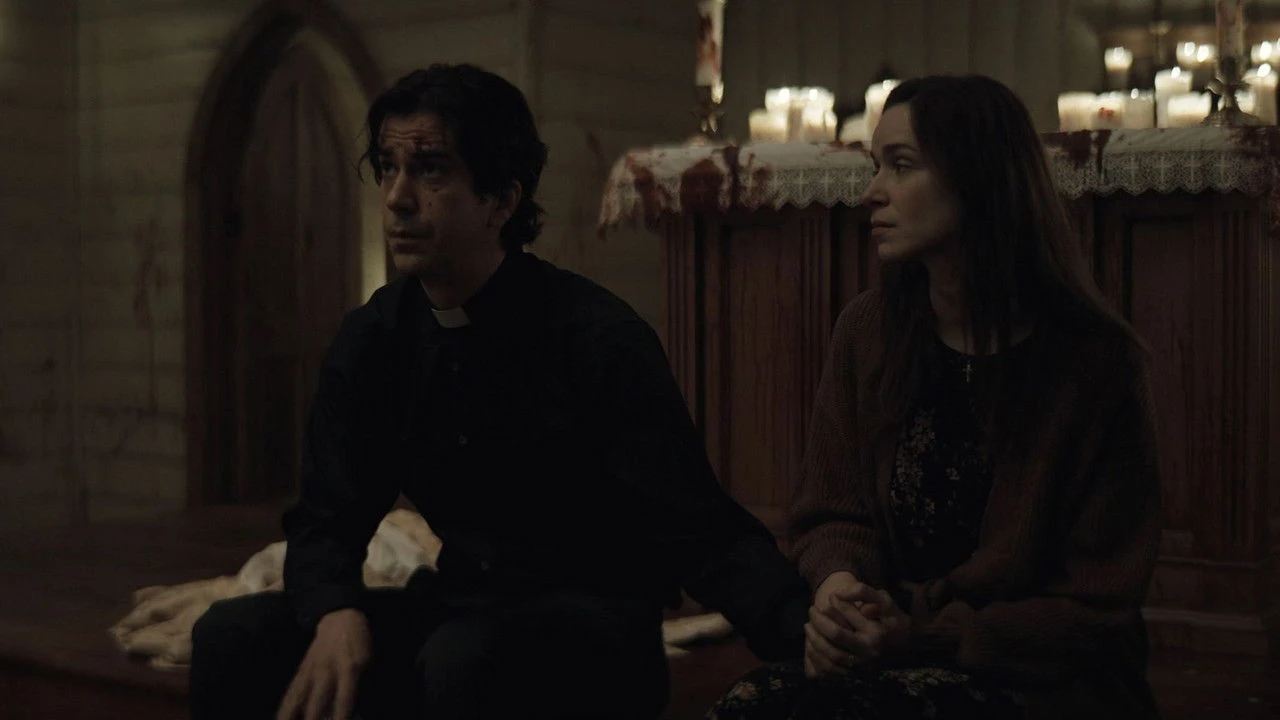 Riley Flynn and Erin Greene share a moment of quiet reflection, their faces reflecting deep thought and shared experience
Consuming Belief: An Existential Eucharist
Beyond the narrative of a strange priest and his mysterious miracles, Midnight Mass delves into the very fabric of belief itself. What do we truly hunger for? Is it salvation, forgiveness, or simply an escape from the inevitability of death? The series presents a chilling allegory about how easily humans can be led to consume what they believe will save them, even when it’s overtly destructive. This isn’t just about religious extremism; it’s about the universal human desire for meaning, for transcendence, and the perilous paths we might take to achieve it.
The show challenges traditional notions of heaven and hell, life and death, and the very concept of a benevolent God. It asks us to look at the stories we tell ourselves, the comfort we derive from ritual, and the terrifying responsibility that comes with free will, especially when faced with seemingly supernatural forces. The horror isn’t just the monster; it’s the monster within, the capacity for cruelty, self-deception, and the fanaticism that can be born of desperate faith. The ending, while perhaps rushed for some viewers in its dramatic climax, offers a poignant, almost poetic, meditation on acceptance, sacrifice, and the quiet dignity of facing one’s end with grace. It’s a powerful, if melancholic, reflection on what truly matters when all other certainties crumble.
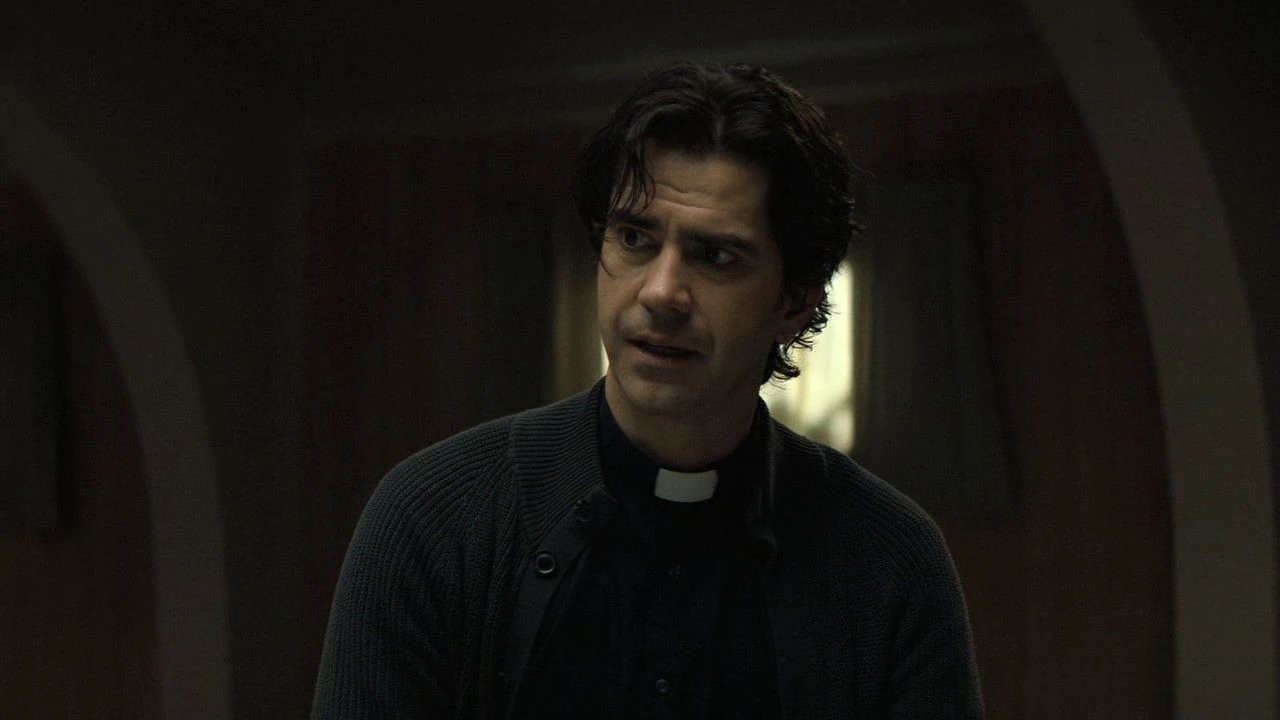 A lone figure stands silhouetted against a burning building, a stark image of destruction and impending doom
“We’re just a little moment. A tiny, fleeting thing. A heartbeat. And then we’re gone. And we don’t know why. But we’re here now. And that’s all that matters.” — Erin Greene, Midnight Mass
Midnight Mass isn’t a perfect show. Its pacing can test the patience of some, and its explicit theological discussions might alienate others. But its flaws are, arguably, part of its ambition. It doesn’t aim to be a neat, tidy horror story; it’s a sprawling, messy, and deeply personal philosophical treatise on faith, fear, and human frailty. It uses the gothic horror tradition to hold a mirror to our deepest anxieties about mortality and meaning. Whether you loved it or found it trying, it undeniably leaves an indelible mark, forcing us to confront the uncomfortable truths about the stories we choose to believe, and the sacrifices we are willing to make for them. What, ultimately, are we willing to consume for the promise of eternity?
Where to Watch
- Netflix
- Netflix Standard with Ads
What’s Up? explores the philosophical depths of cinema.