The Unbearable Weight of the Impossible Mission in Fallout
Exploring the profound philosophical questions of duty, sacrifice, and the relentless pursuit of the greater good in Mission: Impossible - Fallout.
“The only way out is through.” — Robert Frost
Mission: Impossible - Fallout isn’t just a film; it’s a declaration. Widely lauded by critics as a pinnacle of the action genre, a staggering 97% fresh on Rotten Tomatoes and an 86 on Metacritic, it cemented its place as not only one of the best Mission: Impossible entries but arguably one of the greatest action movies ever made. And honestly, it’s hard to argue with that consensus. The sheer scale, the breathtaking practical stunts, the masterful direction from Christopher McQuarrie – it’s all undeniably spectacular. But for us at “What’s Up?”, the real thrill lies not just in the how but in the why. Beneath the visceral helichases and bone-crunching bathroom brawls, Fallout delves into some profoundly unsettling philosophical questions about duty, sacrifice, and the unending burden of a man who simply cannot let go.
The Burden of Unending Duty
At the heart of Fallout lies the relentless, almost pathological, commitment of Ethan Hunt. The plot, acknowledged by some viewers and critics as being a touch convoluted or dense on a first watch – “sometimes too much going on,” as one review noted – isn’t a flaw so much as it is a mirror to Ethan’s existence. The labyrinthine machinations of rogue agents, plutonium, and global annihilation serve to amplify the inescapable weight of his moral compass. Ethan is constantly faced with impossible choices, and his defining characteristic is his refusal to make them. He will save the one and the many, even if it breaks him.
This isn’t just heroism; it’s an existential crisis played out on a global stage. Ethan lives in a state of perpetual emergency, his identity inextricably linked to his mission. He is the ultimate utilitarian, yet one whose utility is always tempered by an unshakeable personal ethics. He embodies the philosophical concept of virtue ethics, where his character, his inherent goodness, dictates his actions, even when logic or institutional protocol might suggest otherwise. He trusts his gut, his people, and his fundamental belief in the value of every life. This makes him extraordinary, yes, but also incredibly vulnerable and isolated in his burden.
Key themes to explore:
- Unwavering Moral Compass — Ethan’s refusal to compromise on saving lives, even at immense personal cost.
- The Cost of Consequence — How his past choices and the fallout from them continue to define his present and future.
- The Paradox of Heroism — The necessity of his actions versus the personal toll they exact.
 Ethan Hunt, resolute yet visibly strained, embodying the weight of his impossible choices.
The Anatomy of Trust and Its Betrayals
The Mission: Impossible franchise has always thrived on the precarious nature of trust. In Fallout, this theme is pushed to its absolute breaking point. With Henry Cavill’s Augustus Walker questioning Ethan’s loyalty, and the IMF team operating in the shadows, the film constantly asks: who can you trust when the stakes are literally global annihilation? Critics universally praised the dynamic between Hunt and Walker, particularly their brutal bathroom fight, which wasn’t just physical but a clash of ideologies. Walker represents a colder, more pragmatic view of the “greater good,” one that sees sacrifice as a necessary evil, even if that sacrifice is Ethan’s soul.
The film masterfully portrays how trust isn’t a static commodity, but a fragile, constantly re-negotiated currency in the high-stakes game of global espionage, often redeemed not by logic, but by a leap of faith.
The film’s relentless pacing, which some found almost overwhelming, perfectly mirrors this constant pressure on trust. There’s no time to pause, no moment to truly verify intentions, only to act on instinct and faith in your team. This constant state of flux forces Ethan to rely on the bonds he’s forged over decades with Luther (Ving Rhames) and Benji (Simon Pegg), and the complicated, magnetic dynamic with Ilsa Faust (Rebecca Ferguson). Their loyalty isn’t just professional; it’s a testament to a shared past, to witnessing Ethan’s choices firsthand, and believing in his fundamental goodness, even when the CIA, or the world, doubts him. This interplay between institutional mistrust and personal loyalty raises fascinating questions about the nature of faith – not in a religious sense, but in the belief in another’s character.
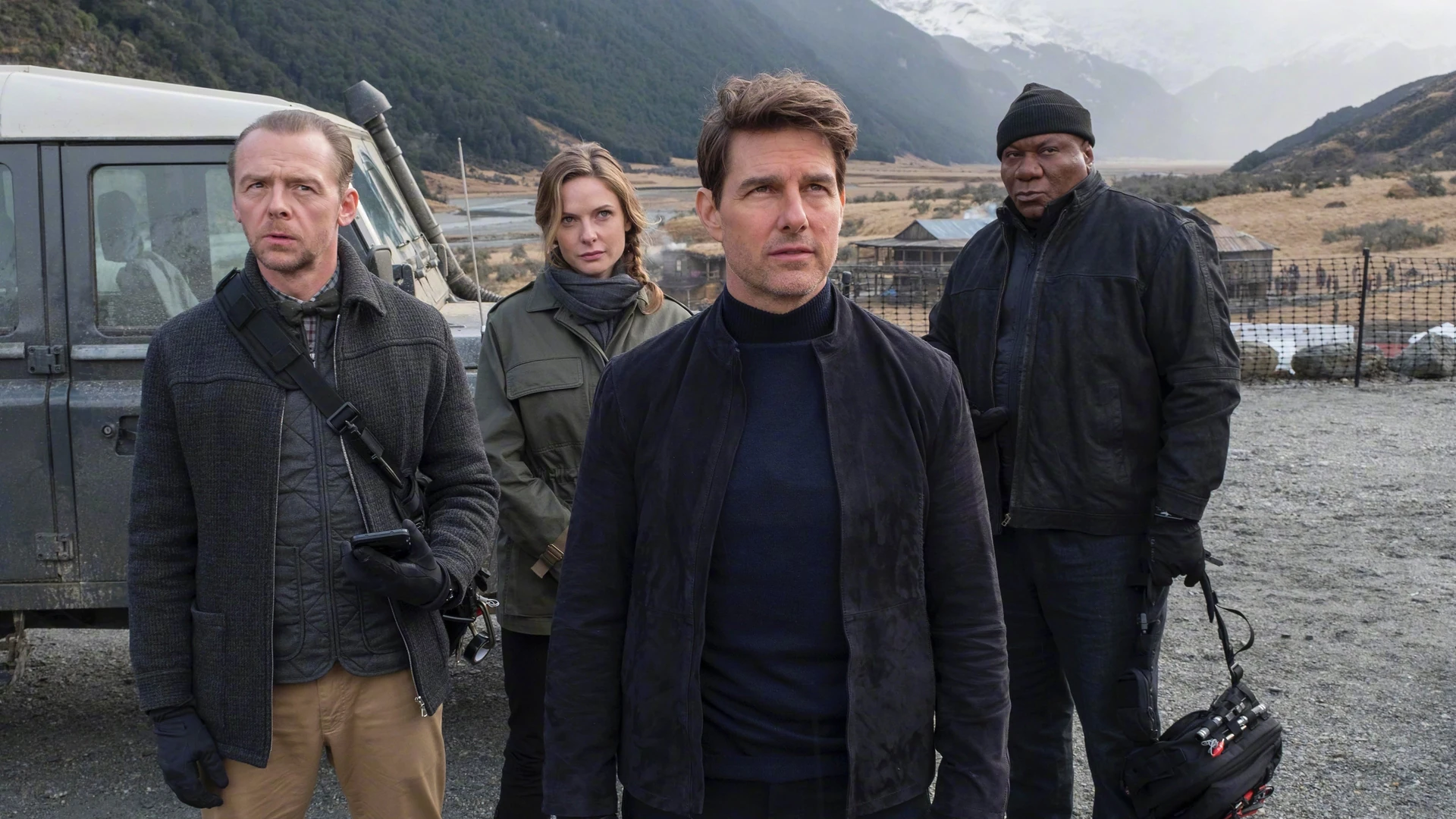
 A moment of intense confrontation, where loyalty and suspicion hang heavy in the air.
The Philosophy of the Practical Stunt
It’s impossible to discuss Fallout without acknowledging its legendary practical stunts. Tom Cruise’s commitment to performing these death-defying feats himself – the HALO jump, the motorcycle chase, the truly insane helichase – isn’t just about spectacle; it’s a profound philosophical statement. In an era saturated with CGI, Cruise’s insistence on the tangible, the real, speaks to a deeper human yearning for authenticity and consequence. When you see Ethan Hunt dangle from a helicopter, you know it’s really Tom Cruise, and that knowledge imbues the scene with an unparalleled sense of vulnerability and genuine stakes.
This reflects the film’s broader philosophical stance: that consequences are real, that choices have physical and emotional weight, and that heroism is earned through tangible effort and risk, not digital trickery. Ethan’s body, battered and bruised throughout the film, becomes a physical manifestation of his moral burden. He literally carries the weight of the world, and we see it in every strained muscle, every exhausted breath. This grounds the high-stakes narrative in a very human, very corporeal existentialism. It’s a refusal to escape into illusion, insisting that the only way to confront profound threats is through genuine, often painful, engagement.
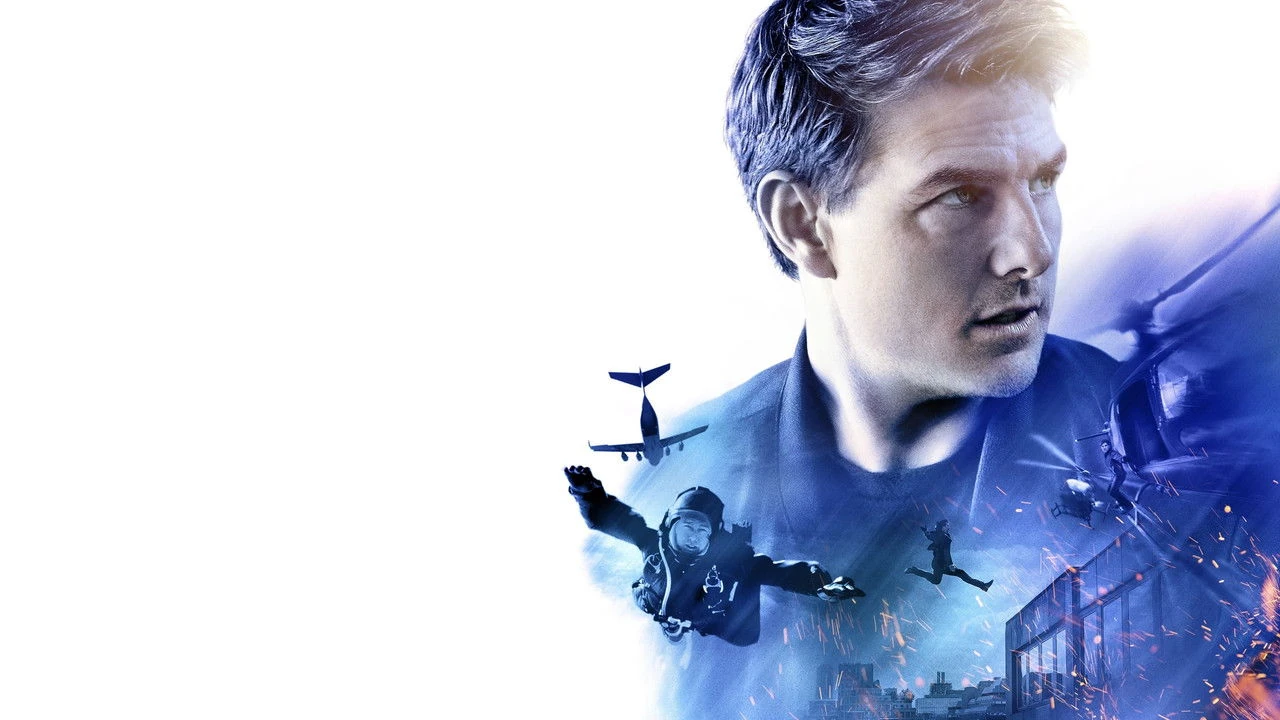
 The sheer physicality of the stunts, a testament to the tangible stakes and unwavering commitment.
“The road to hell is paved with good intentions, but sometimes, the only way to avoid hell is to walk that very road, bearing the unbearable.”
Mission: Impossible - Fallout is, without question, a masterclass in action filmmaking, and its critical acclaim is entirely deserved. But what elevates it beyond mere entertainment is its profound, albeit often unstated, philosophical inquiry. It asks us to consider the relentless burden of a hero, the fragile dance of trust in a world of betrayal, and the very real, often painful, consequences of choosing to do the right thing, again and again. It’s a film that leaves you breathless, yes, but also deeply reflective on the nature of duty and the true cost of an impossible mission.
Where to Watch
- Paramount Plus Premium
- Paramount Plus Essential
- Paramount+ Amazon Channel
- YouTube TV
- Paramount+ Roku Premium Channel
What’s Up? explores the philosophical depths of cinema.