MobLand's Unwritten Saga: Anticipating the Philosophy of Power and Blood
Exploring the inherent philosophical weight of MobLand, a 2025 crime drama, even before its release. What truths will its tale of warring families reveal?
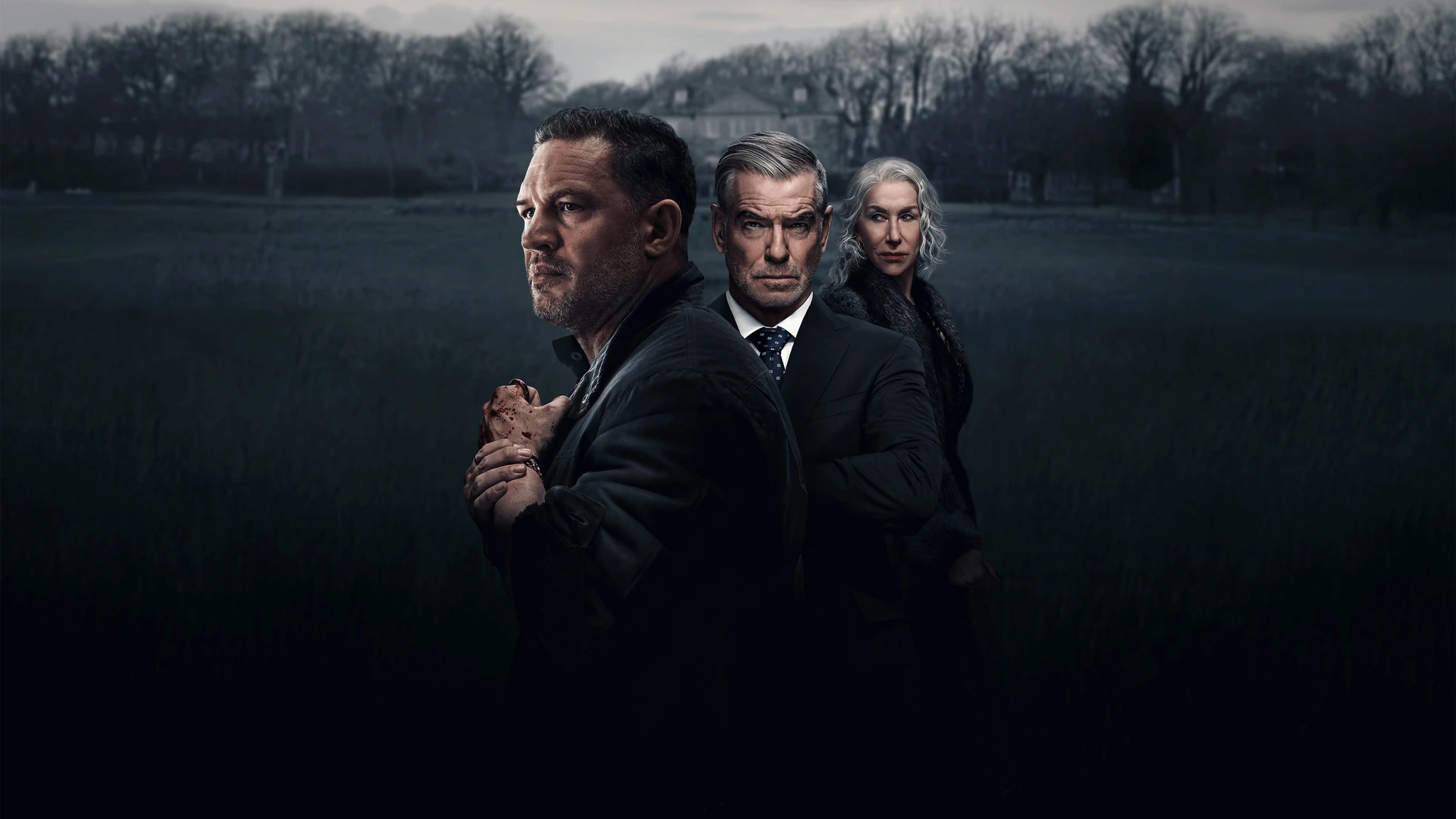
“The true measure of a man is not how he behaves in moments of comfort and convenience, but how he stands at times of controversy and challenge.” — Martin Luther King Jr.
It’s a peculiar position for a critic, isn’t it? To sit here, poised on the precipice of a new cinematic offering, MobLand (2025), a TV series slated for release next year, and attempt to dissect its philosophical bones without the benefit of a single frame watched or a single review penned. Yet, the very idea of MobLand, with its potent genre, high-caliber cast, and sparse but evocative plot summary – “Two mob families clash in a war that threatens to topple empires and lives” – already sparks a rich tapestry of existential questions and moral quandaries. We’re not just looking at a future TV show; we’re contemplating a concept, a narrative archetype that speaks to timeless facets of the human condition. While we can’t discuss audience reception or critical scores (because they don’t exist yet!), we can certainly delve into the potential for both profound insight and familiar pitfalls that a story like this inherently carries.
The Echoes of Empire: Power, Legacy, and the Inevitable Fall
Crime dramas, especially those centered on warring families, are rarely just about the violence. They are often parables of power dynamics, the corrupting influence of ambition, and the cyclical nature of retribution. MobLand promises to plunge us into this familiar but always compelling territory. The very term “empire” in the plot overview suggests a scale beyond mere street-level skirmishes. It hints at organizations built on intricate codes, unspoken allegiances, and the ruthless pursuit of dominance.
What philosophical threads might MobLand pull? We can anticipate an exploration of the tragedy of inheritance – children bound by the sins and structures of their fathers. Is true freedom possible when your identity is forged in the crucible of a criminal legacy? The series has the potential to ask whether these “empires” are truly built to last, or if their very foundations are designed for inevitable self-destruction. The struggle isn’t just external, between two families; it’s internal, within each character grappling with the moral compromises required to survive, let alone thrive, in such a world. Will MobLand fall into the trap of glorifying this violence, or will it deftly expose the profound emptiness at the heart of such power? This is the tightrope any mob drama must walk, and the critical tightrope we’ll be watching it navigate.
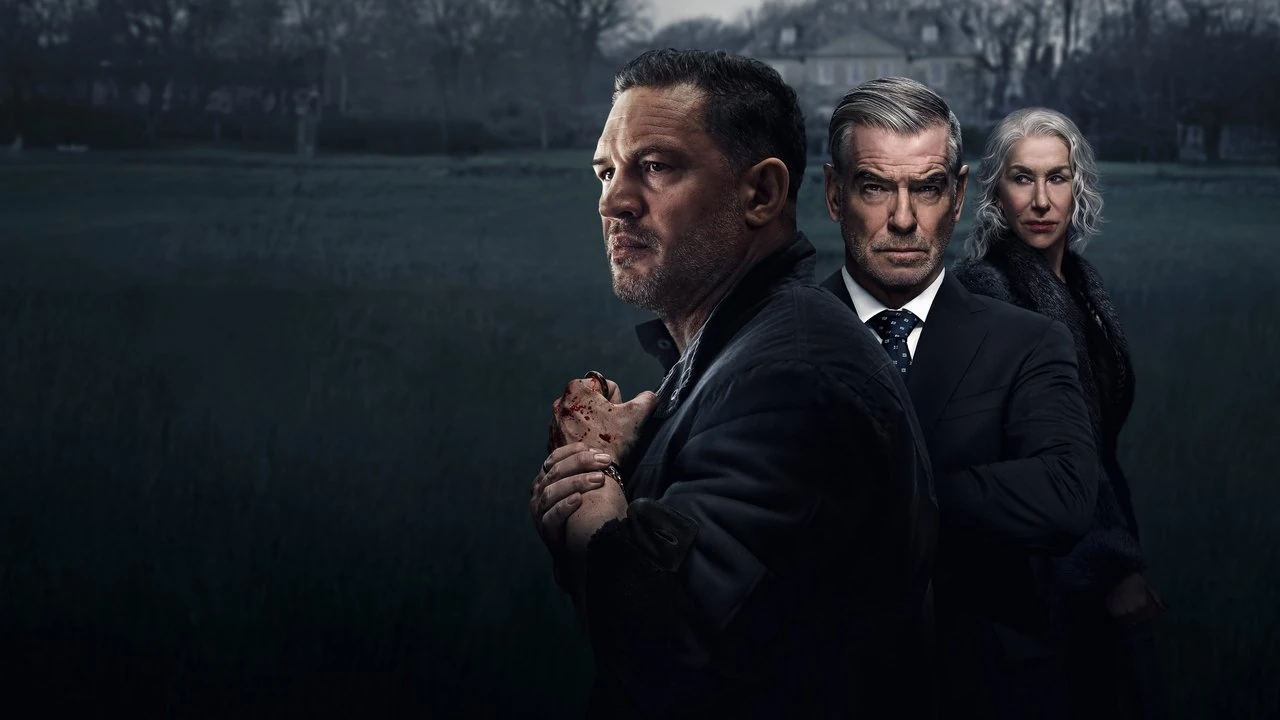 A lone figure stands before a cityscape at dusk, symbolizing the isolated weight of leadership within a sprawling, dangerous domain.
The Theatre of Blood: Performance, Morality, and the Cost of Conflict
The cast list for MobLand is nothing short of stellar: Tom Hardy, Pierce Brosnan, Paddy Considine, Joanne Froggatt, Lara Pulver. This ensemble alone injects an immediate sense of expectation and a potential for nuanced character studies. Each of these actors brings a particular gravitas and intensity to their roles, often excelling at portraying complex, morally grey figures.
The most compelling dramas don’t just depict conflict; they illuminate the internal landscapes of those caught within it, revealing the fragile humanity beneath the hardened exterior.
With Hardy, we expect raw, often volatile power; with Brosnan, perhaps a refined, calculating menace; Considine often embodies a conflicted soul, while Froggatt and Pulver can bring a much-needed complexity to the often-marginalized female roles in this genre. The philosophical question here revolves around authenticity versus performance. How much of these characters’ identities are genuine, and how much is a carefully constructed facade to survive the brutal realities of their “business”? Is there room for genuine love, loyalty, or even conscience when the stakes are literally life and death, and betrayal lurks around every corner? The “clash” won’t just be physical; it will be a psychological and ethical battleground, where the most devastating wounds are often self-inflicted or dealt by those closest to you. The runtime of 50 minutes per episode suggests a pace that could either be tight and impactful or, if not handled carefully, feel rushed, leaving little room for the slow burn of moral decay that often defines the best crime sagas.
 Two hands, one scarred and powerful, the other delicate but determined, reach across a divide, hinting at the complex relationships and inevitable betrayals.
Beyond the Bullet: Existential Threads in a War-Torn World
Beneath the expected gunfights and power plays, MobLand has the opportunity to explore profound existential dilemmas. When one’s entire life is dictated by a cycle of violence and vengeance, where does free will truly reside? Are these characters merely puppets of fate, bound by the choices of previous generations and the unyielding codes of their families? Or do they possess the capacity for genuine self-determination, even if it means tearing down the very “empires” they were born into?
The series could delve into the concept of nihilism – the belief that life is without objective meaning, purpose, or intrinsic value – a philosophy often implicitly embraced by those who live outside conventional morality. Yet, even in the darkest corners of such a world, humanity often clings to something: family, honor (however twisted), or a desperate hope for a different future. This tension between the apparent futility of their existence and the stubborn human drive for meaning could be where MobLand finds its deepest resonance. The collateral damage to innocent lives, the destruction of communities – these aren’t just plot points; they’re the tangible costs of a philosophy built on might, not right.
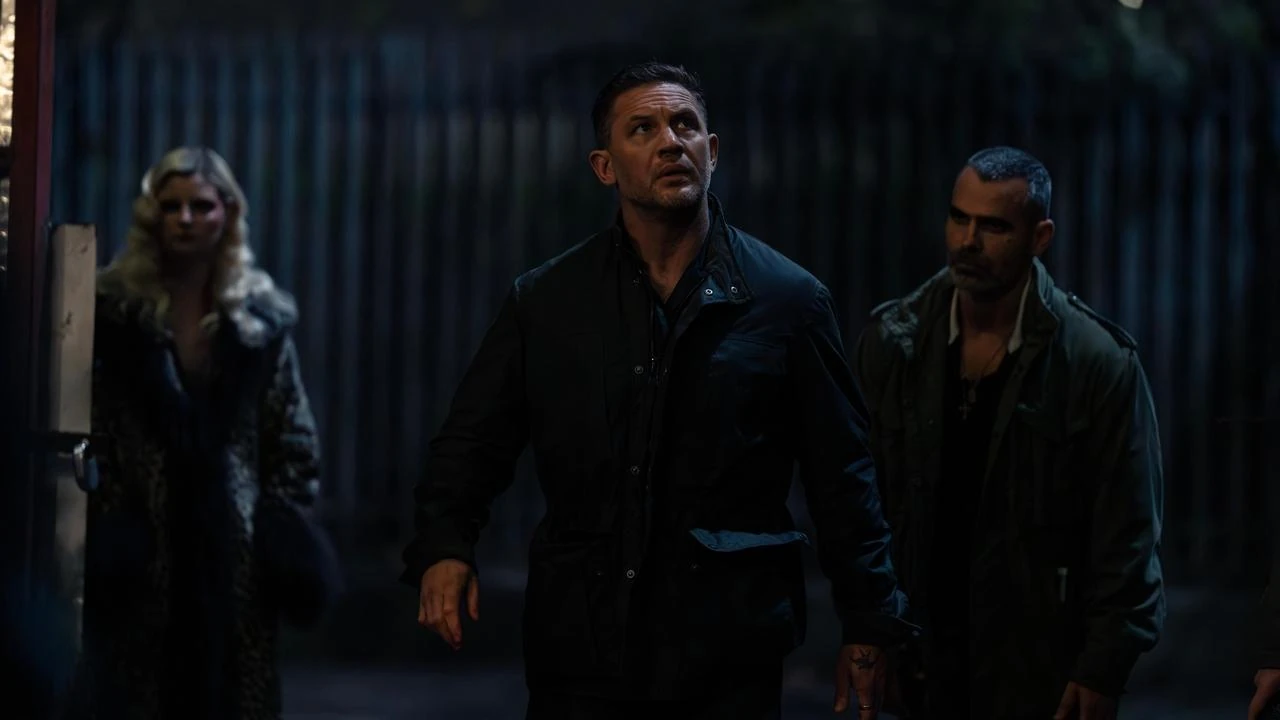 A solitary figure stands at a crossroads, the path ahead shrouded in fog, symbolizing the difficult moral choices and uncertain future faced by those in the ‘MobLand’.
“The evil that men do lives after them; The good is oft interred with their bones.” — William Shakespeare, Julius Caesar
As we await the debut of MobLand in 2025, we’re left to ponder its potential. Will it be a derivative retread of familiar tropes, or will it leverage its incredible cast and potent premise to deliver a fresh, philosophical examination of crime, family, and the human soul? The series holds the promise of being an intense, character-driven drama, but it also faces the challenge of carving out its own identity in a crowded genre. Even without the benefit of critical consensus, the very anticipation of MobLand compels us to reflect on the enduring allure of these dark narratives, and what they continue to reveal about our own fascination with power, loyalty, and the devastating cost of human ambition. What truths, both brutal and profound, will this unwritten saga ultimately unveil about the nature of the empires we build and the lives we sacrifice to maintain them?
Where to Watch
- fuboTV
- Paramount Plus Premium
- Paramount Plus Essential
- Paramount Plus Apple TV Channel
- Paramount+ Amazon Channel
What’s Up? explores the philosophical depths of cinema.