Monarch's Echoes: Inheriting the Unseen in a World of Titans
Monarch: Legacy of Monsters grapples with inherited trauma and the human struggle for meaning against the backdrop of colossal, unknowable forces, despite its narrative stumbles.
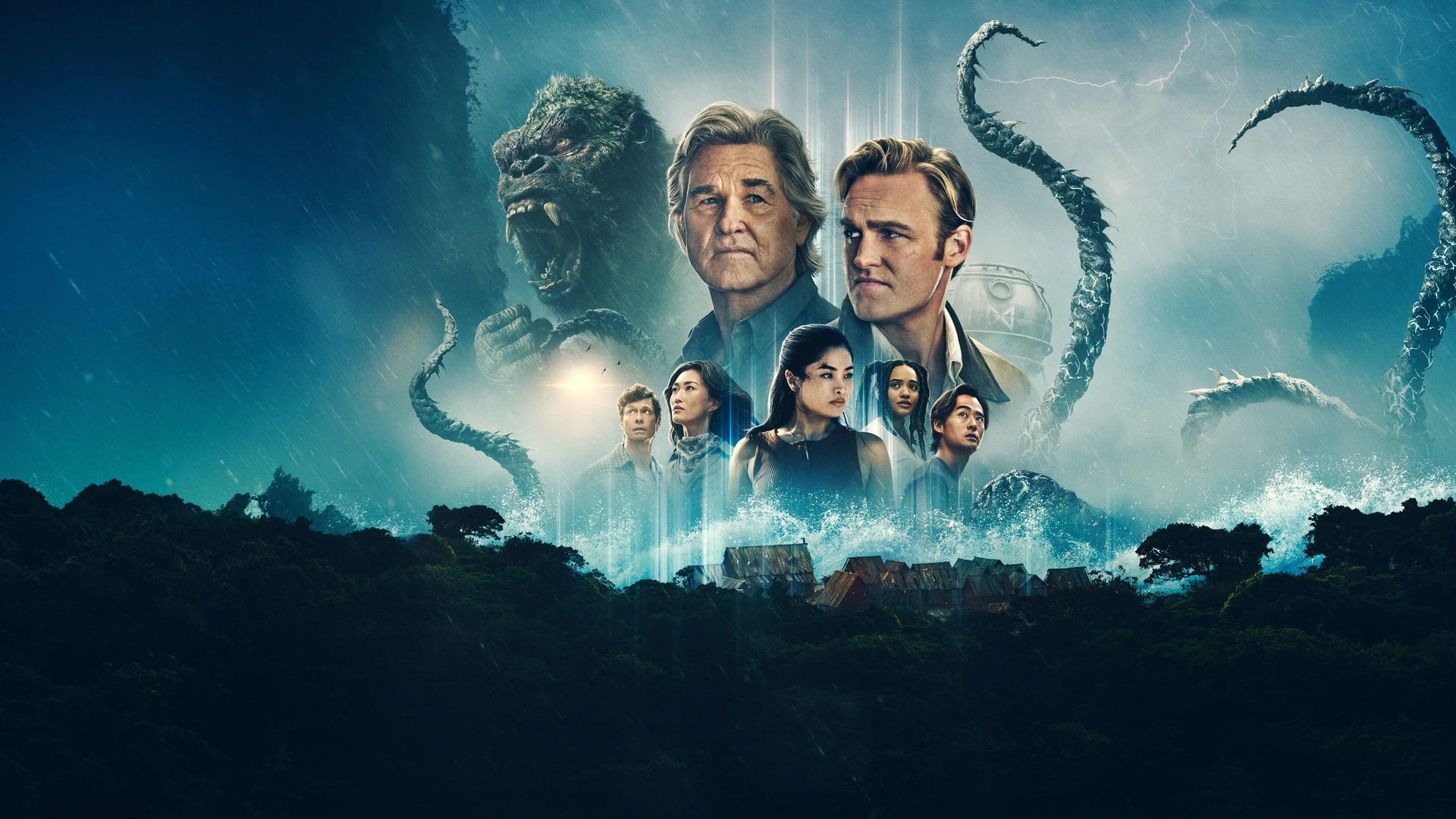
“The true legacy of any generation is not what they leave behind, but the questions they force the next to answer.” — Adapted from a philosophical observation
Monarch: Legacy of Monsters arrived on Apple TV+ with a weighty premise: expanding the MonsterVerse lore, bridging the gaps between films, and giving us a ground-level view of a world irrevocably changed by the emergence of Titans. It’s a show that promises both colossal spectacle and intimate human drama, and in many ways, it delivers. Yet, as with any ambitious undertaking, its reception has been a fascinating tapestry of praise and pointed criticism. While Rotten Tomatoes critics largely embraced its ambition, giving it a solid 89% fresh rating, many audience reviews on IMDb and other platforms echoed a common sentiment: the human stories, while central, often felt like a detour from the true stars – the monsters themselves. This creative tension between the epic and the personal, the seen and the unseen, is precisely where the series, despite its narrative stumbles, truly shines as a philosophical text.
The Weight of Inheritance and Hidden Truths
At its core, Monarch: Legacy of Monsters is a profound meditation on inheritance – not just genetic, but ideological and traumatic. The series masterfully weaves together two timelines: the 1950s origin story of Monarch through the eyes of Lee Shaw, Keiko Randa, and Billy Randa, and the post-G-Day present with Cate Randa, Kentaro Randa, and May. Both narratives are driven by the pursuit of a shrouded family legacy, connected to the mysterious organization Monarch and, by extension, the Titans themselves.
Critics and audiences alike largely lauded the 1950s storyline, particularly the dynamic performances of Wyatt Russell and Kurt Russell as the younger and older Lee Shaw. This historical thread felt vital, building out the MonsterVerse’s mythology with a palpable sense of discovery and dread. However, the present-day storyline, which centers on Cate’s discovery of her father’s secret life and a half-brother she never knew, often drew the ire of viewers. Many found the contemporary characters less compelling and their personal drama a distraction from the larger monster narrative.
This critique, while valid in terms of pacing and character engagement, inadvertently highlights the show’s philosophical intent. The everyday struggles of Cate and Kentaro, their sibling rivalry, their search for a father figure, and May’s enigmatic past, are intentionally juxtaposed against the cosmic horror of the Titans. It asks: How do we process profound, world-altering truths when our personal worlds are already fractured by more mundane secrets? The Titans are the macro legacy, but the family secrets are the micro legacy, equally capable of shaping lives and driving desperate quests. The show suggests that the grand existential questions are always filtered through the lens of our deeply personal, often messy, human experiences.
- Legacy of Secrecy: Monarch’s genesis is built on withholding truth from the public. What are the ethical implications of this long-term suppression?
- Familial Echoes: How do the choices and secrets of previous generations ripple through time, dictating the paths of their descendants?
- The Burden of Knowledge: What does it mean to carry knowledge that could shatter the world, or at least your family’s perception of it?
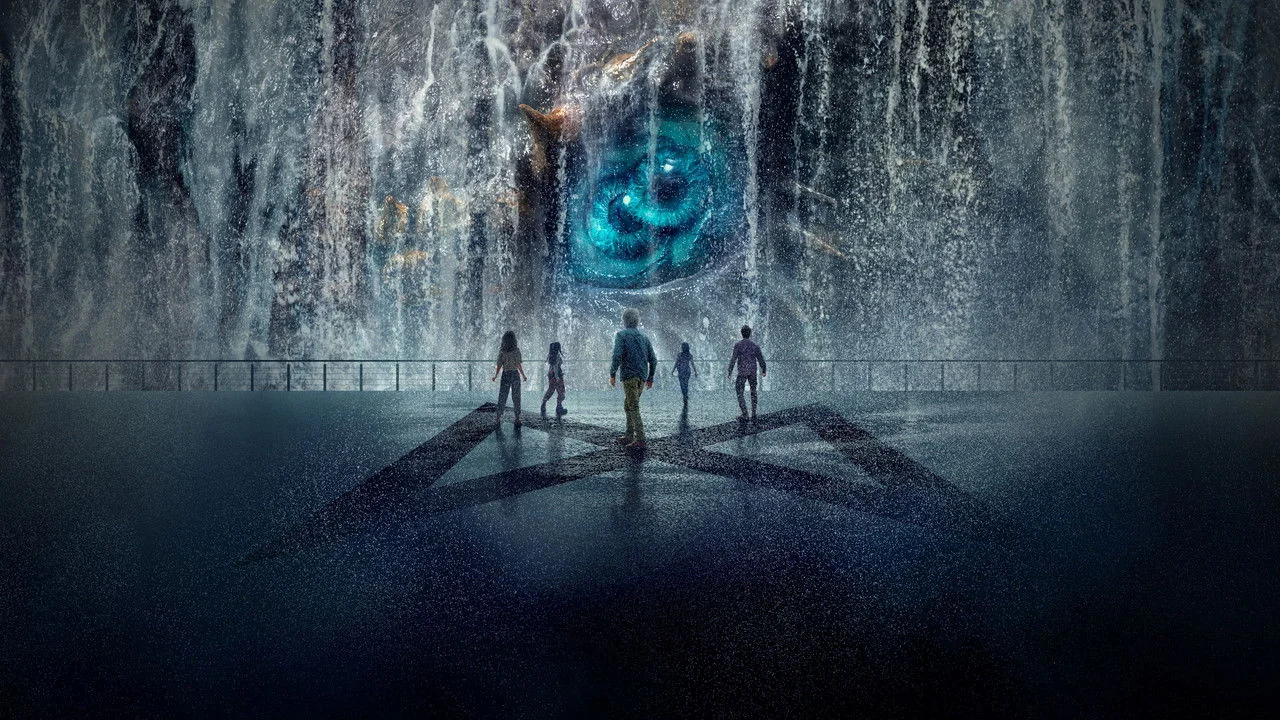 A lone figure stands dwarfed by an ancient, weathered structure, hinting at histories far grander than human memory.
The Unseen Spectacle and Human Vulnerability
One of the most frequent criticisms leveled against Monarch: Legacy of Monsters was the perceived lack of monster action, particularly in the middle episodes. Viewers, understandably, came for Titans, and while the show delivered some truly breathtaking sequences (the ice Titan in Alaska, the Crab-like creature in the Philippines, and of course, Godzilla’s appearances), these moments were often spaced out. This led to complaints about “too much human drama” and “not enough monsters.”
The series forces us to confront the fact that even in a world populated by giants, the most terrifying monsters might still be the secrets we keep from each other, or the fear that paralyzes us in the face of the unknown.
But perhaps this scarcity is, in itself, a philosophical statement. The show, particularly in its present-day arc, explores the psychological impact of living in a post-G-Day world. It’s not just about seeing the monsters; it’s about the threat of them, the constant awareness of humanity’s utter vulnerability. This creates a pervasive sense of existential dread, a world where the natural order has been irrevocably disrupted. The monsters are often unseen, lurking beneath the surface, much like the trauma that continues to haunt Cate and the rest of San Francisco.
The series explores human resilience and adaptation in the face of such overwhelming power. How do people rebuild their lives, their cities, their psyches, when they know that at any moment, the ground could shake and a creature of unimaginable power could emerge? The show doesn’t just show us the monsters; it shows us the shadow they cast, both literal and metaphorical, over human existence. This makes the human stories, despite their narrative imperfections, vital to understanding the full scope of the MonsterVerse’s impact. It’s not just about how we fight them, but how we live with them.
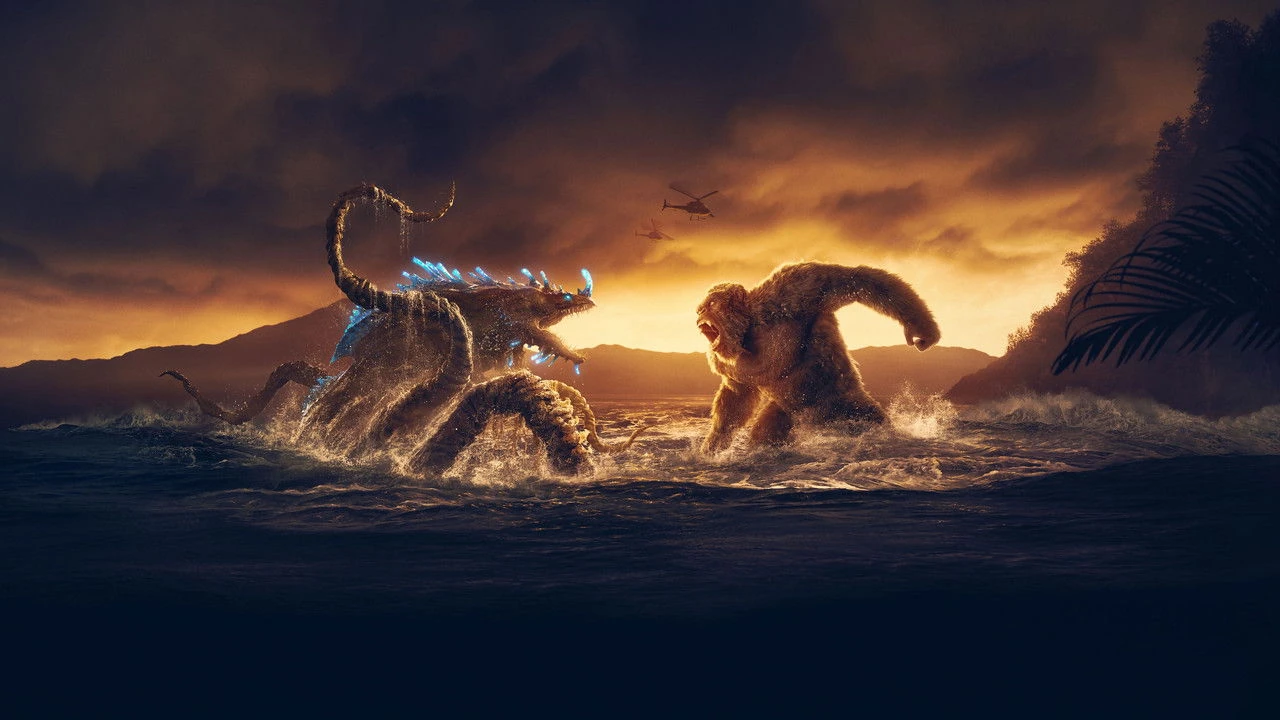 A city skyline shrouded in an unusual haze, suggesting the lingering aftermath of a colossal event and the ever-present threat.
The Metaphysics of the Unknowable
Monarch: Legacy of Monsters delves into the metaphysical question of humanity’s place in a truly alien cosmos, even if that cosmos is our own Earth. The Titans are not just large animals; they are forces of nature, almost primordial deities, whose existence challenges our anthropocentric view of the world. The early Monarch scientists, Keiko and Billy, are driven by a hunger for understanding, to categorize and comprehend these colossal beings. But as the series progresses, it becomes clear that true comprehension might be beyond human capacity.
The show grapples with the concept of the sublime – an experience of beauty and terror so immense it overwhelms the human mind. The Titans are sublime in their destructive power and their awe-inspiring majesty. Their existence forces humanity to confront its own finitude, its place as but one species in a vast, complex ecosystem where ancient, god-like beings hold sway. This shifts the philosophical landscape from one of human dominance to one of radical humility.
What we learn about the Hollow Earth, the ancient history of the Titans, and their role in balancing the planet’s energies, points to a universe far more intricate and mysterious than we could ever imagine. The philosophical weight isn’t just in the ‘what if’ of monsters, but in the ‘what does it mean’ for our understanding of reality, our sciences, and our very purpose. The series, despite some viewers finding its plot convoluted, consistently asks us to look beyond the surface, to question what we think we know about our world and our past.
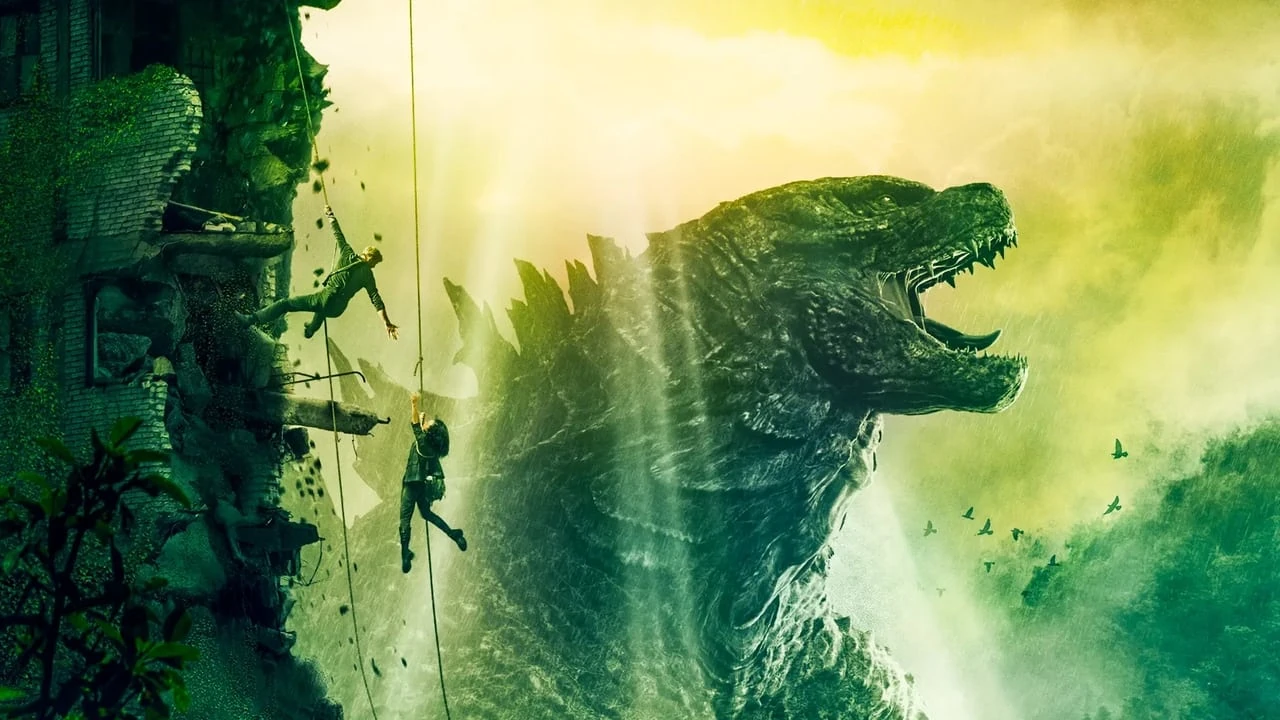 A colossal footprint etched into the earth, a silent testament to an overwhelming force that passed through, leaving an indelible mark.
The series, in its very structure, acknowledges a fundamental human truth: we are often more engrossed by our own small, intricate dramas even as immense, world-shattering forces loom just beyond our perception. This is the enduring paradox of our existence – caught between the microcosm of self and the macrocosm of the unknown.
Monarch: Legacy of Monsters might not have satisfied every fan’s hunger for constant monster brawls, and its narrative pacing certainly drew its share of criticism. However, to dismiss it solely on these grounds would be to miss its deeper philosophical currents. It’s a show that uses the colossal canvas of the MonsterVerse to explore themes of inherited trauma, the ethics of secrecy, and humanity’s humbling place in a world suddenly revealed to be far grander and more terrifying than we ever conceived. It asks us to consider not just how we survive in the shadow of giants, but how we process and integrate such overwhelming truths into our fragile human narratives.
Where to Watch
- Amazon Prime Video
- Apple TV
- Amazon Prime Video with Ads
- Apple TV Amazon Channel
What’s Up? explores the philosophical depths of cinema.