The Primal Scream: Monkey Man's Mythology of Vengeance
Delve into Dev Patel's Monkey Man, an action-thriller that blends visceral combat with profound explorations of justice, identity, and the weight of retribution.
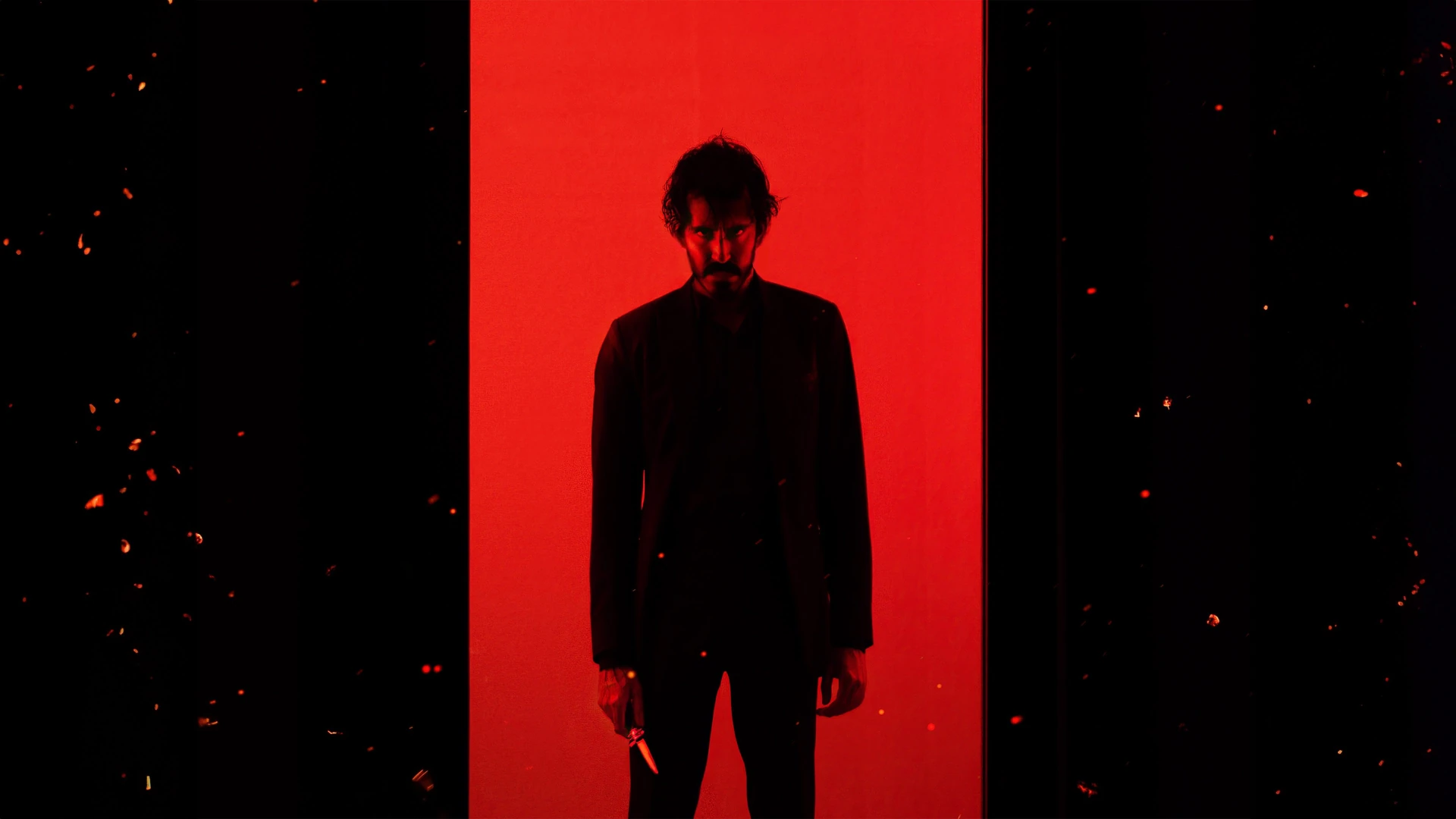
“The wound is the place where the Light enters you.” — Rumi
Dev Patel’s directorial debut, Monkey Man (2024), crashed onto screens with the force of a thousand fists, a raw, kinetic explosion of rage and retribution that immediately grabbed the attention of critics and audiences alike. It’s a film that doesn’t just ask to be seen; it demands to be felt, a visceral experience that, despite some acknowledged rough edges, punches far above its weight. While many praised its relentless action and stylish direction—Rotten Tomatoes sits comfortably in the high 80s, and audience scores are similarly enthusiastic—some pointed to its occasionally frantic editing and a plot that, at times, leans into familiar revenge thriller tropes. Yet, even with these minor quibbles, Monkey Man isn’t just another action flick; it’s a primal scream wrapped in myth, a philosophical inquiry into the nature of justice, the weight of trauma, and the enduring power of ancient stories in a brutally modern world.
The Myth of the Monkey God: Identity and Retribution
At its core, Monkey Man grapples with the concept of identity—not just who we are, but who we become when stripped of everything. Our protagonist, Kid (played with raw, almost terrifying intensity by Patel himself), lives an anonymous, brutal existence. By night, he dons a gorilla mask in an underground fight club, allowing himself to be beaten for cash, a self-flagellation fueled by a deep, suppressed rage. This mask isn’t just a disguise; it’s a symbol of his current state: an animalistic survival, a denial of his true self, and a harbinger of the primal force he is destined to unleash.
The film deftly weaves in the Hindu mythology of Hanuman, the monkey deity known for his immense strength, unwavering loyalty, and selfless devotion. Kid’s journey is framed as a modern retelling, a descent into the underworld to reclaim what was lost, much like Hanuman’s quest to find Sita. This mythological overlay elevates the narrative beyond simple revenge. It transforms Kid’s personal quest into something archetypal, hinting at a universal human longing for justice and the sacred duty to fight against oppression. Critics noted the film’s ambition in blending this spiritual bedrock with its gritty, street-level violence, a fusion that, while occasionally feeling a little overt, undeniably gives the film its unique flavor and philosophical weight.
- The Mask as Metaphor: Kid’s gorilla mask initially hides his pain, but eventually symbolizes his transformation into a force of vengeance, drawing power from the very animalism he’s forced to embody.
- Hanuman’s Shadow: The film suggests that true power isn’t just physical might, but a spiritual awakening, a connection to a higher purpose—even if that purpose is fueled by the darkest of human emotions.
- Lost Innocence: Kid’s childhood trauma, vividly depicted, explains the depth of his rage, framing his retribution not just as an act of violence, but as a desperate attempt to reclaim a stolen past.
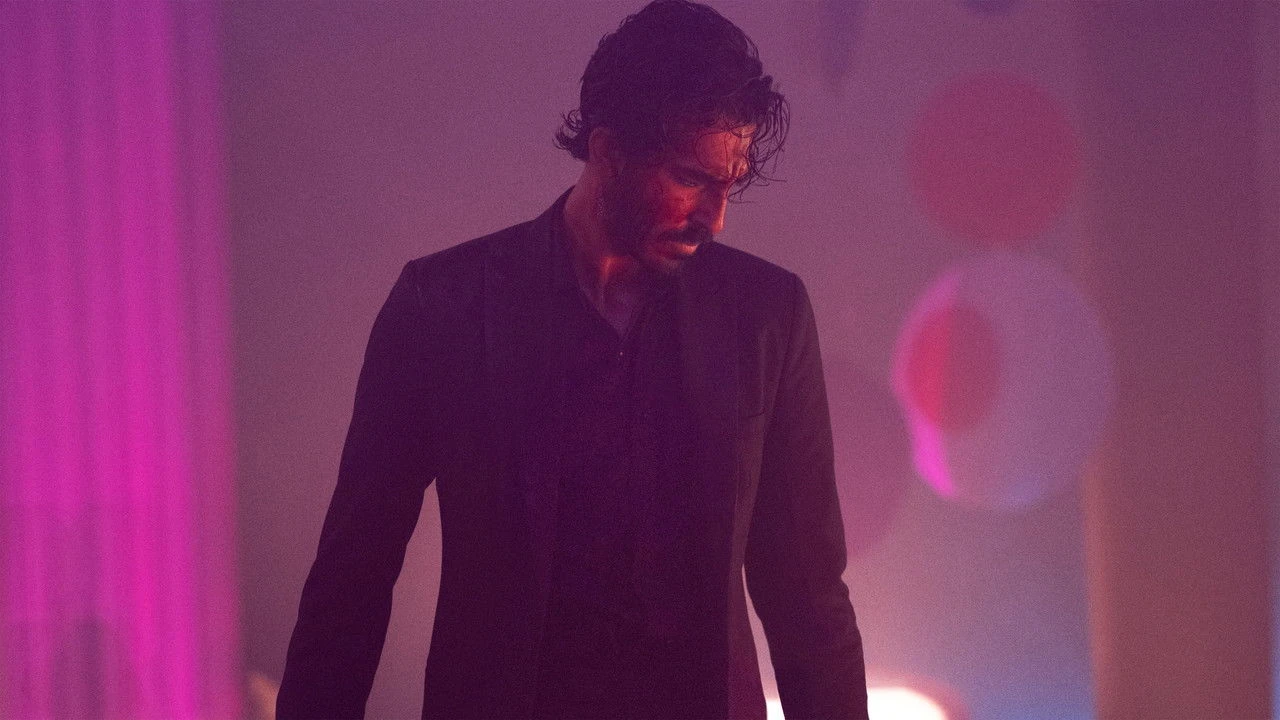 Kid, masked and battered, embodying the raw, animalistic energy of his vengeance.
The Human Cost of Vengeance: What Works and What Doesn’t
Where Monkey Man truly shines is in its unflinching portrayal of the cost of its protagonist’s journey. This isn’t a slick, consequence-free bloodbath; every punch, every stab, every broken bone feels earned and painful. Patel, as both director and star, throws himself into the role with an almost masochistic dedication, displaying a physical vulnerability that grounds the fantastical elements of the action. Many reviews highlighted the film’s visceral action sequences, often preferring its more grounded, brutal hand-to-hand combat over overly choreographed set pieces.
However, some critics and audience members also pointed to the film’s uneven pacing and frenetic editing, particularly in its earlier acts. While this style contributes to the chaotic energy and sense of disorientation Kid experiences, it occasionally makes the action harder to follow or pulls viewers out of the narrative. The plot, while emotionally potent, can feel a little thin in places, relying on archetypes common to the revenge genre: the corrupt elite, the innocent victims, the lone wolf seeking justice. Yet, even these narrative conveniencies serve a purpose, allowing the film to focus on its broader philosophical critique of systemic injustice.
The true weight of choice isn’t just about what we achieve, but what we sacrifice of ourselves along the way, becoming both hunter and hunted in the process.
What works undeniably well is the film’s biting social commentary. Monkey Man isn’t subtle about its critique of India’s ruling class, religious charlatans, and corrupt police. It paints a stark picture of a society where the powerful exploit the weak, where spiritual leaders are tools of oppression, and where justice is a commodity. This elevates the film beyond a simple revenge story, transforming it into a cry for the marginalized, a cinematic voice for the voiceless. The philosophical question it poses is whether true liberation can ever come from within the very system that oppresses, or if it must be born from an external, often violent, uprising.
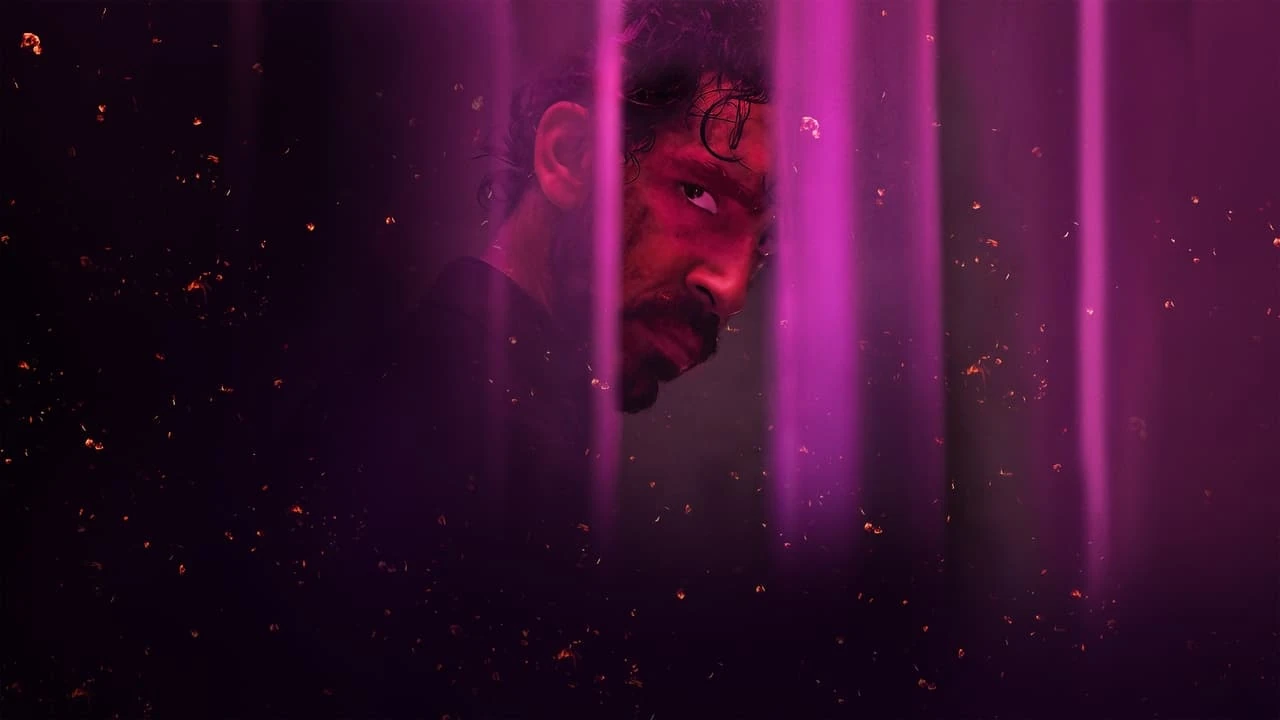 The stark contrast between the opulent world of the elite and the gritty reality of the oppressed.
Beyond the Surface: A Mirror to Modern Maladies
Despite its acknowledged flaws—the occasional stylistic overreach, the familiar narrative beats—Monkey Man forces us to confront uncomfortable questions about our own world. It’s a film steeped in a specific cultural context, yet its themes resonate universally. It delves into the existential burden of trauma, exploring how past wounds can dictate future actions, trapping individuals in cycles of violence. Can Kid ever truly heal, or is he forever defined by the vengeance he seeks? The film doesn’t offer easy answers, presenting retribution as a double-edged sword that both liberates and consumes.
The depiction of systemic corruption and class warfare is particularly potent. Monkey Man acts as a dark mirror, reflecting the power imbalances, exploitation, and moral decay that plague societies globally. It asks us to consider the point at which patience breaks, when the oppressed are pushed to their absolute limits, and what form their inevitable rebellion might take. Is violence ever a legitimate tool for justice, or does it merely perpetuate the very cycles it seeks to break? The film’s philosophical stance seems to lean towards a grim acceptance that sometimes, the only way to dismantle a brutal system is with brutality of one’s own, even if it leaves lasting scars on the soul.
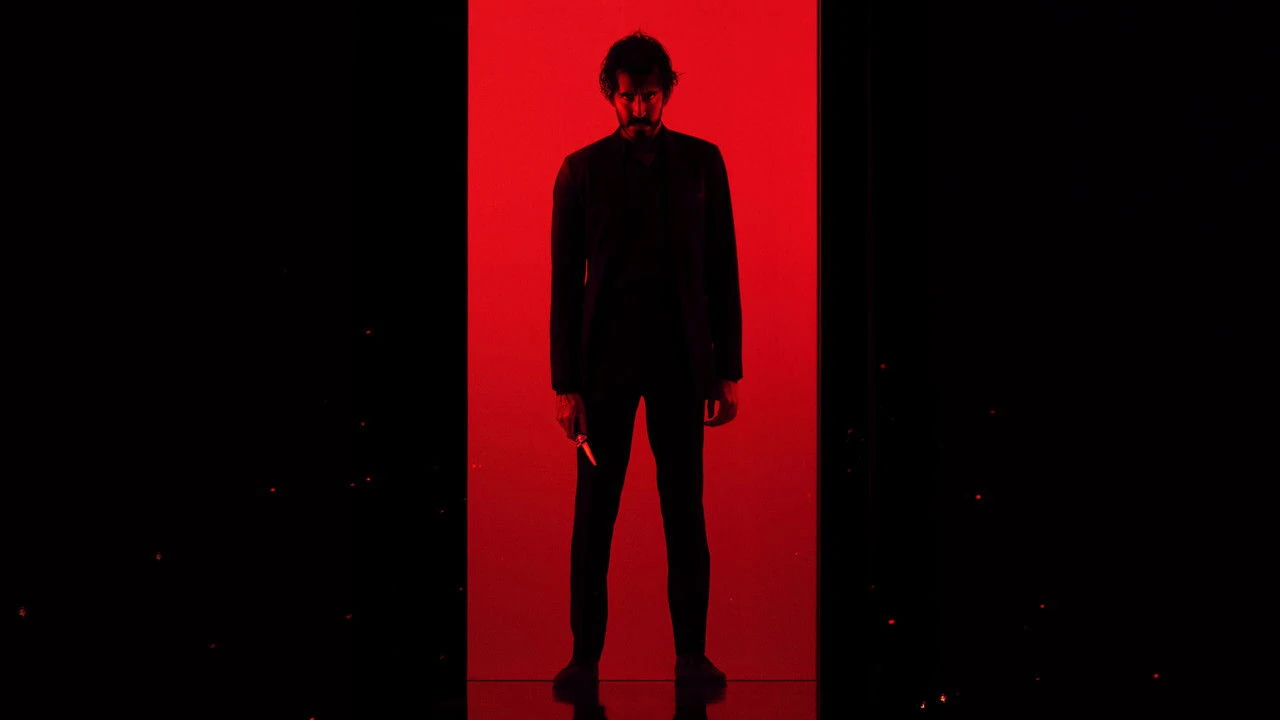 Kid, scarred but resolute, embodying the transformative power of his journey for vengeance.
The path of retribution is often paved with good intentions, but its destination is rarely peace, leaving instead a lingering echo of the very violence it sought to erase.
Monkey Man isn’t a perfect film, and its narrative ambition occasionally outstrips its execution, leading to moments where its message feels less nuanced than intended. But its imperfections are part of its charm, its raw, unpolished energy feeling more authentic than many highly polished studio productions. It’s a film born of passion, a testament to Dev Patel’s vision, and a powerful, albeit flawed, exploration of rage, justice, and the enduring myths that shape our understanding of both. What does it truly mean to become a weapon against injustice, and at what personal cost do we finally settle the score?
What’s Up? explores the philosophical depths of cinema.