Fractured Selves and Divine Fists: Moon Knight's Existential Marvel
Moon Knight grapples with identity, trauma, and divine intervention, offering a complex, if at times uneven, exploration of the fragmented self.
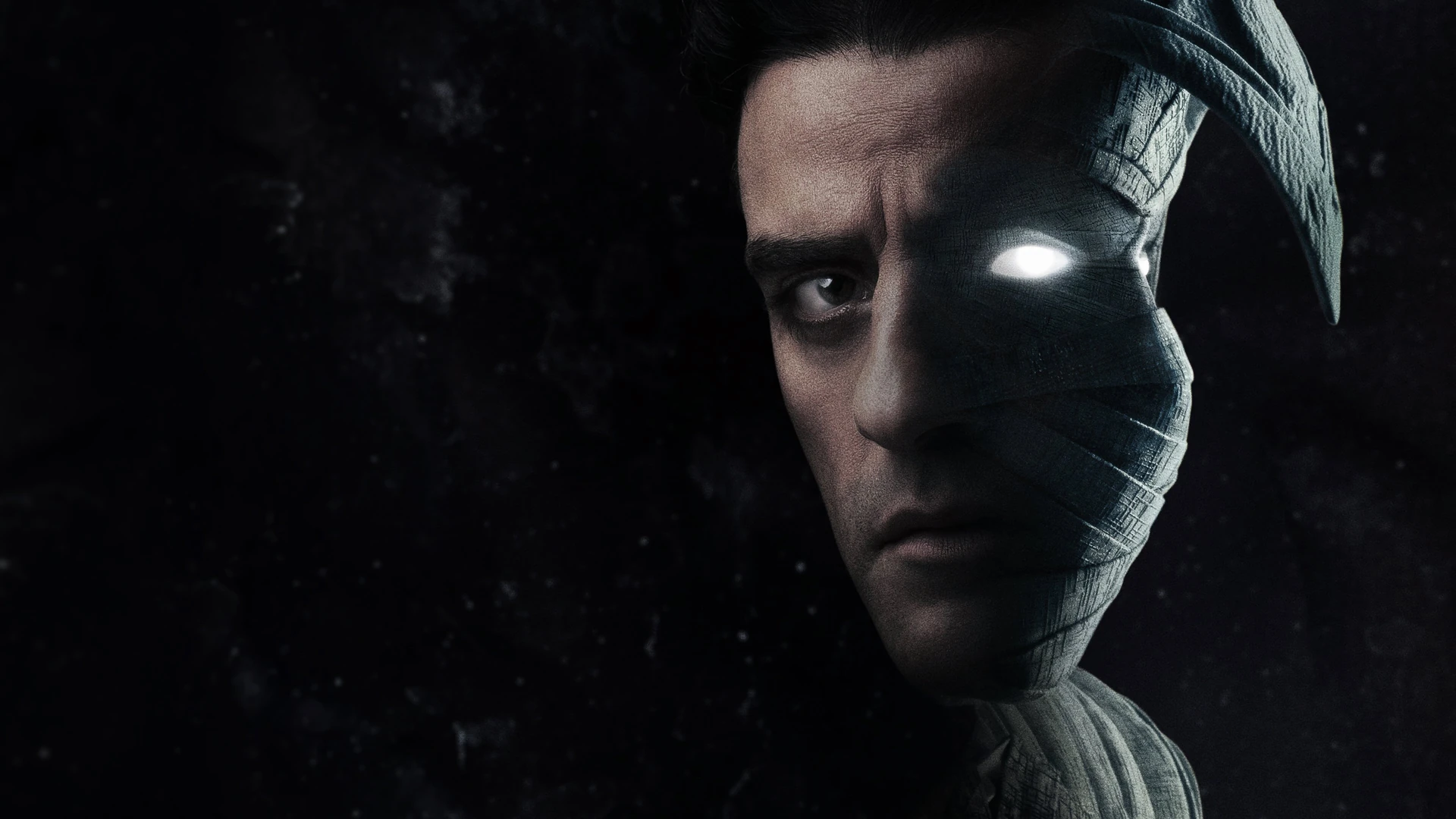
“We are all of us, in some way, strangers to ourselves.” — Søren Kierkegaard
When Moon Knight premiered in 2022, it landed with a thud of both anticipation and, ultimately, a fair bit of critical ambivalence. For a Marvel series, it felt genuinely different—darker, more psychologically driven, and less overtly connected to the wider MCU machine. This was a bold move, promising a deep dive into mental health and ancient mysticism. And while it delivered some absolutely mesmerizing performances, particularly from Oscar Isaac, and sparked fascinating conversations, the consensus, reflected in its 67% on Rotten Tomatoes and 62 on Metacritic, was decidedly mixed. Critics often lauded its ambition and Isaac’s transformative turn but frequently pointed to an uneven pace, a sometimes convoluted plot, and a finale that felt rushed and incomplete. Yet, for all its narrative stumbles, Moon Knight dares to ask profound questions about the nature of self, trauma, and the very fabric of reality, making it a surprisingly rich text for philosophical dissection.
The Labyrinth of Self: Identity in Fragments
At its heart, Moon Knight is a masterclass in the philosophy of self. We meet Steven Grant, a mild-mannered gift-shop employee, whose life is punctuated by bewildering blackouts. He soon discovers he has Dissociative Identity Disorder (DID) and shares his body with Marc Spector, a hardened mercenary, both serving as avatars for the Egyptian moon god, Khonshu. Oscar Isaac’s portrayal of Steven, Marc, and eventually Jake Lockley, is nothing short of phenomenal. He imbues each identity with such distinct physicality, voice, and emotional resonance that it’s easy to forget it’s the same actor. This isn’t just a performance; it’s a profound cinematic exploration of what it means to be a “self” when that self is fragmented.
The series forces us to confront questions like:
- What constitutes a unified identity? Is it memory, consciousness, personality?
- If one identity is unaware of the others, are they truly the same person?
- How does trauma (Marc’s painful past) literally shatter and reshape an individual’s sense of who they are?
While some critics raised valid concerns about the show’s simplified depiction of DID, others praised its efforts to bring this complex condition to a mainstream audience, framing it not just as a disorder, but as a unique, albeit challenging, way of experiencing the world. The internal struggles between Steven and Marc, their literal and metaphorical battles for control, become a visceral representation of internal conflict that many viewers, regardless of their own mental health, could relate to on an existential level.
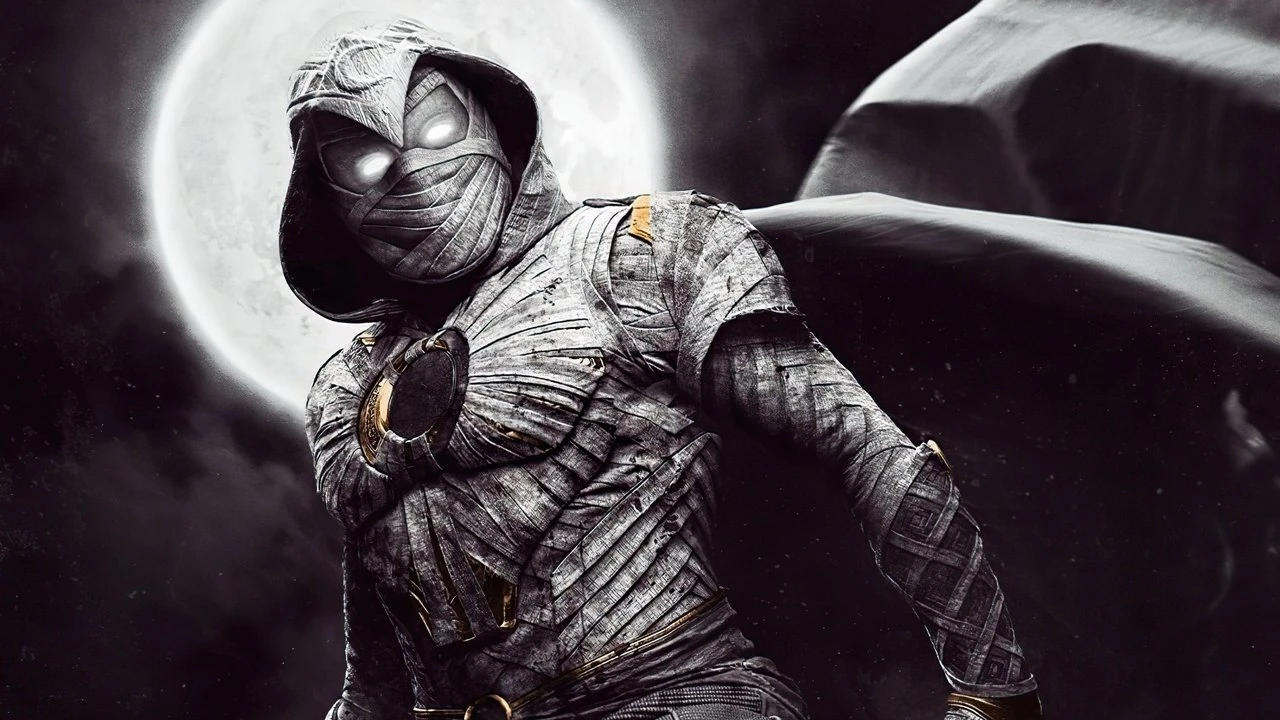 Oscar Isaac masterfully portraying Steven Grant, embodying the initial confusion and vulnerability of a fractured mind.
Gods, Morality, and Narrative Stumbles
Beyond the psychological drama, Moon Knight delves headfirst into divine intervention and ancient mythology. Marc and Steven are caught between the warring Egyptian gods Khonshu and Ammit, represented by Ethan Hawke’s chillingly calm Arthur Harrow. This introduces a fascinating ethical dilemma: are they truly free agents, or merely puppets of cosmic forces? The show grapples with concepts of justice, judgment, and the problem of evil. Harrow believes in pre-emptive judgment, punishing people for sins they might commit, a utilitarian nightmare that challenges the very foundations of free will and individual responsibility.
Here, however, is where the series, despite its lofty ambitions, often stumbled for many critics and viewers. The intricate mythology, while visually stunning and culturally rich, could feel underdeveloped or rushed. The pacing often felt uneven, particularly in the middle episodes, leading to a sense of narrative confusion for some. As many reviews noted, the show struggled to balance its more grounded, character-driven psychological thriller elements with its big, bombastic, CGI-heavy superhero moments. The shift in tone could be jarring, leaving some audience members feeling detached from the very narrative it was trying to build.
The struggle to reconcile internal chaos with external purpose often results in an imperfect, yet compelling, journey.
The exploration of divine power and human agency felt less cohesive than the character work. Questions about Khonshu’s true morality, or Ammit’s motivations, sometimes got lost in the spectacle, leaving the philosophical implications somewhat blurred by plot necessities. It’s a classic case of a show reaching for the stars thematically but occasionally losing its footing in the execution.
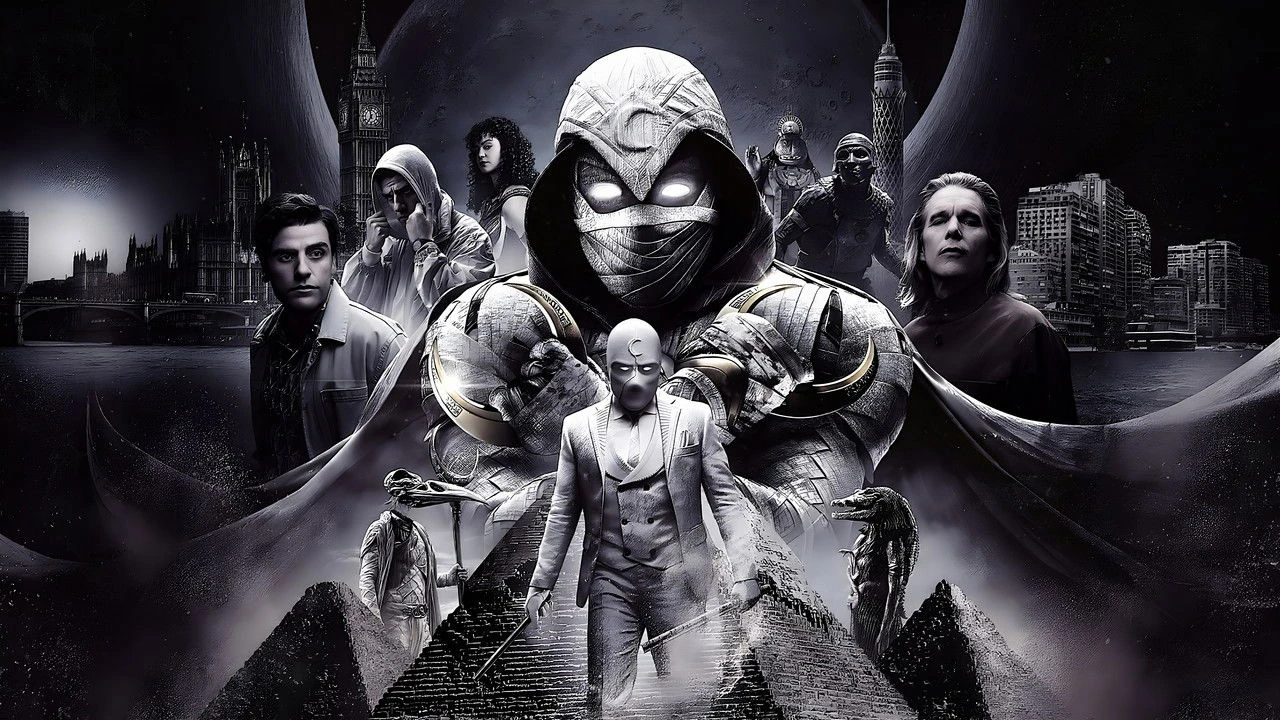 The imposing figure of Khonshu, a physical manifestation of divine power and the enigmatic force behind Moon Knight’s existence.
Redemption, Acceptance, and the Unseen
Despite its acknowledged flaws, Moon Knight’s enduring philosophical value lies in its unflinching look at healing and self-acceptance. The ultimate journey of Steven and Marc isn’t just about defeating a god; it’s about coming to terms with each other, with their shared trauma, and with the parts of themselves they’d rather ignore. The series posits that true strength doesn’t come from suppressing or eradicating difficult aspects of ourselves, but from integrating them. This idea of wholeness through acceptance is a powerful one, echoing therapeutic and spiritual philosophies that emphasize embracing all facets of one’s being.
The ending, while polarizing for some who felt it didn’t fully resolve all plot threads, undeniably leaves us with a sense of the ongoing, internal work required for self-integration. The very ambiguity regarding Jake Lockley’s presence—the third, more violent persona—raises questions about whether true peace is ever fully achieved, or if it’s a continuous process of negotiation within the self. It asks us to consider the unseen forces, both literal (gods) and metaphorical (subconscious trauma), that shape our lives. Moon Knight challenges us to look within, beyond the surface-level persona, and recognize the complex, sometimes contradictory, selves that reside there.
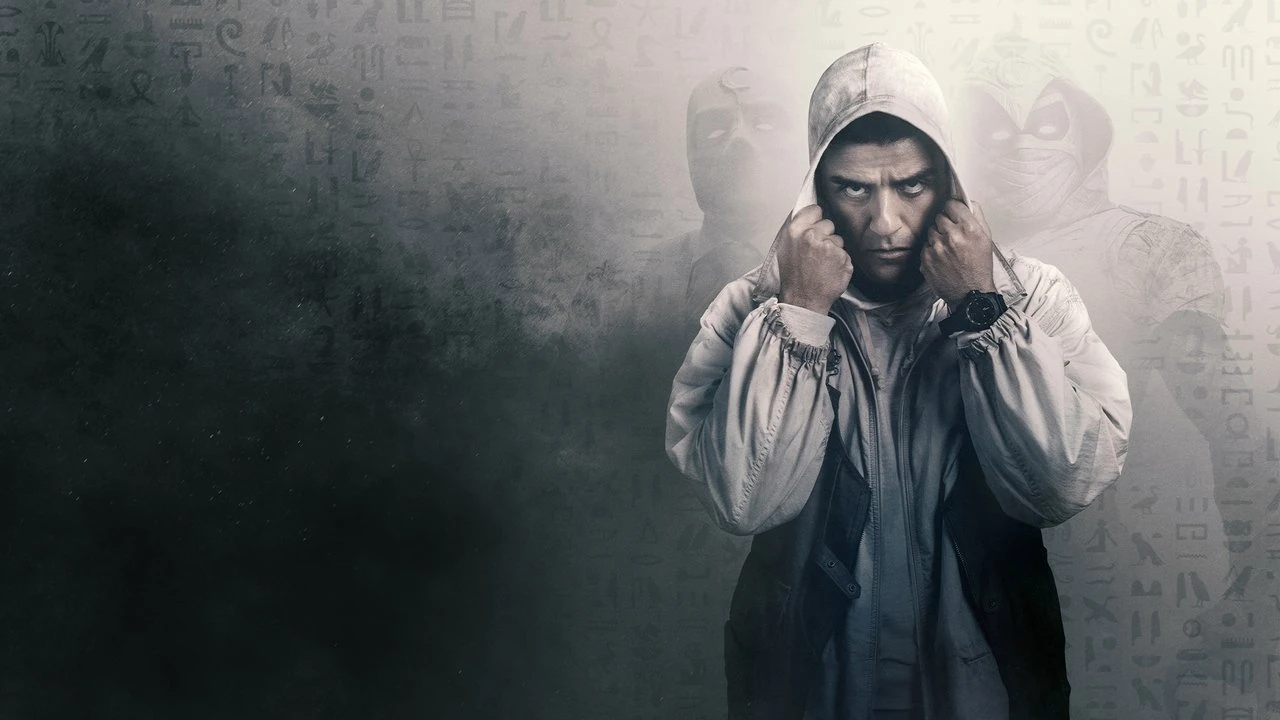 Moon Knight in action, a testament to the combined strength and fractured nature of Steven and Marc’s identities.
“Sometimes the darkness we run from is simply a reflection of the light we refuse to see in ourselves.”
Moon Knight is a fascinating, if imperfect, experiment in how to inject deep psychological and existential themes into the superhero genre. It’s a series that, while often criticized for its uneven pacing and narrative inconsistencies, still manages to resonate because of its daring exploration of identity, trauma, and the search for wholeness. It forces us to acknowledge that our inner landscapes can be as vast and dangerous as any ancient tomb, and that the greatest battles are often fought within the confines of our own minds. What does it truly mean to be yourself when your self is a chorus, not a solo? Moon Knight doesn’t give us easy answers, but it certainly makes us ponder.
Where to Watch
- Disney Plus
What’s Up? explores the philosophical depths of cinema.