Morbius: A Flawed Vessel for Profound Questions on the Monster Within
An honest philosophical look at Morbius (2022), exploring its deep themes of suffering, hubris, and monstrosity despite its infamous critical reception.
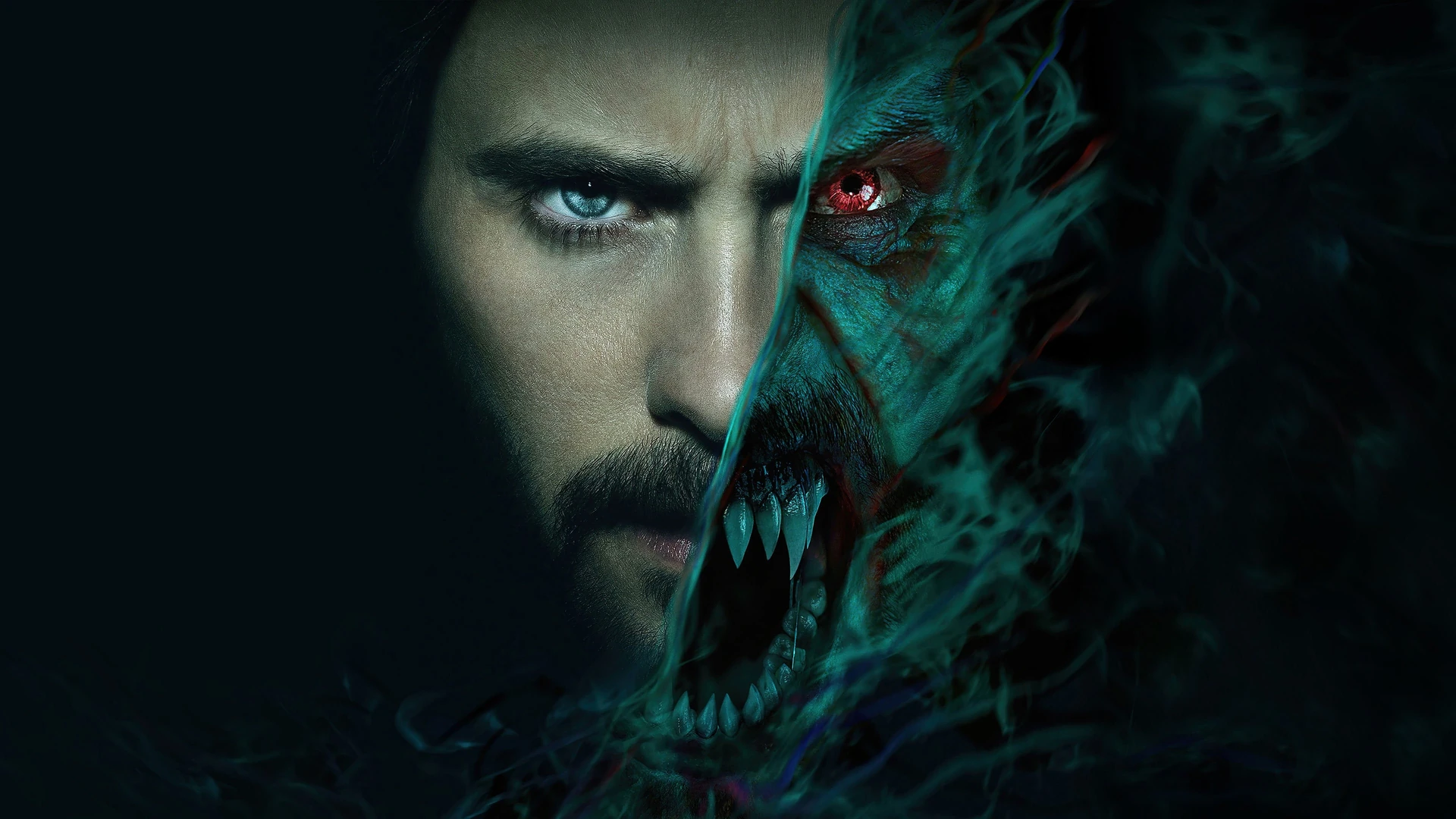
“We are all monsters in some way, and what we do with it is what matters.” — Unknown
Let’s be unequivocally clear from the outset: Daniel Espinosa’s Morbius (2022) is not, by any conventional metric of filmmaking, a critical darling. With a dismal 15% on Rotten Tomatoes and a mere 35/100 on Metacritic, it landed with a resounding thud, becoming something of a cultural punching bag and a meme factory. Yet, as a platform committed to digging beneath the surface, “What’s Up?” posits that even the most maligned cinematic works can inadvertently, or perhaps despite themselves, stumble upon profound philosophical questions. Morbius is a prime example of a film whose execution was widely lambasted, yet its core premise—the desperate pursuit of a cure that transforms one into a curse—grapples with themes as old as humanity itself. This isn’t an apology for its narrative incoherence or its often-criticized pacing, but rather an invitation to consider the existential dread and ethical quandaries it, however clumsily, attempts to explore.
The Faustian Bargain and the Nature of Monstrosity
At its heart, Morbius is a modern-day Faustian tale. Dr. Michael Morbius (Jared Leto), a brilliant but terminally ill scientist, dedicates his life to finding a cure for his rare blood disorder. His motivation is undeniably noble: to save not just himself, but countless others suffering the same fate, including his surrogate brother Milo (Matt Smith). This selfless impulse, however, drives him to an extreme, unethical experiment involving vampire bats and human DNA. The “radical success” of his gamble comes with a monstrous price: superhuman abilities, yes, but also an insatiable thirst for blood.
This central conflict forces us to confront uncomfortable questions about hubris and the limits of scientific ambition. Where do we draw the line between innovation and transgression? Morbius crosses it, driven by a desperate desire to alleviate suffering, embodying the tragic figure who, in trying to become more, inadvertently becomes less human. Critics often pointed to the film’s muddled plot and underdeveloped characters as failures, making it difficult to fully invest in Morbius’s internal struggle. However, the concept of a protagonist battling an inherent, self-inflicted monstrousness remains compelling. It asks us: When does the cure become worse than the disease? When does saving a life necessitate sacrificing a soul?
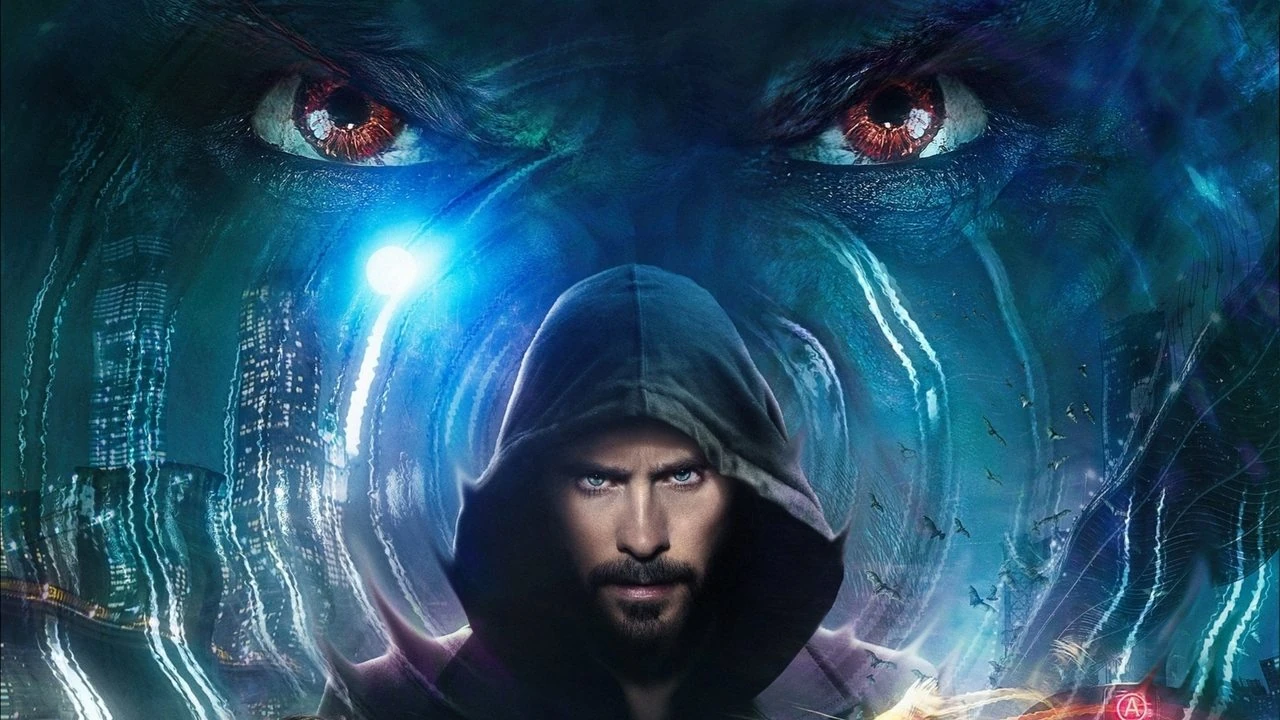 Dr. Michael Morbius grappling with his transformation, a visual representation of the internal conflict between humanity and monstrosity.
A Flawed Reflection: What Works and What Doesn’t (Philosophically Speaking)
While the film’s critical reception was overwhelmingly negative—many reviewers cited its generic superhero beats, uninspired special effects, and a narrative that felt both rushed and disjointed—there are glimmers where Morbius touches upon compelling philosophical ideas, even if it fails to fully develop them. The dynamic between Morbius and Milo, for instance, offers a contrasting view of embracing one’s newfound predatory nature. Milo, freed from his lifelong illness, revels in the power, shedding any pretense of ethical restraint. This highlights a fascinating philosophical split: Morbius agonizes over his loss of humanity, while Milo embraces a terrifying form of nihilism, seeing his vampirism as liberation rather than a curse.
The true horror isn’t the monster itself, but the choices we make when faced with becoming one.
The film’s exploration of addiction is also noteworthy. Morbius’s constant struggle to control his bloodlust, symbolized by his reliance on artificial blood, mirrors real-world battles with substance dependency. He is perpetually on the brink, a metaphorical tightrope walker balancing his scientific self with his predatory urges. This internal battle, though often overshadowed by uneven pacing and narrative contrivances that left many viewers confused, could have been a powerful study in self-control, moral responsibility, and the ever-present shadow of our darker impulses. Unfortunately, the film’s weaknesses are undeniable, particularly its often-criticized editing and lack of narrative cohesion, which ultimately undermine the philosophical weight these themes could have carried. The film struggles to portray the gravity of Morbius’s choices, reducing complex ethical dilemmas to plot points rather than deeply felt internal conflicts.
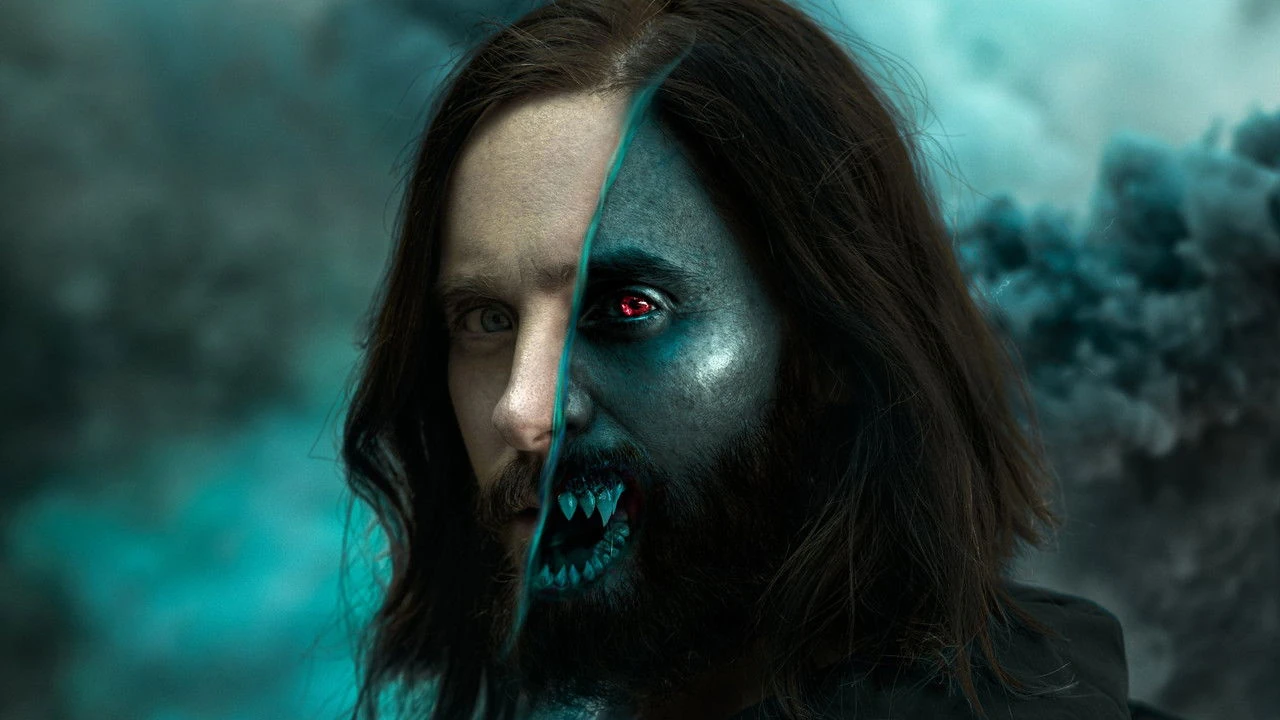 Milo, unleashed and embracing his power, contrasting Morbius’s moral struggle with a terrifying freedom.
Beyond the Surface: The Existential Weight of Otherness
Despite its structural and narrative flaws, Morbius inadvertently raises questions about otherness and the existential burden of isolation. Morbius, even before his transformation, is an outcast—a genius burdened by a debilitating illness, set apart from the ‘normal’ world. His transformation amplifies this, rendering him a creature of the night, forever alienated from human society. He is a being caught between two worlds, belonging to neither, forced to confront the solitude of his unique existence.
This is where the film, however inadvertently, brushes against profound existential truths. What does it mean to be irrevocably changed, to inhabit a form that demands an entirely new moral code? Morbius’s journey is one of profound loneliness, a struggle to define himself in a world that now perceives him as a monster. He is not merely a villain or a hero; he is a tragic figure wrestling with an identity forced upon him by a desperate act of self-preservation. While the film’s weaknesses in character development and inconsistent tone prevent a truly deep dive, the idea of a man cursed with immortality and power, yet yearning for his lost humanity, remains a potent philosophical concept. It dares us to consider what we would sacrifice for a second chance at life, and what we would become if that chance came with an unimaginable price.
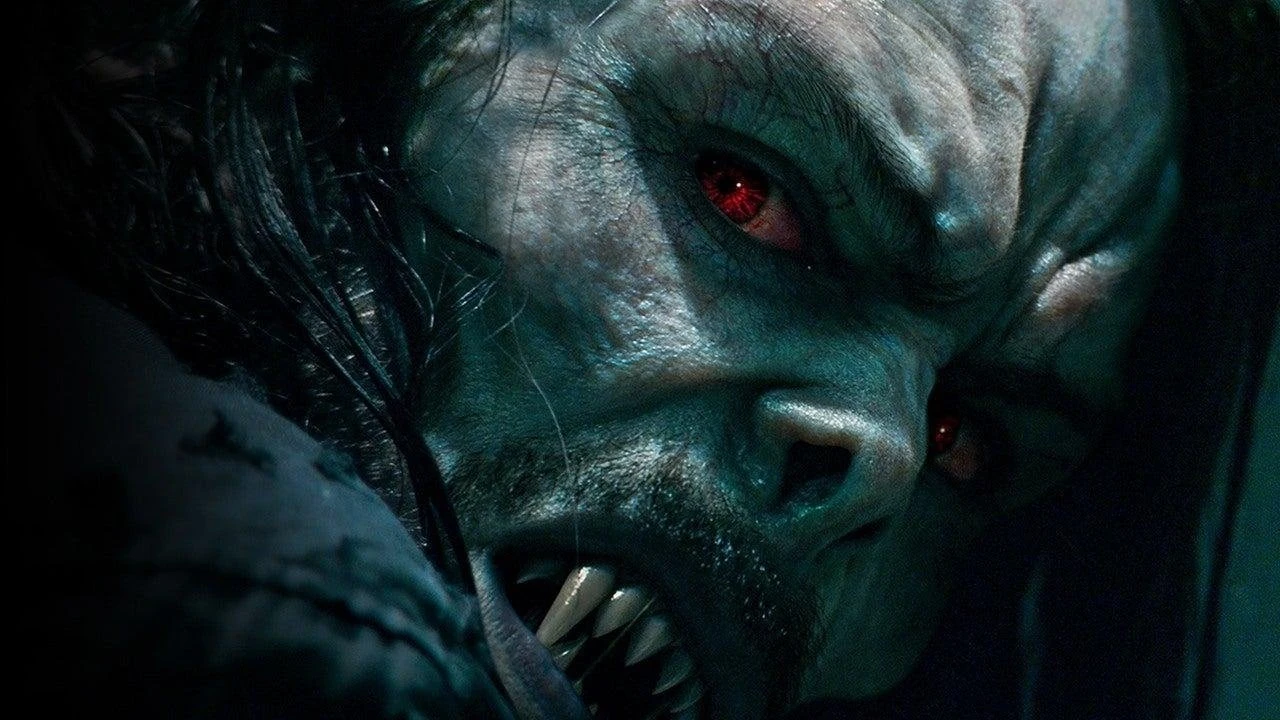 Morbius in a moment of quiet contemplation, reflecting the solitude and burden of his new existence.
It’s not the fall that defines us, but what we become on the other side of it—even if that “becoming” is a monstrous shadow of our former selves.
Morbius’s legacy is undeniably mixed, and its infamous critical panning is well-earned for its cinematic shortcomings. Yet, to dismiss it entirely would be to overlook the glimmers of a compelling philosophical narrative buried beneath the rubble of its execution. It serves as a strange, imperfect mirror, reflecting our own anxieties about ambition, the allure of forbidden knowledge, and the terrifying potential for transformation—both literal and metaphorical—that lies within each of us. The film asks us to consider the price of defying nature, the definition of humanity, and whether true monstrousness lies in our form or in our choices. And even a flawed film, when viewed through a philosophical lens, can provoke such vital contemplation.
Where to Watch
- Disney Plus
- fuboTV
- YouTube TV
What’s Up? explores the philosophical depths of cinema.