Narcos: Mexico - The Relentless Cycle of Power, Morality, and the Unending War
Exploring Narcos: Mexico's philosophical depths, from the relentless cycles of power to the moral ambiguities of the drug war, and its existential questions.
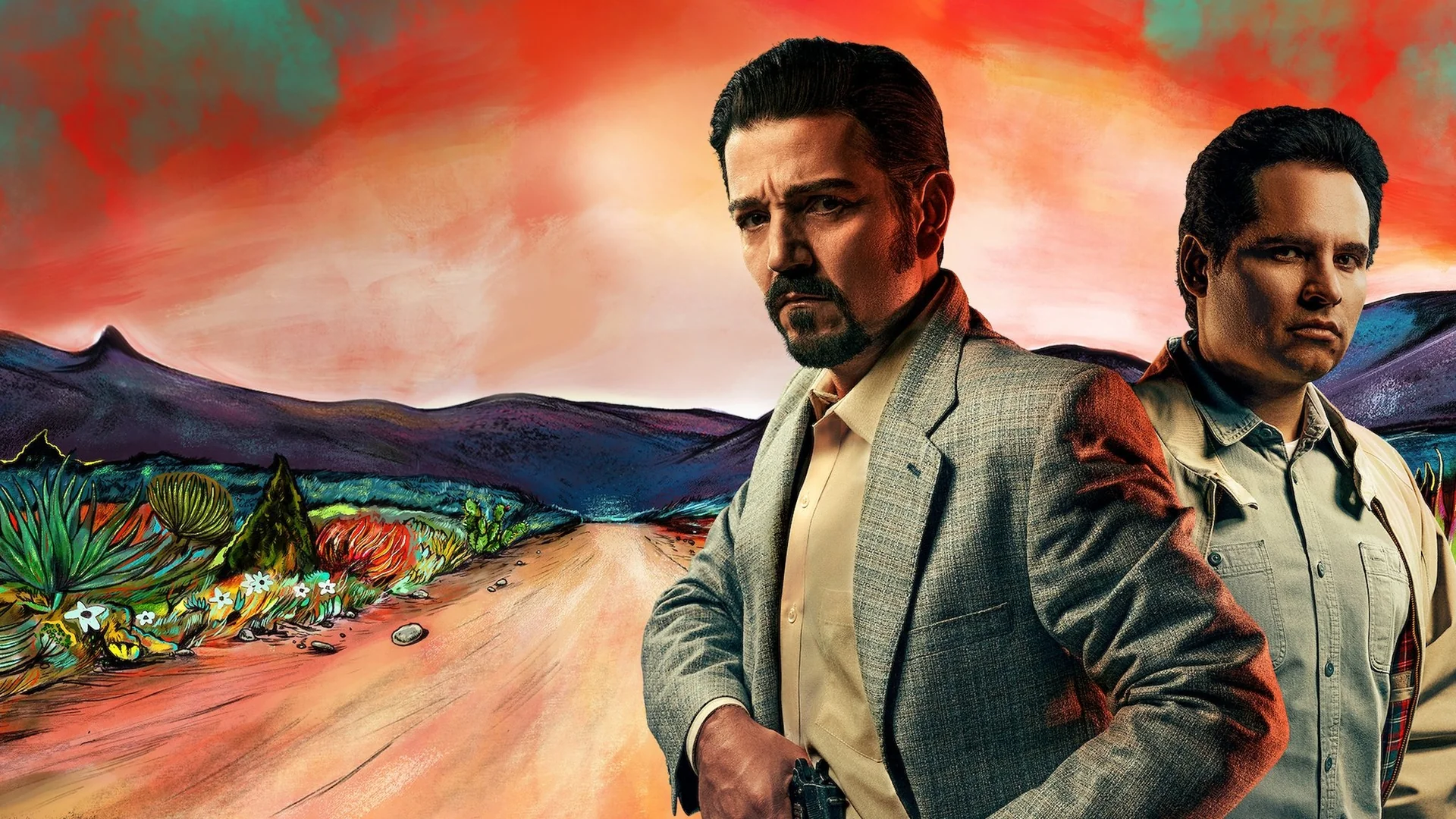
“The line between good and evil is not a fixed one. It’s a place you can cross, and cross back again.” — Narcos: Mexico (attributed to its narrative spirit)
Few shows grab you by the throat quite like the Narcos universe, and Narcos: Mexico is no exception. Released in 2018, this spin-off series, originally intended as the fourth season of Narcos, deftly shifted focus to the origins of the modern Mexican drug war, chronicling the rise of the Guadalajara Cartel under the visionary but ruthless Félix Gallardo. Critical reception, across its three seasons, was largely positive, with Rotten Tomatoes scores consistently in the 80s and 90s, and Metacritic echoing this with “generally favorable” to “universal acclaim” ratings. Critics praised its immersive storytelling, high production values, and the compelling performances of actors like Diego Luna as Gallardo and Scoot McNairy as the stoic DEA agent Walt Breslin. Yet, even within this well-deserved acclaim, the series, like its predecessor, often finds itself navigating a tricky philosophical tightrope, prompting viewers to question the very nature of power, morality, and the futility of a seemingly endless conflict.
The Labyrinth of Power and Consequence
Narcos: Mexico plunges us into the 1980s, a pivotal era where the fragmented world of marijuana growers in Mexico was unified under Félix Gallardo’s unprecedented vision. The series meticulously details how he built an empire, not just through violence, but with shrewd business acumen and political maneuvering. What it offers, philosophically, is a stark examination of power dynamics – how it’s acquired, maintained, and ultimately, how it corrupts and consumes everything in its path. Gallardo’s ambition isn’t merely for wealth; it’s for control, for legitimacy, for a place at the table with the established elite. His journey is a chilling case study in the seductive nature of absolute power.
However, some common criticisms surfaced, primarily concerning pacing, particularly in the earlier episodes of its first season. A few viewers and critics felt the initial build-up could be slow, especially when compared to the fast-paced, almost mythological narrative of Pablo Escobar in the original Narcos. Yet, this deliberate pace can be seen as a strength, allowing the show to breathe, to meticulously lay the groundwork for the complex web of political alliances, betrayals, and the slow, inexorable creep of the cartel’s influence. It forces us to witness the process of empire-building, rather than just its explosive outcomes, highlighting the insidious, systemic nature of corruption. The series, despite its dramatic license, paints a vivid picture of how individual choices, however grand or seemingly insignificant, cascade into national and international tragedies.
 The architect of an empire, Félix Gallardo, contemplating his next move amidst the arid landscapes of Mexico.
The Shadow Play of Morality: An Unsettling Balance
One of the most compelling aspects of Narcos: Mexico is its unflinching gaze at the moral ambiguity inherent in the drug war. It refuses to paint its characters in simple black and white. Félix Gallardo, while undeniably a criminal, is often portrayed with a complex inner life – a family man, a strategic thinker, a man driven by a desire to transcend his humble beginnings. Similarly, the DEA agents, particularly Kiki Camarena (Michael Peña in season one) and Walt Breslin (Scoot McNairy in subsequent seasons), are presented not as infallible heroes, but as flawed individuals operating within a system that often fails them, leading them to make morally questionable choices in pursuit of a greater good.
The show masterfully illustrates that in a war without clear boundaries, where every action begets an equal and opposite reaction, the very definition of ‘justice’ becomes fluid, shifting with the perspective of those wielding it.
This nuanced portrayal, while praised by many for its realism, has also sparked debate. Some viewers and critics grappled with the show’s perceived glorification of cartel figures, arguing that humanizing these characters risks making them sympathetic. However, a deeper philosophical read suggests the show is less about glorification and more about an ethical exploration of human nature under extreme duress. It asks: What drives individuals to such extremes? What happens when ambition eclipses all moral boundaries? The show isn’t endorsing their actions but rather attempting to understand the mechanics of their world, forcing us to confront the uncomfortable truth that “monsters” are often made, not born, shaped by circumstances, choices, and the systems they inhabit. While audiences were generally captivated, this inherent tension in its portrayal of villains remains a point of philosophical contention, prompting introspection rather than easy judgment. The series highlights that the cycle of violence isn’t just about good guys fighting bad guys; it’s about systems, desperation, and the ever-present human capacity for both creation and destruction.
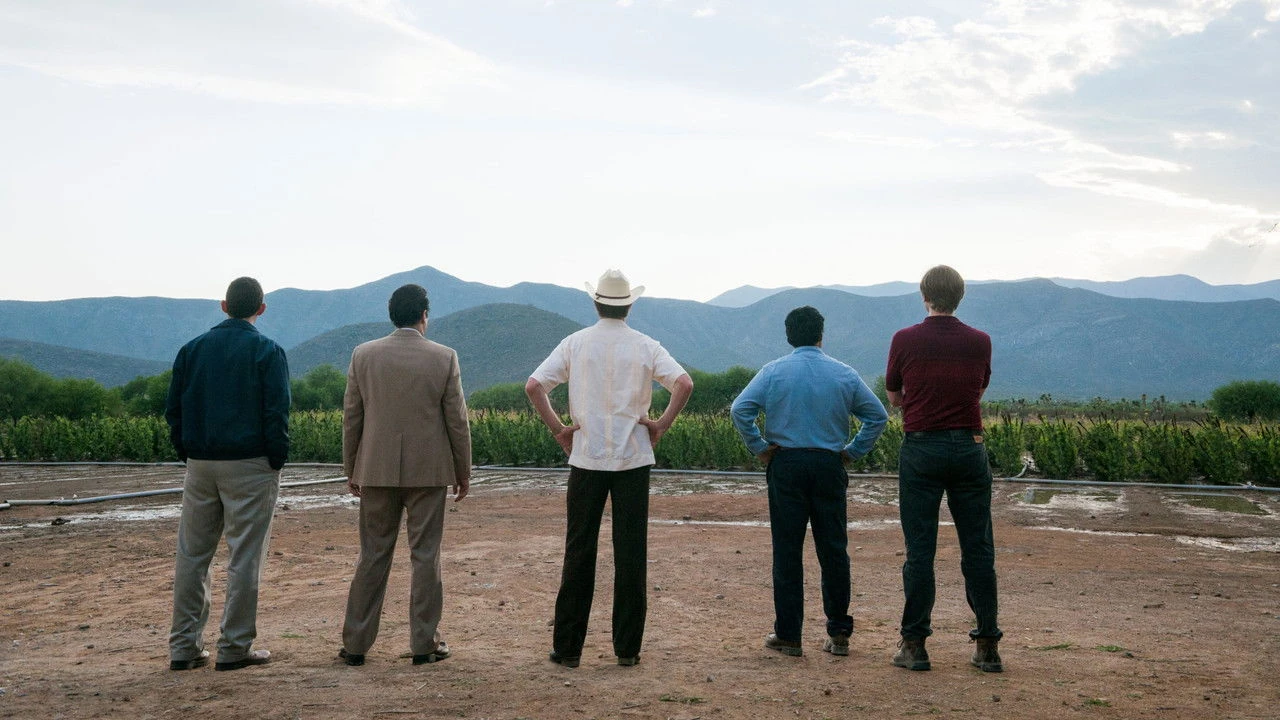 Two worlds collide: a DEA agent confronts the raw reality of the drug war on the streets.
The Existential Weight of a War Without End
As Narcos: Mexico progresses, particularly through its later seasons, the philosophical undercurrents deepen, moving beyond individual ambition to explore the existential futility of the drug war itself. The narrative structure, following the rise and fall of multiple kingpins and the continuous struggle of law enforcement, underscores a chilling reality: when one head of the hydra is cut off, two more often grow in its place. The series becomes a meditation on the cycles of violence, the unintended consequences of policy, and the inescapable nature of human vice.
The show asks profound questions about legacy – what remains when the empire crumbles? For Félix Gallardo, it’s a legacy of bloodshed and a broken nation. For the agents, it’s a relentless, thankless battle with fleeting victories. It explores the meaninglessness that can arise when purpose is tied to an unattainable goal. The narrator, often Scoot McNairy’s cynical Walt Breslin, frequently offers weary insights into the endlessness of the conflict, suggesting that this isn’t a war that can be won, only perpetuated. This resonates with broader philosophical inquiries into the human condition – our ceaseless striving, our capacity for self-destruction, and the often-illusory nature of progress in the face of deep-seated societal issues. It’s a stark reminder that some battles, perhaps, are less about victory and more about the endurance of the human spirit, for better or worse.
 The stark reality of a cartel’s reach, a chilling symbol of power and control in a lawless land.
Narcos: Mexico’s ultimate triumph lies not just in its engaging narrative or polished production, but in its relentless insistence on forcing us to look at the uncomfortable truths about power, morality, and the seemingly endless human capacity for both organized crime and the desperate fight against it. Its legacy is complex, much like the world it portrays, leaving us with a haunting sense of a battle that continues, long after the credits roll.
Despite some lingering critiques regarding its pacing or the inherent difficulties in portraying such morally ambiguous subjects without perceived glorification, Narcos: Mexico transcends mere entertainment. It’s a compelling, often brutal, philosophical inquiry into the mechanics of power, the price of ambition, and the tragic, cyclical nature of a war that continues to shape nations. What does it truly mean to fight a war you can never win, and what kind of person emerges from that unending struggle? These are the questions that linger, long after the final cartel boss is apprehended or another agent’s hope dwindles, cementing Narcos: Mexico’s place as a significant cultural text for our times.
Where to Watch
- Netflix
- Netflix Standard with Ads
What’s Up? explores the philosophical depths of cinema.