The Silence and the Storm: No Country's Unsettling Philosophy of Modern Evil
Exploring the Coen Brothers' No Country for Old Men, a film lauded by critics but debated by audiences for its bleak, uncompromising vision of fate, evil, and a changing world.
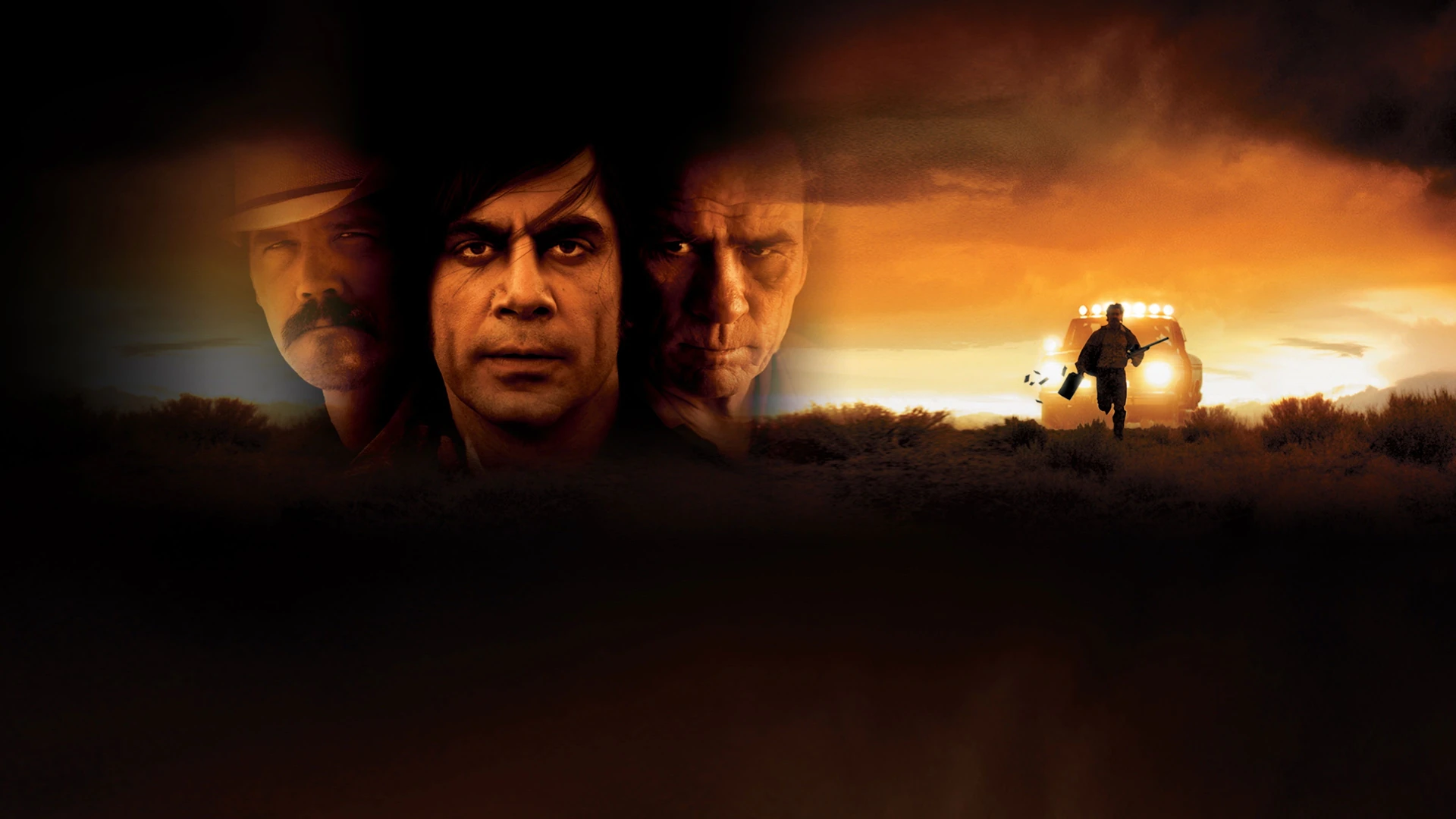
“Man is condemned to be free; because once thrown into the world, he is responsible for everything he does.” — Jean-Paul Sartre
When Ethan and Joel Coen unleash a film, you know it’s rarely a comfortable experience. But No Country for Old Men, their 2007 adaptation of Cormac McCarthy’s novel, isn’t just uncomfortable; it’s an unsettling masterpiece that still rattles viewers to their core almost two decades later. Lauded with universal critical acclaim—a staggering 93% on Rotten Tomatoes and a 92 on Metacritic—it swept the Oscars, including Best Picture, for its brutal honesty and unparalleled tension. Yet, despite the accolades, it’s a film that leaves many audiences wrestling with its bleakness, its ambiguous ending, and its unflinching portrayal of an indifferent universe. It doesn’t offer catharsis, and that’s precisely where its profound philosophical power lies.
The Inexorable Wave of Chaos
At its chilling heart, No Country for Old Men introduces us to Anton Chigurh, played with terrifying precision by Javier Bardem, in an Oscar-winning performance. Chigurh isn’t just a hitman; he’s a force of nature, an embodiment of arbitrary, amoral violence that seems to operate without human motivation or traditional understanding. He’s a walking, breathing question mark, a nihilistic wind blowing through the Texas desert.
The Coens present him not as a villain to be defeated, but as an unstoppable, indifferent agent of fate. His signature coin toss, which determines life or death, isn’t about chance; it’s about illustrating the absurdity and randomness of existence, where human lives are mere variables in a cosmic equation. This portrayal of evil as something incomprehensible, rather than simply wicked, is a major point of philosophical contention. Some viewers found this lack of explanation frustrating, preferring a clear antagonist with a discernible motive. But that’s the point: Chigurh is the modern evil that Sheriff Ed Tom Bell can’t fathom. He’s the antithesis of the “old country” rules, where bad men had reasons you could at least understand, if not condone. This theme of moral erosion and the rise of a new, incomprehensible brutality is central to the film’s worldview.
- The Unknowable Antagonist: Chigurh defies psychological profiling, representing an evil beyond human reason.
- Indifferent Universe: The coin toss underscores a world governed by arbitrary forces, not justice.
- Escalating Violence: The film graphically depicts brutality, highlighting the increasing savagery of the criminal underworld.
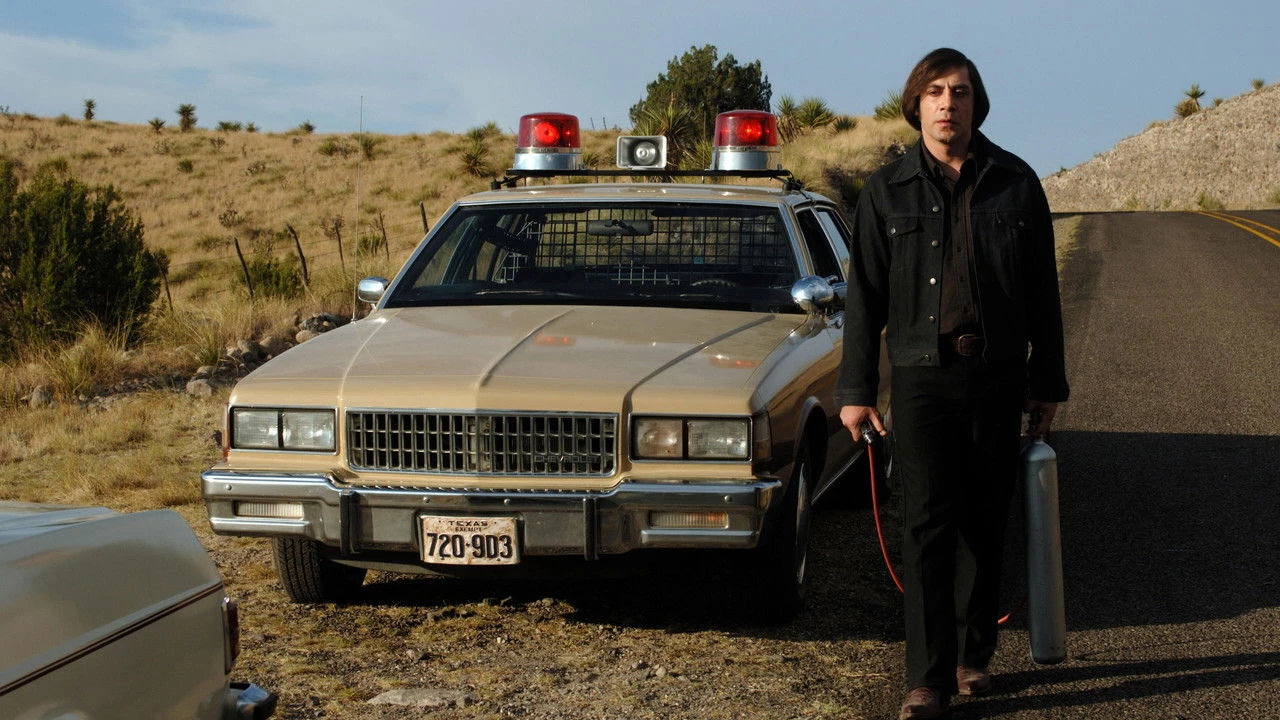 Anton Chigurh, a silent harbinger of fate, embodying the terrifying indifference of an amoral universe.
The Burden of Witnessing: A Sheriff’s Lament
Josh Brolin’s Llewelyn Moss, the man who stumbles upon a drug deal gone wrong and a briefcase full of money, becomes the film’s reluctant catalyst, initiating a chase that feels less like a pursuit and more like an inevitable decline. Moss, despite his resourcefulness, is ultimately outmatched not by a smarter opponent, but by an uncaring system of violence. His journey is a harrowing descent into a world where his choices, however well-intentioned or desperate, only lead to more suffering.
But it’s Tommy Lee Jones’s Sheriff Ed Tom Bell who truly anchors the film’s philosophical weight. Bell is the conscience of the old world, a man grappling with a landscape he no longer recognizes, where the crimes are too senseless, and the perpetrators too alien. Critics lauded Jones’s melancholic performance, capturing the essence of a man deeply troubled by the encroaching darkness. However, it’s Bell’s narrative arc, or rather its deliberate lack of resolution, that often divides audiences. He spends the film chasing, observing, and reflecting, but never truly confronts Chigurh. This unconventional structure, a choice that baffled some looking for a more traditional showdown, is a bold philosophical statement. The Coens deny us the satisfaction of justice served, instead forcing us to sit with Bell’s helplessness.
The Coens brilliantly subvert the very expectation of a hero’s journey, suggesting that in some battles, merely bearing witness is the heaviest burden of all.
Bell’s repeated monologues about the changing times, the escalating violence, and his own diminishing capacity to understand or intervene, are less about plot exposition and more about existential weariness. He represents the “old men” for whom this “new country” is too harsh, too cruel, and utterly devoid of the moral compass they once knew. His journey isn’t about victory; it’s about the struggle to comprehend and the ultimate decision to step away when comprehension fails.
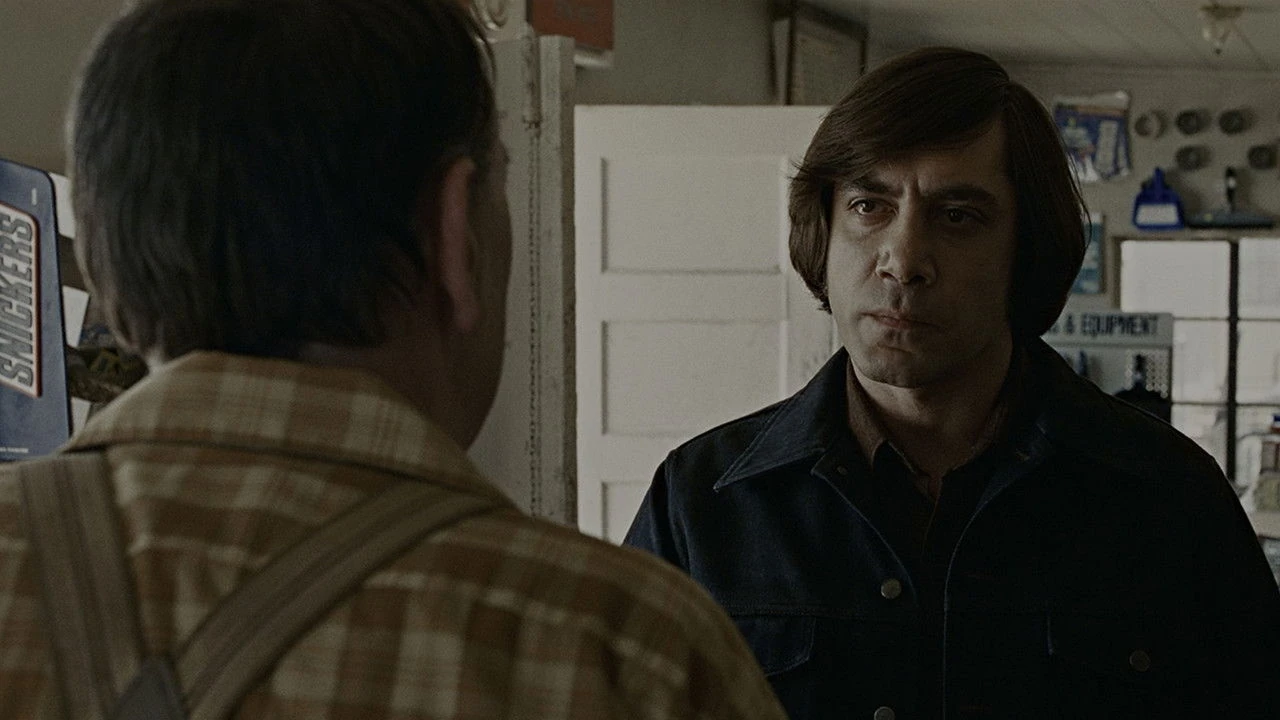 Sheriff Ed Tom Bell, a weary soul contemplating a world spiraling into incomprehensible violence, reflecting on lost order.
A Dream, A Reflection: Beyond the Surface
The film’s ending, particularly Sheriff Bell’s retirement and his dream sequences, is arguably its most debated and philosophically rich element. Many viewers expressed frustration, feeling it was anticlimactic or that the story simply “stops” rather than concludes. They wanted a definitive resolution, a confrontation, a clear victory or defeat. This is where No Country for Old Men truly becomes a post-modern western, stripping away the myths of heroism and clear-cut justice.
The Coens deliberately deny us the satisfaction of traditional narrative closure. Moss dies off-screen, Chigurh gets away, and Bell simply… retires. His final monologue about two dreams – one of his father carrying fire, the other of reuniting with his father in a cold, dark place – isn’t about literal events. It’s a profound, metaphysical reflection on legacy, hope, and the pervasive coldness of the world. The fire his father carried could be interpreted as the warmth of morality, the light of hope, or the spark of human connection, which Bell feels is fading in his time. The dream of meeting his father in the cold, dark place, where his father still carries the fire but Bell can’t see it, hints at his own spiritual exhaustion and the difficulty of finding that light in a world he perceives as increasingly bleak.
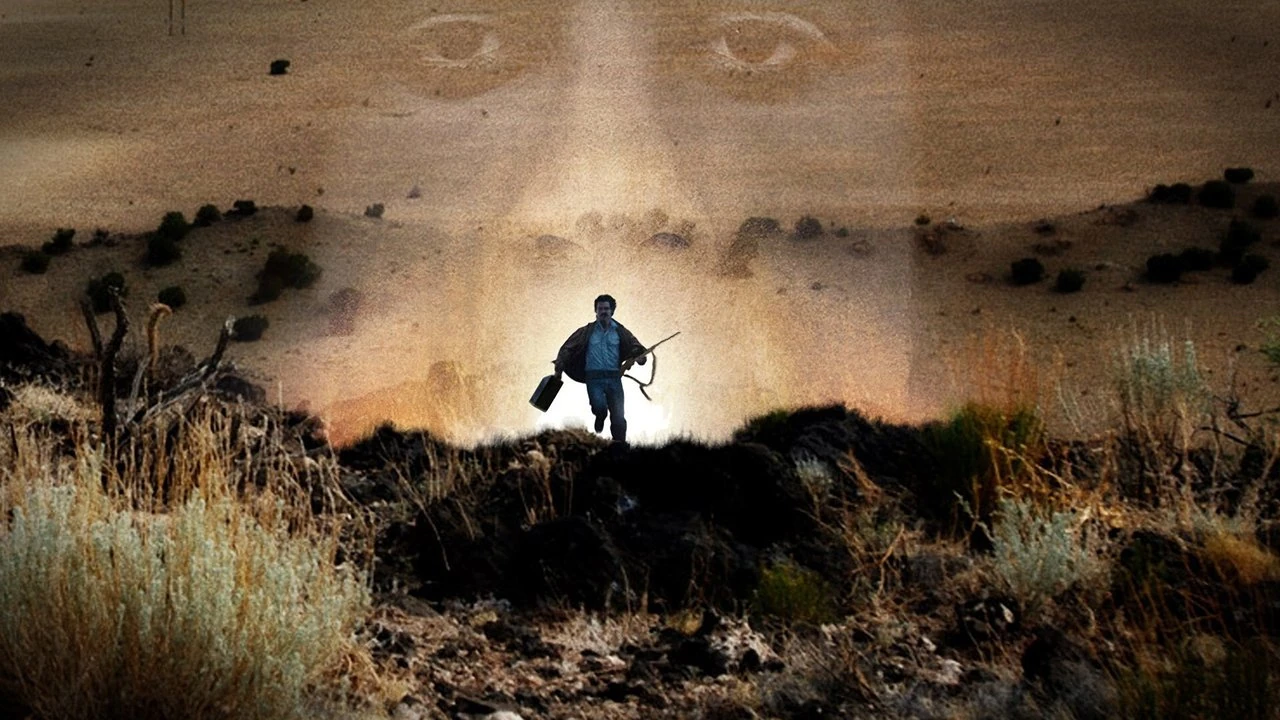 Llewelyn Moss, caught in the crosshairs of an unseen force, his choices leading him down an inevitable path in a landscape devoid of mercy.
This ending forces the audience to grapple with the film’s central thesis: that sometimes, chaos wins. Sometimes, there is no grand resolution, no satisfying final battle, just the quiet resignation of those who tried to hold onto order. It’s a powerful statement on nihilism and the absurdity of human striving against indifferent forces. The film doesn’t offer answers; it offers a mirror, reflecting our own anxieties about a world that often feels out of control, where logic and morality are increasingly tenuous. Its genius lies in its refusal to comfort, instead choosing to provoke a deeper, often uncomfortable, existential inquiry.
“The world is not a problem to be solved, but a mystery to be lived.” — Gabriel Marcel, a sentiment that perfectly encapsulates the film’s defiant ambiguity.
No Country for Old Men is not an easy watch, nor is it meant to be. Its unflinching gaze into the abyss of modern evil, its refusal to offer pat answers, and its unconventional narrative choices make it a film that lingers, disturbs, and ultimately, forces profound self-reflection. It’s a cinematic testament to the idea that sometimes, the most powerful stories are those that don’t resolve, but rather resonate with the unanswered questions of our own existence. What does it mean to be good in a world that feels increasingly indifferent to goodness? And when the old ways crumble, what, if anything, are we left to hold onto?
Where to Watch
- fuboTV
- Paramount+ Amazon Channel
- Paramount Plus Essential
- Paramount Plus Premium
What’s Up? explores the philosophical depths of cinema.