The Fragmented Future: Neill Blomkamp's Oats Studios as a Philosophical Sandbox
Exploring Neill Blomkamp's Oats Studios, a divisive collection of sci-fi horror shorts, as a philosophical exploration of humanity's precarious future and technological anxieties.
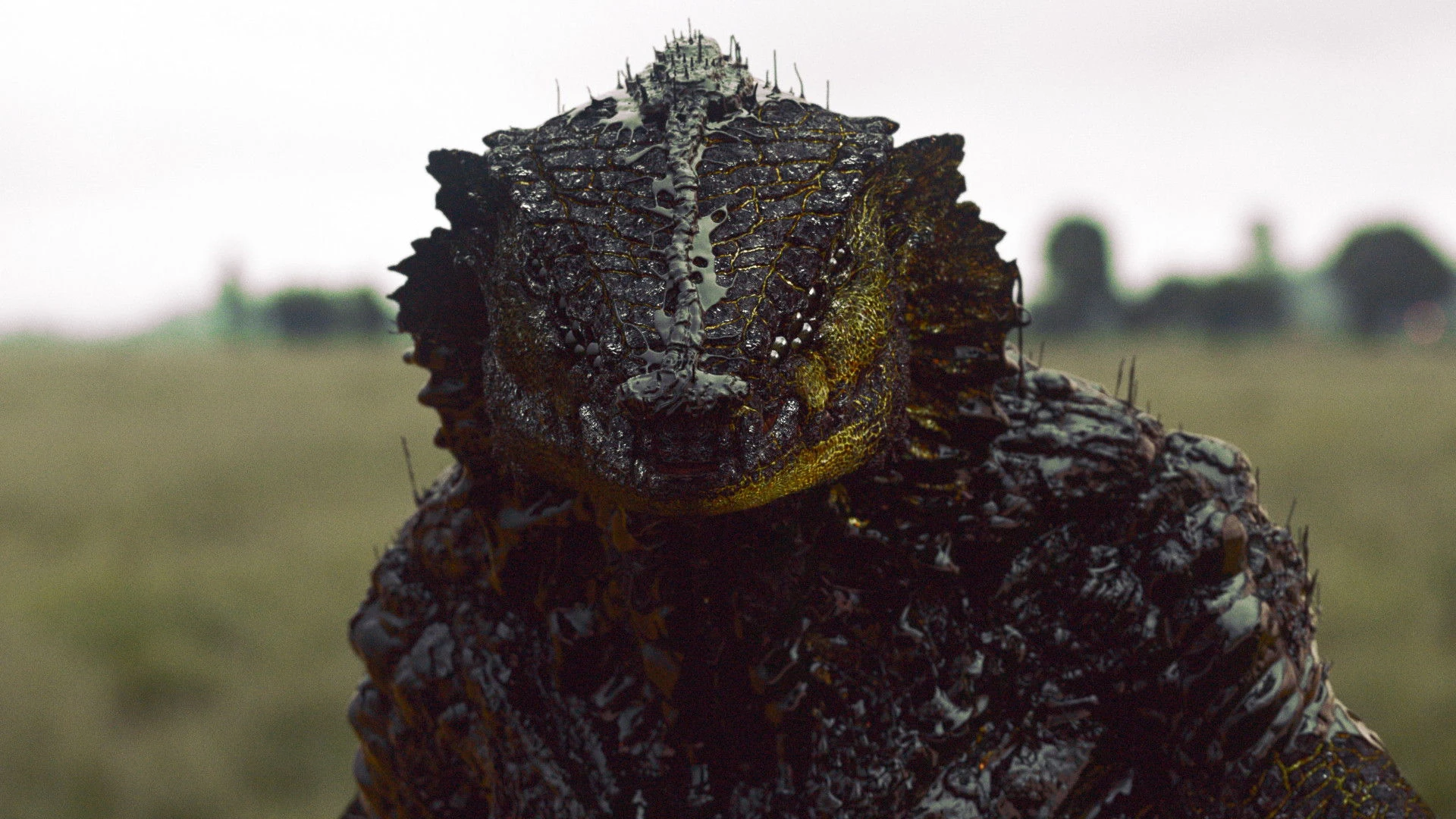
“The future is already here – it’s just not very evenly distributed.” — William Gibson
Neill Blomkamp’s Oats Studios (2017) landed on the digital landscape not as a conventional film, but as a series of fragmented visions, a direct-to-audience experiment in world-building and narrative prototyping. While the metadata for this entry might point to a brief 20-minute runtime, that’s merely a glimpse into the larger, ambitious compilation that is Oats Studios - Volume 1, a collection of shorts from the visionary South African director known for District 9 and Elysium. It was, in essence, a plea to the audience: help me make these into full features. This unconventional approach instantly set it apart, but also fueled a deeply mixed reception. Many viewers, myself included, were captivated by the stunning visuals and raw, visceral sci-fi horror, while others found the lack of resolution and the “proof of concept” nature profoundly frustrating. It’s a work that simultaneously exhilarates with its potential and exasperates with its incompleteness, making it a fascinating subject for philosophical inquiry.
The Architecture of Dread: Unresolved Futures and Existential Anxiety
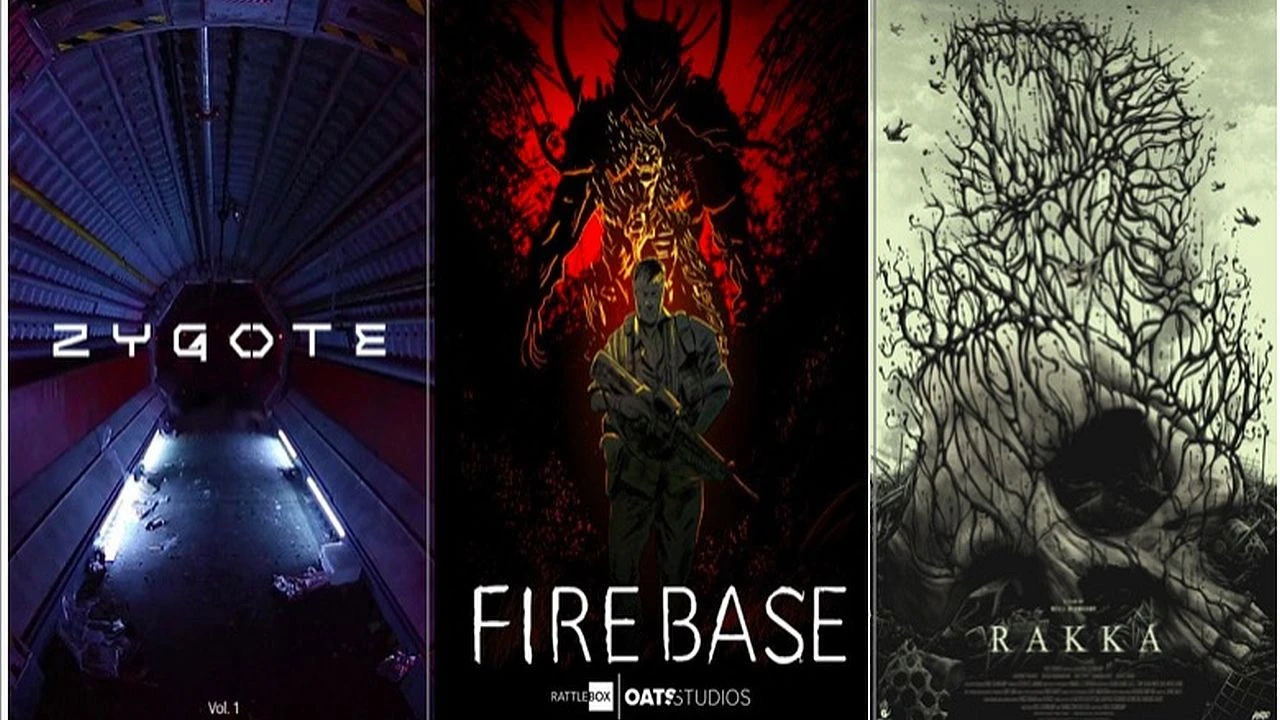
Blomkamp, a director with a distinct and often bleak vision of humanity’s future, uses Oats Studios as a sandbox for exploring some truly chilling scenarios. From the alien-occupied wasteland of Rakka starring Sigourney Weaver, to the gruesome biomechanical horror of Zygote featuring Dakota Fanning, each short presents a world teetering on the edge of extinction, subjugation, or horrific transformation. Critics were quick to praise the visceral impact and Blomkamp’s signature gritty aesthetic, with many noting the exceptional production value despite the experimental format. Yet, the persistent criticism revolved around the lack of narrative closure. These aren’t stories with neat beginnings, middles, and ends; they are snapshots, glimpses into moments of extreme crisis.
This narrative choice, while commercially risky, carries profound philosophical weight. The unresolved nature of these worlds reflects a deeper existential anxiety about our own precarious future. We live in an era where climate change, technological shifts, and geopolitical tensions leave us feeling perpetually on the brink, with no clear solutions or happy endings in sight. Oats Studios mirrors this feeling of living in an unfinished dystopia, where the struggle is constant, and victory, if it comes, is always temporary and hard-won. The shorts don’t offer answers; they pose terrifying questions, forcing us to confront potential futures that are as bleak as they are plausible.
- Humanity’s Frailty — In Rakka, humanity is a broken, desperate resistance against an utterly dominant alien force, highlighting our vulnerability.
- Technological Hubris — Zygote explores the horrifying consequences of unchecked genetic experimentation and corporate callousness.
- The Nature of Power — Firebase delves into the psychological toll of war and potential supernatural intervention in conflict, questioning the lines between man, machine, and myth.
 A lone figure stands amidst the ruins, a stark reminder of humanity’s struggle against overwhelming odds in a Blomkampian dystopia.
The Double-Edged Blade: Ambition, Frustration, and Artistic Experimentation
The critical discourse around Oats Studios was, predictably, a double-edged blade. On one side, there was immense appreciation for Blomkamp’s bold attempt to bypass traditional studio gatekeepers and engage directly with his audience. This was seen as a potential paradigm shift in filmmaking, a democratic approach to funding ambitious projects. The shorts themselves were frequently lauded for their unflinching originality and visual spectacle. User reviews on platforms like IMDb often lauded them as “mind-blowing” and “truly unique,” desperate for more from these universes.
The very act of leaving these narratives open-ended, for all its commercial frustration, functions as a philosophical provocation: demanding the audience not just consume, but co-create meaning in the absence of easy answers.
However, the other edge of that blade was sharp with frustration. Many, including professional critics and a significant portion of the audience, felt let down by the fact that these incredible concepts remained just that: concepts. “It’s all sizzle and no steak,” some lamented, while others pointed out that “each short feels like the first act of a masterpiece that never arrives.” The promise of a fully realized world was dangled tantalizingly, only to be pulled away. The runtime listed in the metadata for this specific entry (20 minutes) is a microcosm of this issue – it hints at the brief, impactful, yet ultimately incomplete nature of the individual pieces. Even the darkly comedic, surreal segments like Cooking with Bill, while a welcome tonal shift, added to the overall sense of beautiful, bizarre fragmentation rather than cohesion. This struggle between artistic ambition and the audience’s desire for narrative completion makes Oats Studios a compelling case study in film philosophy. It forces us to ask: what is the value of an idea if it remains unrealized? Is a potent, unfinished concept more thought-provoking than a mediocre, completed one?
 The chilling gaze of a creature born of scientific hubris, pushing the boundaries of what it means to be alive.
Beyond the Surface: A Mirror to Our Own Unfinished Narratives
Despite its acknowledged flaws and the criticisms of its incomplete nature, Oats Studios dares to ask deeper questions that resonate far beyond its immediate narrative content. It’s not just about aliens or monsters; it’s about the fragility of civilization, the ethics of power, and the perseverance of the human spirit in the face of overwhelming odds. Blomkamp’s work consistently grapples with themes of otherness and oppression, often using the sci-fi genre to hold a mirror up to real-world injustices. The shorts collectively paint a picture of a universe indifferent, if not outright hostile, to humanity.
The very structure of Oats Studios — a collection of disparate, high-concept fragments — can be seen as a meta-commentary on our own perception of reality. We, too, often experience life in nonlinear, unresolved bursts, piecing together meaning from incomplete information. Our own personal narratives, and indeed the grand narrative of humanity, are perpetually unfinished, constantly evolving, and rarely offering definitive conclusions. Oats Studios therefore becomes an unexpected metaphor for the human condition itself: a series of intense, often terrifying, yet occasionally beautiful moments, strung together without a guaranteed resolution. It’s an invitation to lean into the discomfort of the unknown, to find meaning in the questions rather than just the answers.
 A desolate landscape under a foreboding sky, a silent testament to battles fought and futures lost.
“The most terrifying questions are those we cannot even begin to answer, but must carry with us as we journey into the uncertain future.”
Oats Studios will likely remain a divisive entry in Neill Blomkamp’s filmography, a testament to bold experimentation that didn’t quite achieve its ambitious goals of feature-length transformation. Yet, its philosophical value is undeniable. It’s a raw, unfiltered expression of a director’s anxieties about the future, packaged in visually stunning, emotionally resonant, and frustratingly brief vignettes. It forces us to confront not just the monsters on screen, but the potential monsters within our own society and the terrifying incompleteness of our collective story. What does it mean to witness such powerful, unfinished art? And what does it say about our own desire for closure in a world that offers so little of it?
What’s Up? explores the philosophical depths of cinema.