The Weight of a Fallen Jedi: Obi-Wan Kenobi's Burden of Belief
Exploring the philosophical depths of Obi-Wan Kenobi, his trauma, and the burden of living with profound failure amidst a flawed narrative.
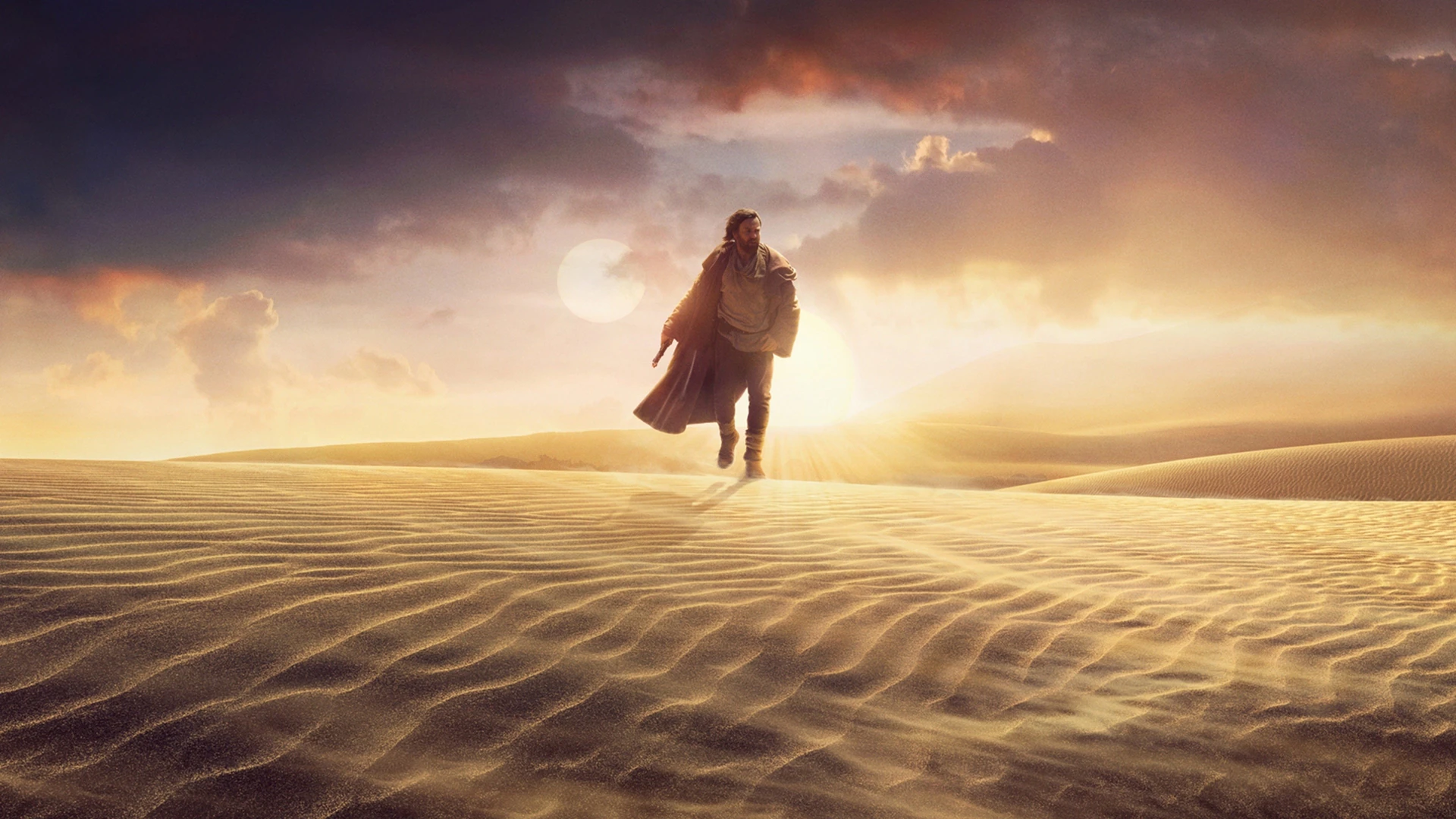
“The past is a foreign country; they do things differently there.” — L.P. Hartley
When Obi-Wan Kenobi landed on Disney Plus in 2022, it was met with a potent mix of eager anticipation and, ultimately, a rather divided reception. For many Star Wars fans, the return of Ewan McGregor as the exiled Jedi Master was a dream come true, promising to bridge the narrative gap between the prequels and the original trilogy. And indeed, McGregor’s performance, imbued with a palpable weariness and profound sorrow, was almost universally praised. Yet, the series itself, as critics and audiences alike pointed out, often felt like a missed opportunity, plagued by a number of creative decisions that undercut its emotional potential. It’s not a flawless piece of television, by any stretch, but even in its stumbles, Obi-Wan Kenobi inadvertently becomes a fascinating case study in the philosophy of grief, identity, and the burden of past failures.
The Crushing Weight of Being
At its heart, Obi-Wan Kenobi is a story about a man utterly broken by his past. We find our titular hero ten years after Revenge of the Sith, living a life of monastic solitude on Tatooine, watching over a young Luke Skywalker. But this isn’t the stoic, wise hermit of A New Hope; this is a man haunted, suffering from what feels like an acute form of post-traumatic stress. He’s not just in hiding; he’s actively trying to un-become Obi-Wan Kenobi, to shed the identity of the Jedi Master who failed his apprentice so catastrophically.
This immediate portrayal is, arguably, where the series finds its strongest philosophical footing. How do we cope when our life’s purpose is shattered, when our greatest achievement turns into our most devastating failure? Obi-Wan is living out a deeply existential crisis, adrift in a universe that has moved on, leaving him stranded with his memories. He’s disconnected from the Force, a deliberate act of self-imposed spiritual exile, believing himself unworthy. This isn’t just about hiding from the Empire; it’s about hiding from himself, from the painful truth of what Anakin Skywalker became. Critics, while often citing the series’ uneven pacing and at times flimsy plot contrivances, frequently highlighted McGregor’s ability to convey this internal struggle with such raw vulnerability. He embodies the crushing weight of a belief system collapsed, a personal failure writ large across the galaxy.
- The Burden of Guilt: Obi-Wan’s self-imposed penance on Tatooine.
- Lost Identity: What is a Jedi without the Order, without his padawan?
- Spiritual Exile: Deliberately severing his connection to the Force.
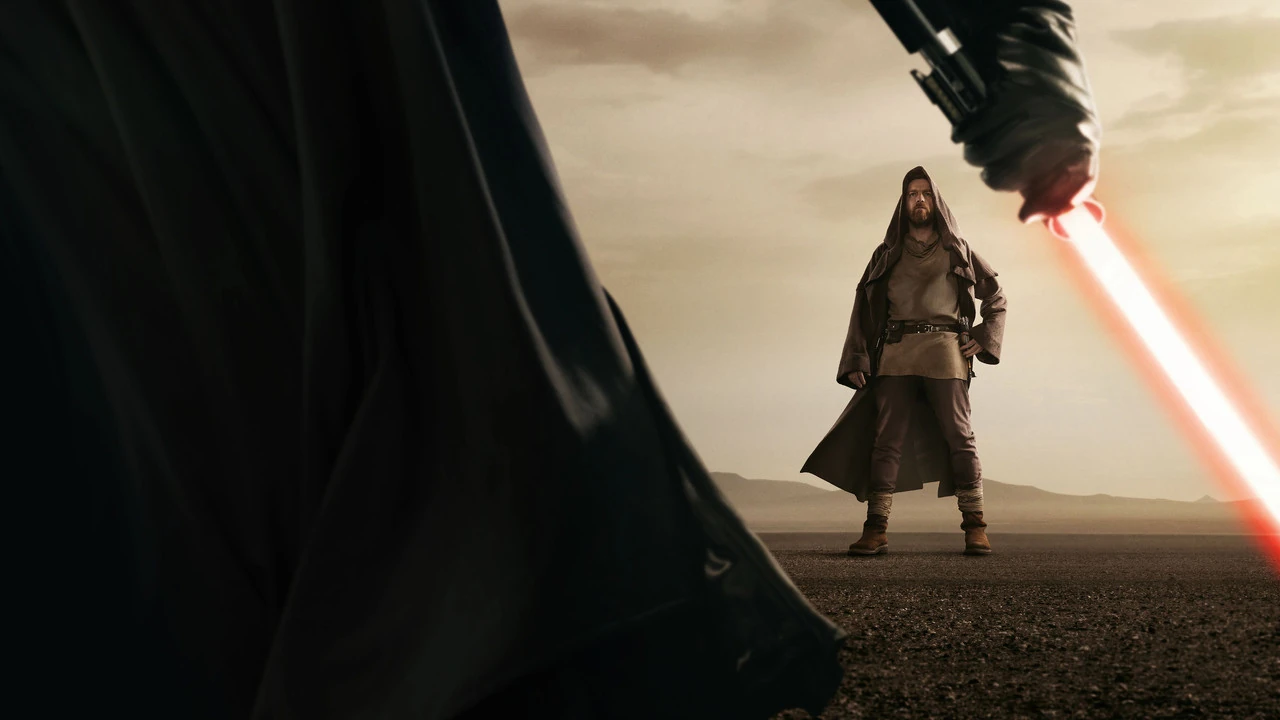 A lone figure consumed by the vastness of his isolation and regret
The Stumbling Blocks and Surprising Strengths
While the philosophical underpinnings of Obi-Wan’s trauma were compelling, the execution of the series itself was, frankly, a bit of a mixed bag. Many audience members and professional critics found the plotting convoluted, with numerous moments that stretched credulity. The constant peril faced by young Princess Leia, for instance, often felt less like a harrowing escape and more like a series of increasingly improbable near-misses. Reviewers on Metacritic and Rotten Tomatoes often pointed to the show’s reliance on convenience and lack of real narrative stakes in certain episodes, diminishing the tension crucial for a story set during the Empire’s iron grip. Some felt the character arc of Reva, the Third Sister, while initially intriguing, ultimately suffered from inconsistent writing and a rushed resolution.
The real challenge for any narrative exploring profound loss isn’t just showing the pain, but demonstrating a believable path through it, however faltering.
Despite these narrative weaknesses, the series undeniably soared in its character work, especially concerning Obi-Wan and, crucially, the return of Hayden Christensen as Darth Vader. Their confrontations, both physical and emotional, were the absolute highlights. These weren’t just lightsaber duels; they were visceral, emotionally charged battles between a shattered mentor and his corrupted protégé. The scene where Vader taunts Obi-Wan, reminding him of his failure, is perhaps the series’ most powerful moment, cutting deeper than any blaster fire. It’s here that the show truly delves into the metaphysics of identity, questioning whether Anakin truly is Vader, or if Vader is an entirely separate, monstrous entity born from Anakin’s fall. McGregor and Christensen sell this agonizing complexity, making us feel the enduring connection and the heartbreaking chasm between them. For all its flaws, the exploration of this broken relationship was, by consensus, beautifully rendered.
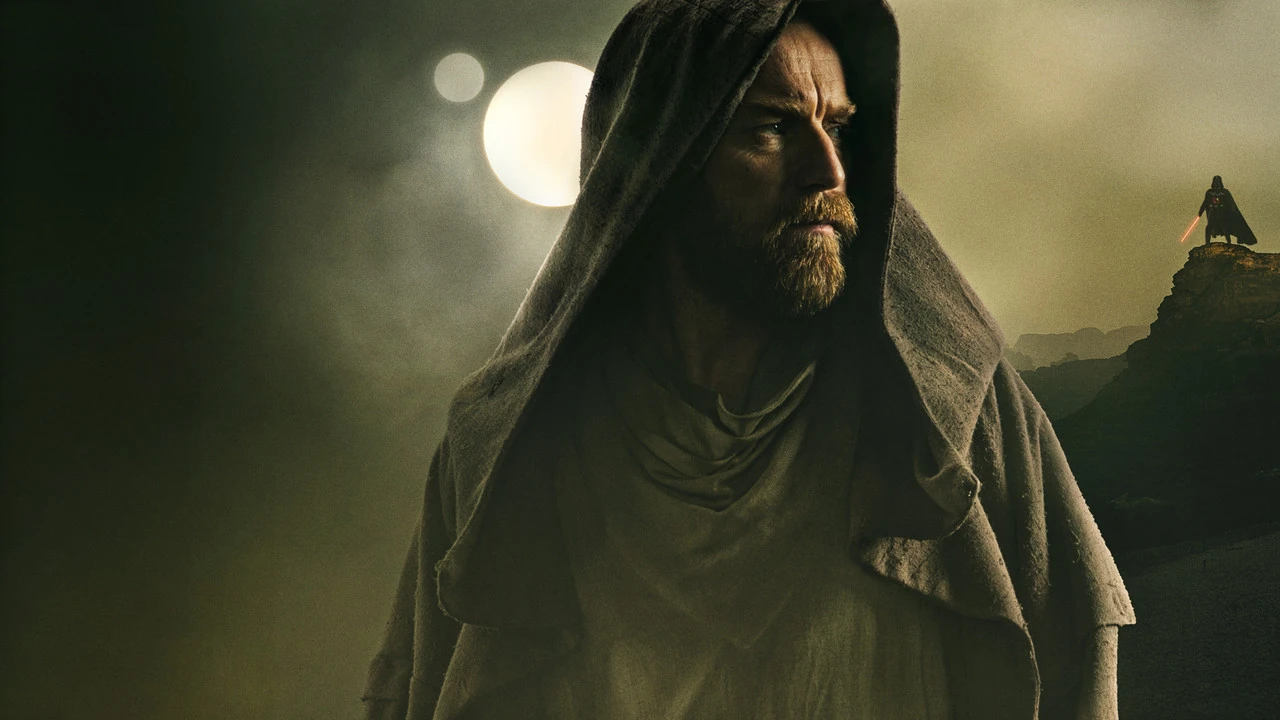 The shadow of the past, inescapable and menacing
Beyond the Surface: Hope and the Choice to Reclaim Self
Even when the plot meandered, Obi-Wan Kenobi managed to raise some profound questions about hope, redemption, and the active choice to reclaim one’s purpose. Obi-Wan’s journey from a broken shell of his former self to the reluctant protector of Leia, and eventually, the Jedi Master who can once again connect with the Force, is a testament to the idea that healing isn’t passive; it’s a deliberate act of will. He doesn’t just stumble into being a Jedi again; he chooses it, driven by a new hope embodied by Leia, who reminds him of what he fought for.
The series, despite its shaky foundation, asks us to consider: Can we truly forgive ourselves for past mistakes, especially when those mistakes have galactic consequences? Can we find meaning in a world that seems to have lost its light? Obi-Wan’s eventual re-engagement with the Force and his final confrontation with Vader, where he accepts that Anakin is truly gone and only Vader remains, marks a crucial shift. It’s not a victory in the traditional sense, but a painful acceptance that allows him to move forward. He sheds the crippling guilt not by erasing the past, but by understanding its irreversible nature and choosing to protect the future. This difficult realization, that some losses cannot be undone but must be integrated into our identity, offers a powerful, albeit melancholic, philosophical takeaway.
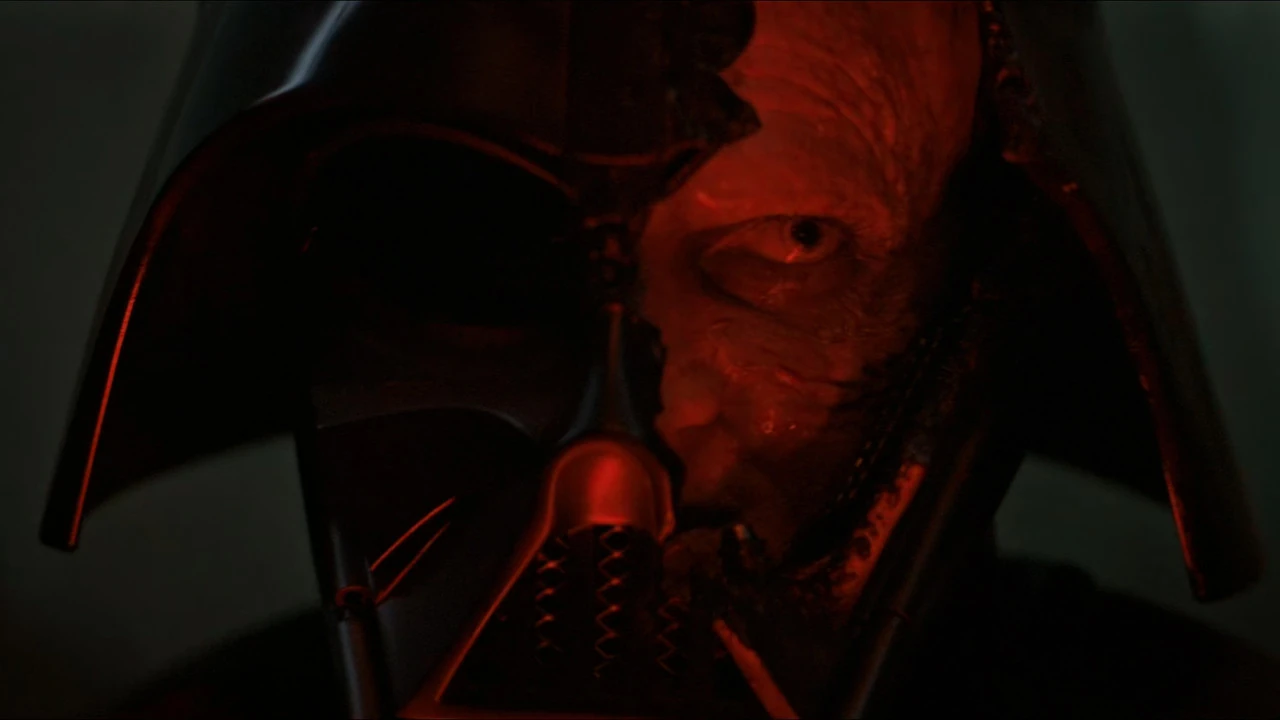 A moment of quiet determination amidst a galaxy of chaos
The burden of memory is heavy, but it’s in carrying that weight, not casting it aside, that we truly discover what we’re made of.
Ultimately, Obi-Wan Kenobi is a show that, while often criticized for its execution and plot holes, remains deeply resonant for its central performances and the powerful philosophical questions they embody. It’s a testament to the idea that even flawed art can hold up a mirror to our deepest anxieties about failure, identity, and the long, arduous journey of healing. It asks us to consider not just what it means to be a hero, but what it means to be human in the aftermath of profound tragedy, and whether hope can truly blossom from the ashes of despair.
Where to Watch
- Disney Plus
What’s Up? explores the philosophical depths of cinema.