Rewriting Fate: Tarantino's Ode to Lost Futures and the Power of Narrative in Hollywood
Exploring the philosophical depth of Once Upon a Time... in Hollywood, examining its themes of memory, revisionism, and the fragility of identity in Tinseltown's golden age.
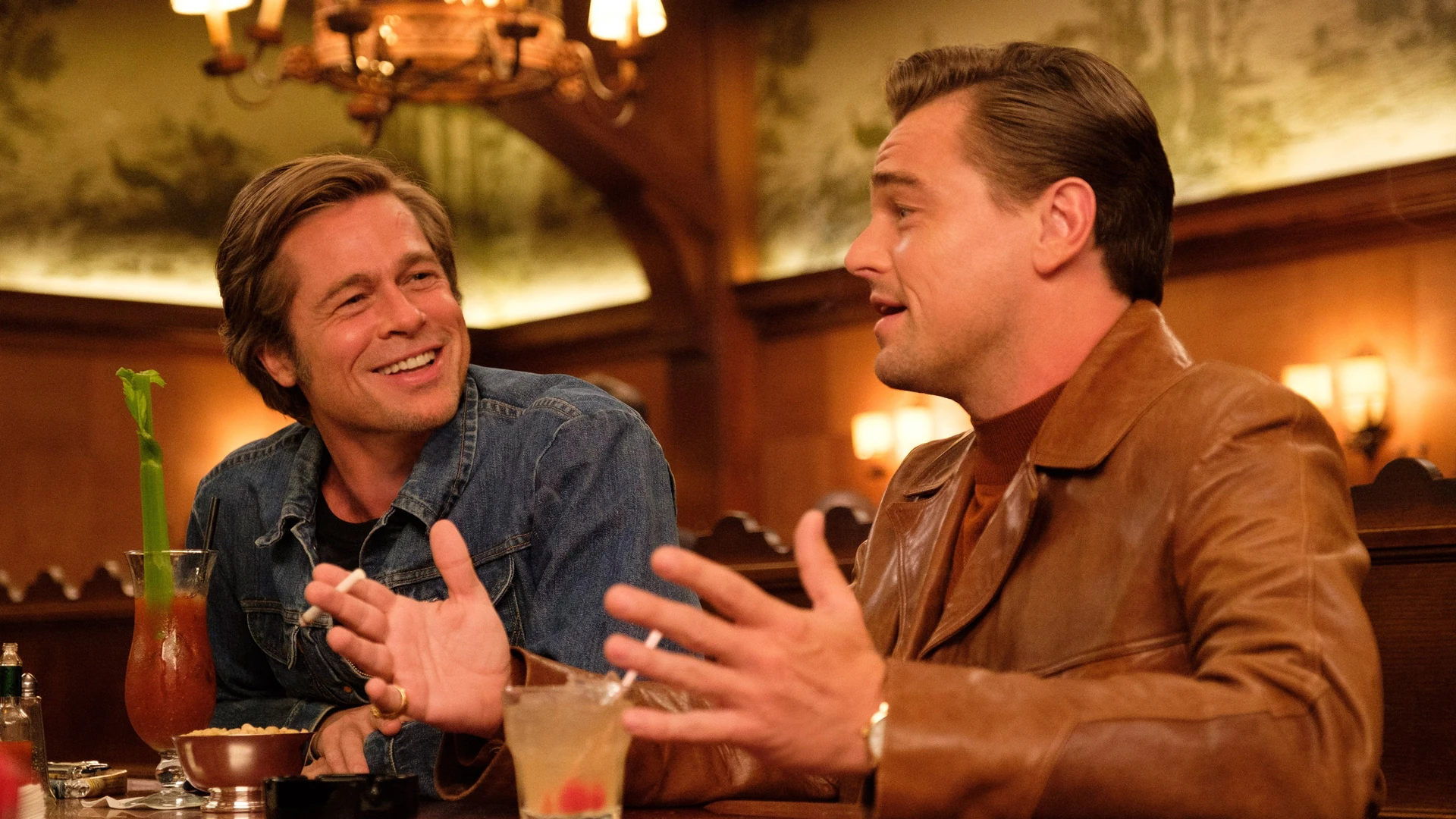
“We are all storytellers. We all live in a network of stories. There isn’t a stronger connection than a story.” — Albert Camus
Quentin Tarantino’s Once Upon a Time… in Hollywood landed in 2019 like a sun-drenched, melancholic dream, a sprawling, almost aimless odyssey through a meticulously recreated 1969 Los Angeles. It’s a film that, like many of Tarantino’s works, drew its share of both fervent adoration and pointed criticism. While many critics lauded its technical mastery, stellar performances, and immersive atmosphere, general audiences and some reviewers found its deliberate pacing indulgent, its narrative structure meandering, and its treatment of certain historical figures — particularly Sharon Tate and Bruce Lee — to be problematic or lacking in depth. Yet, despite these very real and valid critiques, the film unfurls a profoundly philosophical tapestry, inviting us to ponder memory, destiny, and the myth-making power of cinema itself.
The Labyrinth of Memory and Myth-Making
Tarantino’s film is, at its heart, a love letter to a bygone era of Hollywood, but it’s a love letter scrawled on the back of a revisionist history textbook. We follow Rick Dalton (Leonardo DiCaprio), a fading TV Western star grappling with obsolescence, and his loyal stunt double and best friend, Cliff Booth (Brad Pitt), a man whose cool detachment belies a mysterious past. Their struggles are set against the backdrop of a vibrant, yet subtly decaying, Los Angeles, where the promise of the 1960s is about to curdle into the grim reality of the 1970s.
The film’s very title, Once Upon a Time… in Hollywood, signals its fairy tale intention, an invitation to suspend disbelief and accept a reality crafted more by desire than by strict historical fact. This immediately plunges us into a philosophical debate: What is the nature of truth when narrative intervenes? Tarantino isn’t just retelling history; he’s actively reimagining it, offering a fantastical “what if” that speaks to a collective longing for a different outcome to one of Hollywood’s most tragic chapters. Some critics found this approach irresponsible, trivializing real pain, while others saw it as a powerful, albeit controversial, exploration of grief and catharsis through art. It forces us to confront our own nostalgia and the human tendency to sanitize or rewrite painful pasts.
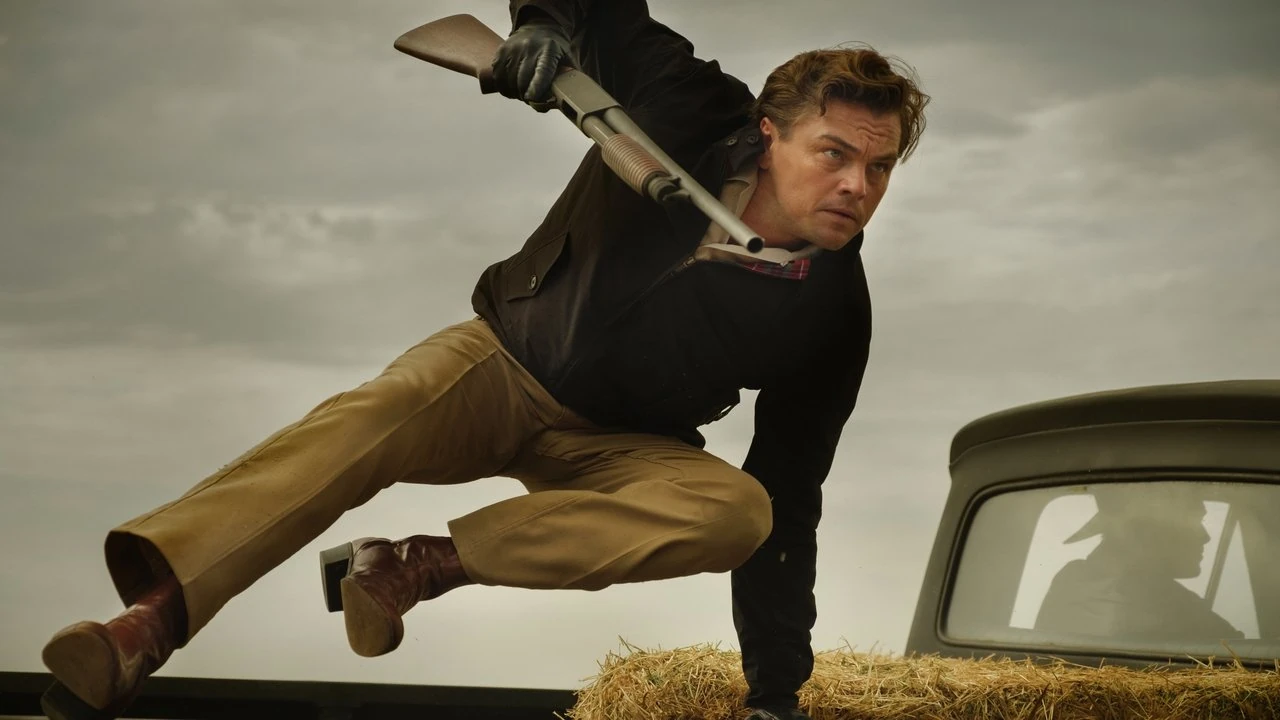 Rick Dalton, caught between fading glory and an uncertain future, embodies the existential struggle of an artist.
The Weight of What-Ifs and the Illusion of Control
Rick Dalton’s journey is one of profound existential angst. He’s an actor haunted by the specter of irrelevance, constantly questioning his choices, his talent, and his place in a rapidly evolving industry. His emotional volatility and self-doubt are juxtaposed with Cliff Booth’s easygoing, almost stoic acceptance of his lot. Cliff, a man seemingly content to live on the fringes, represents a different kind of freedom—the freedom found in detachment, or perhaps, resignation. Their dynamic explores the different ways humans cope with the fragility of identity and the relentless march of time.
Many viewers, while praising DiCaprio’s raw performance, found Rick’s protracted anxieties and the film’s unhurried pace occasionally taxing. The long stretches of Rick working on set, or Cliff driving around L.A., felt like filler to some, a testament to Tarantino’s self-indulgence. Yet, philosophically, these moments are crucial. They immerse us in the feeling of a life drifting, of time passing, of the daily grind that defines existence even in the glamorous world of Hollywood. It’s a meditation on the banality of being amidst the extraordinary, and how the “what-ifs” of a career, or a life, can become a crushing burden. The film doesn’t just show us a story; it makes us experience the slow burn of its characters’ lives.
The real terror isn’t the dramatic downfall, but the quiet, agonizing slide into irrelevance, where the choices not made weigh heavier than the ones that were.
The film’s depiction of Sharon Tate (Margot Robbie) also sparked considerable debate. Some felt her portrayal was too passive, lacking agency, reducing her to a symbol rather than a fully realized character. Others argued that her ethereal, joyful presence served a specific narrative purpose: to represent the innocence and promise that was brutally extinguished, making the film’s ultimate intervention all the more potent. Her scenes, often silent and observational, invite us to contemplate beauty, innocence, and the arbitrary nature of fate.
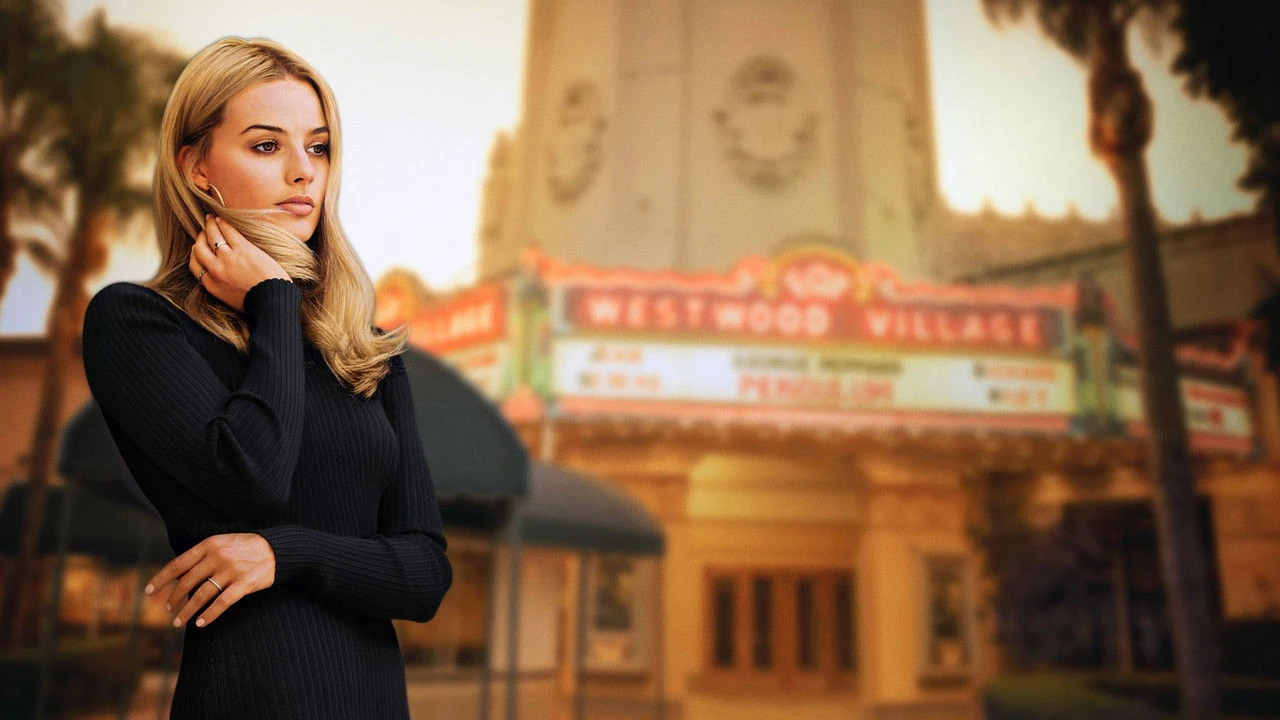 Cliff Booth’s effortless cool belies a deeper philosophical acceptance of his place in the world.
The Violent Poetry of Untamed Desires
The controversial climax of Once Upon a Time… in Hollywood is where Tarantino fully unleashes his revisionist fantasy. The film’s leisurely build-up culminates in a sudden, brutal, and deeply cathartic act of violence that rewrites history, saving Sharon Tate and her friends from their real-life fate at the hands of the Manson Family. This ending, while viscerally satisfying for many who wished for a different outcome to the tragic events of 1969, was also decried by others as gratuitous, morally dubious, or a simplistic resolution to complex historical trauma.
Philosophically, this ending is a masterstroke in exploring the power of narrative to impose meaning, justice, and even a twisted form of grace upon an otherwise senseless reality. It asks: If we could, should we rewrite the past? What does it say about our collective psyche that we crave such a violent correction? It speaks to the human desire for order, for justice, even if it’s a fabricated one. The film becomes a meta-commentary on the very nature of storytelling – not just as a reflection of reality, but as a force capable of altering it, at least within the confines of the cinematic dream. It’s a bold declaration that sometimes, fantasy offers a more profound truth than fact.
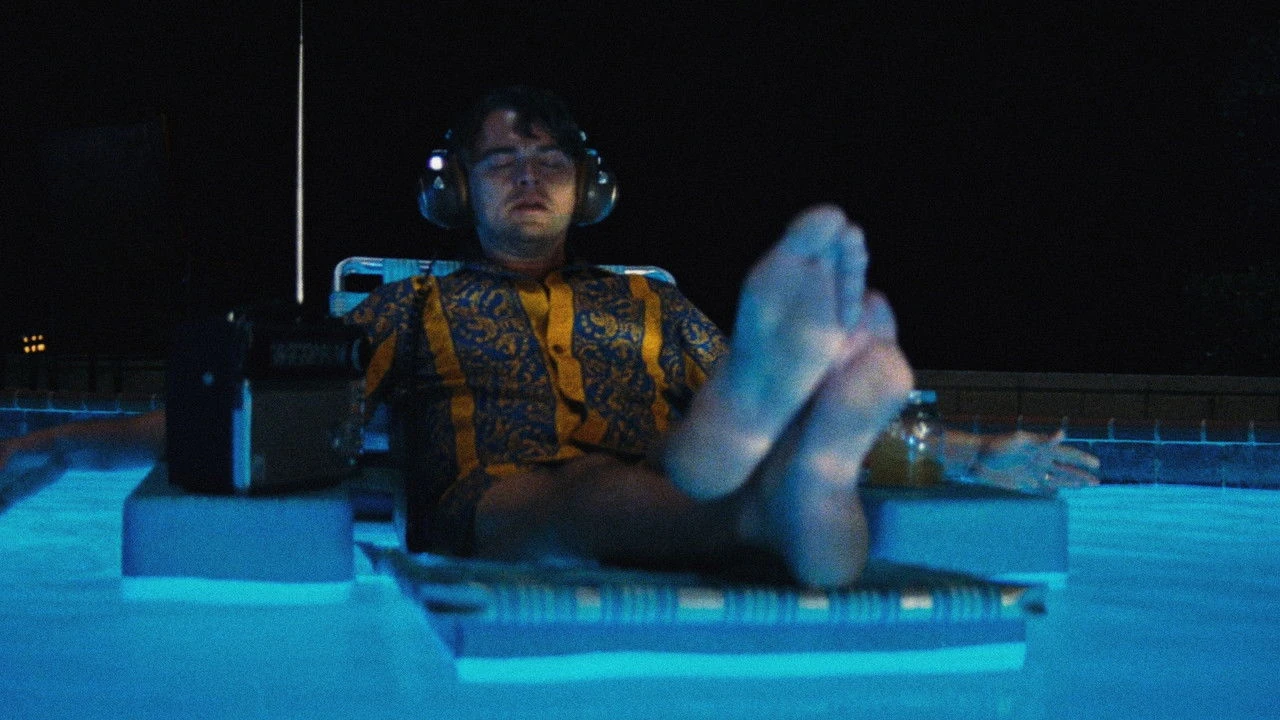 Sharon Tate, a radiant symbol of 1960s promise, walks towards an uncertain, yet hopeful, destiny within the film’s altered reality.
To rewrite history, even in fiction, is to confront the terrifying fragility of what was, and the seductive, dangerous allure of what could have been. It’s a reminder that our stories, not just our facts, define our reality.
Once Upon a Time… in Hollywood is undeniably a flawed masterpiece, a film that provokes as much as it entertains. Its meandering pace and certain creative choices drew legitimate criticism, yet its ambition to craft an alternate reality, to explore the anxieties of obsolescence, and to celebrate (and perhaps mourn) a lost era of Hollywood, secures its place as a fascinating philosophical artifact. It’s a meditation on the stories we tell ourselves, the myths we build around our past, and the enduring, often violent, power of cinema to shape our perception of both. What mirrors does it hold up to our own desires for a different past, for justice, or simply, for a better story?
Where to Watch
- fuboTV
- YouTube TV
What’s Up? explores the philosophical depths of cinema.