The Absurdity of Absolute Peace: Dissecting Peacemaker's Bloody Heart
Exploring the philosophical paradox of Peacemaker 2022 – a show that blends crude humor with profound questions about identity, trauma, and the true cost of peace.
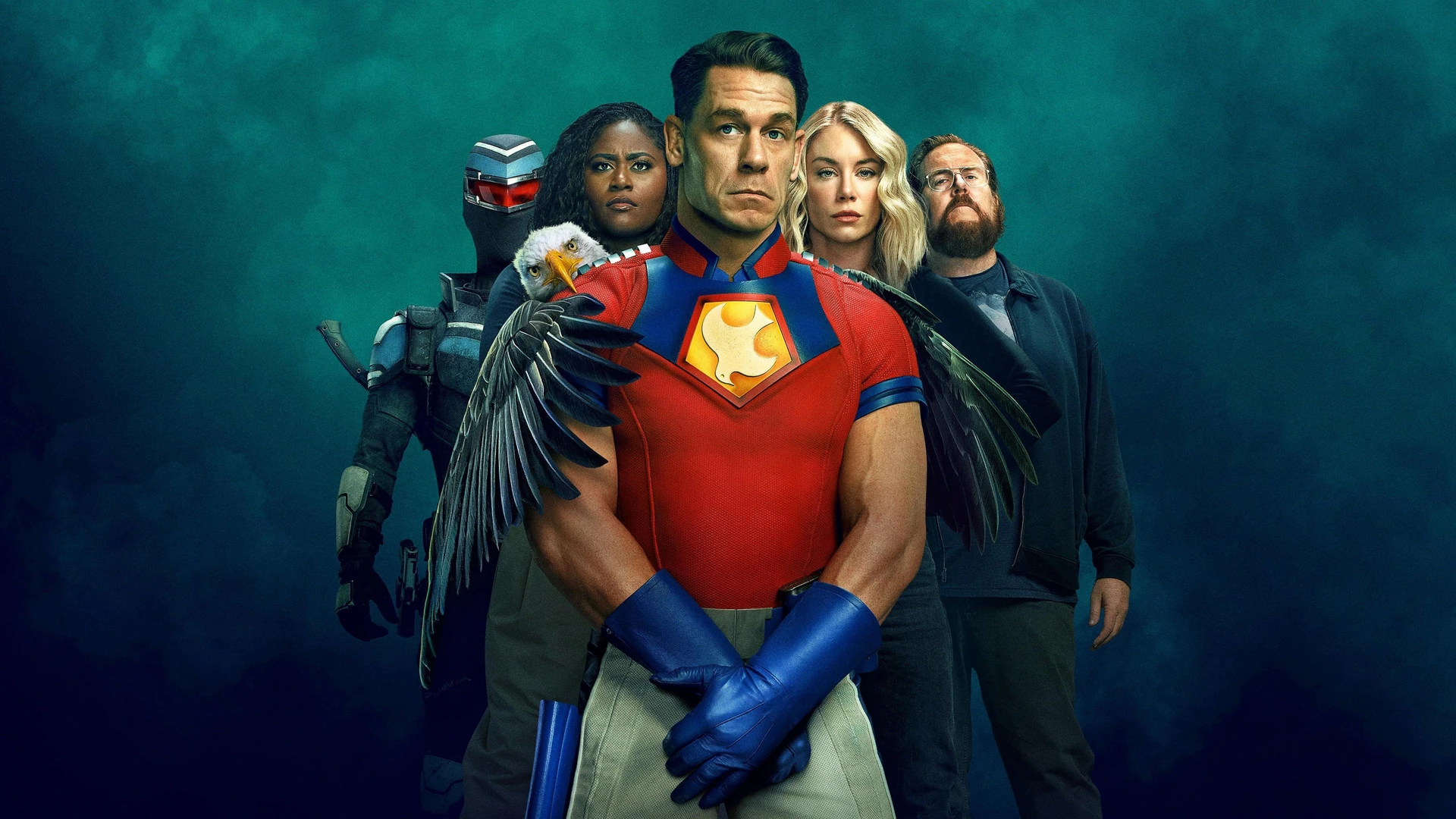
“Man is condemned to be free; because once thrown into the world, he is responsible for everything he does.” — Jean-Paul Sartre
When Peacemaker landed on our screens in 2022, few expected a superhero spin-off, born from the gonzo mayhem of The Suicide Squad, to be anything more than a riot of blood-splattered laughs and explicit language. Yet, under the chrome helmet and banana hammock, James Gunn’s series, starring a surprisingly nuanced John Cena, delivered something far more profound. It wasn’t just a critical darling, earning a Certified Fresh 94% on Rotten Tomatoes and strong scores across the board, but a deeply felt exploration of trauma, identity, and the utterly contradictory nature of peace. While some viewers, understandably, might have been put off by its relentless crudeness, gratuitous gore, or the sheer audacity of its musical numbers, Peacemaker transcended its surface-level shock value to become a surprisingly tender, often heartbreaking, meditation on what it means to be a hero – or, perhaps more accurately, what it means to be a deeply flawed human being attempting to become one.
The Bloody Pursuit of Peace: An Ethical Paradox
The central conceit of Peacemaker is its protagonist, Christopher Smith, aka Peacemaker, a man who “cherishes peace with all his heart. Doesn’t care how many men, women, and children he has to kill to get it.” This isn’t just a catchy tagline; it’s the show’s philosophical cornerstone, a violent paradox that forces us to grapple with the very definition of ethical action. From a utilitarian perspective, one might argue that achieving ultimate peace, even through extreme violence, could be justified if it prevents greater suffering. But Peacemaker quickly dismantles this cold calculation, showing us the devastating psychological toll such a philosophy takes on the individual.
Chris’s unwavering, albeit misguided, commitment to peace is rooted in a twisted upbringing, a desperate attempt to earn his monstrous father’s approval. The series doesn’t shy away from depicting the brutal consequences of his past actions, nor does it excuse them. Instead, it uses the comedic absurdity – a talking eagle, an alien invasion of butterfly-like creatures – to highlight the profound disconnect between Peacemaker’s outward bravado and his inner turmoil. Critics overwhelmingly praised how the show managed to pivot between gut-busting humor and moments of genuine pathos, often within the same scene. This tonal tightrope walk, while occasionally jarring for some who found the humor too juvenile or the violence too extreme, was precisely where Peacemaker’s philosophical strength lay. It dares us to laugh at the ridiculous, then immediately asks us to confront the tragic underpinnings of that laughter.
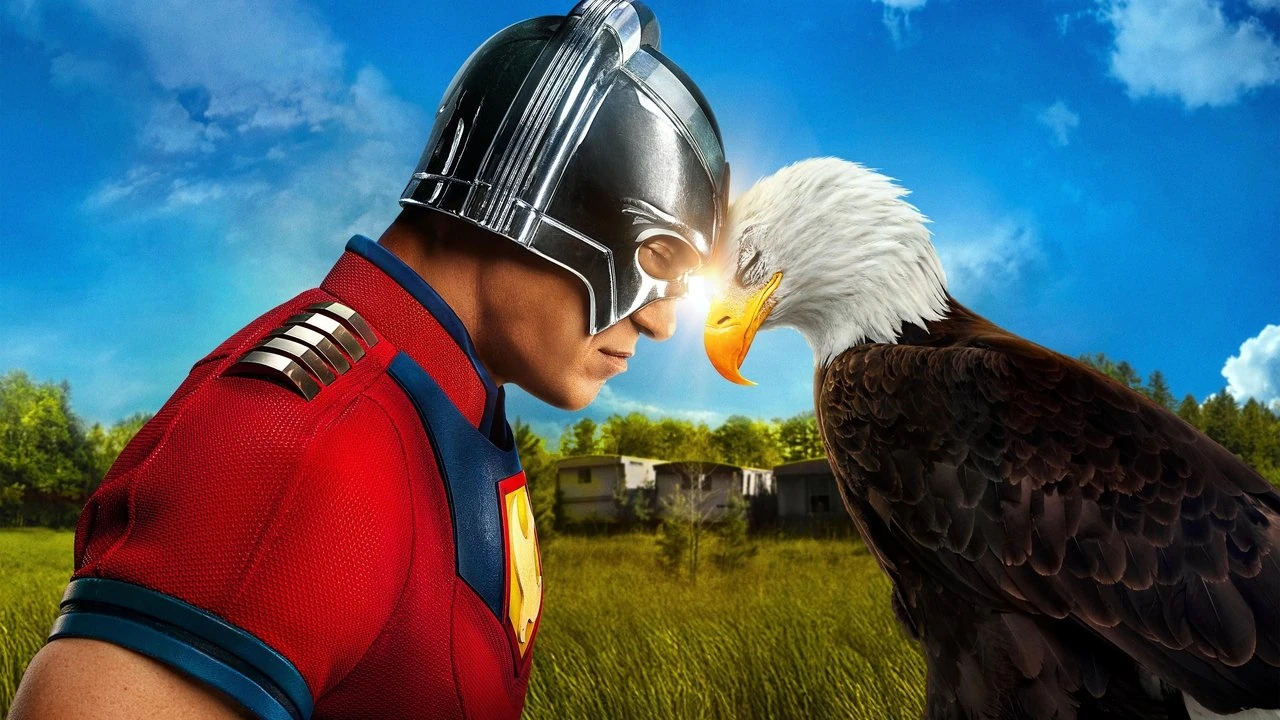 Peacemaker, helmet in hand, reflecting on the weight of his chosen path.
Unpacking the Helmet: Trauma, Identity, and Found Family
What truly elevates Peacemaker beyond mere superhero parody is its unflinching look at the psychology of its titular anti-hero. Beneath the shiny helmet and bravado, Chris Smith is a man drowning in toxic masculinity and intergenerational trauma. His father, Auggie Smith (the white supremacist supervillain White Dragon), looms large over his life, a constant, abusive presence even after his physical removal. This deep-seated trauma manifests in Chris’s arrested development, his desperate need for external validation, and his inability to form healthy emotional connections.
Peacemaker bravely suggests that true heroism isn’t about saving the world from external threats, but about the arduous, messy, and often embarrassing journey of saving oneself from internal demons.
The series masterfully uses Chris’s interactions with his motley crew – the stoic Emilia Harcourt, the cynical John Economos, the idealistic Leota Adebayo, and the unhinged Vigilante – to slowly chip away at his hardened exterior. These relationships become a crucible for his redemption, a surrogate family that offers him something his biological one never could: unconditional acceptance and a mirror to his own failings. Danielle Brooks’ Leota Adebayo, in particular, acts as a moral compass, constantly challenging Chris’s simplistic worldview and forcing him to confront the human cost of his “peace at any cost” mantra. John Cena’s performance, lauded by critics, is crucial here; he imbues Peacemaker with a vulnerability and emotional fragility that few would expect from a muscle-bound wrestler, making his journey of self-discovery genuinely compelling. The show, despite its R-rated antics, presents a nuanced argument for the healing power of community and empathy in breaking cycles of violence and trauma.
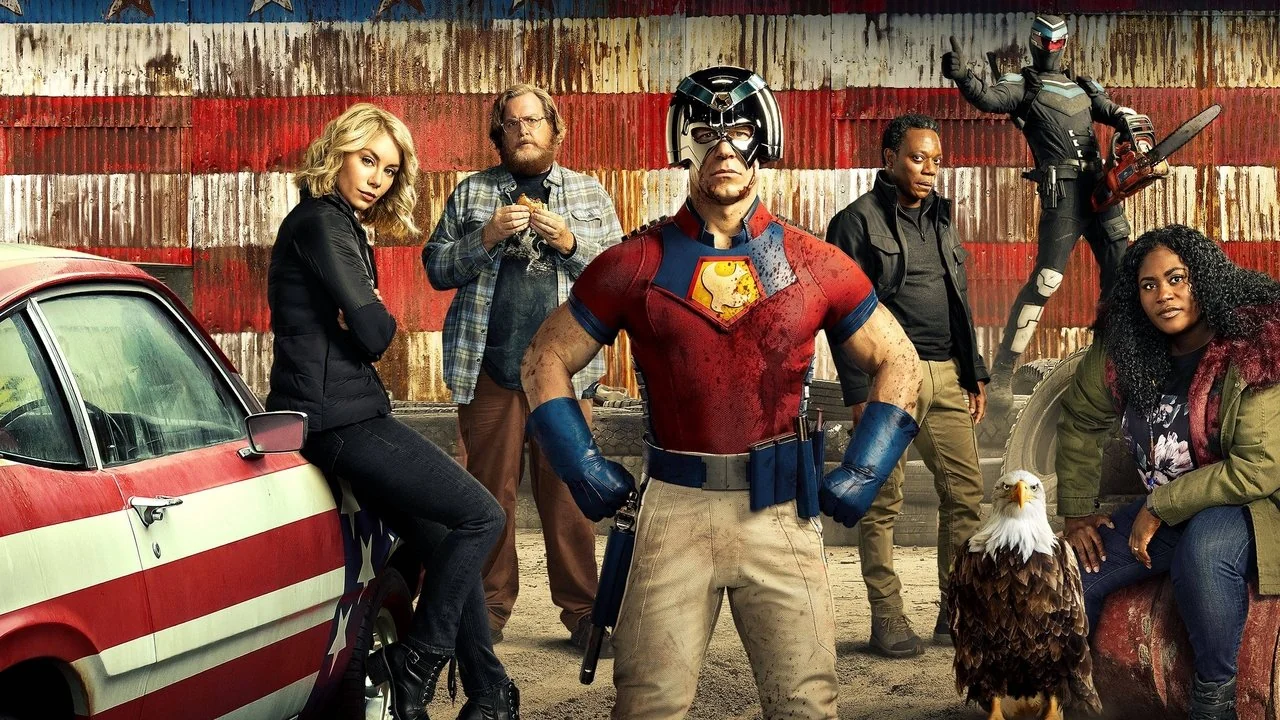 The unlikely team, a found family, standing together against an alien threat, symbolizing unity in chaos.
Beyond the Banana Hammock: The Existential Weight of Choice
The overarching narrative of the Butterflies – an alien species intent on saving Earth through authoritarian control – serves as a metaphysical backdrop for Chris’s personal battle. It asks a fundamental question: Is a peaceful world, achieved through the suppression of free will, truly peaceful? The show posits that freedom, even with its inherent chaos and suffering, is inextricably linked to true peace. It’s a stark reminder that benevolent dictatorship, no matter how well-intentioned, remains a form of oppression.
Peacemaker is, at its heart, an existential drama disguised as a superhero comedy. It forces us to confront the burden of choice, the difficulty of distinguishing right from wrong in a world of moral grays, and the constant struggle to define one’s own identity outside of external pressures. Chris Smith’s journey isn’t about becoming a perfect hero; it’s about acknowledging his past, accepting his flaws, and forging a new path based on his own evolving understanding of justice and peace, rather than his father’s twisted ideology. This isn’t a clean, sanitized redemption; it’s messy, violent, and often involves dancing in his underwear. But that’s precisely its power – it’s a redemption that feels earned because it’s so deeply, painfully human.
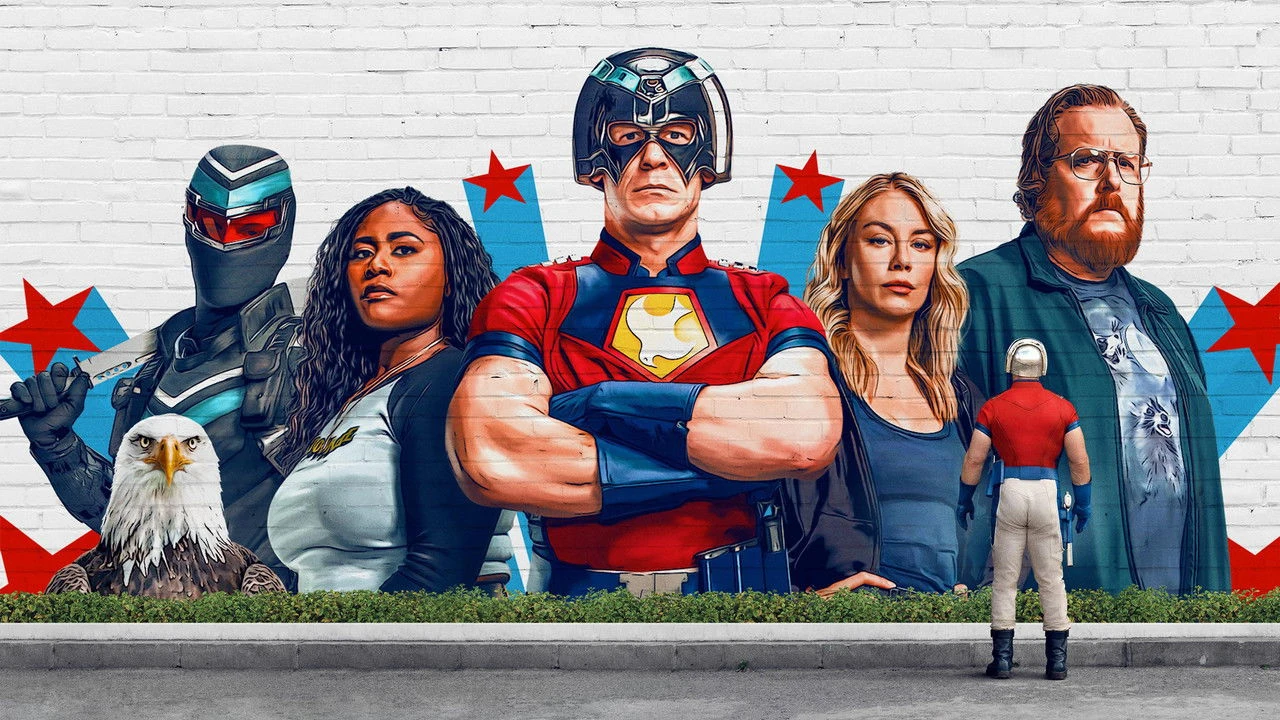 Peacemaker, in a moment of quiet contemplation, the weight of his choices etched on his face.
The lingering question Peacemaker leaves us with isn’t whether peace can be achieved at any cost, but rather, what kind of human are we willing to become in the pursuit of any ideal, however noble?
While its brand of humor and violence might not be everyone’s cup of tea, making it a polarizing watch for some, Peacemaker undeniably delivers a powerful, poignant narrative wrapped in an explosion of absurdity. It’s a testament to the idea that even the most bombastic and crude genres can house profound philosophical inquiries. It asks us to look beyond the superficial, to question our own definitions of heroism and villainy, and to believe in the possibility of growth, even for a man who wears a dove on his helmet and leaves a trail of bodies in his wake.
Where to Watch
- HBO Max
- HBO Max Amazon Channel
- TNT
What’s Up? explores the philosophical depths of cinema.