The Razor's Edge of Ambition: What Peaky Blinders Tells Us About Ourselves
Peaky Blinders, while acclaimed for its style and performances, offers a raw, existential look at power, trauma, and the price of ambition.
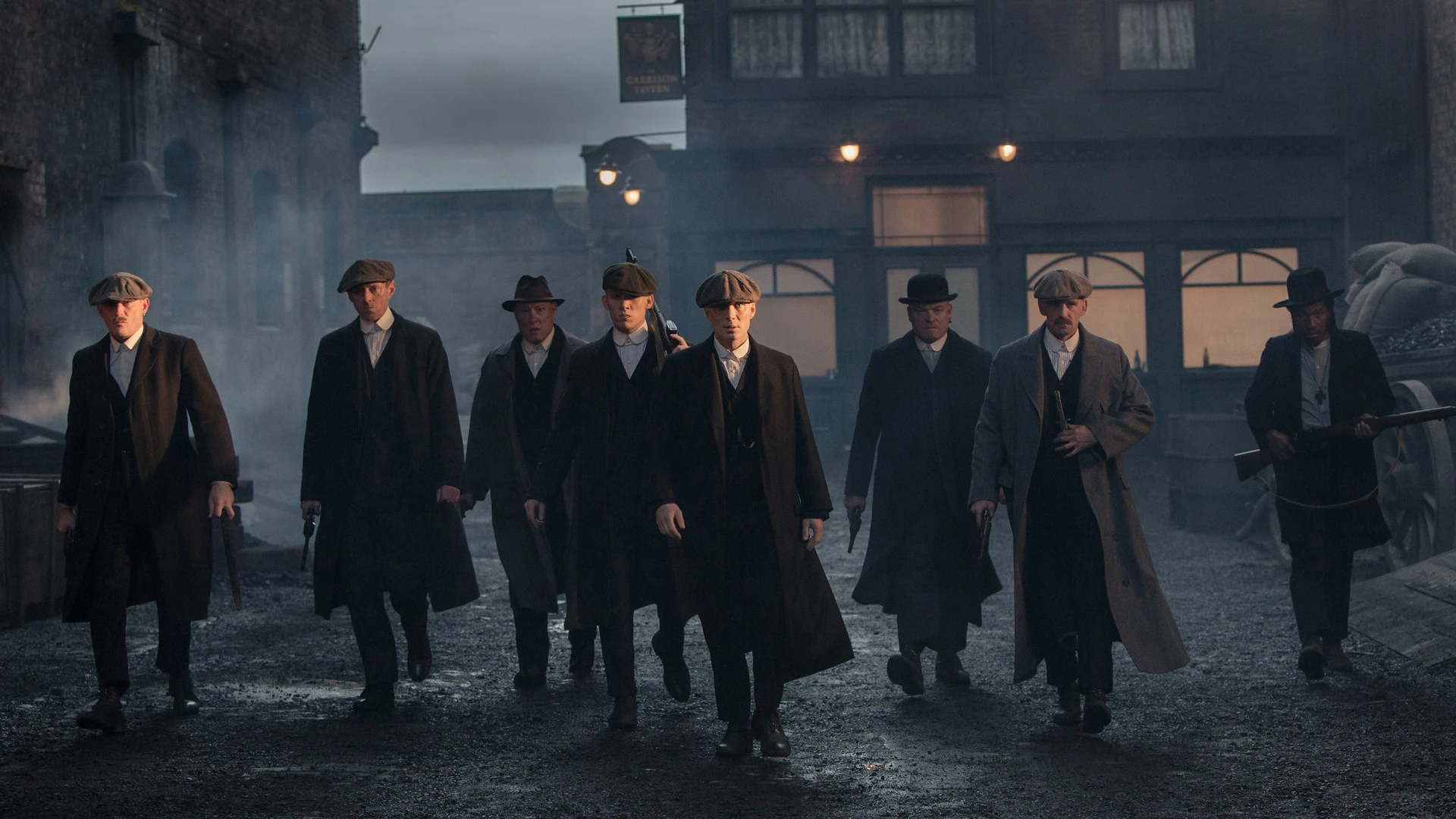
“Man is condemned to be free; because once thrown into the world, he is responsible for everything he does.” — Jean-Paul Sartre
From the moment Cillian Murphy’s Tommy Shelby first strides through the grimy, smoke-choked streets of post-Great War Birmingham, Peaky Blinders announced itself as more than just another gangster drama. It’s a stylized, often brutal, and deeply atmospheric dive into the cutthroat world of the Shelby family, their razor-sharp ambition, and the relentless pursuit of power. While largely lauded by critics and audiences alike for its aesthetic prowess, compelling performances, and gripping narrative, it’s a series that, like its protagonist, isn’t without its shadows and the occasional stumble. Yet, even in its perceived flaws, Peaky Blinders forces us to confront profound questions about identity, morality, and the very nature of human will.
The Crucible of Will and Wounds
The core of Peaky Blinders lies in the almost nihilistic ambition of Tommy Shelby. Fresh from the horrors of the Western Front, he returns not seeking peace, but a new kind of war, aiming to claw his way out of the industrial soot and into the halls of power. This isn’t merely about wealth; it’s about control, respect, and perhaps, a desperate attempt to impose order on a chaotic world that scarred him. Critics, by and large, have celebrated Cillian Murphy’s magnetic portrayal, often citing his ability to convey both cold cunning and profound internal suffering. His performance anchors the series, providing a compelling, if deeply unsettling, focal point for its philosophical explorations.
However, it’s also here that some critiques occasionally surface. While the show’s aesthetic—the slow-motion walks, the anachronistic rock soundtrack, the brooding cinematography—is often praised as part of its unique charm, a minority of reviewers and viewers have suggested that this intense stylization can sometimes border on style over substance. Is Tommy’s unshakeable resolve always earned, or is it sometimes a narrative convenience dressed in a cool coat? This isn’t to diminish the show’s impact, but rather to acknowledge that even in a celebrated work, the line between deliberate artistic choice and potential narrative shortcut can be blurry. The sheer force of Tommy’s will often feels unstoppable, raising questions about whether his triumphs are always organically derived or if the plot sometimes bends to his indomitable spirit.
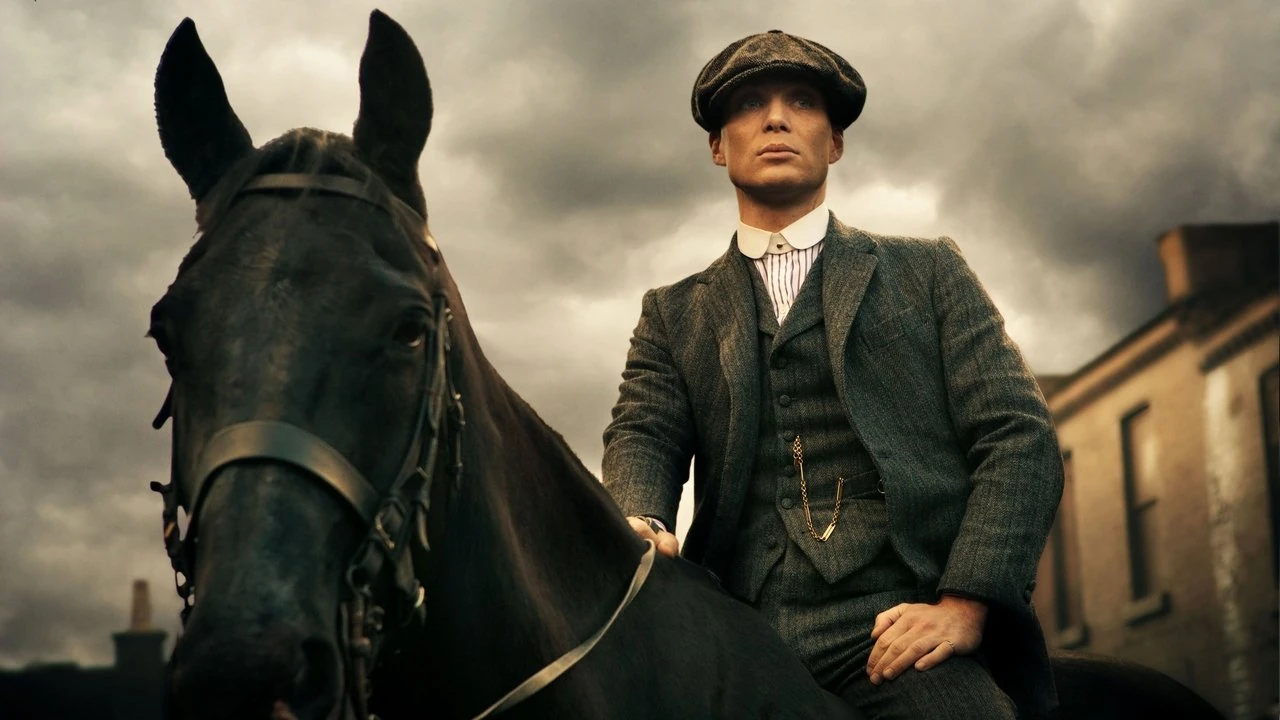 Tommy Shelby, a man haunted by war, forging his destiny in the fires of ambition.
The Cost of ‘Moving Up’ and the Echoes of Trauma
The series’ central premise—a gangster family wanting to “move up in the world”—is a rich vein for philosophical inquiry. What does it mean to move up? For Tommy, it’s a relentless, often violent, ascent through social strata, from back-alley bookie to legitimate businessman and even politician. This journey is a brutal examination of moral relativism. The Shelby family operate by their own code, one where loyalty is paramount, and violence is a tool, not an anomaly. They commit heinous acts, yet we, as viewers, are often compelled to root for them, caught in the intoxicating pull of their charisma and their ‘us against the world’ mentality.
While the show is undeniably brilliant at drawing us into this morally grey area, some critics and audience members have pointed to an occasional repetitiveness in plot structures. Tommy often finds himself in seemingly inescapable traps, only to reveal a meticulously planned escape, sometimes feeling a touch too convenient. This can, for some, detract slightly from the tension, as the audience comes to expect Tommy’s inevitable triumph. Additionally, while the series excels at portraying the psychological toll of WWI on Tommy and his brothers, exploring their PTSD through vivid flashbacks and their hardened demeanour, a few voices have questioned if the show fully delves into the consequences of their escalating violence, sometimes portraying it as a necessary evil rather than a corrupting force.
The true weight of choice isn’t just in the outcome, but in the becoming—the person you forge through each compromise and conquest.
This is where the show truly shines philosophically, even amidst its occasional narrative rhythms. It consistently asks: what is the cost of absolute freedom and power? The Shelby family gain influence and wealth, but at what expense to their souls, their relationships, and their mental well-being? Polly Gray, the matriarch, and Ada Shelby, the intellectual sister, often serve as crucial counterpoints, embodying different forms of strength and challenging Tommy’s ruthless pragmatism. Their struggles highlight the ethical dilemmas inherent in Tommy’s path, reminding us that ‘moving up’ often means leaving pieces of oneself, or others, behind.
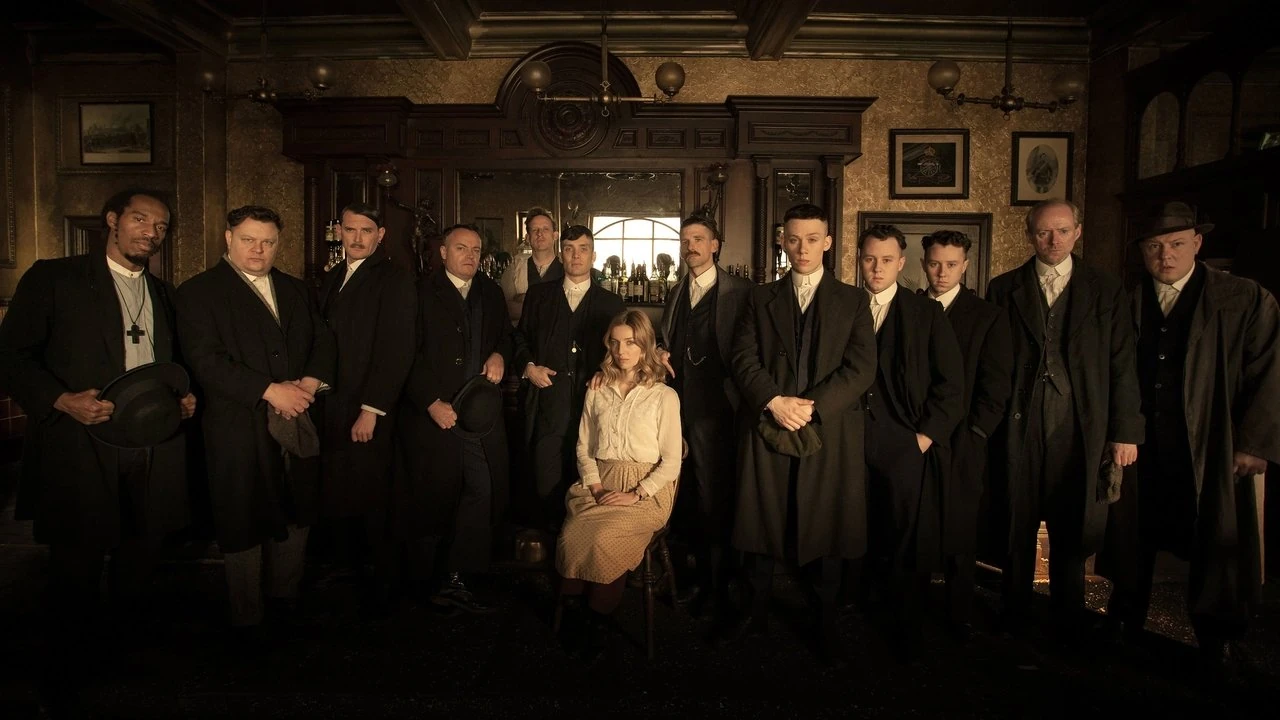 The Shelby family, united by blood and ambition, navigating a world of shifting loyalties.
Beyond the Glamour: An Existential Mirror
Beyond the sharp suits, the iconic haircuts, and the visceral violence, Peaky Blinders dares to ask deeper, more existential questions. Is Tommy Shelby truly free, or is he a prisoner of his own ambition, his trauma, and the brutal world he inhabits? He is driven by an unshakeable belief in his own destiny, often stating “I’m not a man of God.” This rejection of external moral authority places him firmly in a self-made universe, where his will dictates his reality. Yet, his constant struggles with his conscience, his visions, and his moments of profound loneliness suggest a man deeply at odds with the very path he has chosen.
The series is a masterclass in portraying the fragility of identity when confronted with overwhelming power and the scars of the past. Tommy constructs an impenetrable facade, but beneath it lies a man perpetually searching for meaning, or perhaps, an escape from the meaninglessness of his violent existence. The relentless forward momentum of the plot mirrors his own inability to stop, to find peace. It’s a dark dance with fate, where every victory seems to usher in a new, more dangerous challenge.
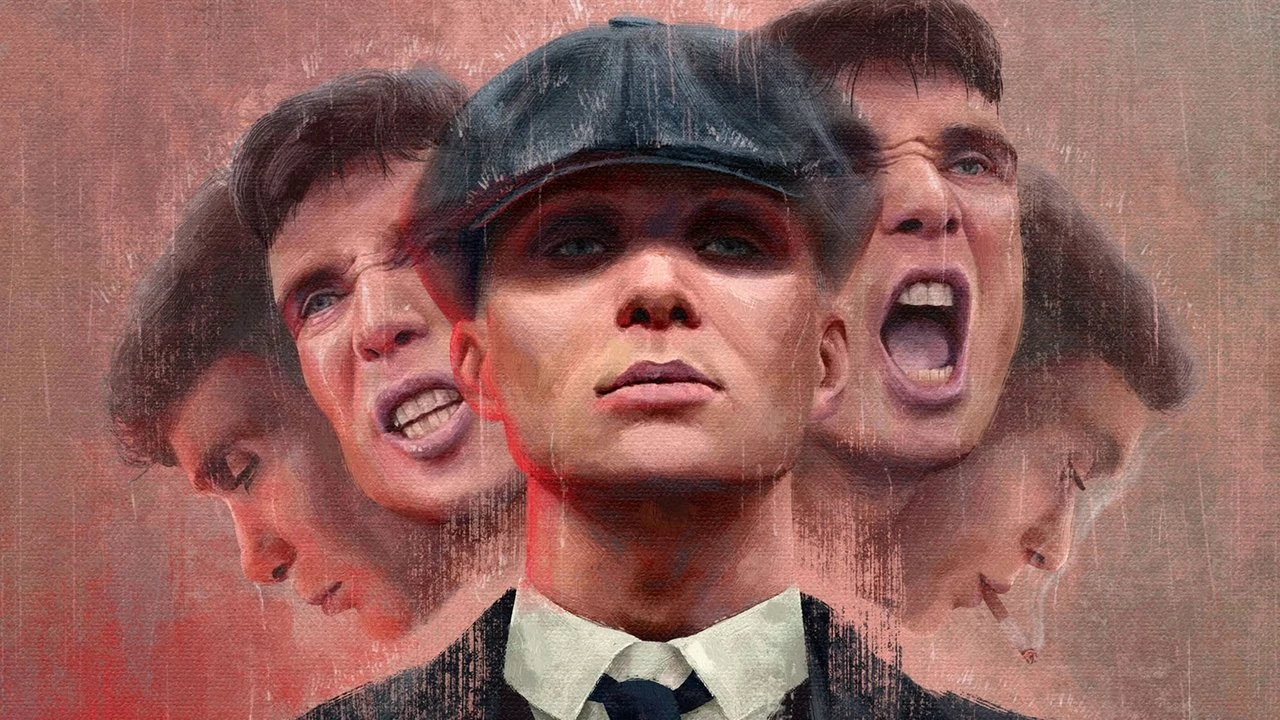 The gaze of Tommy Shelby reflects a man perpetually caught between the past he cannot escape and the future he relentlessly pursues.
“The world breaks everyone, and afterward, some are strong at the broken places.” — Ernest Hemingway, a sentiment Tommy Shelby embodies, even as those broken places continue to haunt him.
Peaky Blinders is an electrifying, stylish, and often brutal spectacle that, despite its occasional narrative familiarities or perceived emphasis on aesthetics, offers a profound philosophical canvas. It holds up a mirror to the human condition, reflecting our insatiable desire for power, our capacity for both immense loyalty and calculated cruelty, and the enduring, often unseen, scars of trauma. It asks us to consider the price of forging one’s own destiny in a world determined to break you, and whether the ascent to power ever truly brings peace, or merely a different kind of war. It’s a series that resonates not just for its “cool” factor, but for the chillingly accurate portrayal of a man who builds an empire, only to find himself its most vital, and most broken, prisoner.
Where to Watch
- Netflix
What’s Up? explores the philosophical depths of cinema.