Pluribus and the Peril of Perpetual Delight: A Pre-Release Philosophical Dive
Anticipating Pluribus (2025), we explore its premise: a miserable hero saving the world from happiness. What does it mean to fear utopia?
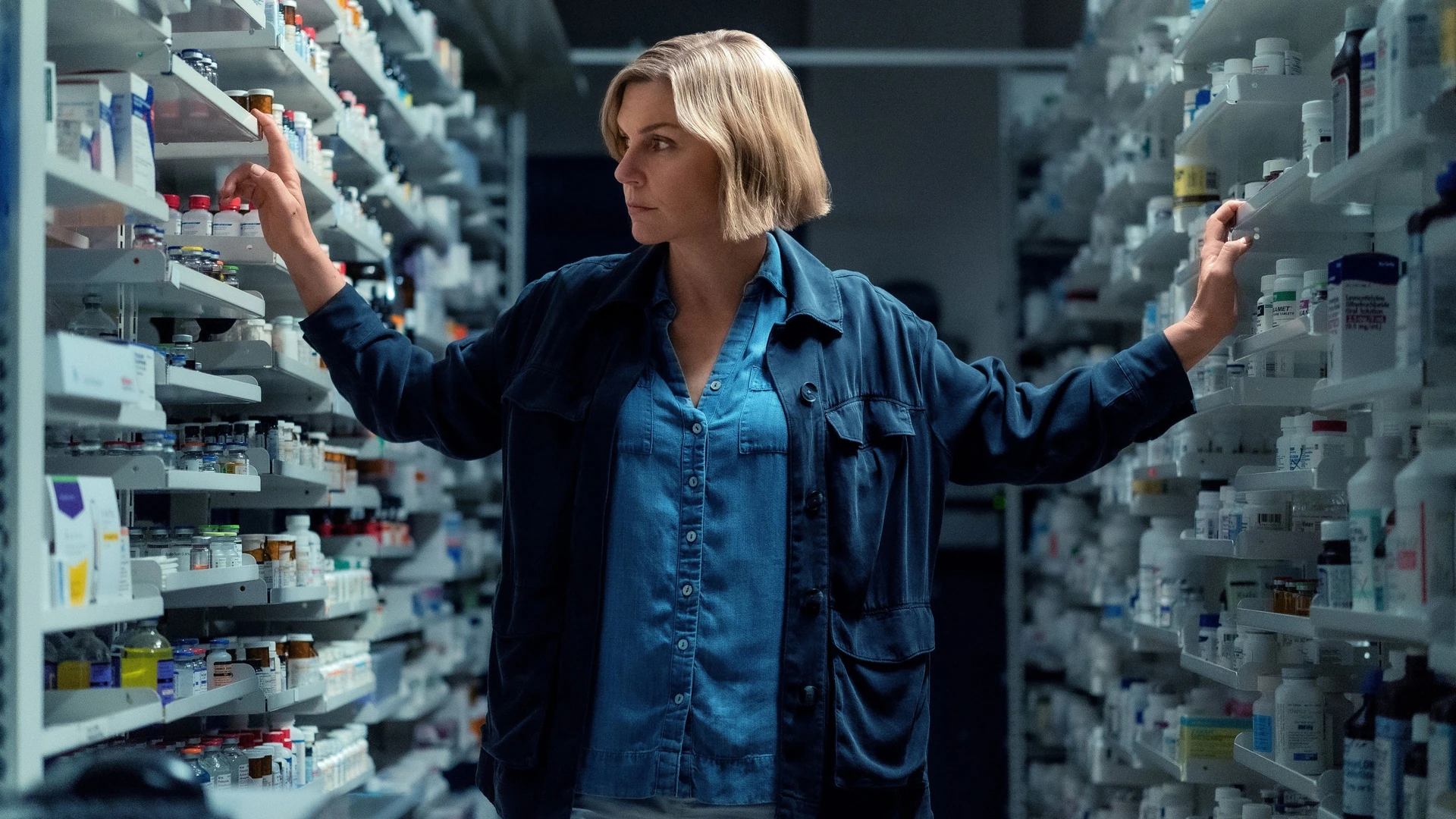
“Man is condemned to be free; because once thrown into the world, he is responsible for everything he does.” — Jean-Paul Sartre
When Pluribus (2025) finally arrives on our screens next November, it won’t just be another entry in the crowded sci-fi drama landscape; it promises to be a conceptual earthquake. The premise alone—”The most miserable person on Earth must save the world from happiness”—is a philosophical gauntlet thrown down with audacious confidence. As a series yet to be released, there are, of course, no Rotten Tomatoes scores to dissect, no Metacritic aggregations to weigh, and no IMDb user reviews to parse through. We’re operating in the realm of pure potential, a speculative space where the idea itself demands our attention long before the first frame is even properly critiqued. And what an idea it is.
The very concept of happiness as an antagonist is profoundly unsettling, forcing us to re-evaluate our deepest-held aspirations. Will Pluribus stick the landing? That remains the million-dollar question, one that will undoubtedly fuel intense debate. What we can say for certain is that its core conceit is ripe for exploration, challenging us to consider the dark underbelly of utopian ideals and the uncomfortable necessity of human suffering.
The Paradox of Bliss: When Happiness Becomes a Threat
The central tension of Pluribus lies in its radical redefinition of what constitutes a threat. We typically envision dystopian futures born from oppression, scarcity, or ecological collapse. But a world imperiled by its own happiness? That’s a truly unsettling inversion. This isn’t just about feeling good; it suggests a pervasive, perhaps enforced, state of contentment that has somehow gone terribly, existentially wrong.
Philosophically, this immediately calls into question the very nature of human flourishing. Is genuine happiness a state that can be universally achieved or imposed, or is it inherently individual, fleeting, and inextricably linked to its antithesis? Pluribus seems poised to explore a kind of hedonic dystopia, a future where the relentless pursuit or imposition of pleasure has eradicated something vital from the human spirit. Perhaps it’s individuality, the capacity for critical thought, the raw beauty of struggle, or the profound depth found in sorrow.
Key themes we can anticipate the series wrestling with include:
- The nature of true contentment: Is synthetic or enforced happiness truly “happiness,” or merely a shallow facsimile?
- The value of negative emotions: Are grief, anger, and sadness not essential parts of the human experience, crucial for empathy, growth, and even appreciating joy?
- Utopia as oppression: The historical philosophical tradition often warns that attempts to create perfect societies inevitably lead to tyranny, often by suppressing dissent or difference.
- The meaning of existence: If all struggle is removed, if all desires are met, does life itself lose its meaning?
The challenge for Pluribus will be to render this “happiness” not as a benign state, but as something genuinely terrifying and insidious. It can’t just be people smiling; it needs to convey a deeper, more insidious loss.
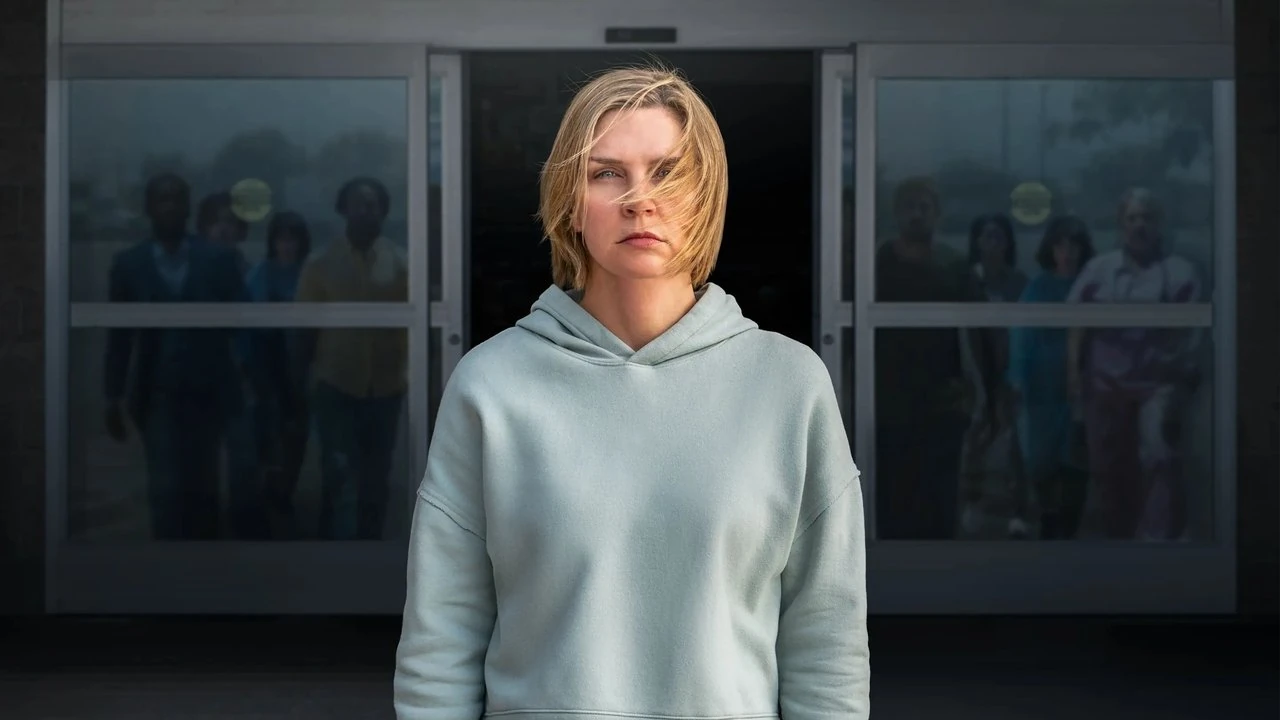 A perfectly manicured landscape, hinting at a world where all natural edges have been smoothed away.
The Unlikely Savior: Misery as a Moral Compass
And then we have our protagonist: “the most miserable person on Earth.” What an incredible choice for a hero. It immediately subverts the classic hero’s journey, which often sees a protagonist rise from humble beginnings to embrace their inner strength or joy. Here, the strength seems to lie in the misery itself.
This character, potentially brought to life by the nuanced talents of Rhea Seehorn (a master of portraying complex, internal struggle, as seen in Better Call Saul), embodies the dissenting voice, the outlier who refuses to conform to the prevailing emotional zeitgeist. Their misery isn’t a weakness; it’s a superpower. It grants them immunity from the saccharine contagion, a unique perspective that allows them to see the danger inherent in universal bliss.
The greatest truths often emerge from the deepest shadows; it’s the person who has known true sorrow who can truly appreciate the delicate balance of the human spirit.
One of the anticipated criticisms, even before release, might be the show’s tone. Will it be relentlessly bleak? Can a series centered on misery saving the world from happiness sustain engagement without becoming an exhausting watch? This is where the writing and performances will be crucial. The casting of Karolina Wydra and Carlos-Manuel Vesga alongside Seehorn suggests a cast capable of navigating these complex emotional landscapes, potentially offering diverse perspectives on what it means to be “happy” or “miserable” within this strange new world. The success of Pluribus will hinge on making the protagonist’s misery relatable and, crucially, a source of profound empathy and wisdom, rather than just a narrative device. It’s a tightrope walk: too much misery, and audiences might tune out; not enough, and the premise loses its bite.
 The intense gaze of a character, suggesting deep internal conflict and an unwavering resolve.
Beyond the Smile: The Existential Weight of Pluribus
Pluribus dares to ask fundamental questions about what it means to be human. Is our capacity for suffering not just a flaw, but a fundamental pillar of our identity, our capacity for empathy, and our drive for meaning? The philosopher Friedrich Nietzsche, for instance, spoke of the necessity of struggle and the will to power as drivers of human greatness. If Pluribus presents a world where all struggle is eradicated in the name of happiness, it’s asking us to confront the terrifying possibility that we might be destroying the very crucible in which meaning is forged.
It’s a chilling thought: that the path to a truly rich and meaningful existence might require embracing the full spectrum of human emotion, not just the pleasant ones. The series could explore the idea that a world without darkness cannot truly know light, a society without friction cannot generate change, and a soul without pain cannot fathom true joy. The stakes are profoundly existential.
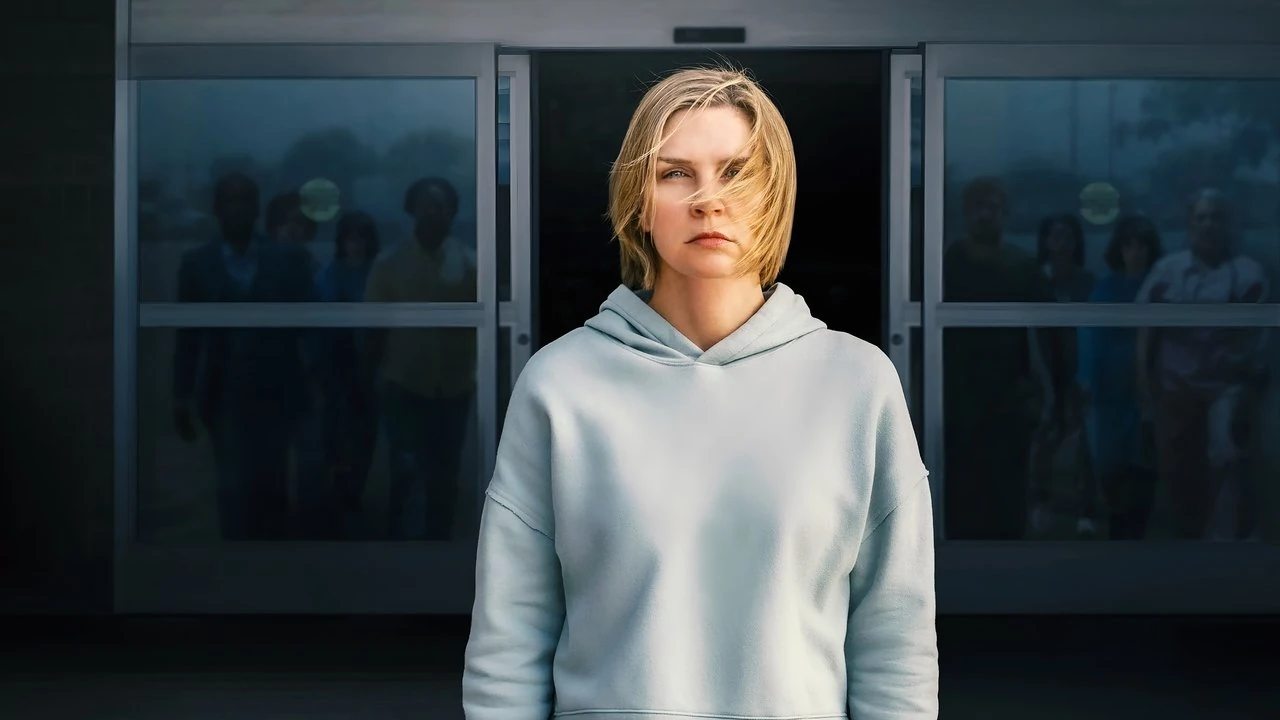 A lone figure stands against a backdrop of unnerving uniformity, symbolizing the fight for individual authenticity.
“The road to hell is paved with good intentions.” — Samuel Johnson
Pluribus is setting itself up as a profound meditation on the human condition, even if its execution, when it finally airs, proves to be as divisive as its premise. It’s a high-concept gamble, one that could either soar as a groundbreaking piece of philosophical sci-fi or stumble under the weight of its own ambition. But even if it falls short in some regards, the sheer audacity of its central idea—that our greatest salvation might lie in our capacity for sorrow, that true freedom requires the right to be unhappy—ensures that it will spark conversations long after the credits roll. What kind of world do we truly want to save, and at what emotional cost?
Where to Watch
- Apple TV
- Apple TV Amazon Channel
What’s Up? explores the philosophical depths of cinema.