When Innocence Becomes a Performance: Presumed Innocent and the Weight of Suspicion
Presumed Innocent (2024) explores the terrifying unraveling of a prosecutor's life when he's accused of murder, delving into truth, justice, and existential dread.
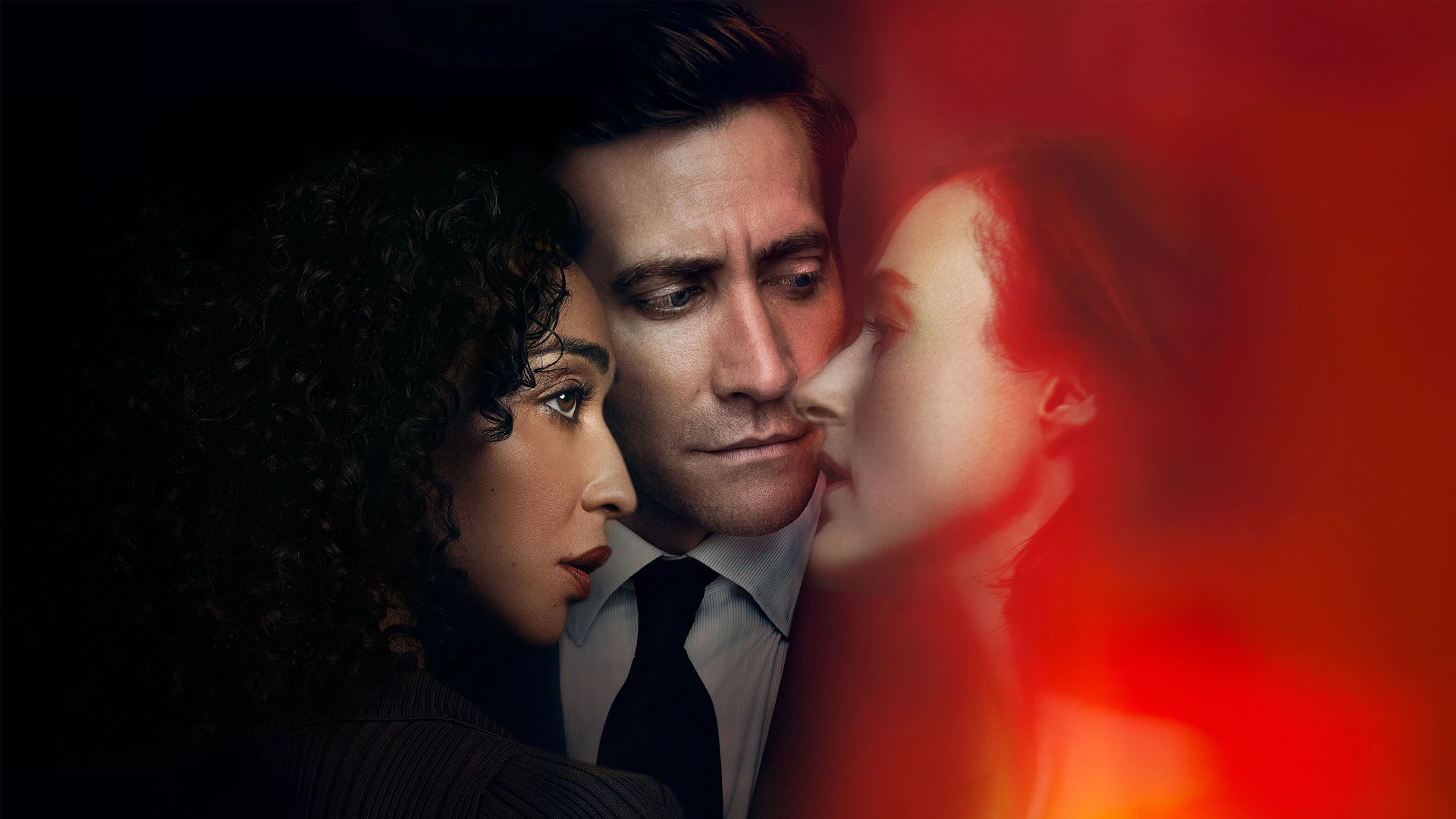
“The only way to comprehend the true nature of innocence is to lose it, even if only in the eyes of others.” — Albert Camus
Apple TV+’s Presumed Innocent (2024) arrived with the weight of a classic novel and a beloved film adaptation on its shoulders, promising a deep dive into the labyrinthine corridors of the American justice system and the human psyche. Starring a perpetually intense Jake Gyllenhaal as Rusty Sabich, a Chicago prosecuting attorney suddenly thrust into the defendant’s chair, the series posits a chilling question: what happens when the system designed to uphold truth turns its gaze upon one of its own? The critical reception has been, to put it mildly, mixed. While many lauded Gyllenhaal’s committed performance and the series’ stylish aesthetic, a significant number of critics and viewers alike found themselves wrestling with its often-deliberate, sometimes-stagnant pacing and a plot that occasionally veered into convolution. Yet, despite these acknowledged stumbles, the series manages to tap into profound philosophical veins, forcing us to confront the nature of truth, the fragility of identity, and the existential burden of suspicion.
The Fragility of Truth and the Performance of Innocence
At its core, Presumed Innocent is a harrowing exploration of how easily an individual’s carefully constructed reality can shatter. Rusty Sabich is a man who has built his life on the bedrock of the law, a pillar of his community, only to find himself accused of the horrific murder of his colleague and lover, Carolyn Polhemus. This immediate inversion of roles—prosecutor becoming the prosecuted—isn’t just a plot device; it’s a profound philosophical crucible. The series brilliantly, if at times sluggishly, illustrates the concept of epistemic uncertainty: the idea that what we “know” to be true is often a construct of perception, evidence, and narrative.
Critics, while praising the premise, often noted the series’ struggle to maintain the tight psychological grip of the original novel or film. The expanded runtime, stretched across eight episodes, meant that the initial shock often dissipated into protracted moments of internal monologue or repetitive plot beats. This can be seen as a flaw in execution, yet it inadvertently highlights a deeper truth: the protracted nature of legal battles and the exhausting, slow-burn erosion of a person’s life under intense scrutiny. Rusty isn’t just fighting a legal case; he’s fighting to reclaim his narrative, to prove his self in a world that now only sees a suspect.
Key themes that emerge from this existential struggle include:
- The Public vs. Private Self — Rusty’s professional persona crumbles, revealing the messy, flawed individual beneath.
- The Nature of Guilt — Not just legal guilt, but moral guilt, complicity, and the weight of secrets.
- The Illusion of Control — Rusty, a man of order, finds his life spiraling into chaos beyond his command.
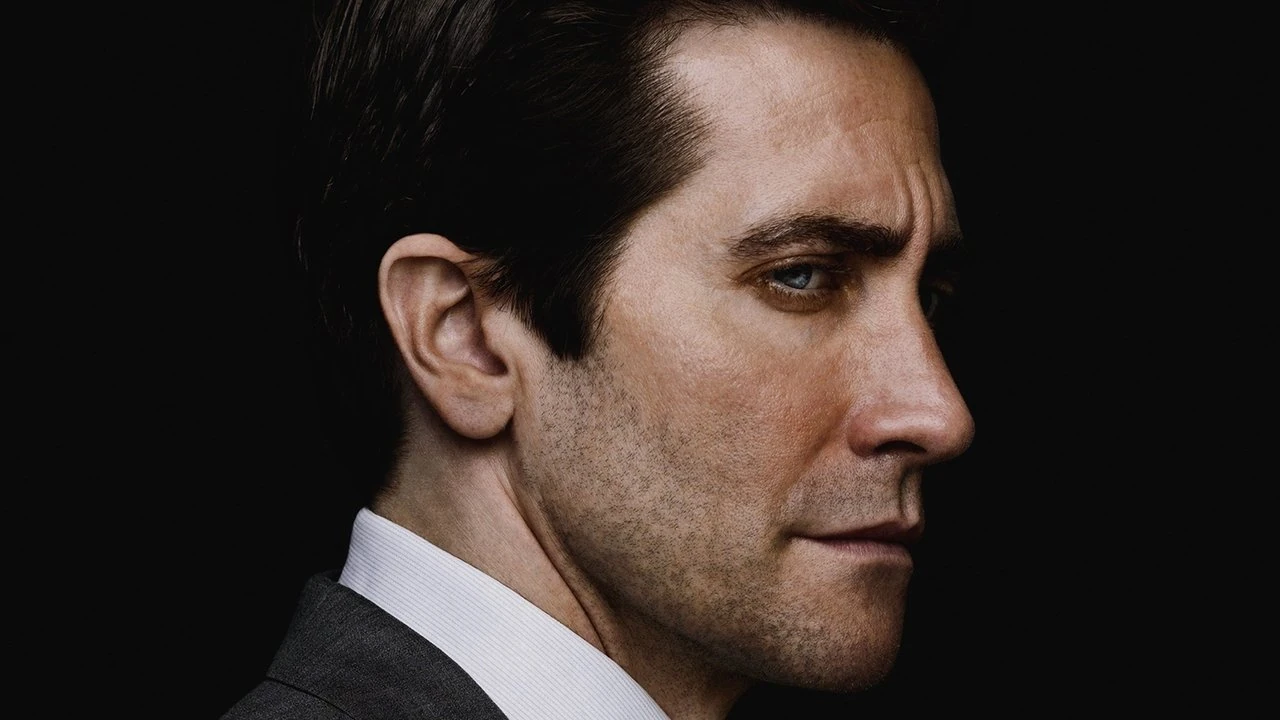 Rusty Sabich, caught in the relentless gaze of the law, grappling with the unraveling of his public identity.
Performance, Pacing, and the Price of Deception
The series’ mixed reception largely hinges on its execution. Jake Gyllenhaal delivers a compelling, often tormented performance, masterfully conveying the internal anguish of a man whose world has collapsed. His eyes, perpetually shadowed with a mix of fear, anger, and desperation, speak volumes. Ruth Negga, as his wife Barbara, also shines, portraying a woman caught between loyalty, betrayal, and a desperate fight for her family’s survival. Their performances are frequently cited as the show’s strongest assets, injecting genuine human drama into the legal machinations.
The most insidious lie isn’t the one told to others, but the one we tell ourselves, painting over the inconvenient truths of our desires and transgressions.
However, the consensus among many reviewers, including those on Rotten Tomatoes and Metacritic, points to uneven pacing as a significant detractor. “It drags,” “feels padded,” and “lacks the urgency of its predecessor” are common refrains. While the slow burn might aim for a sense of escalating dread and forensic detail, it sometimes loses momentum, leading to moments where the narrative meanders. This can leave viewers feeling disconnected from the intensity of Rusty’s plight, even as Gyllenhaal’s performance tries to pull them back in. The plot, with its numerous twists and turns, was also criticized by some for being overly convoluted or, conversely, too predictable in its reveals. These narrative choices, while aiming for intricate mystery, occasionally undermine the philosophical weight the series attempts to carry. It’s a classic example of a powerful concept struggling to find its most effective form in adaptation.
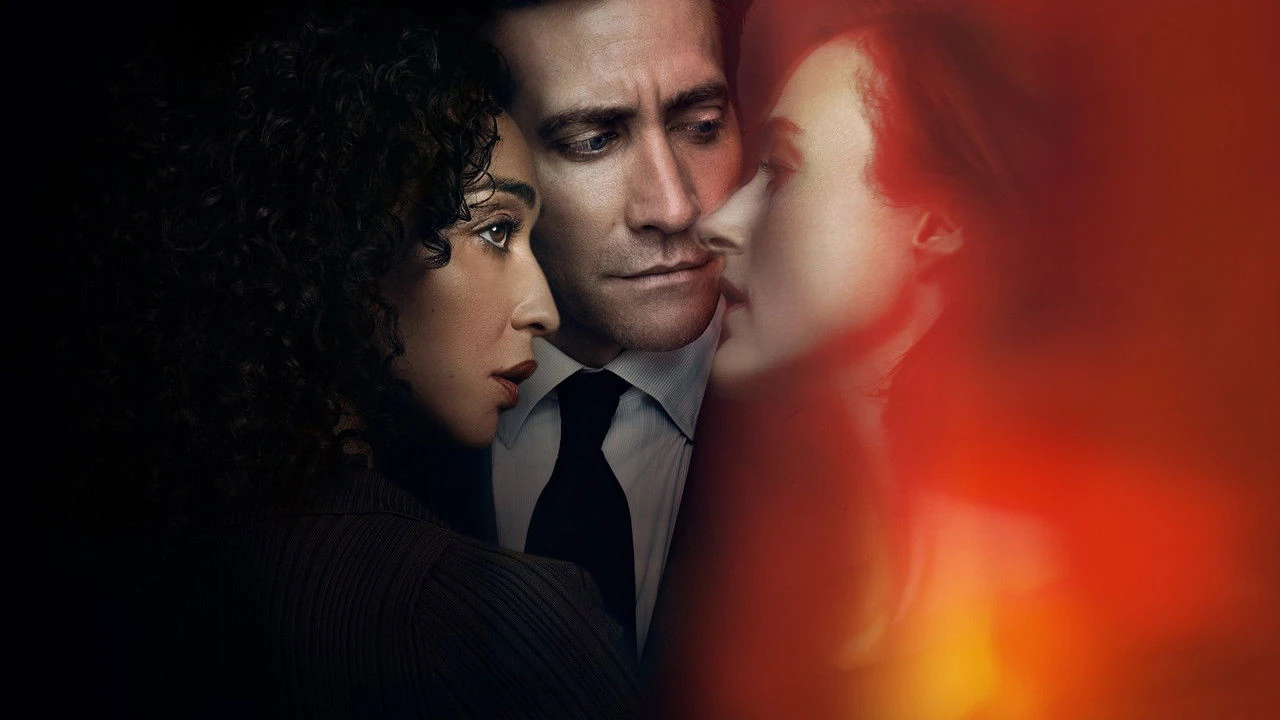 The intense scrutiny of the courtroom mirrors the internal conflict and moral ambiguity of the characters.
The Existential Weight of Suspicion
Despite its acknowledged flaws in pacing and occasional narrative missteps, Presumed Innocent remains a fascinating philosophical text because of the core questions it dares to ask. It pushes us beyond the simple whodunit to ponder the nature of existence itself when one’s entire being is called into question. Rusty isn’t just fighting for his freedom; he’s fighting for his ontological security – his sense of self, his place in the world, his very essence. The series forces us to consider:
- What defines us when our reputation is shredded?
- How much of our identity is externally imposed versus internally forged?
- Can one ever truly be innocent once accused, once the seed of doubt is planted?
The show expertly uses the legal framework to explore broader ethical dilemmas. It’s a stark reminder that the justice system, for all its ideals, is a human construct, susceptible to bias, political maneuvering, and personal vendettas. When the prosecutor becomes the accused, the inherent contradictions and moral gray areas of the law are thrown into sharp relief. Rusty’s journey becomes an existential descent, a confrontation with the arbitrary nature of fate and the unforgiving gaze of a judgmental society. It’s a reminder that even in a world striving for justice, the shadow of suspicion can be a prison more formidable than any cell.
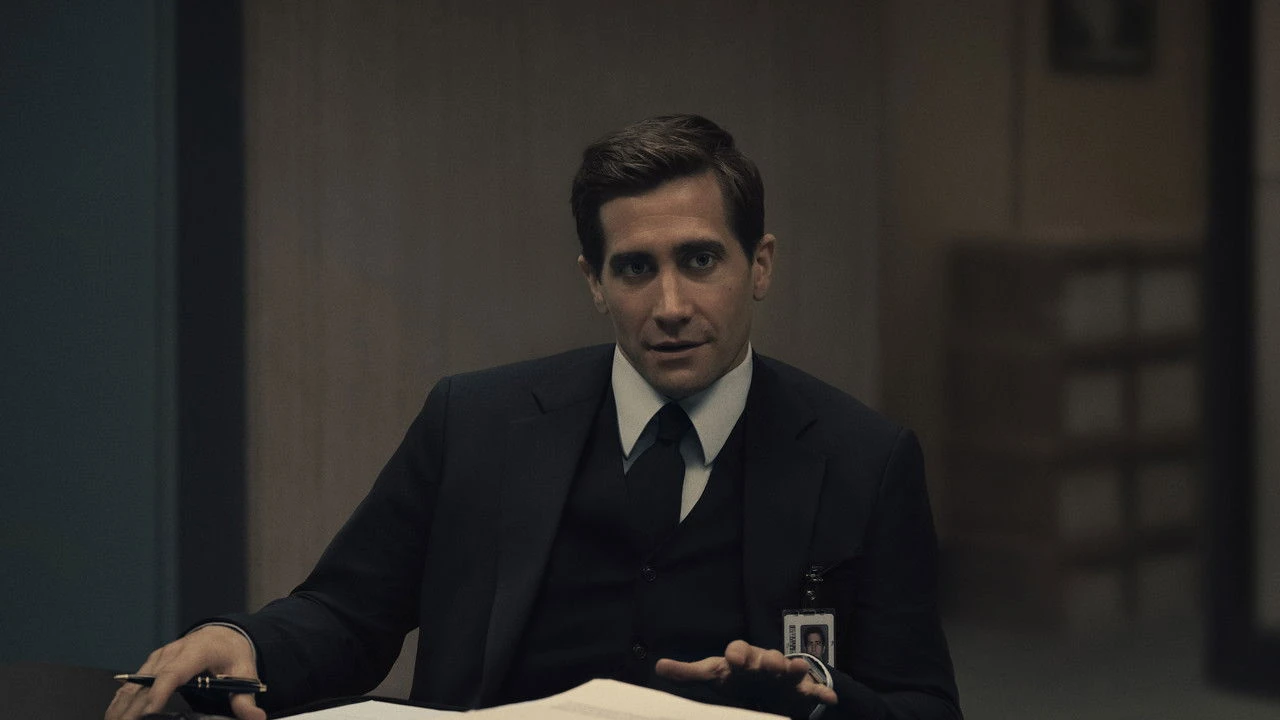 A moment of quiet despair, reflecting the profound isolation felt when one’s world crumbles.
“In the theatre of justice, the roles of accuser and accused are often interchangeable, revealing that the true drama lies not in the verdict, but in the enduring uncertainty of human nature.”
Presumed Innocent is a complex beast. It’s a series with undeniable strengths, primarily in its stellar cast and its commitment to a gritty, high-stakes legal drama. Yet, it’s also a show that struggles under the weight of its own ambition and source material, leading to a viewing experience that can be frustratingly slow. However, for those willing to look past its narrative imperfections, it offers a rich ground for philosophical inquiry. It asks us to consider the terrifying fragility of our lives, the performative aspect of innocence, and the crushing burden of being forever tainted by suspicion. It’s a testament to the idea that even flawed art can provoke profound reflection, holding up a mirror to our deepest fears about truth, justice, and the precariousness of our own identities.
Where to Watch
- Apple TV
- Apple TV Amazon Channel
What’s Up? explores the philosophical depths of cinema.