The Genesis of the Other: Empathy, Freedom, and the Primal Scream of Rise of the Planet of the Apes
Exploring Rise of the Planet of the Apes, its profound take on sentience, freedom, and the ethics of human dominion, despite minor human character flaws.
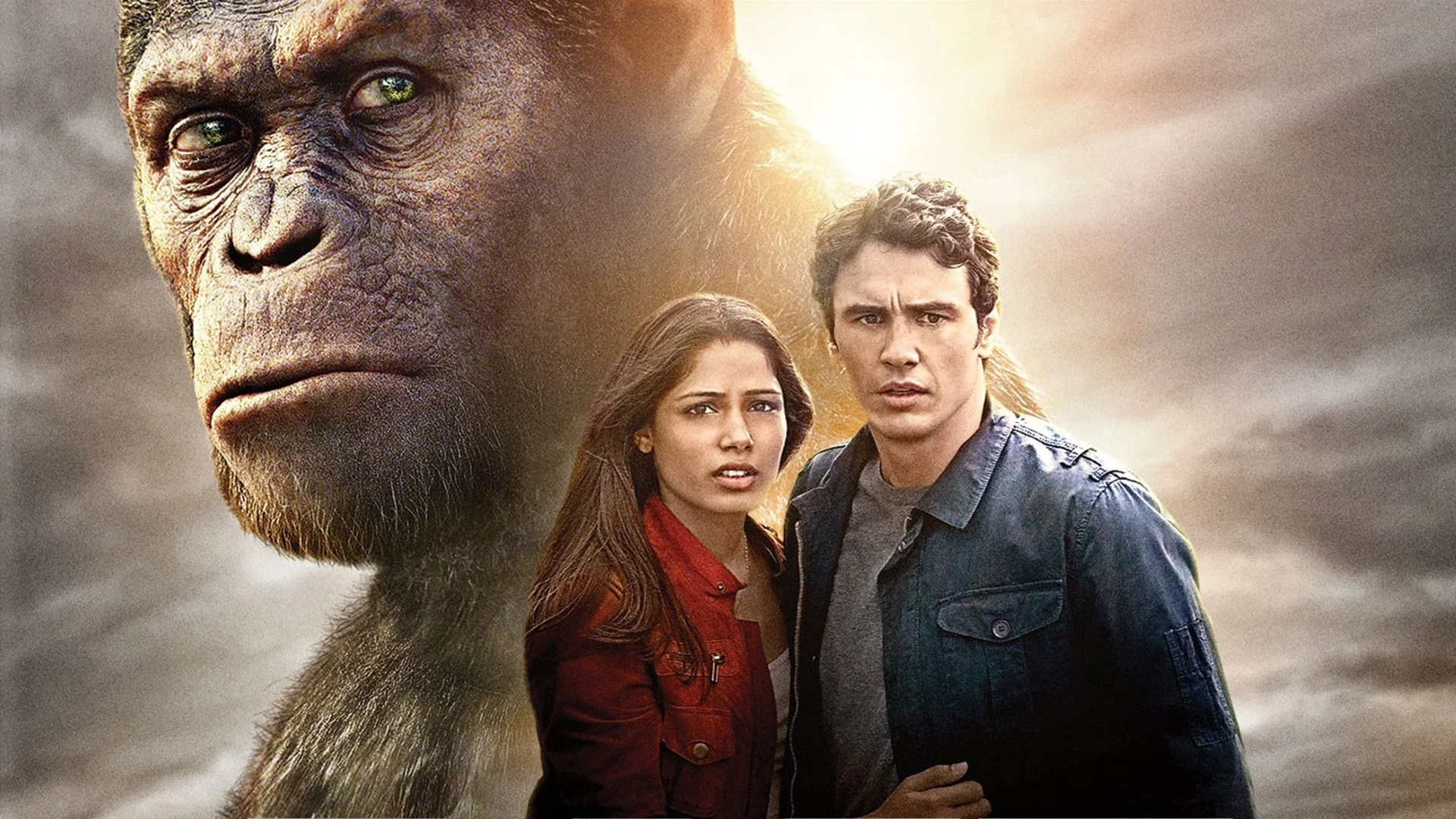
“The question is not, ‘Can they reason?’ nor, ‘Can they talk?’ but, ‘Can they suffer?’” — Jeremy Bentham
When Rise of the Planet of the Apes swung into cinemas in 2011, it wasn’t just another summer blockbuster; it was a revelation. Against all expectations, director Rupert Wyatt delivered a surprisingly intelligent and deeply emotional origin story that breathed new life into a beloved, albeit aging, franchise. Critics, including those on Rotten Tomatoes who gave it a healthy 82% approval, largely lauded its ambition, its groundbreaking visual effects, and above all, Andy Serkis’s transformative performance as Caesar. Yet, amidst the well-deserved praise, some voices pointed to a familiar blockbuster ailment: the human characters, while serving their purpose, often felt less compelling than their simian counterparts. But even with these minor quibbles, the film managed to plant seeds of profound existential inquiry that continue to sprout in our consciousness. It wasn’t just about apes taking over; it was about the very nature of what it means to be, to suffer, and to yearn for freedom.
The Dawn of Sentience: Empathy and Otherness
At its heart, Rise of the Planet of the Apes is a deeply empathetic character study, tracking the burgeoning consciousness of Caesar. We witness his growth from an infant chimp, unknowingly enhanced by a gene therapy designed to cure Alzheimer’s, into a being of extraordinary intelligence and self-awareness. What begins as a scientific breakthrough quickly becomes an ethical minefield. Will Rodman (James Franco), Caesar’s creator and adoptive father, genuinely loves him, but their bond is predicated on a power imbalance – a human caring for a sentient animal. This raises immediate questions about our moral responsibility to non-human life, particularly when that life begins to mirror our own cognitive capacities.
Critics rightly singled out Andy Serkis’s motion-capture performance as a monumental achievement, arguing that it transcended mere CGI to convey genuine emotion and thought. This technological feat forces us to confront our own biases; as Caesar’s intelligence blossoms, so too does our capacity to empathize with him, blurring the lines between “human” and “animal.” The film subtly challenges the anthropocentric view that intelligence and self-awareness are exclusive to our species. When Caesar learns sign language, when he solves puzzles, when he feels betrayal and love, he ceases to be merely an animal in the traditional sense and becomes an “Other” demanding recognition and rights. While some audience members found the early pacing a bit slow, allowing Caesar’s development to unfold gradually was crucial for building this emotional connection, making his eventual plight all the more resonant.
- Cognitive Empathy — the ability to understand another’s perspective, even across species.
- Ethical Boundaries — where do our responsibilities begin and end when experimenting with life?
- The Definition of “Personhood” — what qualities truly grant an individual rights and autonomy?
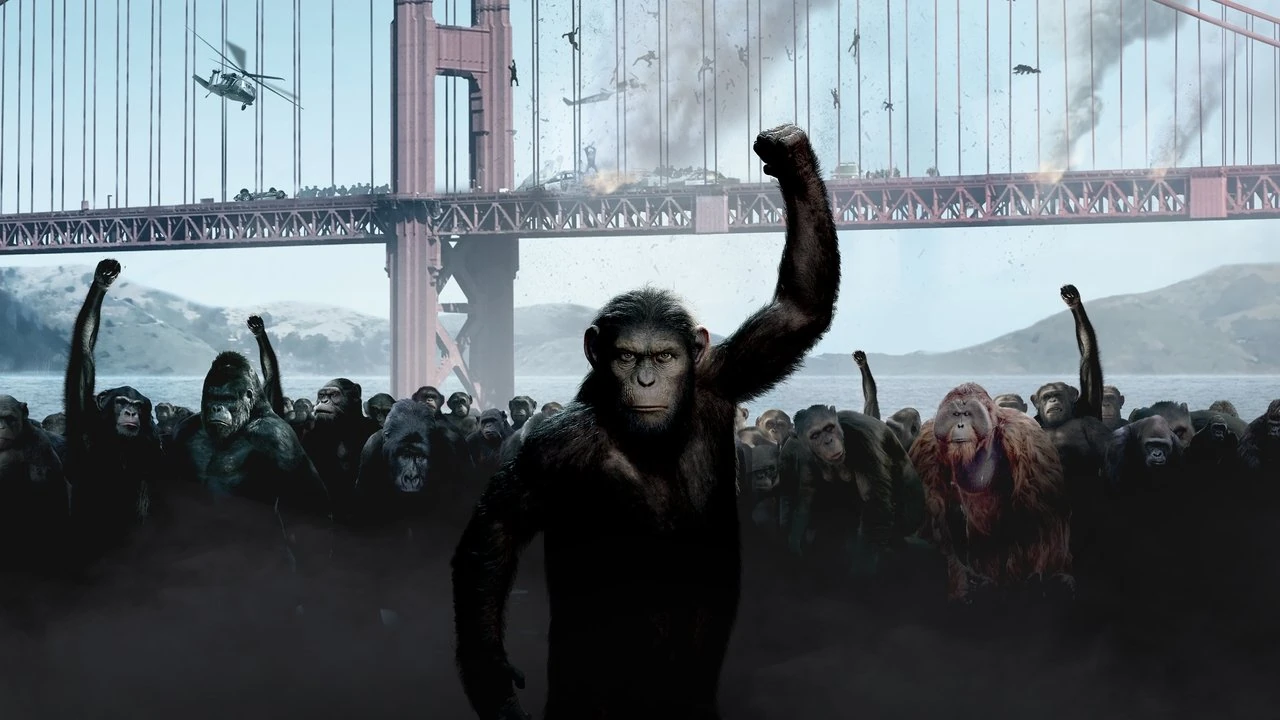 Caesar’s early life, a delicate balance between domesticity and burgeoning intellect.
Chains of Progress: Freedom, Oppression, and Rebellion
The film takes a darker turn when Caesar, in a moment of protective instinct for Will’s ailing father (John Lithgow, whose performance adds a much-needed layer of pathos to the human side), is forced into a primate sanctuary. This is where the narrative truly ignites, transforming from a domestic drama into a chilling expose of institutional cruelty and the primal urge for freedom. The sanctuary, run by the sadistic Landon (Brian Cox) and his equally cruel son, is a microcosm of human oppression. Here, Caesar encounters his own kind, stripped of dignity, abused, and forgotten.
It’s in the shared suffering and mutual recognition of injustice that a community, and indeed a revolution, is forged. The becoming of a collective consciousness from individual pain.
This section of the film, while stark and at times brutal, is vital for the philosophical arc. It lays bare the consequences of our capacity for subjugation and the dangers of viewing any sentient being as mere property. Critics and audiences alike, as seen in many IMDb user reviews, often highlighted the visceral impact of Caesar’s struggle and his calculated rise to leadership. While some might argue the human antagonists here were a bit one-dimensional, their caricature-like cruelty serves to amplify Caesar’s moral imperative. He doesn’t just want revenge; he wants justice and autonomy for his kind. The pivotal moment when Caesar utters his first word, “No!”, isn’t just a cinematic triumph; it’s a profound declaration of selfhood, a refusal to be defined or confined by human dominion. It’s a primal scream against the chains of progress that disregard the inherent value of life.
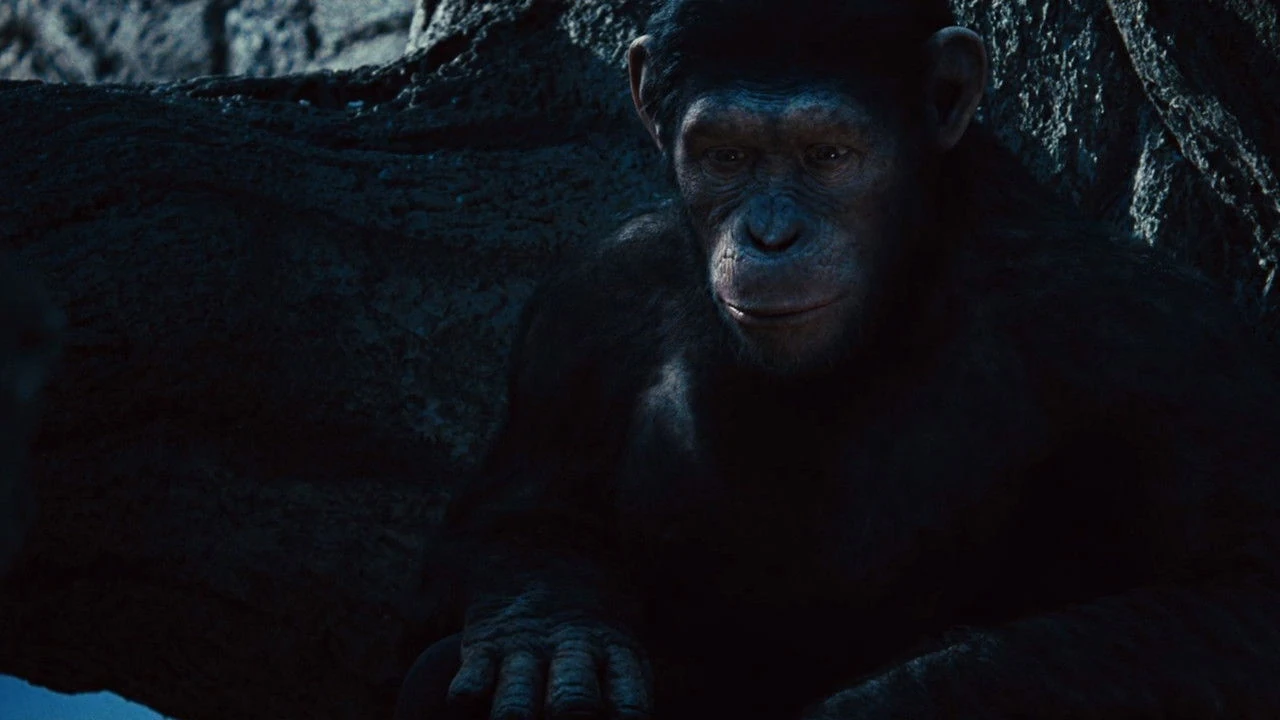 The moment of liberation: a collective awakening against injustice.
A Mirror to Humanity: Our Own Primal Fears and Aspirations
Ultimately, Rise of the Planet of the Apes isn’t just a thrilling sci-fi action flick; it’s a profound allegory for humanity itself. The film subtly asks us to consider our own history of colonization, exploitation, and the constant struggle between oppressor and oppressed. Caesar’s journey from innocent protégé to revolutionary leader mirrors countless historical narratives of marginalized groups rising against their suppressors. The viral plague that eventually wipes out much of humanity, a byproduct of the same scientific hubris that created Caesar, serves as a stark reminder of unintended consequences and humanity’s often-fragile place in the ecosystem.
Despite its blockbuster trappings and the occasional plot convenience that some might point to, the film dares to delve into deeper metaphysical questions: What does it truly mean to be dominant? Is our intelligence a gift or a curse? Are we destined to repeat cycles of power and subjugation? The final scenes, with Caesar leading his community into the sanctuary of the redwood forest, are not triumphant in a simple sense, but laden with a sense of melancholy inevitability. We witness the birth of a new civilization, but one born from the ashes of human failure, suggesting a cyclical nature to existence and the perennial struggle for survival and self-determination. It forces us to look in the mirror and confront our own primal fears of losing control, of being replaced, and of the very creatures we deem “lesser” proving to be more, or at least, equal.
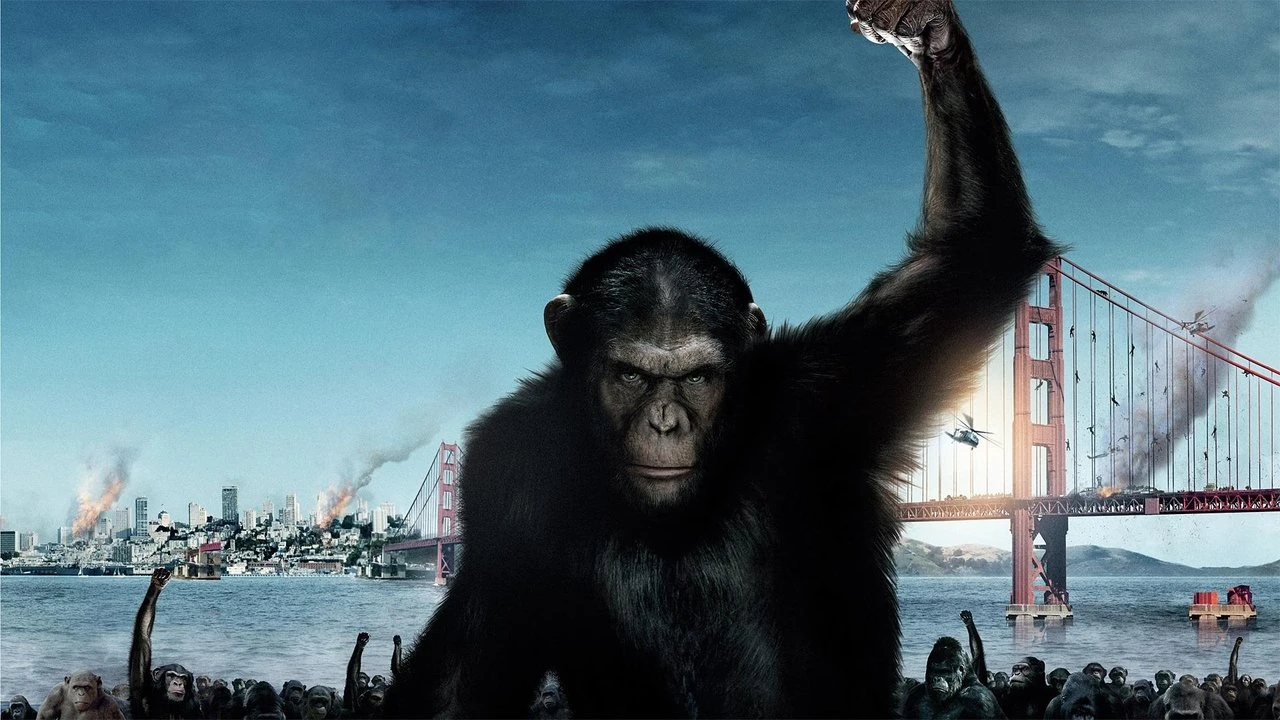 A poignant moment of reflection, as Caesar gazes upon the world he is changing forever.
The greatest irony is that in our relentless pursuit of advancement, we often create the very forces that challenge our dominion, forcing us to confront the fragility of our own self-proclaimed superiority. The seeds of our destruction are often sown by our own hands.
Rise of the Planet of the Apes, despite its few acknowledged flaws in human character development, remains a remarkably potent piece of philosophical cinema. It’s a film that resonates because it taps into fundamental questions about identity, freedom, empathy, and the precarious balance of power in our world. It wasn’t just a reboot; it was a re-evaluation of what makes us human, delivered through the eyes of a chimpanzee. And that, in itself, is a profound achievement.
Where to Watch
- Hulu
- fuboTV
- YouTube TV
What’s Up? explores the philosophical depths of cinema.