Satyameva Jayate and the Unsettling Morality of Vigilante Justice
Exploring Satyameva Jayate's raw take on vigilante justice, the film's flaws, and its unsettling questions about systemic corruption and moral compromise.
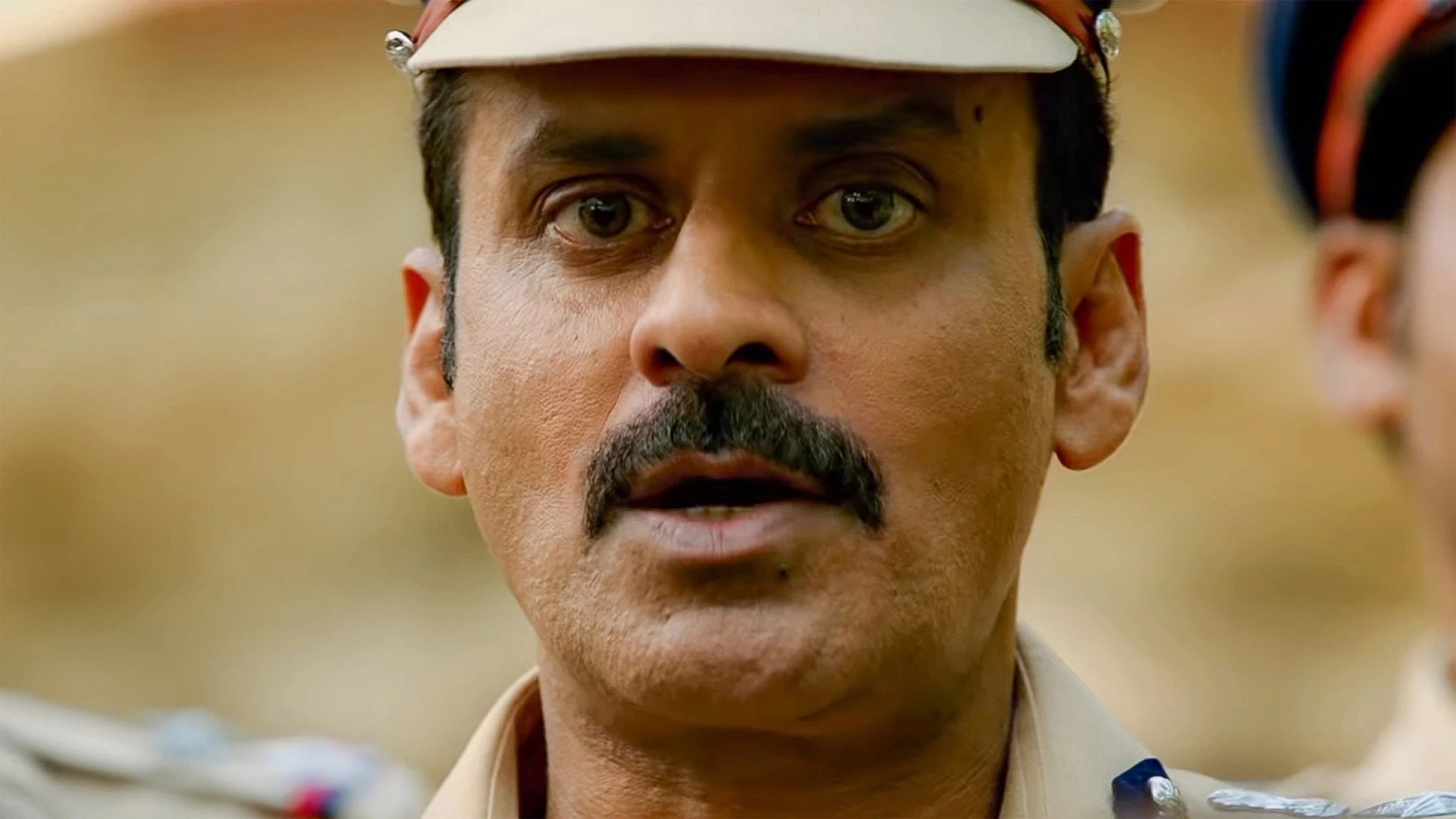
“When the law itself becomes lawless, and a thief is appointed to administer justice, what hope is there for the innocent?” — Chanakya
Milap Zaveri’s 2018 action thriller, Satyameva Jayate, isn’t a film that tiptoes around its intentions. From its very title, which translates to “Truth Alone Triumphs,” it declares a righteous, almost evangelical zeal. But for a platform like “What’s Up?”, which seeks deeper meaning, a film’s bluster often masks more complex questions. And complex Satyameva Jayate certainly is, not in its narrative sophistication—critics widely panned its formulaic approach and over-the-top melodrama—but in the raw, visceral questions it nonetheless shoves into the audience’s face. It’s a loud, often unsubtle piece of cinema, and while it certainly has its share of flaws and earned its mixed-to-negative critical reception, it taps into a primal human frustration with corruption and the justice system’s failures that’s hard to ignore. It asks, perhaps clumsily, what we truly value when the scales of justice are irrevocably tipped.
The Anatomy of Righteous Fury
At its core, Satyameva Jayate is a modern-day fable of vigilantism. John Abraham plays Vir, a man driven by a profound, personal tragedy to systematically eliminate corrupt police officers. On his trail is DCP Shivansh (Manoj Bajpayee), an honest cop torn between upholding the law and understanding the vigilante’s desperate quest for justice. The film doesn’t waste time on subtlety; it paints its villains in broad, evil strokes, making Vir’s violent methods feel almost cathartic for a segment of the audience. Many critics, and rightfully so, pointed out that this lack of nuance simplifies a deeply complex ethical dilemma. There’s no gray area for the system’s failings, just outright villainy.
Yet, within this stark portrayal lies the film’s philosophical friction. Satyameva Jayate dares to ask:
- Is justice absolute, or is it merely what the law dictates? The film posits a clear distinction between the spirit of justice and the letter of the law.
- When the mechanisms of law are corrupted, does moral obligation supersede legal adherence? Vir believes it does, acting as judge, jury, and executioner.
- What is the breaking point for a society before it resorts to extra-legal measures? The film suggests systemic rot creates a vacuum that individuals like Vir are compelled to fill.
While the execution often devolves into excessive slow-motion, chest-thumping dialogues, and predictable plot beats, these questions, however crudely presented, resonate. They touch upon the social contract – the implicit agreement among citizens to cooperate for social benefits, typically by sacrificing some individual freedoms. What happens when the state, one half of this contract, fails to uphold its end?
 A brooding Vir contemplates his next move, embodying the film’s central conflict between personal justice and legal order.
The Double-Edged Sword of Justice
The film’s most compelling philosophical dynamic, and where it occasionally transcends its generic trappings, is the interplay between Vir and Shivansh. Manoj Bajpayee, as often noted by reviewers, delivers a performance that attempts to inject some much-needed gravitas and moral ambiguity into the proceedings. His character grapples with the inherent contradiction: he is a good cop hunting a man who, in his own twisted way, is fighting for good. This creates a fascinating, albeit underdeveloped, exploration of:
This is where the film finds its pulse – not in the explicit violence, but in the existential tension of an honest man forced to pursue another who, by all accounts, is serving a higher, albeit illegal, form of justice.
Critics were divided on whether the film successfully navigated this moral tightrope. Many found the script weak and the character development shallow, particularly for Vir, whose motivations become repetitive. The pacing often felt uneven, swinging between bombastic action sequences and heavy-handed emotional pleas. However, the idea of Shivansh’s dilemma—the internal conflict of upholding a system he knows is flawed—is a potent one. It forces us to consider the ethical constraints of authority and the personal cost of maintaining order, even when that order is inherently unjust. Satyameva Jayate struggles to fully flesh out this philosophical tug-of-war, often opting for spectacle over introspection, but the seeds of it are undeniably there. It’s a testament to Bajpayee’s talent that he manages to convey this complexity even within the film’s broader narrative limitations.
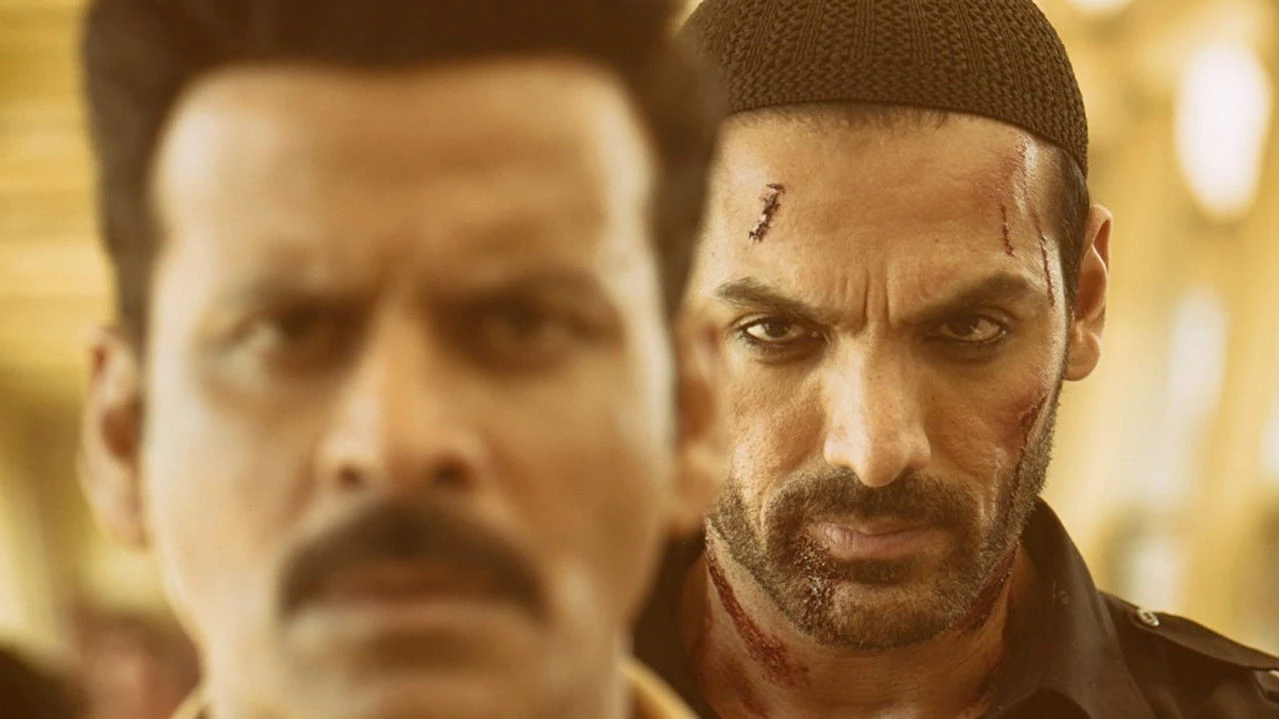 DCP Shivansh, caught between duty and doubt, reflects the film’s nuanced portrayal of law enforcement in a corrupt world.
Beyond the Blast and Bluster
Despite its cinematic shortcomings—the clunky dialogue, the formulaic villainy, the reliance on tropes that have plagued Hindi action cinema for decades—Satyameva Jayate lingers because of its audacious premise. It taps into a widespread public sentiment of helplessness against corruption, offering a cathartic, albeit problematic, fantasy of retribution. It’s not a film that provides answers, nor does it necessarily intend to. Instead, it serves as a loud, often clumsy, mirror reflecting societal anxieties.
The film, in its own way, asks us to ponder the very definition of civilization. If civilization is built on the promise of justice and fair governance, what happens when that promise is repeatedly broken? Vir’s actions, however extreme, highlight the desperation that arises when faith in institutions crumbles. This isn’t just about good guys versus bad guys; it’s about the fragility of moral order and the dangerous allure of extra-judicial solutions when the legitimate ones fail. It’s a stark, almost primal scream against injustice, even if that scream is delivered with the subtlety of a sledgehammer. The film’s philosophical value lies not in its cinematic elegance, but in its unapologetic engagement with these uncomfortable truths, forcing us to confront our own feelings about justice, law, and the desperate measures people might take when pushed to their limits.
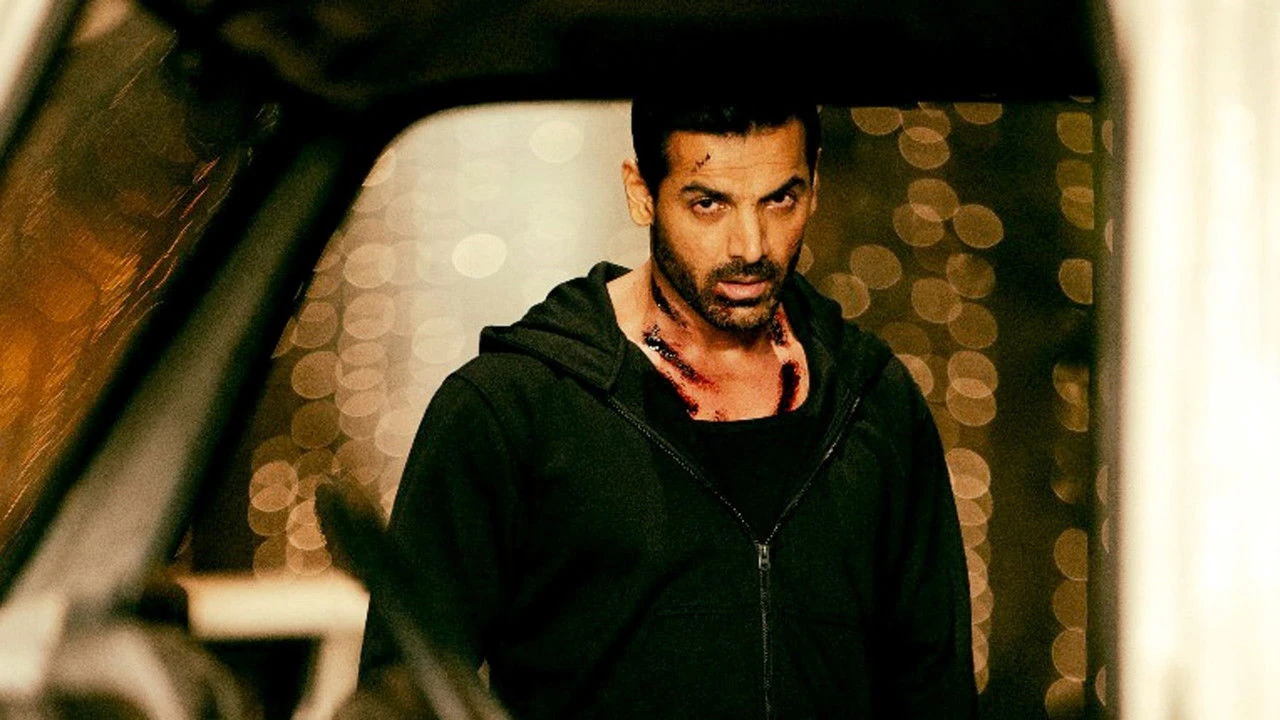 The stark contrast of light and shadow, symbolizing the film’s exploration of moral ambiguities and the fight for perceived truth.
“The true measure of any society can be found in how it treats its most vulnerable members.” — Mahatma Gandhi. In Satyameva Jayate, the vulnerable are the forgotten, and their plight fuels a dangerous, yet understandable, anger.
Ultimately, Satyameva Jayate is a divisive film because it embraces a controversial stance with little apology. It’s loud, imperfect, and often heavy-handed, earning its criticism for lacking narrative finesse and genuine character depth. But to dismiss it entirely would be to overlook the raw, existential questions it raises about systemic failure, personal responsibility, and the perilous path of vigilante justice. It’s a reflection, however distorted, of a societal yearning for accountability, and in that yearning, we find a complex, unsettling truth about the human condition itself. It may not be a great film, but it’s a film that demands we ask: when the system fails, what then?
Where to Watch
- Amazon Prime Video
- Amazon Prime Video with Ads
What’s Up? explores the philosophical depths of cinema.