Secret Invasion: When Trust Becomes the Ultimate Weapon
Exploring the philosophical depth of Marvel's Secret Invasion, examining identity, paranoia, and the heavy cost of unkept promises amidst its mixed critical reception.
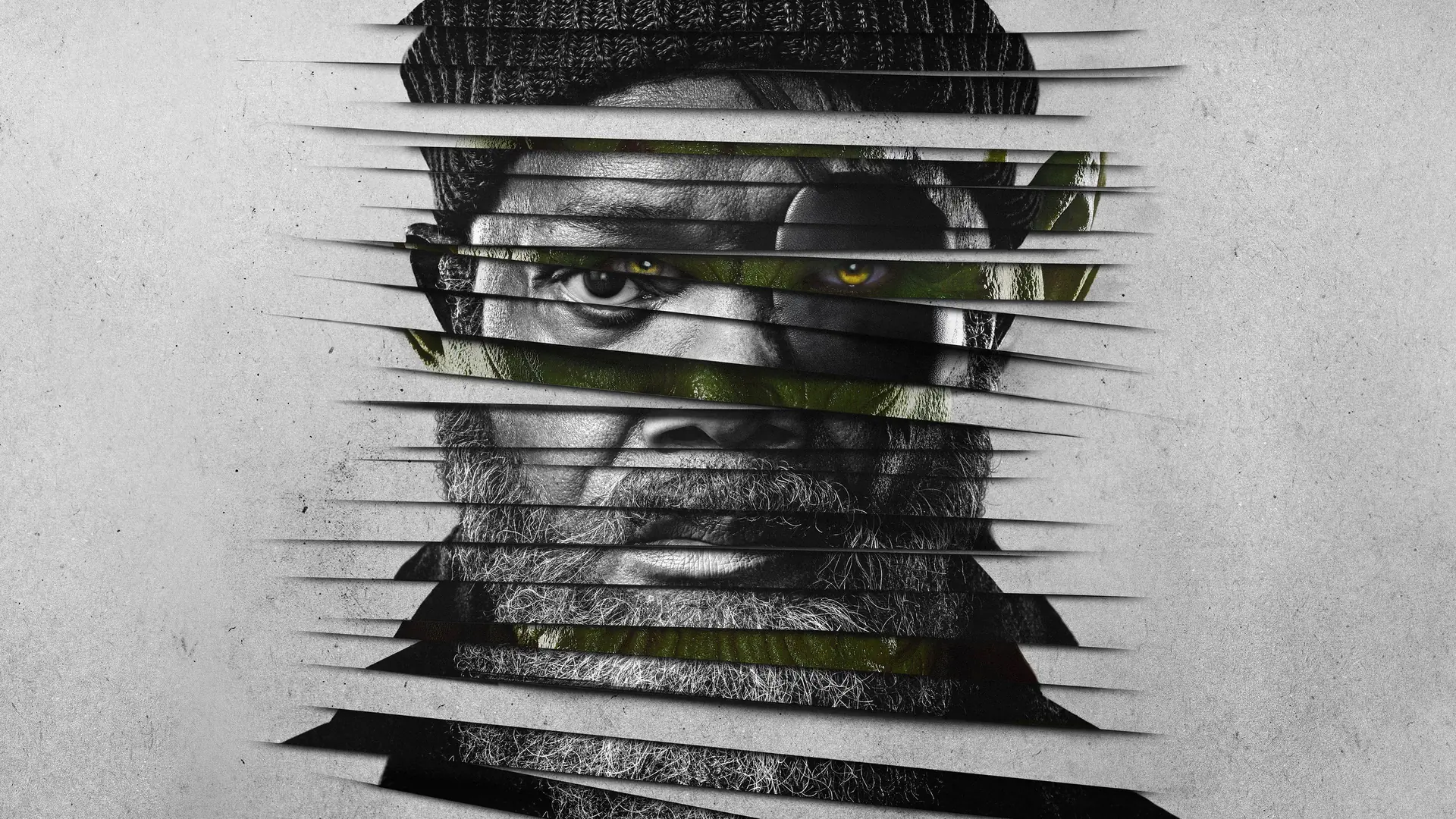
“The very ink with which history is written is merely the liquid of a million lies.” — Napoleon Bonaparte
Marvel’s Secret Invasion (2023) promised a gritty, spy-thriller departure from the usual superheroics, delving into the insidious threat of shapeshifting Skrulls secretly infiltrating Earth. On paper, it sounded like a compelling premise, ripe for exploring themes of paranoia, identity, and the heavy cost of trust. However, the reality of its execution proved to be a far more complex and divisive experience, one that left many critics and audiences feeling underwhelmed. Despite its generally mixed-to-negative reception—hovering around 55% on Rotten Tomatoes and a Metascore of 50—the series, for all its narrative stumbles and pacing issues, still manages to accidentally stumble upon some truly profound philosophical questions, primarily through the weary eyes of its legendary protagonist, Nick Fury.
The Erosion of Trust and the Shifting Self
The core conceit of Secret Invasion is, at its heart, an existential nightmare. Imagine a world where anyone, literally anyone, could be an imposter, a shapeshifting alien wearing the face of your closest ally, your leader, your neighbor. This isn’t just a plot device; it’s a direct assault on the very foundations of human society: trust and authenticity. The Skrulls, initially refugees promised a new home by Fury, become the ultimate symbol of the ‘other,’ their shapeshifting ability turning every interaction into a potential minefield of deception.
While critics often pointed to the series’ slow burn and an ultimately anticlimactic resolution as major flaws, the initial dread it conjures is undeniably powerful. The show struggles to fully capitalize on this pervasive sense of paranoia, often pulling its punches or getting bogged down in conventional spy tropes. Yet, the seed of philosophical inquiry is firmly planted:
- Identity in Flux: If your physical form is not your own, what truly defines you? Is it memory, personality, or something more intrinsic? The Skrulls embody the ultimate fluid self, challenging our very notion of what it means to be.
- The Epistemology of Suspicion: How do we know what is real? How do we verify truth when perception itself is malleable? The series forces us to question our reliance on surface appearances, suggesting a deeper, more unsettling reality beneath.
- Xenophobia as a Self-Fulfilling Prophecy: Fury’s broken promise to the Skrulls, and their subsequent radicalization, creates a chilling mirror to real-world conflicts where desperation breeds extremism, and a failure of empathy leads to devastating consequences.
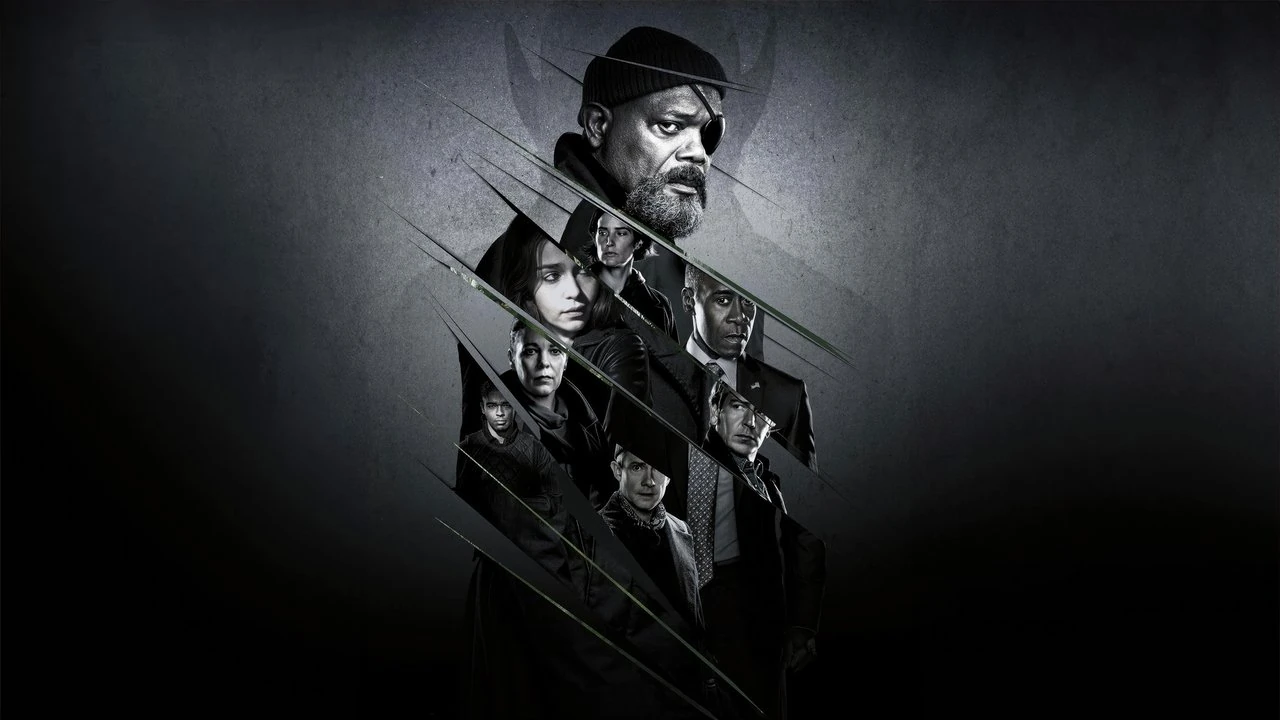 A weary Nick Fury, a man burdened by secrets and the weight of a world he no longer fully recognizes.
The Weight of Broken Promises: What Worked and What Didn’t
One of the most frequent criticisms leveled against Secret Invasion was its uneven pacing and a plot that, despite its high stakes premise, often felt strangely contained. Many viewers expressed frustration that a global invasion felt more like a regional skirmish, and that key characters were underutilized. The CGI, at times, also drew sharp critiques, feeling unpolished for a major Marvel production. Indeed, the series often felt like it was struggling to balance its grounded espionage ambitions with its fantastical superhero origins.
The true measure of a society isn’t just who it protects, but who it leaves behind, and the shadows that grow in their abandonment.
However, where Secret Invasion did shine, and where its philosophical depth is most keenly felt, is in its portrayal of Nick Fury himself. Samuel L. Jackson delivers a masterclass in nuanced vulnerability. This isn’t the invincible, unflappable Fury of old. This is a man haunted by his past failures, physically and emotionally scarred, grappling with the consequences of promises he couldn’t keep. His arc is a meditation on:
- Consequences of Betrayal: Fury’s failure to find the Skrulls a home directly leads to the conflict. The series posits that even the most well-intentioned compromises can have catastrophic ripple effects, blurring the lines between hero and villain.
- Aging and Legacy: We see a Fury who is no longer at the height of his powers, struggling with a bad arm, a tired mind, and the specter of retirement. It’s a poignant exploration of an aging hero confronting his own mortality and the limits of his influence in a world that continues to demand his all.
- Moral Compromise: Fury has always operated in the shadows, making tough calls for the greater good. But Secret Invasion asks if there’s a point where those compromises become unforgivable, and if the ends truly justify the means when innocent lives are at stake. This makes Fury a more complex, almost tragic figure, prompting us to ponder the ethical dilemmas inherent in leadership.
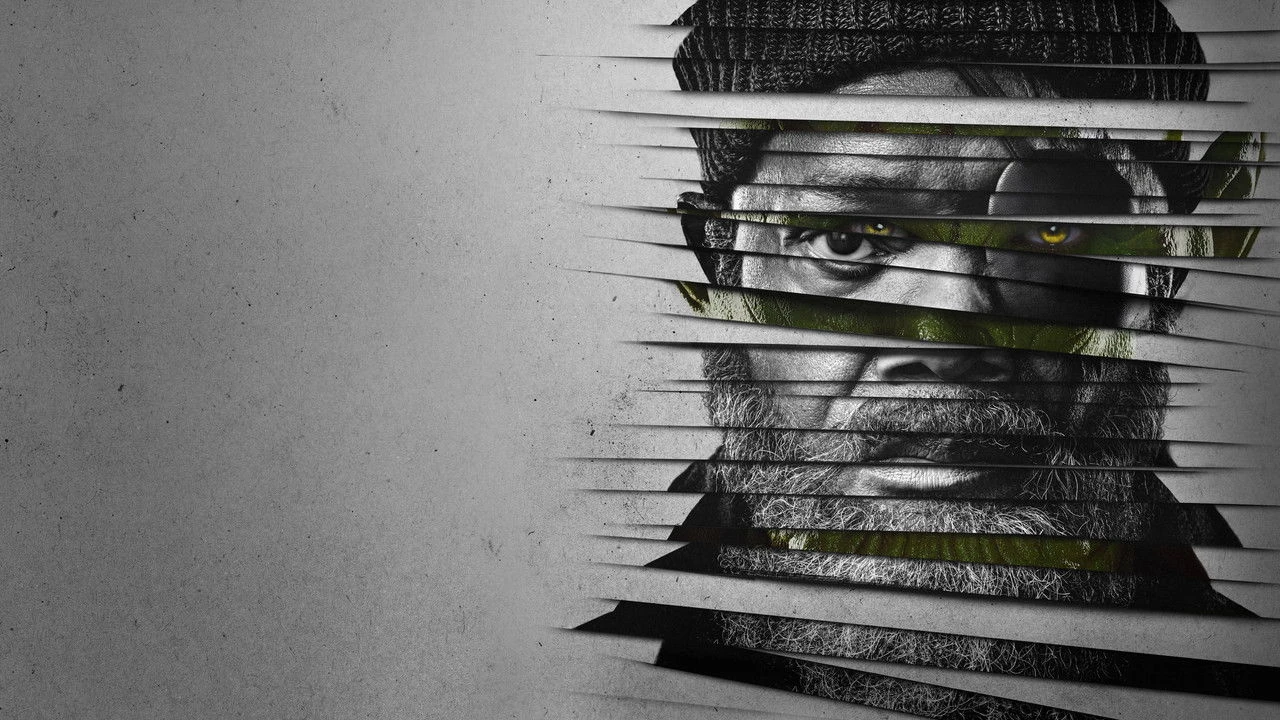 Maria Hill and Nick Fury, trusted allies navigating a world where trust has become a luxury.
Beyond the Veil: Existential Dread in a World of Imposters
Even with its narrative shortcomings, Secret Invasion attempts to tap into a primal human fear: the loss of control and the unknown lurking beneath the surface of the familiar. The idea that everything you know, everyone you trust, could be a fabrication, creates a pervasive sense of existential dread. The series, perhaps inadvertently, becomes a commentary on the anxiety of our modern world, where misinformation spreads like wildfire and discerning truth from falsehood feels increasingly impossible.
The Skrull threat, despite its sometimes-muddled execution, forces us to consider the fragility of our perceived reality. It’s a dark mirror reflecting our own anxieties about:
- The Other: How do we react to those who are fundamentally different, especially when those differences are hidden? The series, even if imperfectly, explores the roots of xenophobia and the dangers of dehumanization.
- The Cost of Secrecy: Fury’s entire career is built on secrets. The series shows the immense personal and societal cost of such a life, demonstrating how even the most well-guarded truths can eventually unravel, leading to deeper chaos.
- The Burden of Choice: Every decision Fury makes has profound implications, not just for Earth, but for an entire species of refugees. The show highlights the immense moral weight of such choices and the inescapable responsibility that comes with power.
 A clandestine meeting, shrouded in shadow and suspicion, where alliances are fragile and loyalties are tested.
“Sometimes the greatest danger isn’t the monster you see, but the one you’ve trained yourself not to look for, wearing a face you trust.”
Secret Invasion is undeniably a flawed entry in the MCU canon, suffering from a narrative that struggled to live up to its intriguing premise and the weight of its own expectations. Critics lambasted its pacing, the underdeveloped threat, and an ending that left many feeling unsatisfied. Yet, to dismiss it entirely would be to overlook the genuine philosophical questions it raises, however inadvertently. Through Nick Fury’s weary eyes, we glimpse a world where trust is a luxury, identity is fluid, and the consequences of political expediency are profoundly personal. It’s a series that, despite its weaknesses, forces us to confront the creeping paranoia of a world where nothing is as it seems, and the most dangerous enemy might just be the reflection in the mirror, or the face of a friend. What does it mean to truly know someone, when their very essence can be a lie?
Where to Watch
- Disney Plus
What’s Up? explores the philosophical depths of cinema.