Unlocking Digital Realities: Secret Level's Philosophical Play
Exploring the inherent philosophical challenges and potential of Secret Level, an unreleased adult animated anthology diving into beloved video game worlds.
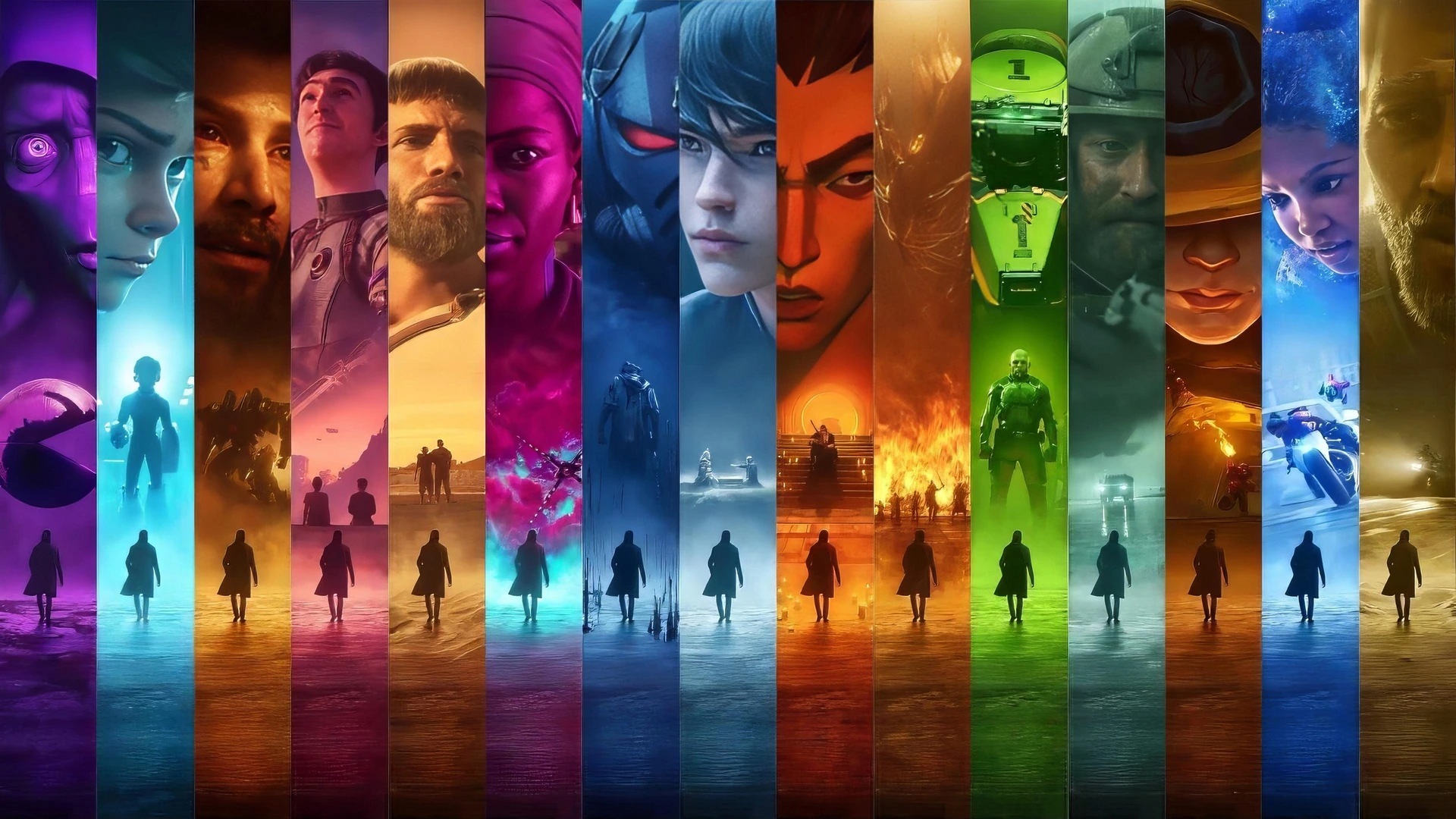
“Every world, however fantastical, is a mirror reflecting the deepest questions of our own.” — Ursula K. Le Guin
Secret Level (2024), Amazon’s upcoming adult animated series, arrives not with a splash of critical acclaim or the cacophony of audience debate, but with the quiet hum of anticipation. As of this writing, the series is still under wraps, slated for a December 2024 release. This means we can’t yet dissect its triumphs or lament its missteps based on actual reviews. Instead, we’re left to grapple with its premise—a collection of original short stories set within beloved video game worlds—and the formidable philosophical questions it inherently raises. This isn’t merely about adapting games; it’s about navigating the very nature of narrative, identity, and reality when the lines between play and story blur. The very idea of Secret Level is pregnant with both immense potential and the shadows of common pitfalls, inviting us to ponder the metaphysics of fictional universes even before we see a single frame.
The Labyrinth of Lore: Fragmented Narratives and Canon
The most immediate philosophical challenge Secret Level faces lies in its very structure: an anthology of original short stories within established video game worlds. We’re talking about properties like S.T.A.L.K.E.R., Warhammer 40,000, and God of War. These aren’t just games; they are meticulously crafted universes, often with decades of intricate lore, fervent fan bases, and deeply ingrained expectations. The series promises to “unlock exciting worlds,” but what does that truly mean for a world already so thoroughly explored by players?
The core issue here is narrative coherence versus creative freedom. Each 15-minute episode, as the runtime suggests, will be a fleeting glimpse, a fragmented narrative. How does one convey the weight of a Warhammer 40,000 universe, steeped in millennia of grimdark history, in such a brief window? Critics often lambast game adaptations for failing to capture the spirit or depth of their source material. For Secret Level, the danger isn’t necessarily a single, long adaptation falling flat, but rather the unevenness inherent in an anthology. Some shorts might soar, perfectly distilling the essence of a game, while others might feel rushed, superficial, or even incongruous with established canon. Will these stories be considered “what if” scenarios, hidden lore, or simply non-canonical fan fiction given a high-budget treatment? The philosophical implications for a world’s ontology are profound: do these stories exist within the “true” continuity, or do they establish parallel dimensions, challenging our very understanding of a game’s definitive narrative?
- The burden of expectation: Fans often come to adaptations with pre-conceived notions, leading to potential backlash if the tone, characters, or lore deviate.
- The challenge of brevity: Condensing complex worlds and themes into 15 minutes risks superficiality or narrative shortcuts that alienate purists.
- The fluidity of canon: How does an “original story” within an existing world impact the established narrative? Does it enrich it, contradict it, or simply exist in a separate, ethereal space?
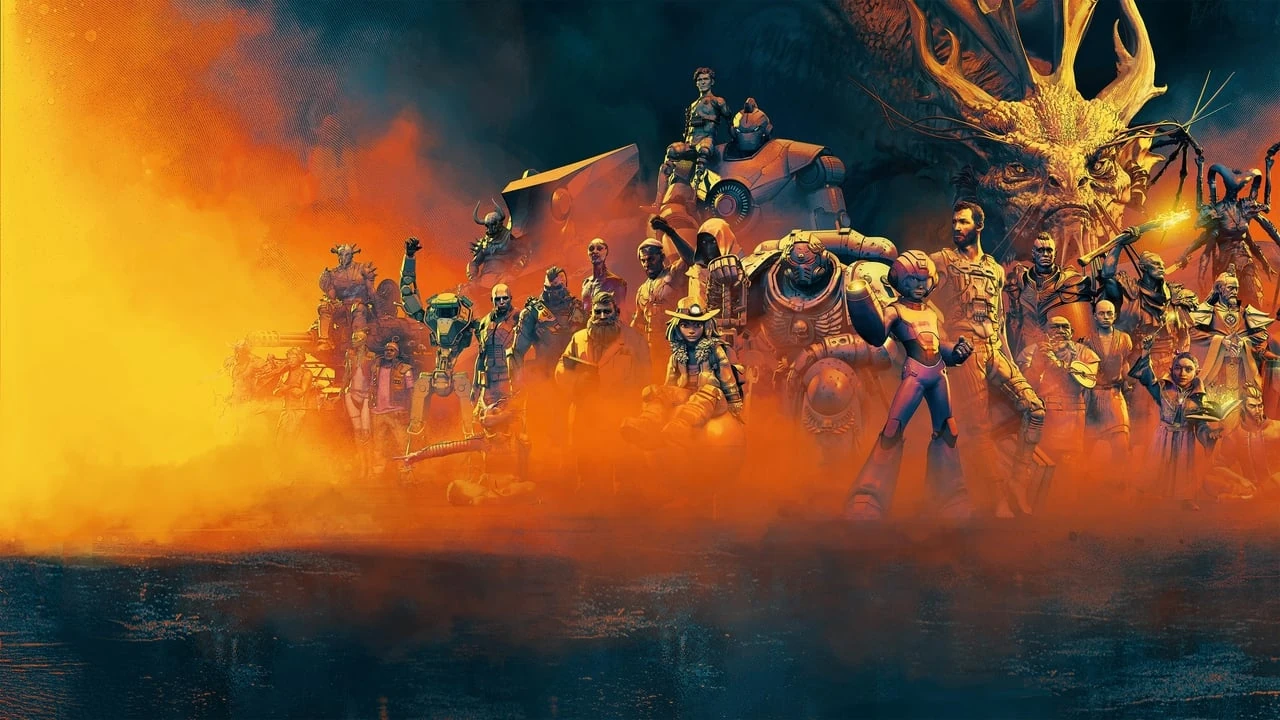 A glimpse into a richly detailed digital landscape, beckoning players and viewers alike.
Play, Identity, and the Digital Self
Beyond the lore, Secret Level delves into the very heart of what it means to engage with a video game world, albeit from a removed perspective. When we play a game, we embody an avatar; we make choices, we exert agency, we become part of the narrative. The experience is fundamentally interactive. Secret Level, as an animated series, transforms that interactive experience into a passive one. We are no longer players; we are observers. This shift is not trivial; it profoundly alters our relationship with the digital realm.
This is where the series could truly shine, by exploring the lives and struggles of characters within these established game worlds, stripped of player agency. It’s an act of reframing, inviting us to consider what it means to exist as a pawn in a larger, pre-ordained digital drama.
Philosophically, this invites us to ponder identity in a simulated context. What is the nature of a character’s existence when they are no longer an extension of the player’s will? Are they truly “alive” in their own right? The series has the potential to explore the interiority of NPCs, or the existential weight carried by heroes whose destinies are, in a sense, pre-written by game designers. It could turn the player’s experience inside out, asking us to empathize with the digital inhabitants who endure cycles of violence, quest-giving, or even mundane existence, all for the sake of “gameplay.” The risk, of course, is that without player investment, these characters might feel two-dimensional or their struggles unearned. Will the series manage to forge a compelling emotional connection in such short bursts, or will it succumb to the generic action sequences common in less inspired game adaptations?
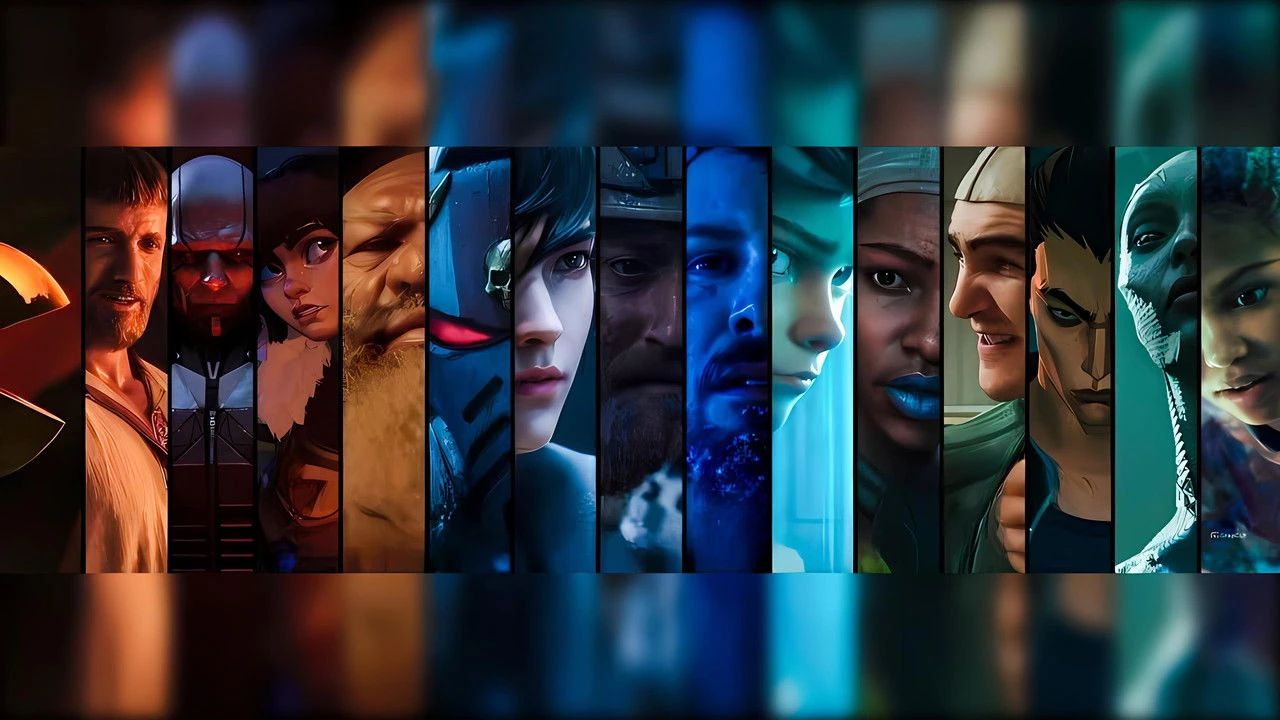 A character gazes out, perhaps contemplating their role in a world they cannot control.
The Metaphysics of Multiverses: Beyond the Screen
The title itself, Secret Level, hints at something hidden, something beyond the obvious, an extension of known reality. This immediately pushes us into metaphysical territory. What kind of “secret level” are we talking about? Is it a lost chapter, an alternate timeline, a glimpse into the minds of the creators, or even a self-aware sub-routine within the game’s code? The concept of a multiverse, so popular in contemporary fiction, finds a natural home here, suggesting that each short story might represent a parallel existence within its respective game’s broader cosmology.
This raises fascinating questions about reality and simulation. If these animated shorts are “original stories” but set within “beloved video games,” are they a new layer of simulated reality built upon an already simulated one? Does this make the game worlds more real by giving them additional narrative depth independent of player interaction, or does it further underscore their fictionality? Secret Level has the potential to be a grand experiment in metafiction, blurring the boundaries between creator, player, and created world. It could ask us to consider the recursive nature of storytelling, where every new narrative layer adds complexity to our understanding of truth, fiction, and the endless possibilities of existence. The danger, as always, is that this ambition could lead to a lack of focus, with episodes feeling disjointed rather than interconnected by a cohesive philosophical thread.
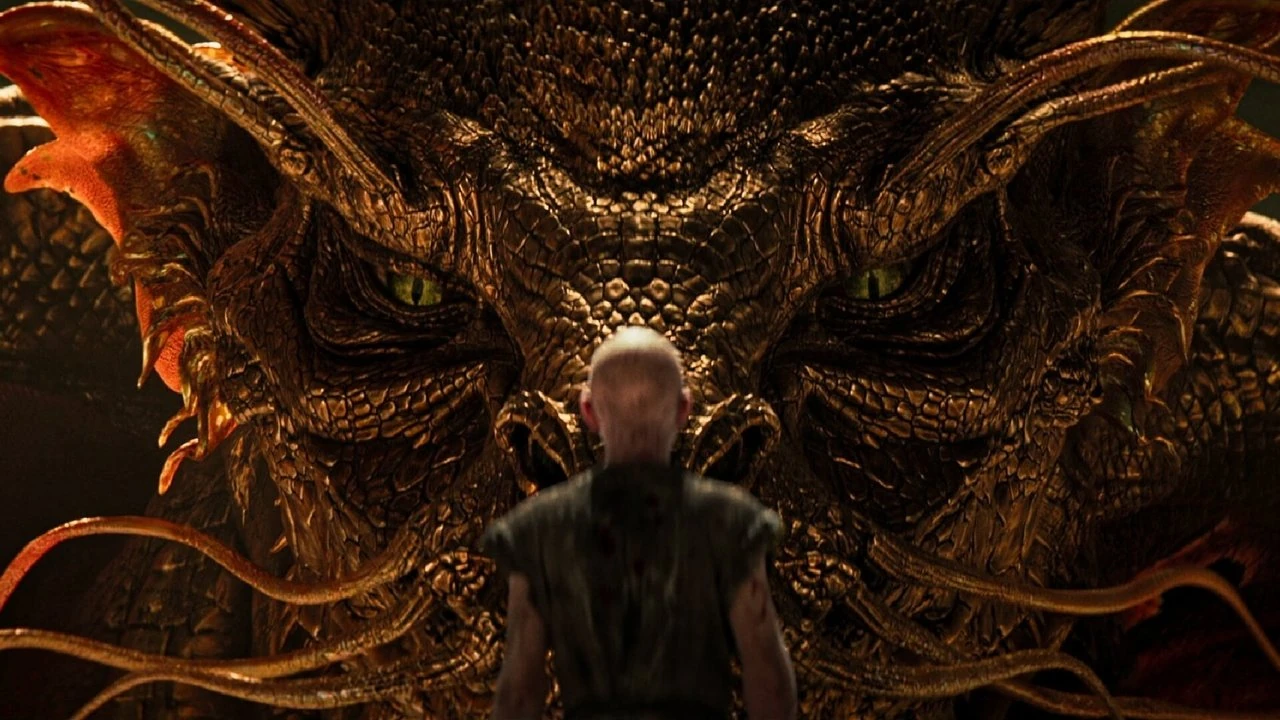 An abstract representation of data streams and digital pathways, hinting at the hidden infrastructure of virtual worlds.
The grand gamble of Secret Level is whether it can transcend the mere fan service of adaptation to offer genuinely new, thought-provoking perspectives on familiar worlds. If it fails, it risks being a collection of forgettable fragments; if it succeeds, it could redefine how we perceive the narrative potential embedded within our favorite games.
Even without a single review to its name, Secret Level poses a fascinating philosophical challenge. It stands at the precipice of delivering unique, adult-oriented narratives that might deepen our appreciation for these digital realms, or it could fall into the trap of superficiality and fan alienation. The series forces us to consider not just the stories themselves, but the very act of storytelling within pre-existing frameworks, the nature of identity in simulated environments, and the endless, layered possibilities of what we call “reality.” What kind of truths, we wonder, will these “secret levels” ultimately reveal about ourselves and the worlds we choose to inhabit, both digital and otherwise?
Where to Watch
- Amazon Prime Video
- Amazon Prime Video with Ads
What’s Up? explores the philosophical depths of cinema.