The Silent Strategy: Shōgun's Epic Meditation on Power, Fate, and the Self
Exploring Shōgun (2024) as a profound meditation on power, destiny, and the clash of cultures in a meticulously crafted historical epic, challenging viewers to confront complex philosophical dilemmas.
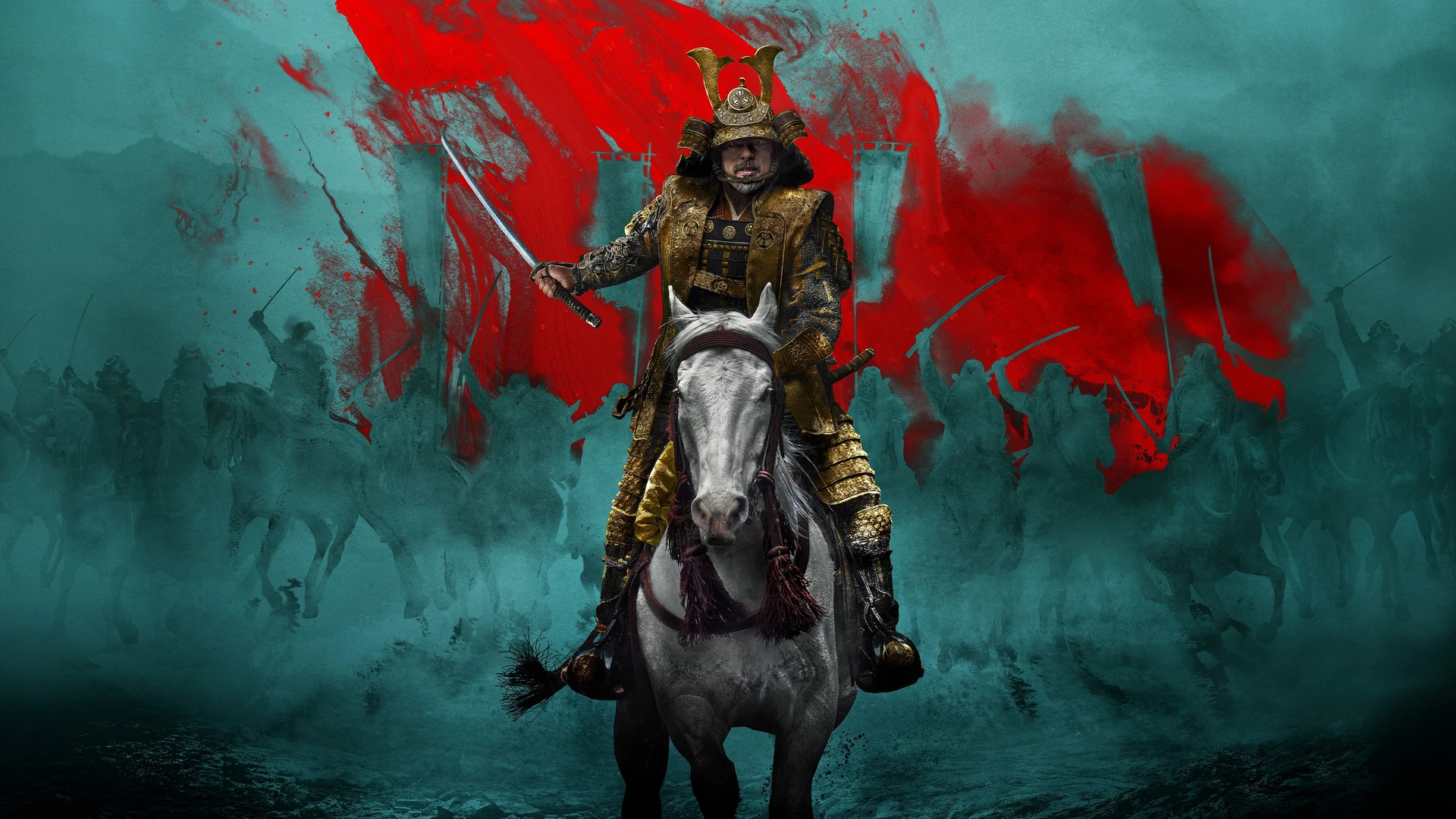
“The art of war teaches us to rely not on the likelihood of the enemy’s not coming, but on our own readiness to receive him; not on the chance of his not attacking, but rather on the fact that we have made our position unassailable.” — Sun Tzu
Rarely does a series arrive with such a breathtaking sweep, such meticulous detail, and such profound philosophical weight as FX’s Shōgun (2024). From the moment its first snow-dusted frames graced our screens, it was clear this wasn’t just another historical drama; it was an event, a masterclass in patient storytelling and cultural immersion. Critics have been nearly unanimous in their praise, with Rotten Tomatoes boasting an almost perfect score and Metacritic echoing “universal acclaim.” Audiences, too, have largely fallen under its spell, captivated by its intricate political machinations, stunning visuals, and truly phenomenal performances, especially from Hiroyuki Sanada, Anna Sawai, and Cosmo Jarvis. Yet, for all its accolades, Shōgun isn’t an easy watch in the way many contemporary blockbusters are. It demands your full attention, your patience, and your willingness to grapple with a world both alien and deeply resonant. And in that demand lies its true power, for it is through this deliberate unfolding that the series dares to ask some of life’s most enduring questions.
The Crucible of Kismet: Fate and Free Will
Shōgun is, at its heart, a profound meditation on the eternal dance between destiny and individual agency. Set in the tumultuous Japan of 1600, on the cusp of a cataclysmic civil war, the series introduces us to Lord Yoshii Toranaga (Hiroyuki Sanada), a daimyo fighting for his very survival against a united Council of Regents. Into this delicate balance, a mysterious European ship, captained by the English pilot John Blackthorne (Cosmo Jarvis), washes ashore, a seemingly random event that nonetheless ripples through the meticulously structured world like a stone in a still pond.
Some viewers, accustomed to the breakneck pace of modern television, initially found Shōgun’s early episodes slow, a criticism that occasionally surfaced in user reviews. However, this deliberate, measured rhythm isn’t a flaw; it’s a fundamental aspect of the show’s philosophical design. It’s in these quiet moments, these drawn-out courtly rituals, these seemingly minor conversations, that the intricate web of cause-and-effect is woven. We see characters, especially Toranaga, not just reacting to events, but carefully, strategically shaping them, often with a long game in mind that spans years, if not generations. This forces us to consider: how much of our lives are truly our own making, and how much is merely the unfolding of a pre-ordained path, or the consequence of forces far beyond our control? The concept of karma within a Buddhist framework, prevalent in Japanese culture, subtly underpins this struggle, suggesting that past actions influence present circumstances, yet still leaving room for present choices to sculpt the future. The sheer weight of historical context and cultural expectation often seems to pre-determine the characters’ options, turning their moments of existential choice into acts of immense courage or despair.
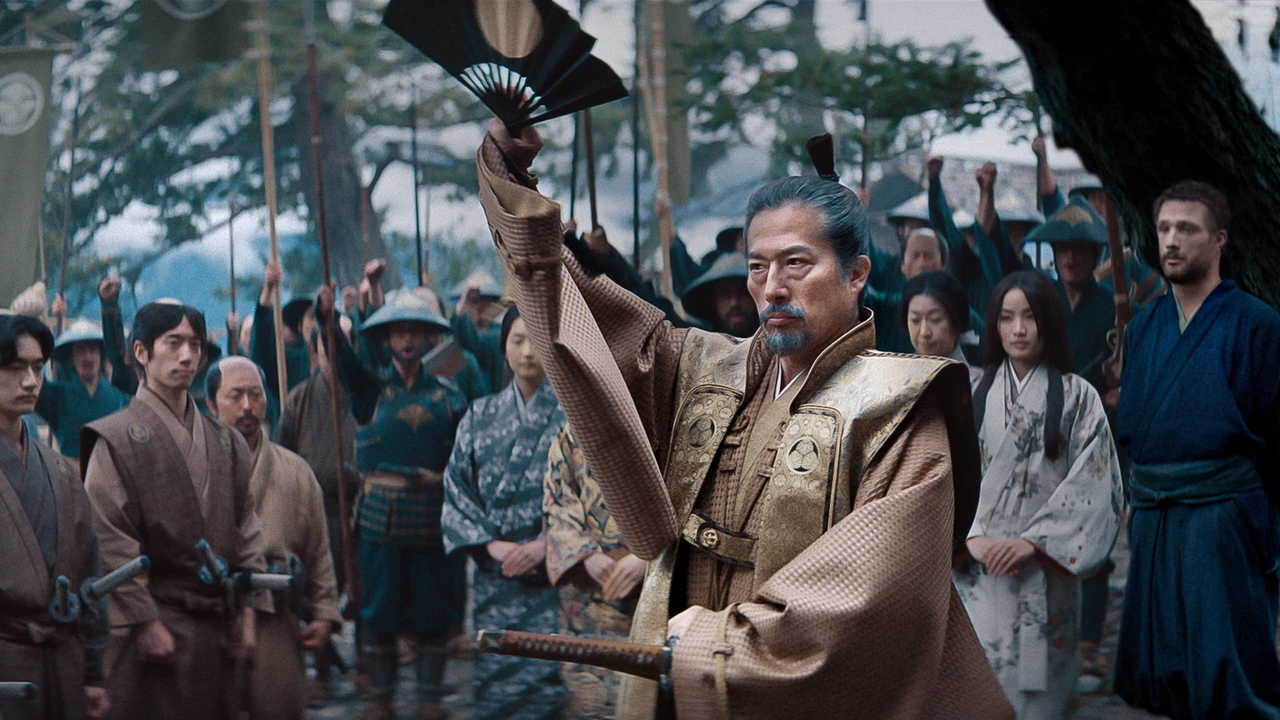 The stillness before the storm, where every gaze holds a universe of intent.
Echoes Across the Chasm: Culture, Power, and the Other
What Shōgun excels at, perhaps more than any series in recent memory, is its meticulous and respectful portrayal of cultural authenticity. The Japanese language, the intricate societal hierarchies, the philosophical underpinnings of bushido and the Tea Ceremony—all are rendered with breathtaking detail, a testament to the show’s commitment to its source material and its setting. This commitment extends to the performances; Anna Sawai’s Lady Mariko, a Catholic convert torn between her faith, her duty, and her own desires, is particularly lauded for her nuanced portrayal of a woman navigating impossible cultural chasms. Hiroyuki Sanada, as Toranaga, embodies the essence of strategic patience and formidable power, often conveying more with a subtle glance than pages of dialogue.
Yet, this very richness can be a double-edged sword. Some audience members noted the density of the political plot, with its numerous daimyos, regents, and shifting alliances, could be challenging to follow without full attention. The constant need for subtitles for much of the dialogue, while essential for authenticity, also presents a barrier for passive viewing. A recurring, though largely debunked, criticism involved the potential for a “white savior” narrative with Blackthorne. However, the series masterfully subverts this, consistently portraying Blackthorne as a bewildered pawn, a useful tool, but never the central figure orchestrating salvation.
“True power is not merely the ability to command, but the capacity to understand the currents of history and the hearts of men, even when shrouded in a foreign tongue.”
This tension between cultures is where Shōgun truly shines philosophically. It forces us to confront our own ethnocentric biases, to see the world through fundamentally different lenses. Blackthorne’s initial bewilderment and disgust at Japanese customs—like seppuku or the rigid class system—gradually gives way to a grudging respect, and even a nascent understanding. The series doesn’t just present a culture clash; it meticulously deconstructs it, showing how notions of honor, loyalty, justice, and even the value of life itself, are not universal absolutes but deeply embedded cultural constructs. It asks us to consider: What happens when our most fundamental beliefs are challenged by an entirely different way of being? And how much of our “truth” is simply a reflection of the society that shaped us?
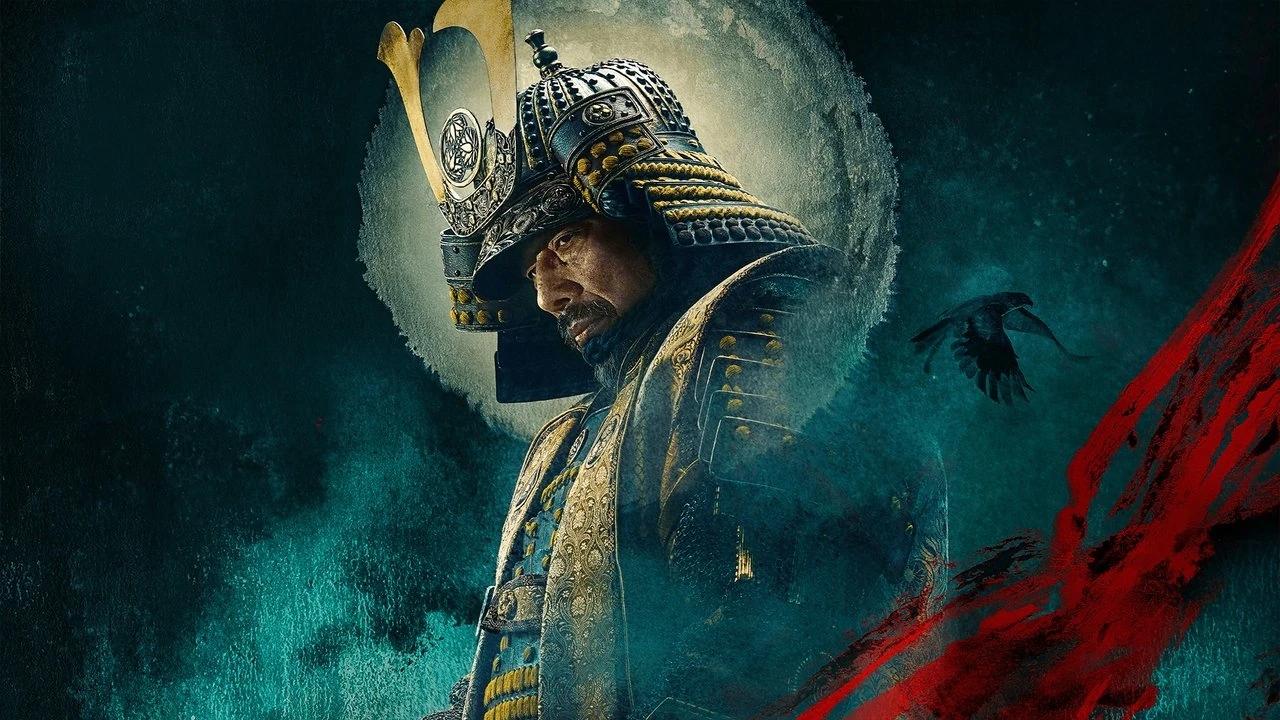 Two worlds collide, yet find a precarious balance in the face of the unknown.
The Art of the Imperfect Self: Honor, Sacrifice, and Legacy
Beyond the grand geopolitical chess game, Shōgun delves deep into the individual struggles for meaning and legacy in a world teetering on the brink of collapse. Every character, from the highest lord to the lowliest peasant, grapples with their place in the rigid social order and the profound implications of their choices. Mariko’s internal conflict, her spiritual journey, and her ultimate act of defiance are perhaps the most compelling explorations of honor and sacrifice. Her life is a constant negotiation between external expectations and an internal yearning for self-determination and redemption.
The series is deeply existential in its exploration of how characters define themselves through their actions, especially when confronted with the inevitability of death. The pervasive presence of death, both as a tool of war and a means of preserving honor, forces characters to confront their own mortality and the meaning they ascribe to their fleeting existence. Toranaga, despite his strategic brilliance, is shown to be a man burdened by the weight of leadership, acutely aware of the sacrifices required to build a lasting peace, even if that peace is forged in blood. His journey is a testament to stoicism, a quiet acceptance of his arduous path, yet it is never devoid of a deeply human anguish.
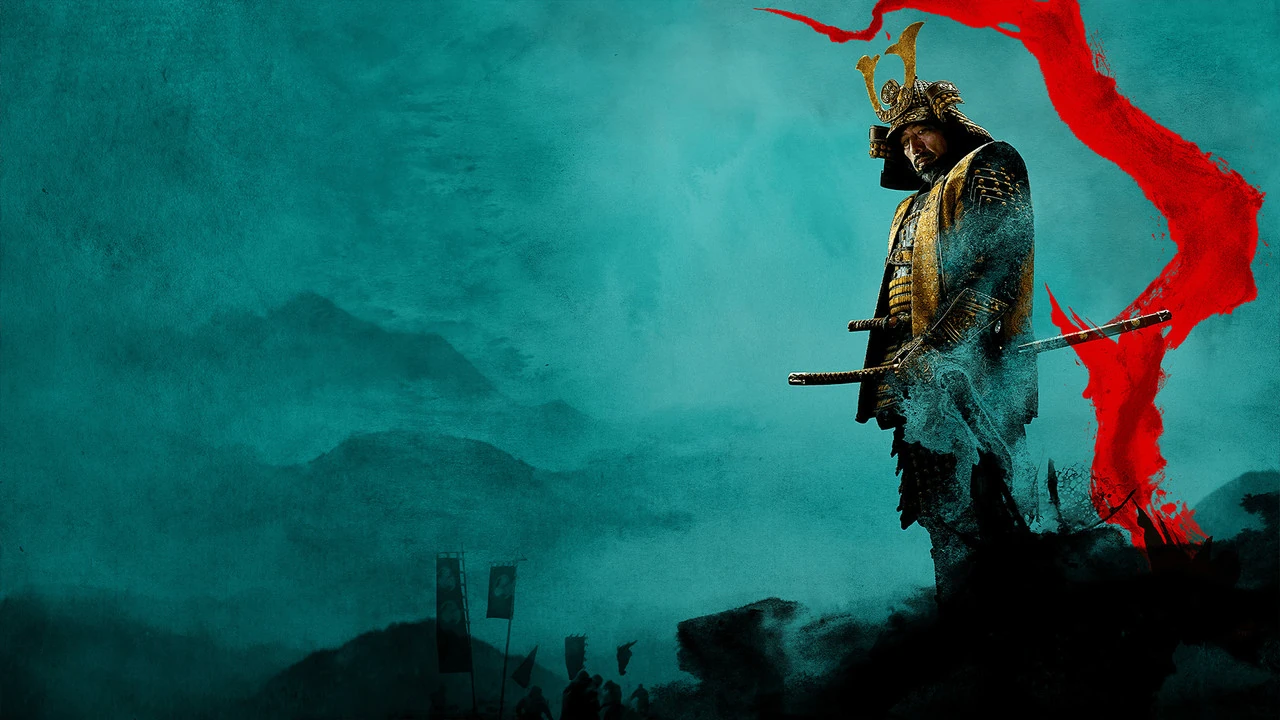 A solitary figure, bearing the weight of an empire and the burden of self.
“In the silent dance of power and the brutal symphony of war, Shōgun reveals that the most enduring battles are often fought within the confines of the human heart, leaving a legacy etched not just in history, but in the very fabric of our being.”
Shōgun’s monumental achievement lies not just in its stunning recreation of 17th-century Japan, or its compelling narrative, but in its ability to elevate a historical drama into a profound philosophical inquiry. It is a series that demands patience and rewards it with an immersive experience that challenges our preconceived notions of power, culture, and the human condition. While some might find its deliberate pacing and intricate political landscape a hurdle, these are precisely the elements that allow its deeper existential and ethical questions to blossom. It’s a reminder that truly great art doesn’t just entertain; it compels us to think, to question, and ultimately, to understand ourselves and our place in the chaotic, beautiful tapestry of existence a little better. Shōgun asks us to consider: What are we willing to sacrifice for the world we envision, and what kind of self emerges from that crucible?
Where to Watch
- Hulu
What’s Up? explores the philosophical depths of cinema.