The Rings of Identity: Shang-Chi's Battle for Self-Authorship
Exploring Shang-Chi and the Legend of the Ten Rings, a Marvel film that grapples with legacy, destiny, and the complex journey of forging one's own identity against a powerful past.
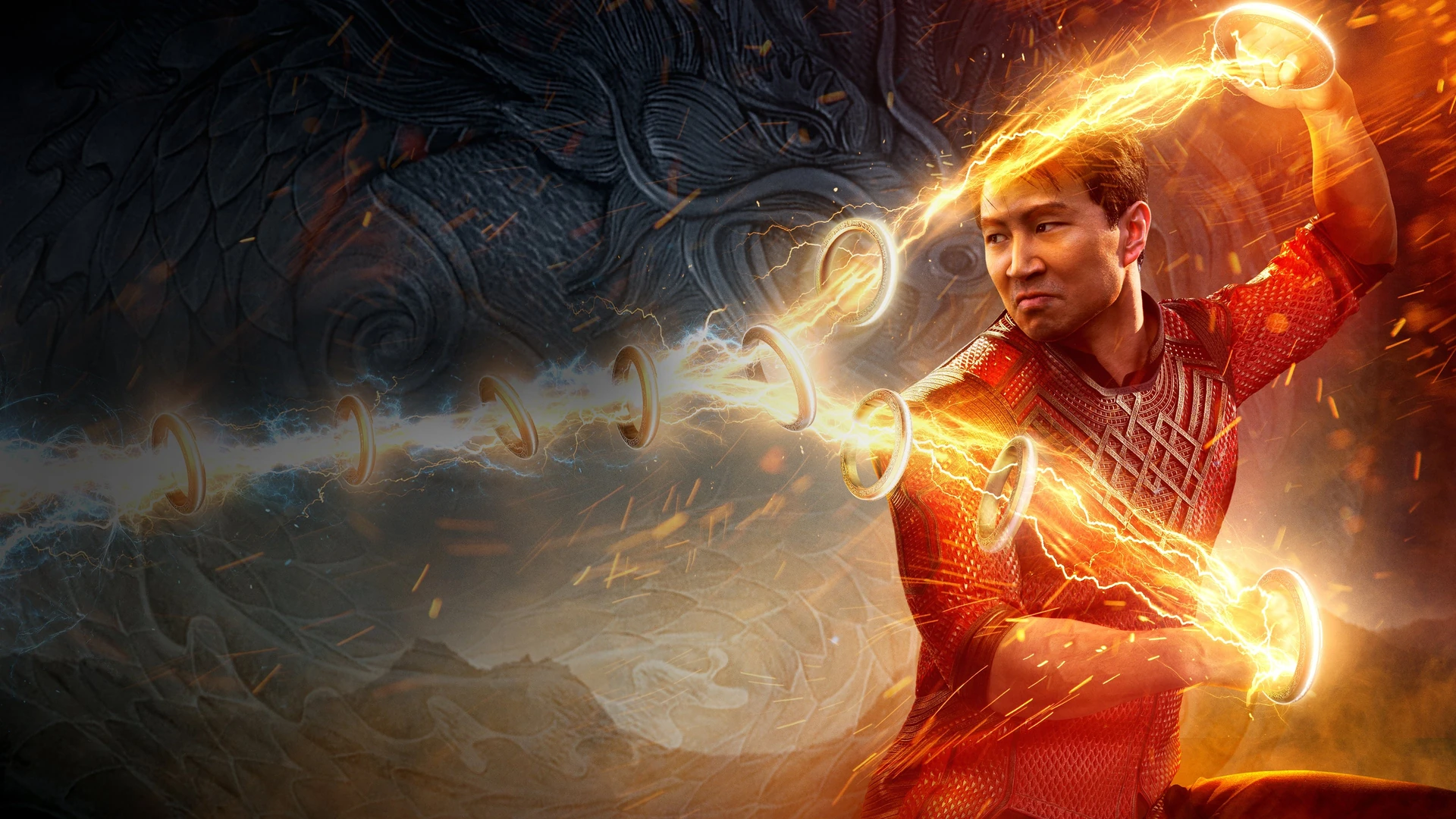
“We are condemned to be free.” — Jean-Paul Sartre
When Shang-Chi and the Legend of the Ten Rings burst onto screens in 2021, it wasn’t just another Marvel movie; it was a cultural moment. Critics, with a resounding 91% on Rotten Tomatoes, largely hailed it as a breath of fresh air, celebrating its groundbreaking representation, spectacular martial arts choreography, and the sheer gravitas of Tony Leung Chiu-wai. Yet, beneath the initial fanfare and the undeniable thrill of seeing a new kind of hero on such a massive stage, the film offers a surprisingly fertile ground for philosophical contemplation, even as it grapples with some familiar MCU trappings that drew a few raised eyebrows. It’s a film that, despite its occasional stumbles into conventional blockbuster territory, dares to ask profound questions about legacy, identity, and the often-thoracious journey of self-authorship.
The Weight of the Rings: Inherited Power, Forged Destiny
At its heart, Shang-Chi is a story about a son escaping (or trying to escape) his father’s shadow. Xu Shang-Chi (Simu Liu) has spent a decade living as “Shaun” in San Francisco, an intentional erasure of a past steeped in violence and the intimidating power of his father, Xu Wenwu (Tony Leung), the immortal wielder of the Ten Rings. This isn’t merely a narrative device; it’s an existential quandary. How much of who we are is predetermined by our origins, our family, our cultural lineage? And to what extent can we truly forge a new path, free from the burdens and blessings of our inheritance?
Wenwu, often cited by critics as the film’s true standout performance, isn’t just a villain; he’s a man consumed by grief and a millennia-long addiction to power. His mastery over the Ten Rings isn’t just physical; it’s symbolic of his complete subjugation to his own past, his desires, and his inability to move beyond loss. Shang-Chi’s initial rejection of his father’s world is an attempt at existential freedom—an assertion that he will define himself, not be defined by the rings or his father’s bloody empire. However, the film subtly reminds us that complete escape is often an illusion. His past, his training, his very blood, continue to pull him back, forcing him to confront the very things he sought to bury. This struggle between determinism (the influence of one’s past) and free will (the ability to choose one’s future) forms the narrative’s central philosophical engine.
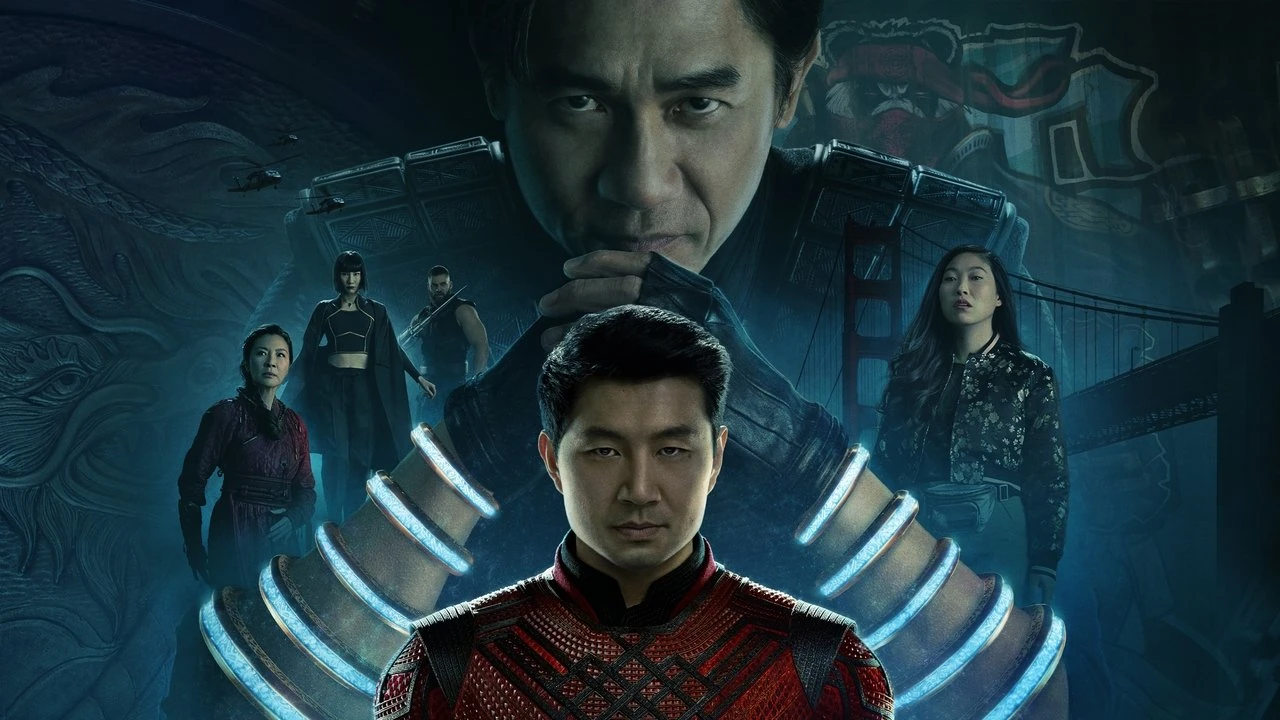 Shang-Chi confronts the shadowy legacy of his past, a visual metaphor for the weight of inherited identity.
Balancing Spectacle and Soul: The Marvel Conundrum
While the film garnered immense praise, a recurring note from critics, particularly regarding the latter half, was the tendency for Shang-Chi to revert to the familiar “Marvel formula.” The shift from intricate, grounded martial arts sequences to a large-scale CGI spectacle in the mystical realm of Ta Lo left some viewers feeling a touch of déjà vu. As many reviews pointed out, the emotional depth and character-driven stakes often felt somewhat diluted by the demands of a universe-spanning narrative. Awkwafina’s performance as Katy, while praised by many for her comedic timing, also received mixed reactions, with some finding her character’s rapid skill acquisition and occasional levity a distraction during more serious moments.
The challenge for any culturally significant blockbuster lies in balancing its unique voice with the commercial imperatives of a franchise; sometimes, the spectacle threatens to overshadow the soul.
This tension highlights a fascinating philosophical point about art and commerce. Can a truly unique, culturally specific narrative retain its authenticity when filtered through the machinery of a global entertainment juggernaut? Shang-Chi largely succeeds by rooting its grand fantasy in deeply personal, culturally resonant themes. Yet, the criticism regarding the third act points to the inherent struggle: how much does the individual artistic vision compromise when integrated into a larger, pre-established collective narrative (the MCU)? The film’s strength lies in its ability to introduce us to a rich new mythology, but its occasional weakness lies in its perceived obligation to fit neatly into a pre-existing mold, which can sometimes mute its distinct philosophical roar.
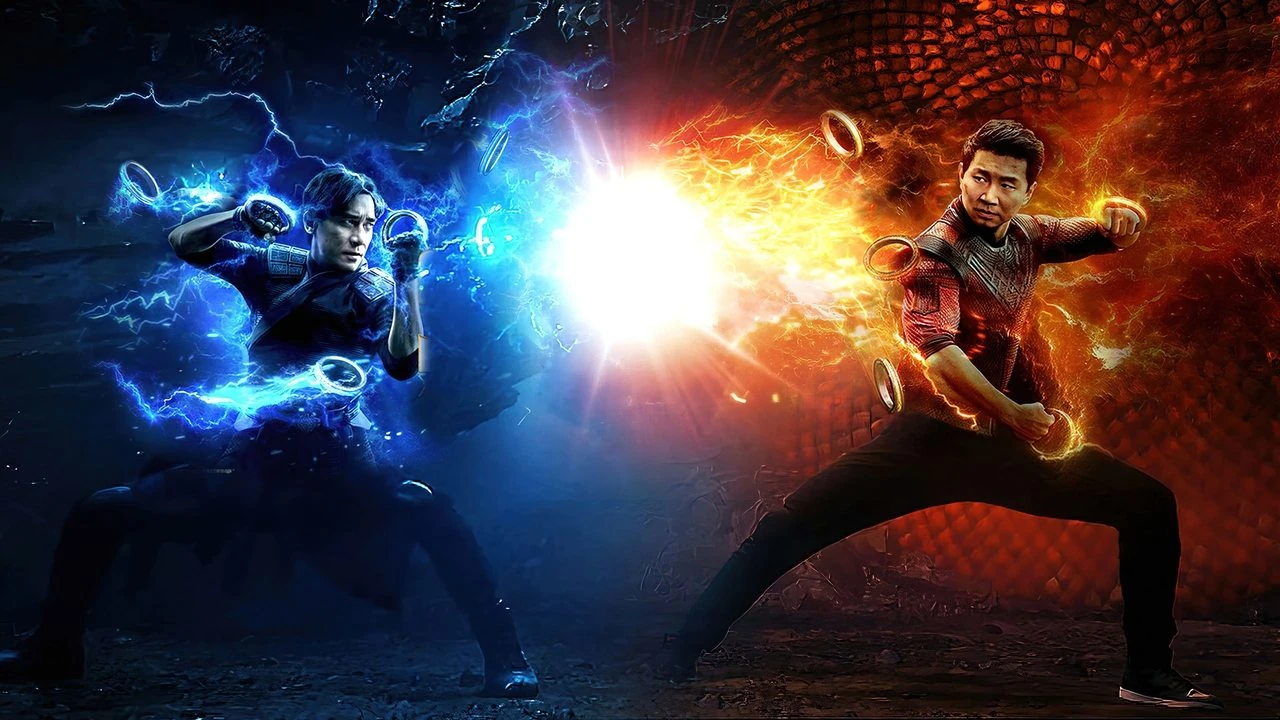 Katy and Shang-Chi navigate the mystical realm of Ta Lo, a blend of cultural wonder and familiar blockbuster aesthetics.
The Cycle of Violence and the Path to Wholeness
Beyond the individual struggle for identity, Shang-Chi delves into the broader themes of intergenerational trauma and the cycle of violence. Wenwu’s story is a tragic testament to how unaddressed grief and unchecked power can perpetuate suffering across centuries. He uses the Ten Rings not just for conquest, but as an expression of his deep, unending sorrow, believing he can literally resurrect his lost love. This delusion drives him to force his children into a violent path, inadvertently mirroring the very trauma he experienced.
Shang-Chi’s journey is therefore not just about defeating a physical antagonist, but about breaking this insidious cycle. He must embrace all aspects of his heritage – the brutal training, the mystical power of Ta Lo, his mother’s grace, and even the complicated love for his father – to achieve a kind of wholeness. It’s about integrating the light and the shadow within himself, rather than simply fleeing one for the other. This echoes Jungian concepts of the shadow self and the path to individuation, where one integrates unconscious aspects of the personality into the conscious mind to become a complete self. The rings, initially symbols of control and destruction, are ultimately re-contextualized as tools that can be wielded for protection and creation, depending on the wielder’s intent.
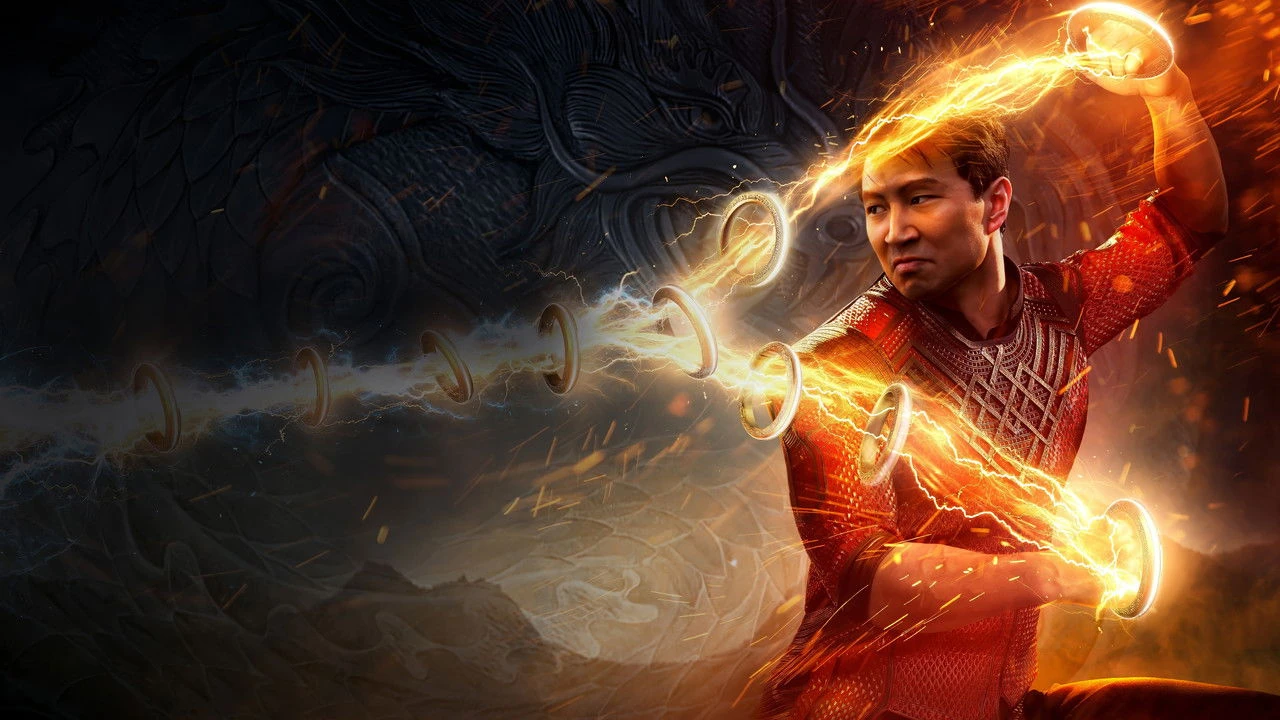 The shimmering power of the Ten Rings, representing both destructive might and the potential for a new legacy.
While Shang-Chi navigates the familiar narrative beats of its cinematic universe, its true power lies in its unflinching portrayal of a young man wrestling with a monumental legacy, challenging us to consider our own inherited burdens and the courage it takes to write our own story.
Shang-Chi and the Legend of the Ten Rings isn’t a flawless film; its third act may lean too heavily on familiar spectacle, and some character beats could have benefited from more nuance. Yet, its philosophical contributions are undeniable. It’s a visually stunning, emotionally resonant exploration of what it means to be a son and a man in the shadow of a colossal, complex legacy. It asks us: When faced with the indelible marks of our past, do we succumb to their weight, or do we gather their fragments and forge something entirely new, entirely our own?
Where to Watch
- Disney Plus
What’s Up? explores the philosophical depths of cinema.