The Abyss Stares Back: Sherlock Holmes, Moriarty, and the Burden of Brilliant Minds
A philosophical deep dive into Sherlock Holmes: A Game of Shadows, exploring the dual nature of genius, the cost of obsession, and the existential dance between two intellectual titans.
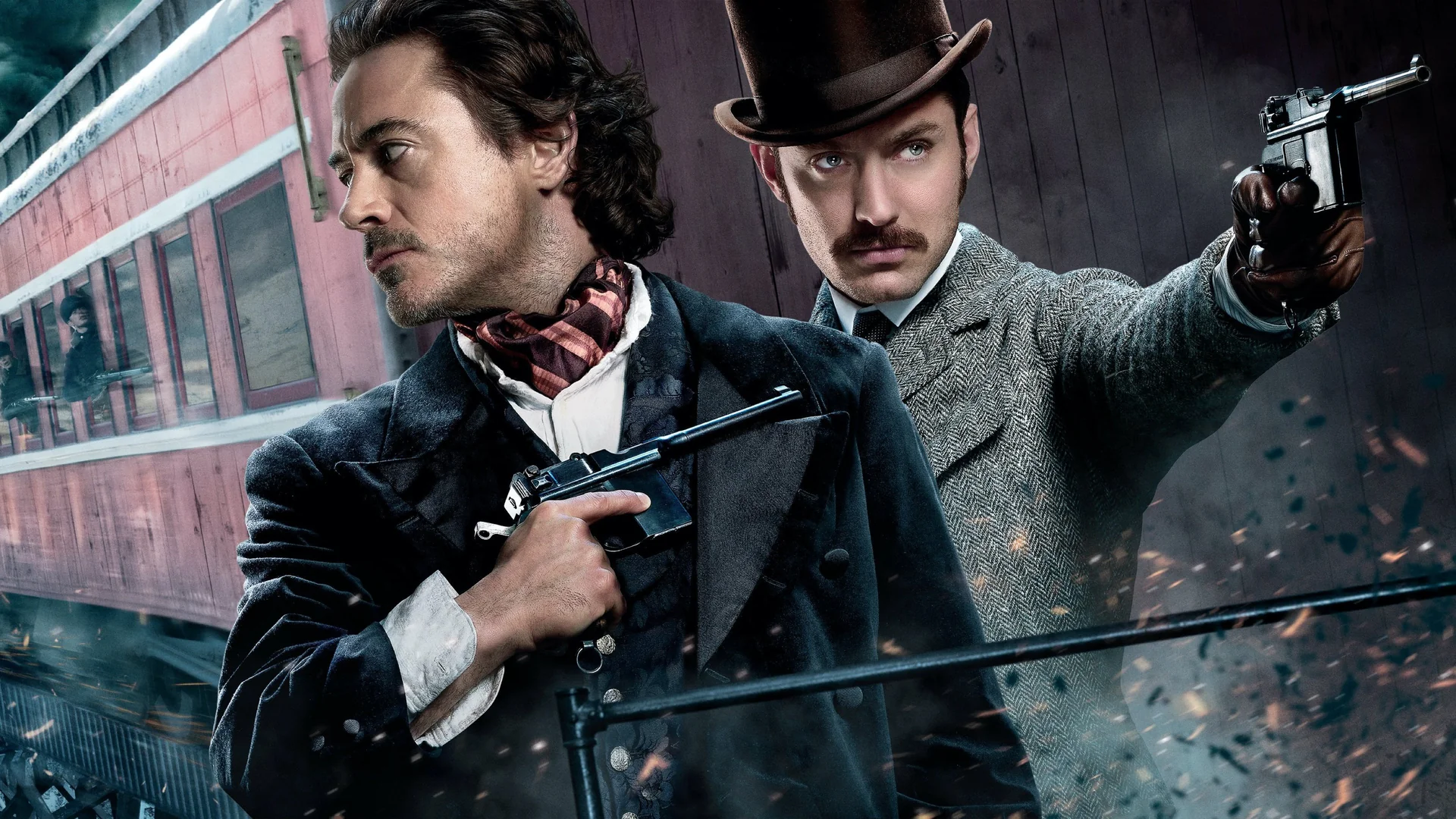
“When you have eliminated the impossible, whatever remains, however improbable, must be the truth.” — Sherlock Holmes
When Guy Ritchie brought his kinetic, highly stylized vision of Sherlock Holmes to the big screen, it was a breath of fresh, if somewhat explosive, air. The sequel, Sherlock Holmes: A Game of Shadows (2011), doubled down on that energy, giving us a more expansive, often more chaotic, confrontation with Holmes’s ultimate nemesis, Professor James Moriarty. And while it undeniably delivered on spectacle and the electric chemistry between Robert Downey Jr.’s Holmes and Jude Law’s Watson, its reception was, shall we say, mixed. Critics, as reflected by its 60% on Rotten Tomatoes and a middling 48/100 on Metacritic, often praised the performances and visual panache but frequently noted a convoluted plot, an over-reliance on action, and a narrative that sometimes felt more exhausting than exhilarating. Many felt it sacrificed the intricate detective work for sheer scale, leaving some viewers longing for the more grounded, if still fantastical, mystery of its predecessor. Yet, beneath the explosions and slow-motion set pieces, A Game of Shadows dares to delve into some profoundly existential questions about the nature of intellect, the burden of genius, and the very fabric of purpose.
The Dualism of Genius and Destruction
At its heart, A Game of Shadows is an exploration of dualism – the inseparable, yet opposing, forces that define existence. Sherlock Holmes and Professor Moriarty are two sides of the same coin, intellectual titans whose minds operate on a plane far beyond mere mortals. Holmes himself acknowledges this, stating that Moriarty is his intellectual equal, perhaps even his superior. This isn’t just about good versus evil; it’s about the inherent neutrality of pure intellect. Untethered from a moral compass, genius can become a force of unimaginable destruction, as we see with Moriarty’s grand scheme to ignite a global war for profit.
The film forces us to confront the uncomfortable truth that brilliance isn’t inherently virtuous. It can be wielded for creation or annihilation, for solving crimes or orchestrating them. Holmes’s obsession with Moriarty isn’t just a pursuit of justice; it’s a recognition of a kindred spirit, a dark mirror reflecting his own potential for isolation and destructive focus. The game they play isn’t merely physical, but a deeply psychological and philosophical battle of wits, where each move is a calculated risk, revealing the players’ deepest fears and desires.
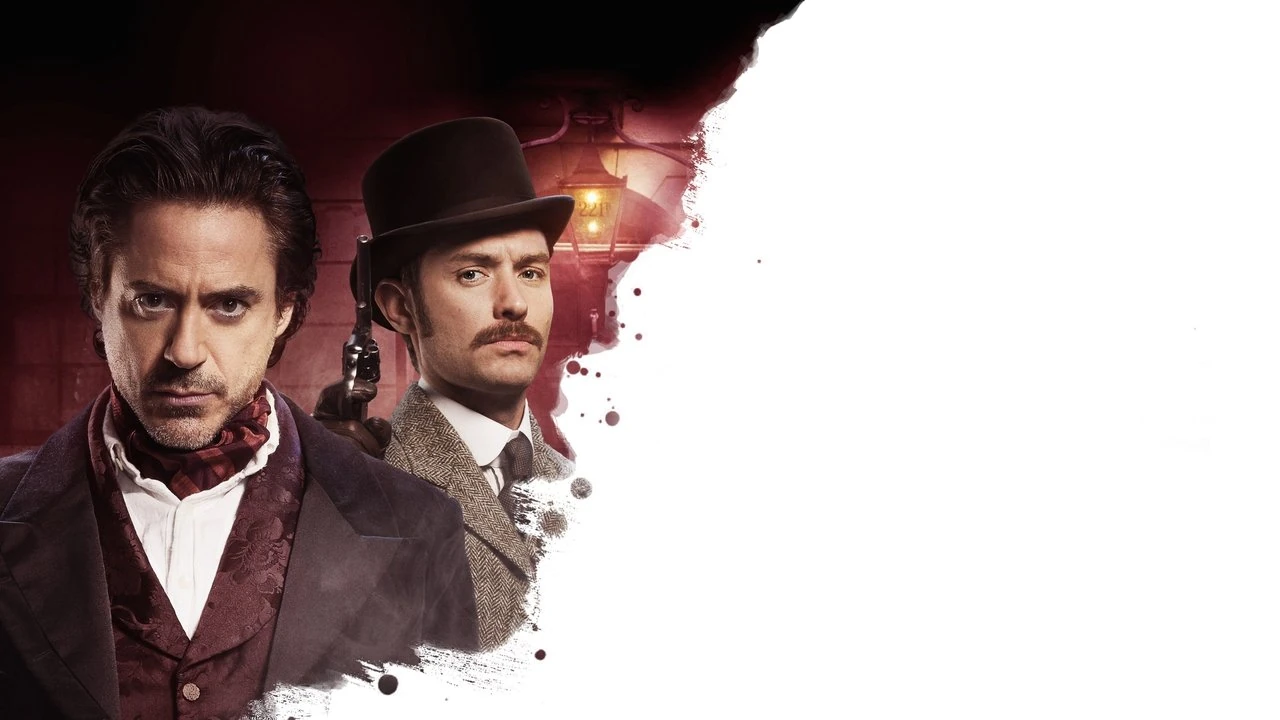 Holmes and Moriarty engaged in their high-stakes intellectual duel.
What Works, What Wobbles: A Critical Balance
It’s crucial to acknowledge the film’s divisive reception. Many critics, and a fair share of audience members, found the plot of A Game of Shadows to be overly labyrinthine, a sprawling tapestry of geopolitical intrigue that occasionally lost the thread of individual character motivation. The relentless pacing, while characteristic of Ritchie’s style, sometimes bordered on exhausting, leaving little room for the thoughtful deduction that defines the classic Holmes. Some felt the film leaned too heavily on its visual flair and explosive action sequences, sacrificing narrative clarity and emotional resonance for spectacle. The rapid-fire editing and fragmented storytelling, while stylish, could leave viewers feeling disoriented, struggling to keep up with the intricate web of Moriarty’s plans.
The real game here isn’t just one of strategy, but of perspective—how far are we willing to zoom out to see the larger, darker patterns, and what do we lose when we forget the human cost of such grand designs?
However, to dismiss it outright would be to miss its significant strengths. Jared Harris’s portrayal of Moriarty is widely lauded, giving us a villain of chilling calm and intellectual menace, a perfect foil to Downey Jr.’s manic energy. The undeniable bromance between Holmes and Watson remains the emotional anchor, their camaraderie and unwavering loyalty providing moments of genuine heart amidst the chaos. Ritchie’s visual storytelling, while occasionally overwhelming, still offers moments of pure cinematic brilliance – the slow-motion bullet trajectories, the intricate fight choreography, the sweeping European landscapes. These elements elevate the film beyond a mere action spectacle, hinting at a grander narrative about the individual’s place within vast, uncontrollable forces. The film’s commitment to showing Holmes’s strategic mind in action, even during the most frantic sequences, offers glimpses into the brilliance that critics found missing in other areas.
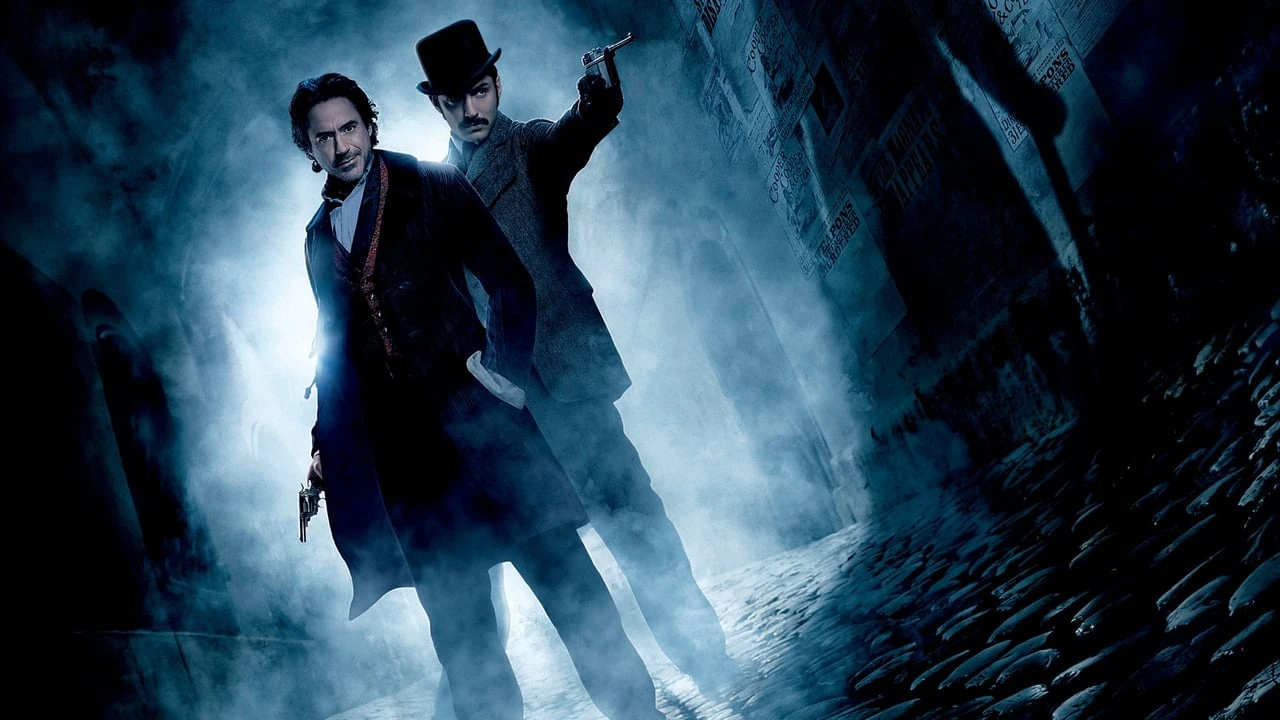 Dr. Watson, a steadfast companion in a world of chaos, observing a tense moment.
The Existential Chessboard and the Art of Sacrifice
Beyond the surface-level criticisms and praises, A Game of Shadows raises profound questions about fate versus free will and the burden of sacrifice. Moriarty views the world as a grand chessboard, where he dictates the moves, treating nations and individuals as pawns. Holmes, in turn, sees himself as the only piece capable of disrupting this predetermined game. Their final confrontation at the Reichenbach Falls is not merely a physical struggle but a philosophical one – two systems of thought, two wills, colliding in a desperate attempt to assert control over destiny.
The film grapples with the idea that some battles are so monumental, they demand absolute sacrifice. Holmes’s willingness to fall with Moriarty, seemingly ending his own life to prevent a global catastrophe, is a powerful statement on the ethics of altruism and the weight of responsibility that accompanies extraordinary ability. It challenges us to consider what it truly means to be a hero, not just in terms of victory, but in the ultimate offering of self. The “death” of Holmes isn’t just a plot device; it’s an existential act, a deliberate erasure of self for the greater good, a testament to the idea that sometimes, the only way to win a game is to remove yourself from the board entirely. This echoes profound philosophical ideas of self-transcendence and the ultimate purpose of life when confronted with overwhelming evil.
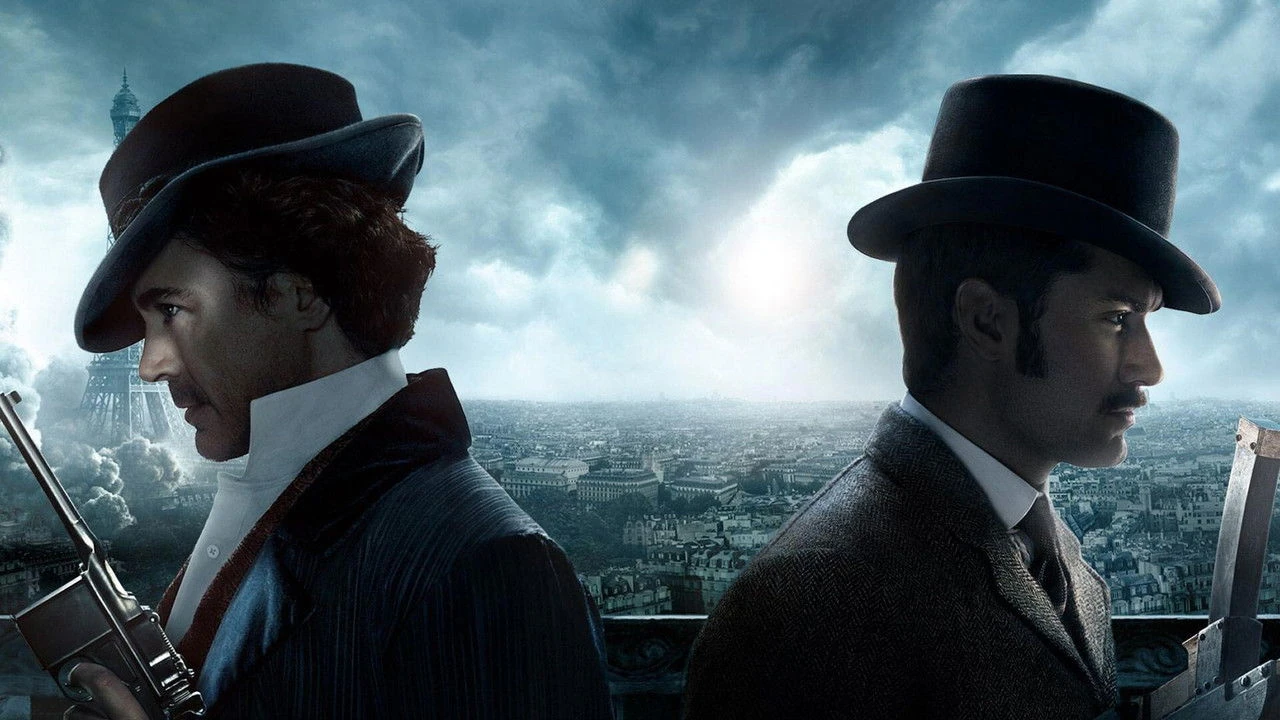 The fateful plunge at the Reichenbach Falls, a moment of profound sacrifice and symbolic demise.
The legacy of Sherlock Holmes: A Game of Shadows is as fractured as its critical reception, a testament to a film that aimed for epic scale and sometimes stumbled under its own ambition. Yet, in its relentless pursuit of a clash between two magnificent minds, it offers a haunting reflection on the nature of genius, the seductive power of chaos, and the enduring question of what we are truly willing to give up to save the world, even if that world doesn’t always appreciate the sacrifice.
Ultimately, A Game of Shadows may not be the most tightly plotted or consistently satisfying Sherlock Holmes mystery, but it is undeniably a bold philosophical statement. It asks us to look beyond the clever deductions and the thrilling chases to consider the deeper, darker currents that flow through the human condition: the intoxicating allure of power, the isolating burden of intellect, and the profound, often tragic, choices demanded by an existential struggle against the shadows. What price are we willing to pay for knowledge, for victory, for peace? And when the game is played by such brilliant, dangerous minds, can there ever truly be a victor, or only survivors?
Where to Watch
- Amazon Prime Video
- Amazon Prime Video with Ads
What’s Up? explores the philosophical depths of cinema.