The Shiddat of Desire: When Love Becomes a Philosophy of Force
Exploring Shiddat's portrayal of relentless love, its philosophical implications on obsession vs. devotion, and the critical reception of its dramatic narrative.

“Love is not a matter of ‘give and take,’ but a matter of ‘give and give.’” — Victor Hugo
Kunal Deshmukh’s 2021 Hindi romance, Shiddat, arrived on the streaming landscape with a premise as old as time, yet framed in a way that felt distinctly, and often controversially, modern. Clocking in at a rather generous 146 minutes, it’s a film that demands your emotional investment, sometimes to the point of exhaustion. Shiddat, meaning “intense passion” or “fervor,” promises a love story so grand it transcends logic, distance, and even the sacred institution of marriage itself. But for a film so overtly about the power of love, it left many critics and audiences profoundly divided, questioning not just its narrative choices, but the very philosophy of love it champions.
For all its sweeping declarations and earnest performances, Shiddat struggles with a fundamental tension: Is its central character, Jaggi, a paragon of relentless devotion or a cautionary tale of unchecked obsession? This isn’t just a critique of the film’s execution; it’s the philosophical crossroads at its heart.
The Relentless Pursuit of ‘Shiddat’: Devotion or Delusion?
From the outset, Shiddat positions Jaggi (Sunny Kaushal) as a man for whom love is an absolute, an unyielding force that bows to no societal norm or practical barrier. His love for Kartika (Radhika Madan) is introduced as an all-consuming fire, compelling him to cross continents to stop her impending wedding because, as the plot overview succinctly puts it, “he doesn’t want to be friend-zoned.” This premise immediately flags a problematic undercurrent that many critics and viewers were quick to highlight. Is this truly romantic heroism, or does it veer into entitlement, presenting a possessive fantasy rather than a genuine connection?
Critics were particularly unsparing regarding this aspect, with many reviews pointing out the film’s questionable portrayal of consent and the romanticization of what borders on stalking. The idea that “true love” justifies any means, including disrupting someone else’s life choices, felt less like passionate devotion and more like a dangerous idealization of desire. Shiddat asks us to believe in love at first sight, in grand gestures over reasoned choices, and in the sheer force of will as a romantic superpower. This challenges our very understanding of autonomy within relationships.
Key themes that emerge from this intense portrayal:
- The Nature of Desire — Is desire inherently pure, or can it become destructive when unexamined?
- Free Will vs. Destiny — Does Jaggi’s relentless pursuit signify an active shaping of his destiny, or a forceful imposition of his will onto another?
- The Romantic Ideal — What happens when the idealized, cinematic version of love clashes with the messy realities of life and respect?
 Jaggi’s determined gaze, embodying the film’s central theme of unwavering pursuit.
Love, Logic, and the Labyrinth of Relationships
Beyond the ethical questions, Shiddat faced substantial criticism for its narrative inconsistencies and pacing issues. As a romance, it’s meant to sweep you off your feet, but many found themselves more bewildered than enchanted. The screenplay, despite its ambitious scope, often feels disjointed, struggling to maintain a consistent tone or logical progression. Some critics lambasted the script for being overly simplistic in its character development, failing to give Kartika sufficient agency or depth beyond being the object of Jaggi’s affection.
This is where the film stumbles most significantly, asking us to suspend belief not just for the sake of romance, but for a plot that frequently defies common sense, revealing a chasm between heartfelt intent and clunky execution.
The supporting characters, particularly Mohit Raina’s layered portrayal of the immigration officer who himself embodies a mature, pragmatic love, often overshadowed the leads. Diana Penty, as Kartika’s fiancée, also brings a quiet dignity to a character who is essentially a narrative device. Their stories, though secondary, often offered a more grounded and relatable exploration of love, loss, and commitment, inadvertently highlighting the main plot’s fantastical excesses. The film’s strengths, often cited by its proponents, lay in its vibrant music and the palpable chemistry between Sunny Kaushal and Radhika Madan in their initial scenes. However, this often wasn’t enough to overcome the narrative’s fundamental weaknesses.
The pacing, particularly in the latter half, was a common point of contention. What starts as a high-octane pursuit often devolves into a series of improbable events, stretching credulity to its breaking point. This unevenness prevents the audience from truly connecting with the emotional journey, leaving them to question the why rather than simply feeling the what.
 Kartika’s internal conflict, caught between societal expectations and a passionate declaration.
Beyond the Surface: The Echoes of Obsession and Destiny
Even with its undeniable weaknesses—the problematic romantic ideals, the erratic pacing, and the occasional narrative contrivances—Shiddat does inadvertently spark some profound philosophical reflection. At its core, the film probes the boundaries of unconditional love. Is there such a thing as too much love? When does passion morph into obsession, and at what point does it cease to be about the beloved and become solely about the lover’s own ego and self-validation?
The film, perhaps unintentionally, becomes a canvas for exploring the ethics of desire. It forces us to confront uncomfortable questions about the narratives we consume regarding love:
- Are we conditioned to admire the grand, often disruptive, gesture over quiet, consistent respect?
- Does the pursuit of a “soulmate” justify disregarding the autonomy and feelings of others involved?
- What is the true meaning of commitment—is it a promise to one person, or a relentless pursuit of a feeling?
Shiddat ultimately presents a vision of love that is less about partnership and more about a singular, almost mythical quest. Jaggi’s journey is an existential test of his belief in the power of his own will against all odds. It’s a film that, despite its many flaws, serves as a mirror reflecting our own complicated relationship with romantic ideals, societal pressures, and the often-blurred line between passion and obsession. It dares to ask if the human spirit, fueled by an intense conviction, can truly overcome all obstacles, even if that overcoming comes at a significant moral and logical cost.
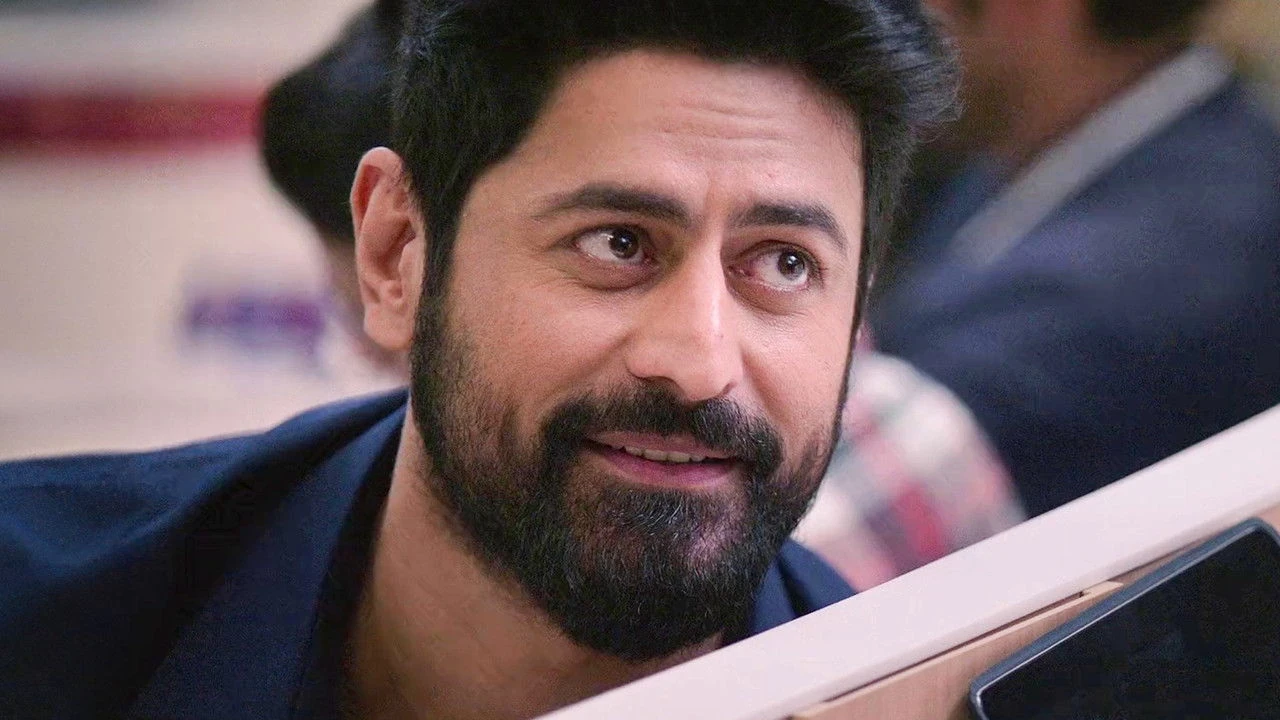 The journey’s end, a poignant reflection on the sacrifices and consequences of intense passion.
“The true difficulty is to overcome oneself.” — Immanuel Kant
While Shiddat may not stand as a cinematic masterpiece, garnering a largely mixed-to-negative critical reception for its dramatic excesses and problematic portrayal of love, it undeniably provides ample material for philosophical dissection. It’s a film that, by virtue of its very ambition and missteps, compels us to interrogate the narratives of romance we hold dear. What does it truly mean to love with shiddat, and at what cost are we willing to pay for that intensity? Perhaps the film’s greatest philosophical contribution isn’t in its answers, but in the uncomfortable questions it provokes about our own understanding of love’s boundaries.
Where to Watch
- Hulu
What’s Up? explores the philosophical depths of cinema.