Lost in the Stars: Skeleton Crew and the Quest for Meaning
Anticipating the philosophical resonance of Skeleton Crew, a Star Wars series following lost children, and how it might explore existential questions of belonging and meaning.
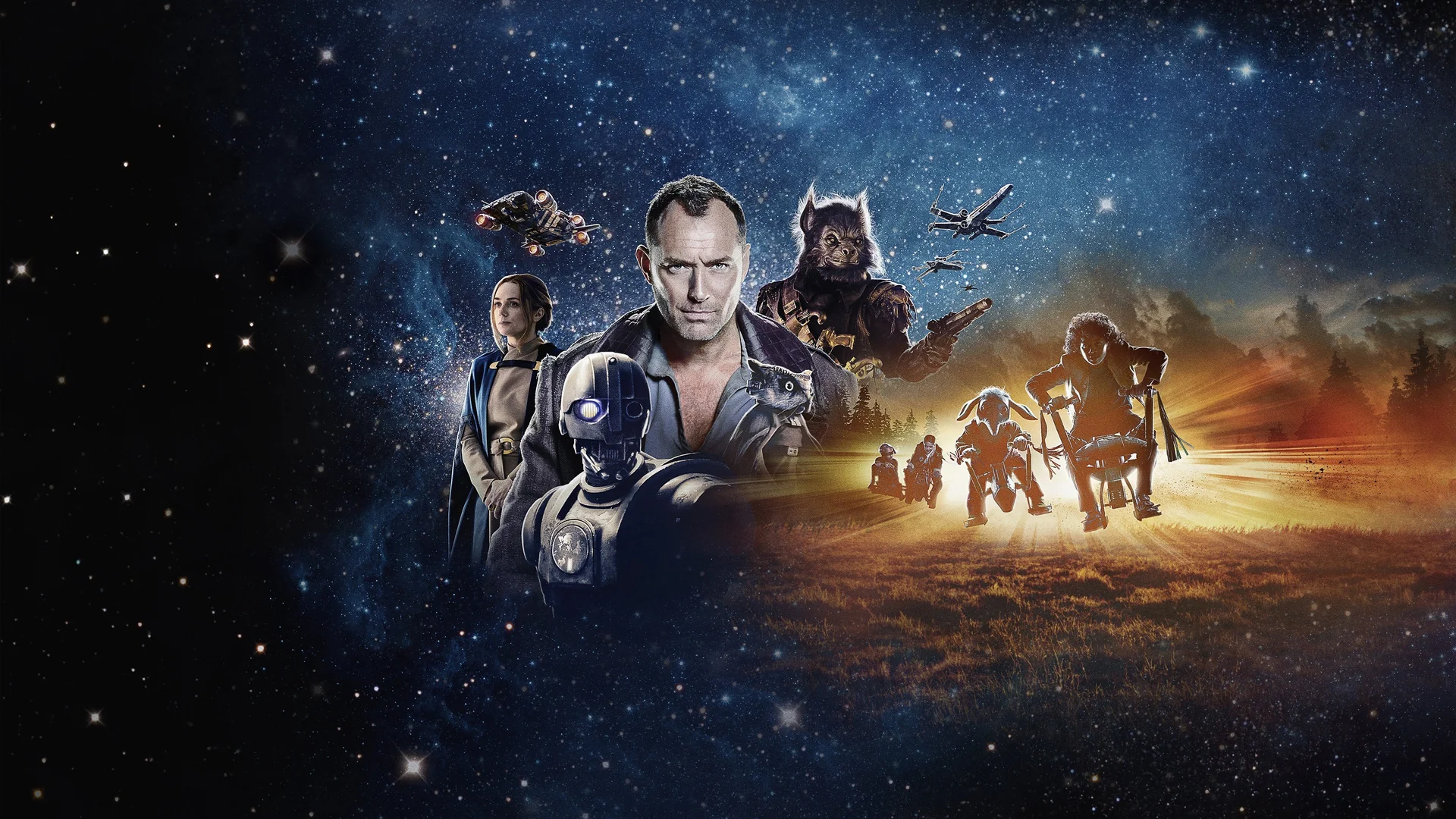
“The only way out is through, but sometimes ‘through’ means figuring out where ‘out’ even is.” — Unattributed
As the Star Wars galaxy continues its relentless expansion across our screens, each new series carries the weight of immense expectation and, often, the burden of a divided audience. Skeleton Crew, set to debut in late 2024, arrives with an intriguing premise: four ordinary children, adrift and lost in the sprawling, often brutal cosmos, striving to find their way back home. While the series hasn’t yet graced our screens, and thus, no official critical consensus or audience reception exists, the very idea of it — kids grappling with an indifferent universe — immediately strikes a chord, promising a deep well of existential inquiry even amidst the inevitable action and adventure. It’s a concept that could be profoundly moving or, if mishandled, merely another cog in the franchise machine.
The Weight of Lost Innocence in a Vast Galaxy
The core of Skeleton Crew seems to be a potent cocktail of classic adventure tropes mixed with a potentially raw exploration of childhood vulnerability and resilience. We’re accustomed to seeing seasoned Jedi, battle-hardened Mandalorians, or cunning smugglers navigate the perils of the galaxy. But children? Ordinary children? This immediately shifts the narrative lens, forcing us to consider themes of helplessness against overwhelming odds, the desperate search for belonging, and the very definition of “home” when the familiar is suddenly ripped away.
The series, with Jude Law as a key adult figure, has the opportunity to delve into:
- The fragility of identity when removed from one’s established environment.
- The moral dilemmas faced by those unprepared for survival.
- The formation of new bonds as a substitute for lost family.
One might anticipate that the biggest challenge for creators Jon Watts and Christopher Ford will be balancing the inherent darkness of this premise with the expected Star Wars tone, often aimed at a broader, family-friendly audience. Will it shy away from the true terror of being lost, or will it embrace the more harrowing aspects of its predicament, allowing its young protagonists to genuinely struggle and grow? This tonal tightrope walk has historically been a point of contention for other Star Wars productions, with critics often noting uneven pacing or a reluctance to fully commit to dramatic stakes.
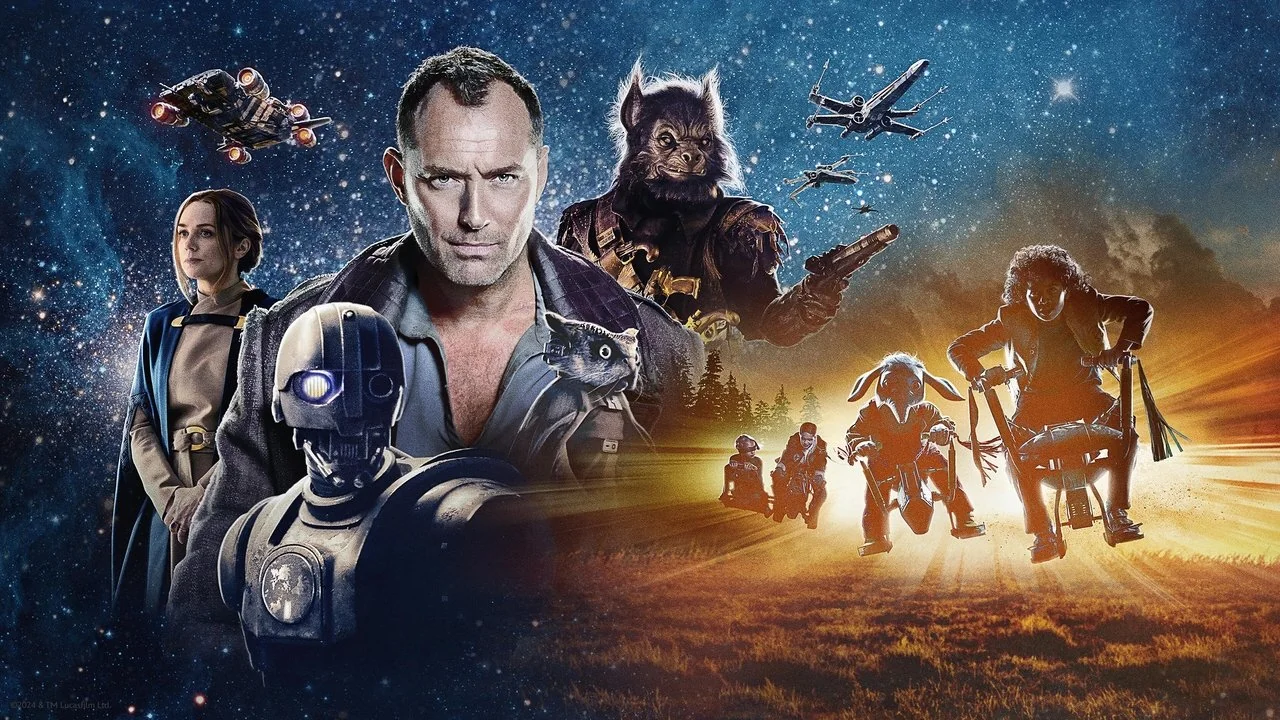 A lone child gazes at a distant star, embodying the vastness of their journey.
Navigating the Unknown: Anticipated Strengths and Potential Pitfalls
Given its upcoming release, specific critical reviews are, of course, absent. However, we can speculate on the challenges and triumphs Skeleton Crew might face based on the broader landscape of Star Wars television. The prospect of Jude Law leading the charge is undeniably exciting. His gravitas and range could anchor the series, providing a much-needed adult perspective on the children’s plight, perhaps acting as a surrogate parent or a flawed guide. The young cast, including Ravi Cabot-Conyers and Ryan Kiera Armstrong, will be crucial. Their performances will need to carry the emotional weight of their journey, making us believe in their fear, their hope, and their burgeoning courage.
Historically, Star Wars shows on Disney+ have faced a range of criticisms:
- Pacing Issues: Some series have been lauded for their slow burn, while others have been criticized for feeling drawn out or lacking urgency. A 40-minute runtime for Skeleton Crew could either feel perfectly paced for episodic adventure or too brief to fully develop its ambitious themes.
- Visual Effects: While the budgets are considerable, the sheer volume of content sometimes leads to moments where the CGI feels less than cinematic. For a show where the environment is a constant threat and source of wonder, consistent visual fidelity will be key.
- Narrative Ambition vs. Execution: The Star Wars universe often grapples with balancing overarching mythology with self-contained stories. Will Skeleton Crew manage to tell a compelling, personal story that also feels integral to the larger galaxy without being bogged down by fan service or unnecessary lore?
This is where the narrative’s true test lies: can it weave individual stories of survival into a tapestry of universal truths about human connection and the relentless pursuit of meaning?
The show’s success will likely hinge on its ability to transcend its “kids in space” premise and truly explore the existential dimensions of being lost, not just physically, but metaphorically. Can it make us feel the disorientation, the yearning, and the profound bravery required to simply keep going when everything you know is gone?
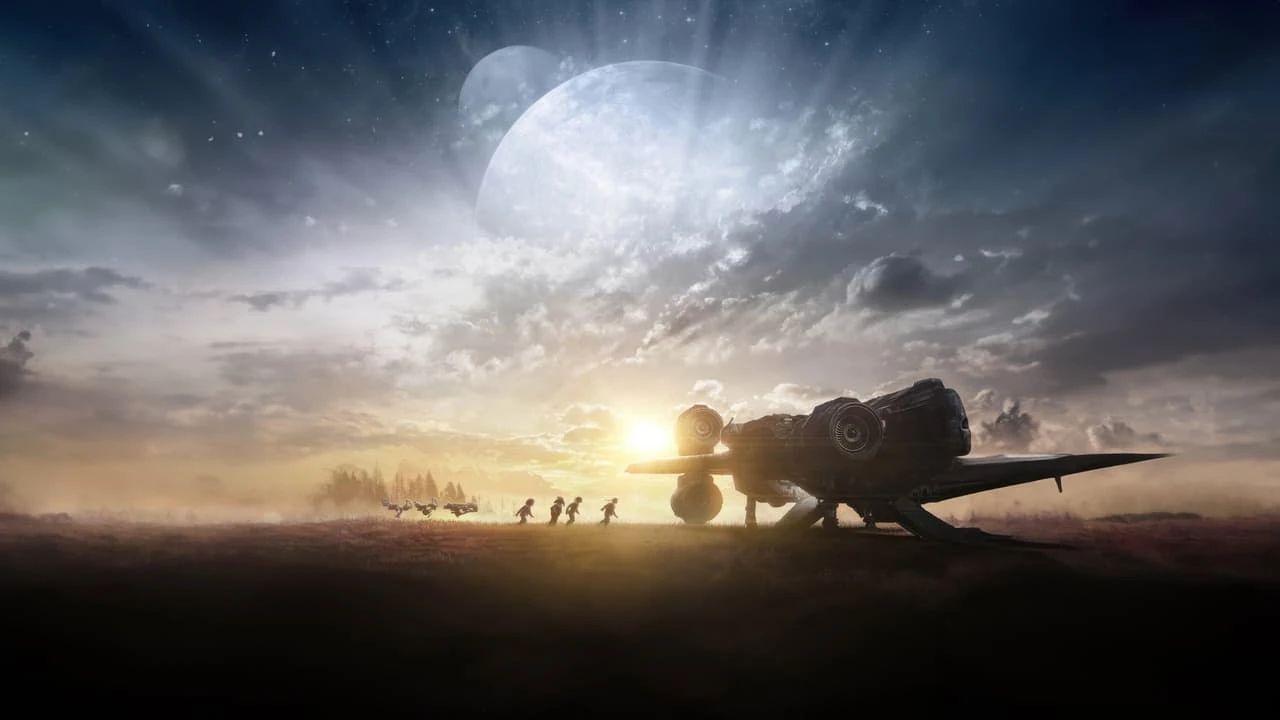 The diverse young cast huddled together, a symbol of nascent community amidst chaos.
The Existential Map Back Home
Beyond the chases and alien encounters, Skeleton Crew has the potential to be a profound meditation on home. What is home, really? Is it the coordinates of a planet? Is it the familiar faces of family? Or is it a state of being, a sense of security and belonging that can be found even in the most inhospitable corners of the galaxy? For these four children, their quest for their home planet isn’t just a physical journey; it’s a profound search for selfhood and stability.
This leads to deeper philosophical questions:
- The Nature of Belonging: How do we create a sense of belonging when our roots are severed? Do we form new “families” out of necessity, or do these bonds become something more?
- Agency in Chaos: How much control do these “ordinary kids” truly have over their destiny in a galaxy largely indifferent to their plight? Where does free will intersect with overwhelming circumstance?
- The Power of Hope: In a universe filled with danger, what fuels their continued search? Is hope a rational choice, a desperate delusion, or an innate human drive?
The series has an opportunity to explore the metaphysics of place and the ethics of survival. When resources are scarce and danger ever-present, how do these children navigate the moral grey areas? Do they maintain their innocence, or are they forced to make compromises that irrevocably change them? These are the questions that could elevate Skeleton Crew beyond mere entertainment, transforming it into a poignant commentary on the human (or sentient) spirit’s indomitable will to find its way back to something resembling peace.
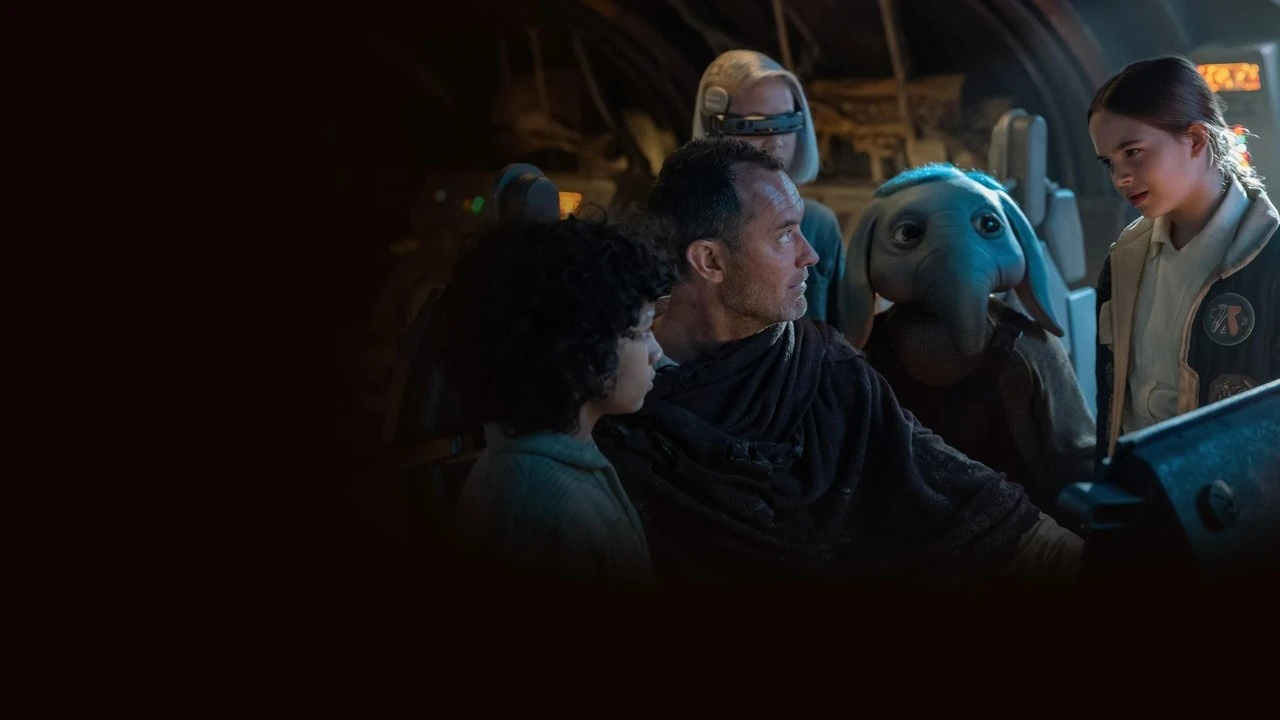 Jude Law’s character, looking stoic and determined, a guide through the unknown.
While Skeleton Crew embarks on its journey with the heavy mantle of Star Wars expectations, its true philosophical value may lie not in its spectacle, but in its quiet, persistent query: what does it mean to be profoundly lost, and how do we find our way back, not just to a place, but to ourselves? The galaxy is vast, and the children’s journey, we can hope, will be equally expansive in its introspection.
Ultimately, Skeleton Crew offers a canvas for exploring the most fundamental aspects of existence through the eyes of those least equipped yet most determined. Will it succumb to the pitfalls of over-familiarity and tonal inconsistencies that have sometimes plagued its predecessors, or will it rise above, delivering a genuinely heartfelt and thought-provoking odyssey about the unbreakable spirit of childhood in the face of an epic, indifferent cosmos? We wait with bated breath.
Where to Watch
- Disney Plus
What’s Up? explores the philosophical depths of cinema.