Skull Island's Savage Embrace: Humanity's Echo in a Primal World
Exploring the existential dread and primal awe in Skull Island (2023), a series grappling with humanity's place amidst nature's indifference.
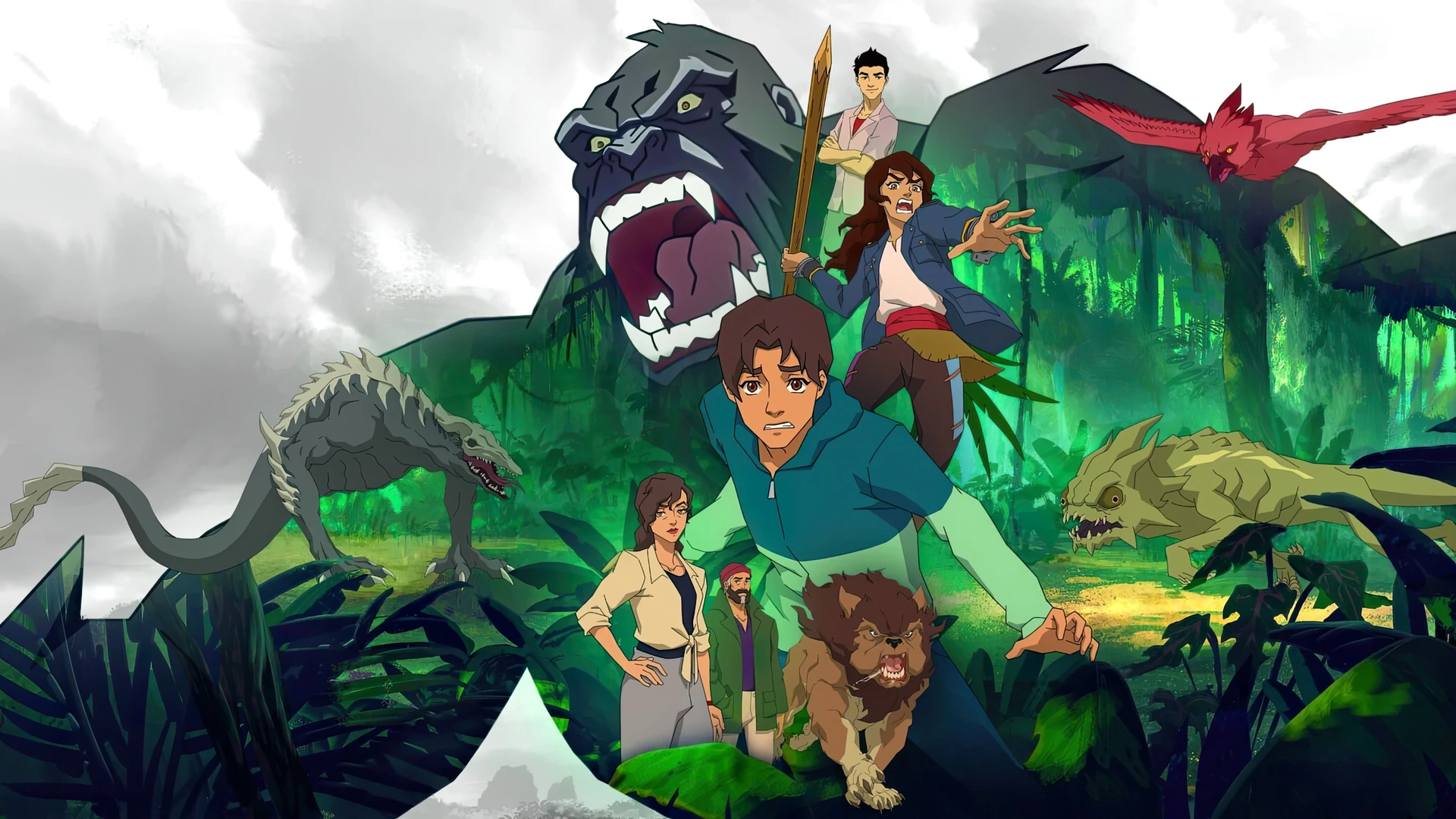
“Nature is not a temple but a workshop and man’s the master of it.” — Ivan Turgenev, Fathers and Sons (a sentiment profoundly challenged by Skull Island)
While Skull Island (2023), the animated series from Netflix and Legendary Television, might not have landed with universal critical acclaim—often drawing mixed reactions for its pacing and character development—it nevertheless plunges us into a realm of raw, untamed power that begs for deeper philosophical consideration. With a runtime of just 20 minutes per episode, it’s a brisk, often brutal journey into the heart of primordial fear, following a group of shipwrecked explorers as they navigate a hostile ecosystem ruled by Kong. Critics and audiences alike noted its occasionally uneven narrative and character motivations, but underneath the creature-feature spectacle lies a compelling, albeit sometimes clumsy, exploration of human insignificance in the face of nature’s indifference.
The Uncaring Majesty of the Wild
From the moment our protagonists—a motley crew including the resourceful Charlie, the driven Annie, and the enigmatic Cap—find themselves marooned, Skull Island wastes no time establishing its core philosophical premise: humanity is not at the top of the food chain here. The island itself, a sprawling canvas of prehistoric flora and fauna, operates with a terrifying, beautiful autonomy. This isn’t a world built for us; we are merely intruders, delicate trespassers. Many viewers, myself included, felt that the series sometimes struggled to flesh out its human characters beyond archetypes, which, while a valid criticism from a narrative standpoint, inadvertently amplifies this very theme. When the humans feel somewhat interchangeable, their individual struggles become less important than the collective, desperate fight for survival against a backdrop that doesn’t care if they live or die.
The animation, while occasionally drawing minor critiques for its stylistic choices, often excels in depicting the sheer scale and ferocity of the island’s inhabitants. We witness a constant, brutal dance of predator and prey, a survival of the fittest that is both captivating and horrifying. This relentless natural order, indifferent to human suffering or ambition, strips away the layers of civilization, forcing characters to confront their most primal instincts. It’s an existential gut punch, reminding us that for all our technological prowess, we are fundamentally biological beings, subject to the whims of a larger, more ancient world.
- Primal Fear — the innate human response to overwhelming danger.
- Ecological Indifference — the island’s ecosystem operates without regard for human morality or survival.
- The Sublime in Terror — finding a terrifying beauty in nature’s destructive power.
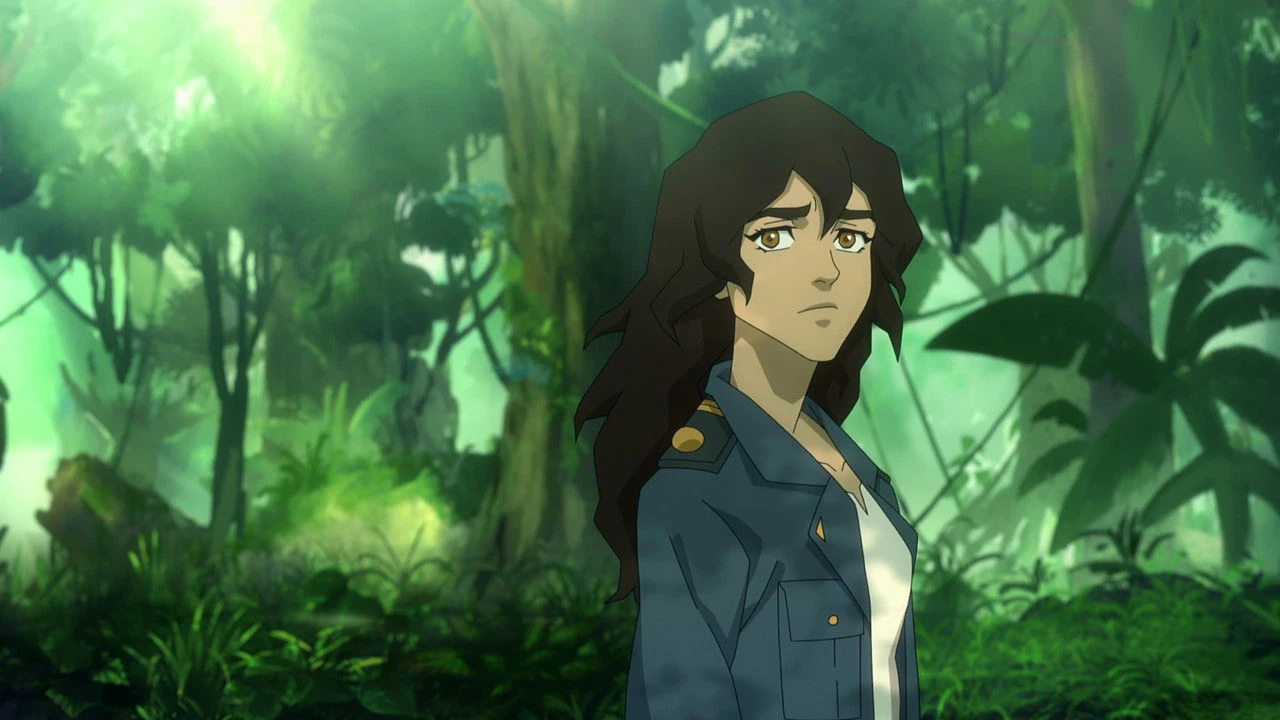
 Annie, a testament to raw will, confronts the overwhelming odds of Skull Island.
Echoes of Primal Instincts and Flawed Humanity
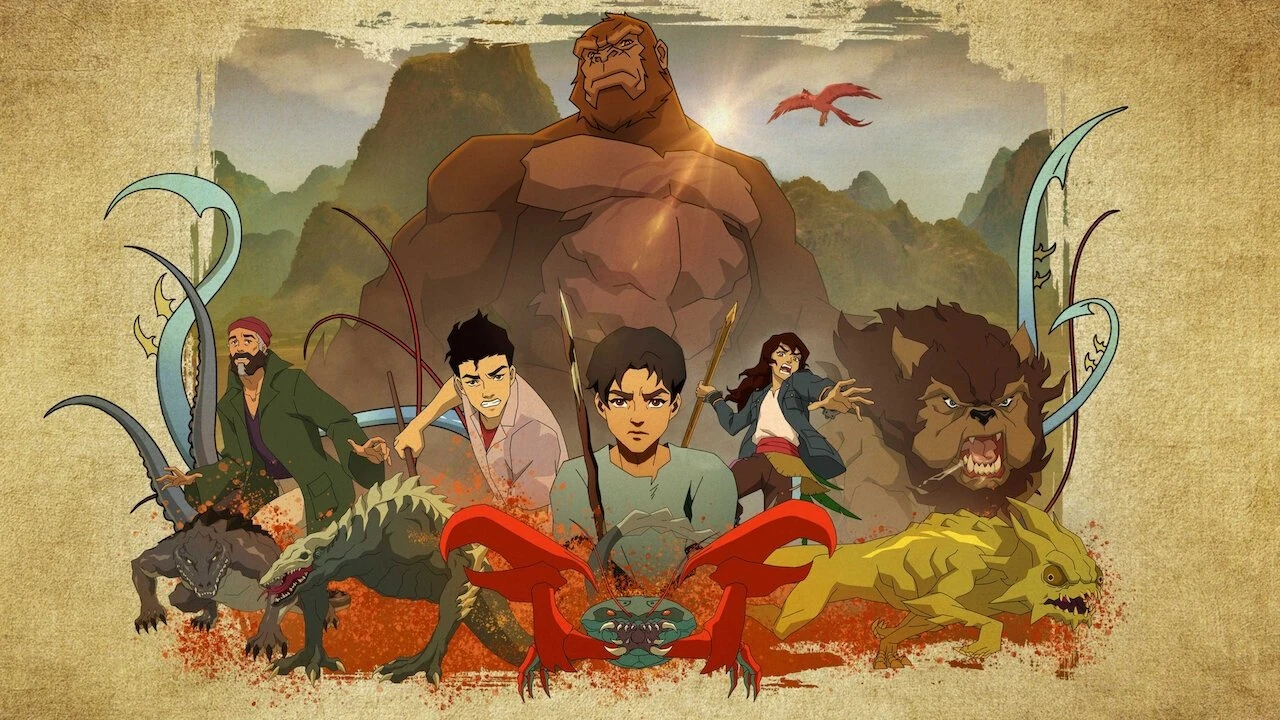
The series, despite its action-packed façade, grapples with various facets of human nature under extreme duress. The dynamic between the characters, particularly the forced intimacy and alliances forged in the fires of survival, highlights aspects of altruism and self-preservation. Mae Whitman’s portrayal of Annie, a young woman with a mysterious past and a dog named Vincent, often anchors the human drama, even if some viewers found her character arc or motivations occasionally perplexing. Nicolas Cantu’s Charlie, the moral compass, and Darren Barnet’s Mike, the more pragmatic one, round out a group that tries to find reason in an unreasonable world.
The real monster isn’t always the one with teeth and claws; sometimes, it’s the desperation that warps humanity itself when pushed to its limits.
Where Skull Island occasionally stumbled, according to common audience feedback, was in its attempt to weave in a romance subplot or fully develop the backstories of its larger ensemble cast within the tight episodic structure. These narrative diversions sometimes felt like they detracted from the core thrill of survival, pulling focus from the truly unique aspect of the show: its monster-laden environment. However, even these perceived flaws can be viewed through a philosophical lens. The clumsy attempts at human connection in such an alien, hostile environment underscore our deep-seated need for belonging and meaning, even when confronted with chaos. Our human desire for narrative, for love, for purpose, often feels profoundly out of place against the backdrop of Skull Island’s brutal, arbitrary reality. It’s a poignant counterpoint, revealing how stubbornly we cling to our humanity even when everything around us screams for us to abandon it.
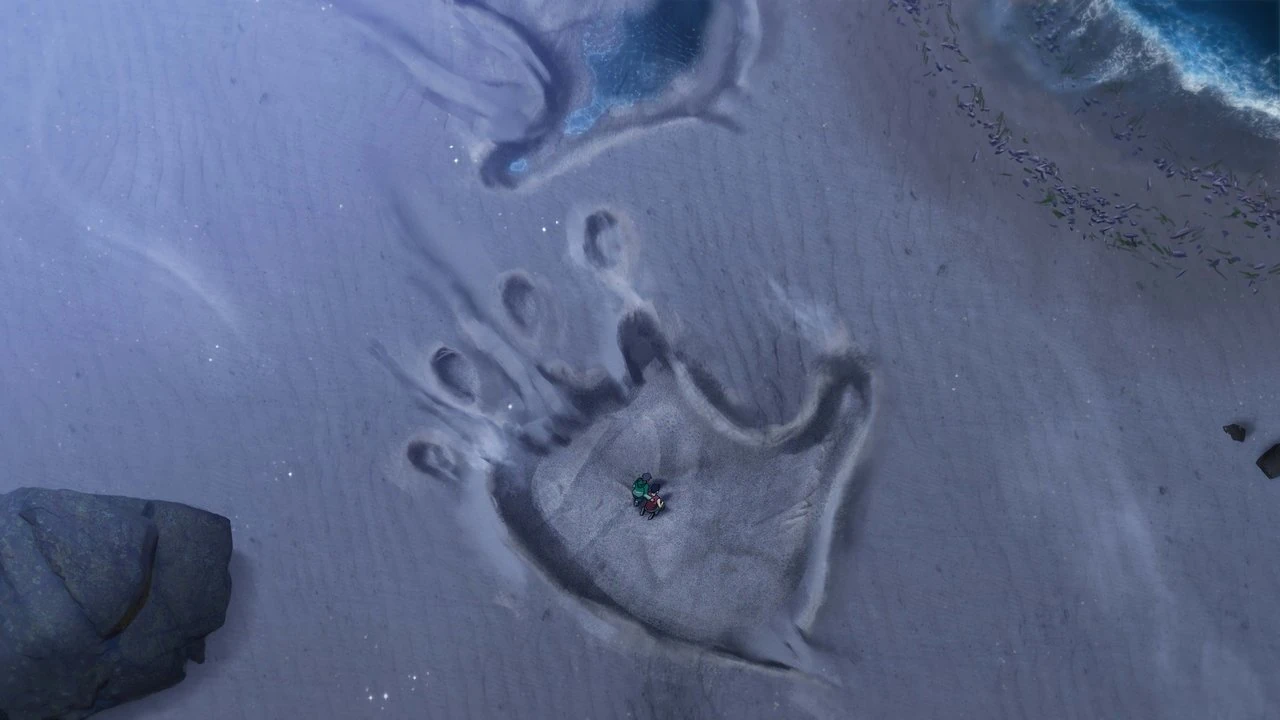
 A lone human figure stands tiny against the colossal scale of the island’s wonders and horrors.
The Shadow of Kong and the Search for Meaning
And then there’s Kong. The titular giant ape isn’t just a monster; he’s a force of nature, an almost deistic presence that embodies the untamed power of the island. He is both protector and destroyer, a complex figure who challenges our anthropocentric view of the world. What does Kong represent for the shipwrecked humans? Is he a god, a demon, or simply the ultimate apex predator? His presence forces the characters, and by extension the audience, to confront their place in the natural order. It’s a profound metaphysical question: how do we define ourselves when we are so clearly not the dominant species?
The series, despite its brevity and direct action, touches upon themes of colonization (unintentional, in this case, but still present), environmentalism, and the dangerous allure of the unknown. The explorers aren’t here to exploit, but their very presence disrupts the delicate balance. The island, with Kong at its heart, becomes a metaphor for a truth humanity often forgets: there are places and powers beyond our control, beyond our understanding, that demand respect, not conquest. Skull Island, in its own action-packed way, asks us to consider what meaning we can extract from an existence that is constantly under threat, where every step is a gamble, and where the most powerful entity may not be benevolent.
 The silhouette of a creature, a shadow of primordial power, against the fiery glow of the island’s heart.
“The wilderness holds answers to questions man has not yet learned to ask.” — Nancy Newhall. Skull Island may not give us all the answers, but it certainly shoves us into the terrifying classroom of the wild, demanding we question our very existence.
Skull Island (2023), for all its narrative shortcuts and criticisms regarding character depth, undeniably succeeds in painting a vivid, visceral picture of humanity’s fragile place in a world utterly indifferent to its fate. It’s a thrilling, sometimes frustrating, ride that nonetheless forces us to reckon with existential dread, the awe of the sublime, and the enduring echo of our primal selves. It might not be a masterpiece of character-driven storytelling, but as a meditation on survival, awe, and insignificance in the shadow of giants, it holds a surprisingly potent philosophical punch.
Where to Watch
- Netflix
- Netflix Standard with Ads
What’s Up? explores the philosophical depths of cinema.