Skyfall's Existential Echo: The Ghost in the Machine of Identity
A deep dive into Skyfall's philosophical themes of identity, obsolescence, and the ghosts of the past, questioning what makes a legend endure.
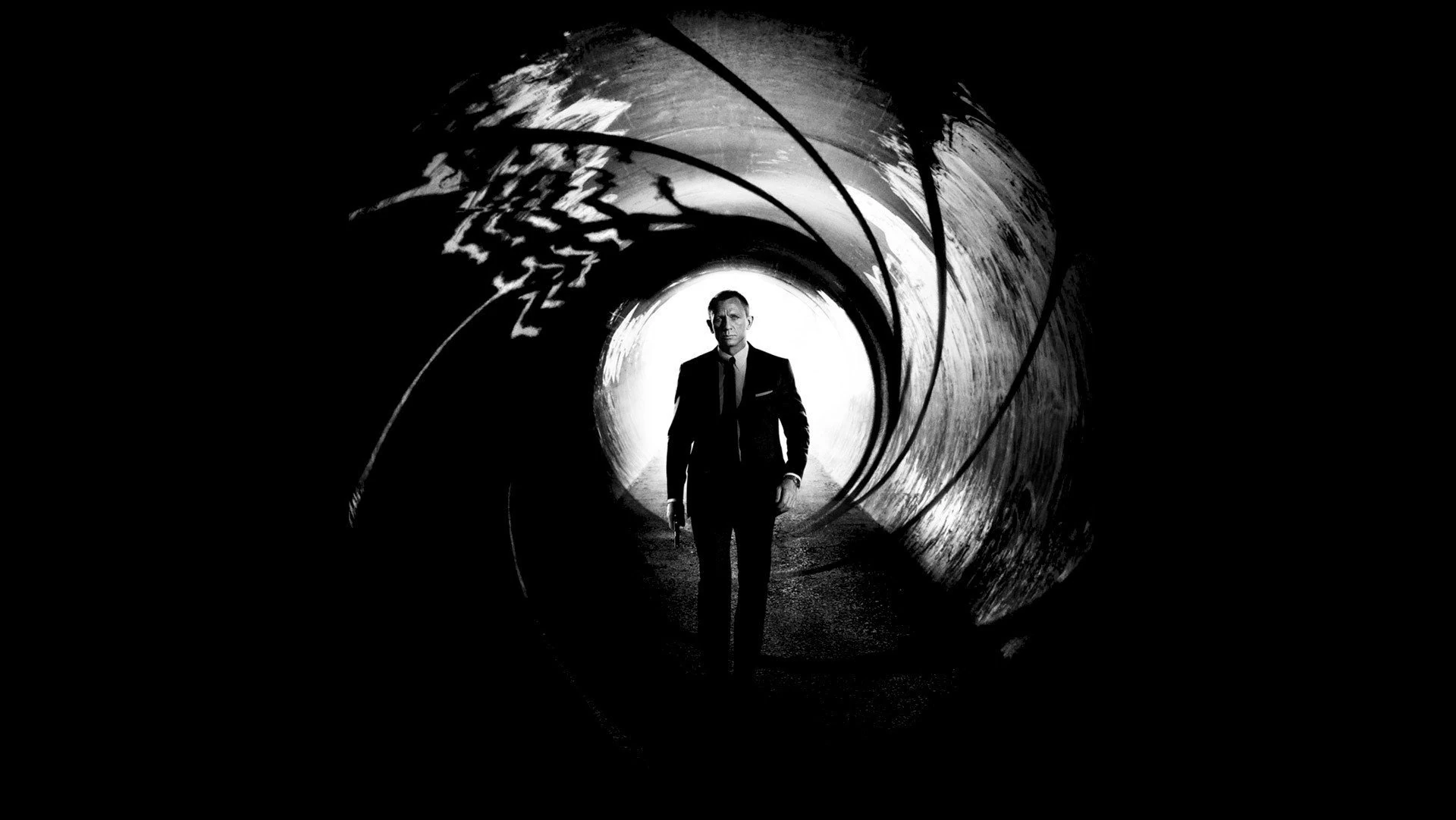
“The past is never dead. It’s not even past.” — William Faulkner
Sam Mendes’ Skyfall, released in 2012, isn’t just another entry in the venerable James Bond saga; it’s a meticulously crafted meditation on legacy, obsolescence, and the very nature of identity. Widely celebrated upon its release, boasting a stellar 92% on Rotten Tomatoes and an 81 on Metacritic, critics and audiences alike lauded its stunning cinematography, Javier Bardem’s chilling villain, and Daniel Craig’s raw, vulnerable portrayal of 007. Yet, beneath the polished action and critical accolades, Mendes and writers Neal Purvis, Robert Wade, and John Logan present us with a film that bravely interrogates its own foundations, asking what happens when a legend, and the institutions that define him, begins to crumble. For all its spectacular set pieces, Skyfall’s true power lies in its quiet, persistent questioning: Who is James Bond, really, when the mask slips and the gun jams?
The Spectre of Self: Identity and Obsolescence
Skyfall arrives at a pivotal moment, not just for the character but for the very idea of a human-centric intelligence agency in an increasingly digital world. While some critics occasionally pointed to a slightly convoluted plot in its second act – how exactly does Silva escape custody so easily, or how convenient is his elaborate preparation? – these minor contrivances fade when viewed through the lens of the film’s overarching philosophical ambition. The narrative thrust isn’t about the how of the villain’s plot, but the why of Bond’s continued existence.
The film opens with Bond’s apparent death, a symbolic act that immediately throws his identity into crisis. He returns, a broken man: physically compromised, mentally scarred, and ultimately failing his re-evaluation. This isn’t the invincible super-spy we’ve known; this is a man confronting his own mortality and irrelevance. He’s a relic, a blunt instrument in an age of sophisticated cyber warfare. M herself is under scrutiny, her old-school methods deemed archaic by Gareth Mallory (Ralph Fiennes). Skyfall probes the existential dread of being deemed obsolete. What defines us when the skills we’ve honed, the purpose we’ve served, are no longer valued? Bond’s struggle becomes a universal one: how do we adapt, how do we find meaning, when the world shifts beneath our feet? Javier Bardem’s Silva, a former MI6 agent abandoned by M, serves as a grotesque mirror image – a man utterly consumed by the past, his identity warped by betrayal and a relentless quest for revenge. He is the ghost of MI6’s past, haunting its present, a chilling embodiment of what can happen when the system discards its agents.
 A fragmented reflection of Bond, hinting at his shattered identity and internal conflict.
Loyalty, Betrayal, and the Maternal Bond
At its heart, Skyfall is a profoundly personal story, delving into the complex, almost familial relationships within MI6. The bond between M and Bond, always fraught, takes on new dimensions here. She is his surrogate mother, the one who gave him purpose after his own traumatic childhood, but also the one who sends him into harm’s way, and occasionally, to his symbolic death. This dynamic is twisted further by Silva, M’s other “son,” a brilliant agent she sacrificed for the greater good.
This is where the film truly shines, transforming a spy thriller into a profound exploration of ethical dilemmas and the psychological weight of command. M’s choices, though pragmatic, leave indelible scars on her agents, forcing us to consider the true cost of leadership.
Silva’s vengeful campaign against M isn’t just about destroying MI6; it’s about a scorned child lashing out at a neglectful parent. His elaborate, almost theatrical plot is less about geopolitical dominance and more about a deeply personal vendetta, rooted in a perverted sense of loyalty and betrayal. This shift from global stakes to intimate psychological drama elevates Skyfall beyond typical spy fare. It forces us to examine the nature of loyalty – is it to an institution, to a person, or to a set of ideals? M’s unwavering dedication to Crown and Country is juxtaposed with the deeply personal suffering it inflicts upon her “children.” The film doesn’t offer easy answers, presenting M as both a courageous leader and a tragic figure whose difficult decisions have devastating consequences.
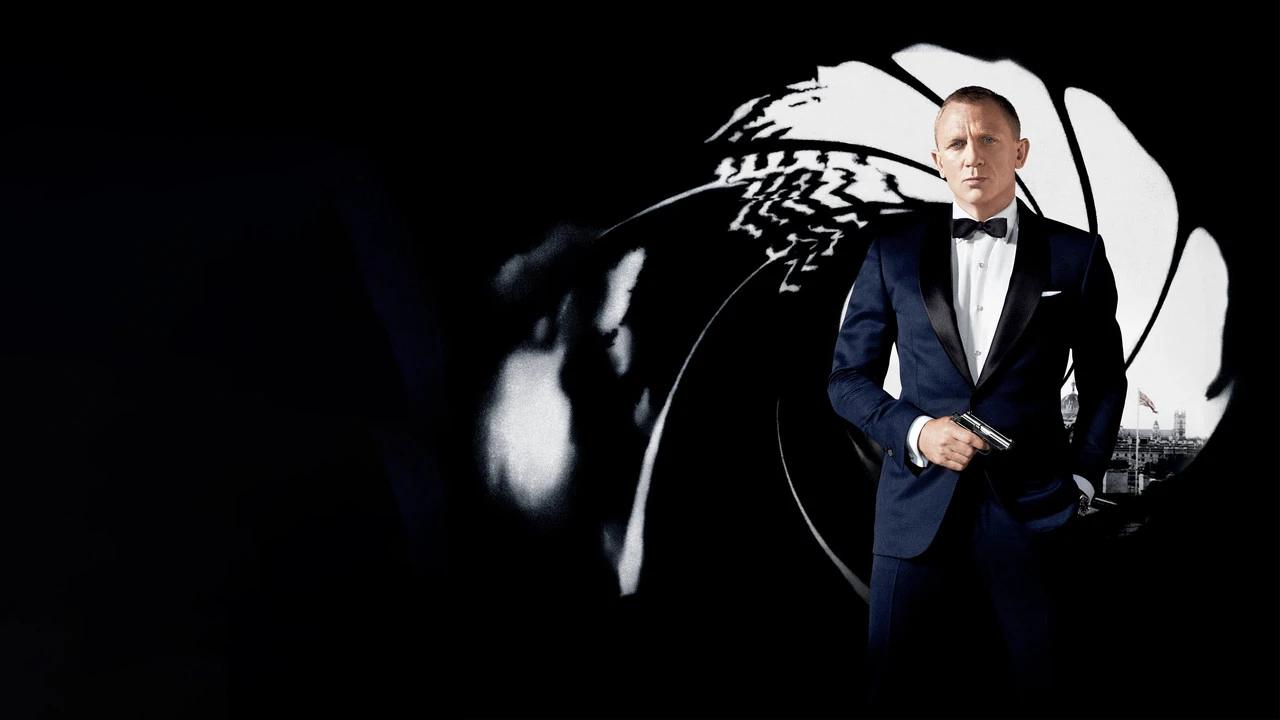 M and Bond in a moment of quiet connection, underscoring their complex, almost familial bond amidst the chaos.
Rebirth in the Ruins: The Cost of Legacy
The climax, set at Bond’s ancestral home, Skyfall Lodge, is a masterclass in symbolic destruction and rebirth. It’s a deliberate deconstruction of the Bond mythos, stripping away the gadgets, the glamour, and the exotic locations, bringing Bond back to his roots. The old world literally crumbles around him, but it’s in these ruins that he finds his renewed purpose. This isn’t just about defending M; it’s about defending the very idea of what they represent.
The film’s melancholic tone culminates in M’s death, a powerful, shocking moment that signals a clear end to an era. Her final words to Bond – “You’ve got this” – are both a blessing and a burden, confirming his identity as the enduring protector, but at an immense personal cost. Skyfall confronts the brutal truth that legacies are built on sacrifice, and that renewal often requires the dismantling of the past. The passing of the torch to Mallory as the new M, and the introduction of a new Moneypenny and Q, aren’t just narrative conveniences; they are philosophical statements about continuity and change. The specific criticisms some had about the ending feeling a bit small-scale for a Bond film, or perhaps too much like Home Alone with guns, miss the point of its profound symbolism. It’s about Bond returning to his most primal state, using his wits and grit in a deeply personal battle. It’s the ultimate test of resilience.
 The iconic Aston Martin DB5, a symbol of Bond’s enduring legacy, amidst the desolation of Skyfall.
Skyfall leaves us with a haunting question: can true identity ever be separated from our past, our traumas, and the ghosts that continue to shape us? The film suggests that perhaps it cannot, and that our greatest strength lies not in escaping these spectres, but in confronting them head-on.
Skyfall is more than a thrilling spy movie; it’s a profound meditation on what it means to endure. It asks us to consider the weight of our past, the price of loyalty, and the relentless march of time. It acknowledges the inevitable decay of all things, yet champions the spirit that fights on, albeit with scars. Bond’s journey through Skyfall is a powerful, melancholic exploration of resilience and the unending quest for self-definition in a world that constantly threatens to redefine us.
Where to Watch
- Netflix
- Netflix Standard with Ads
What’s Up? explores the philosophical depths of cinema.