The Unseen Architect: Unpacking Special OPS's Pursuit of Shadowed Truths
Special OPS delves into the relentless hunt for a mastermind, probing the nature of truth, duty, and the moral ambiguities of intelligence work.

“The greatest trick the devil ever pulled was convincing the world he didn’t exist.” — Charles Baudelaire
When Special OPS landed in 2020, it wasn’t just another entry into the burgeoning landscape of Indian streaming content; it was a statement. Helmed by Neeraj Pandey, known for his gritty, grounded thrillers, this TV series plunged us into the labyrinthine world of espionage, tasking us with tracking an elusive mastermind behind a series of real-world inspired terrorist attacks. While the show garnered significant praise, particularly for Kay Kay Menon’s anchoring performance and its ambitious scope, it wasn’t without its detractors. Critics and audiences alike pointed to occasional pacing issues and a plot that could, at times, feel convoluted. Yet, beneath the surface of its action sequences and procedural drama, Special OPS dared to ask profound questions about truth, perception, and the unseen forces that shape our world.
The Unseen Threads of Truth
At its heart, Special OPS is an extended meditation on epistemology in a world of shadows. Himmat Singh (Kay Kay Menon), a RAW analyst, spends nineteen years convinced that a single, unknown individual orchestrates multiple, seemingly disparate terrorist attacks. This isn’t just a plot device; it’s a philosophical stance. How does one maintain conviction in the face of overwhelming skepticism, especially when direct evidence is scant? Himmat’s belief isn’t just intuition; it’s a form of radical inductive reasoning, drawing patterns where others see only chaos.
Many viewers and critics found the show’s initial pacing a bit slow, with the narrative taking its time to build Himmat’s intricate web of theories. Some also felt the sheer scale of the conspiracy stretched credulity. However, this very aspect—the long game of tracking an unseen enemy—becomes the show’s philosophical strength. It forces us to grapple with:
- The burden of knowledge: Himmat carries the weight of a truth no one else fully accepts. His sanity is constantly questioned, making him a modern-day Cassandra figure.
- The nature of evidence: In intelligence work, “proof” is often circumstantial, inferred, or deeply hidden. What constitutes knowing, when the enemy’s primary weapon is deception?
- The fear of the unknown: The series taps into a primal human anxiety – the fear that there’s an unseen hand pulling the strings, a single, malevolent intelligence orchestrating our misfortunes. This fear, Himmat suggests, is not just paranoia, but a necessary form of vigilance.
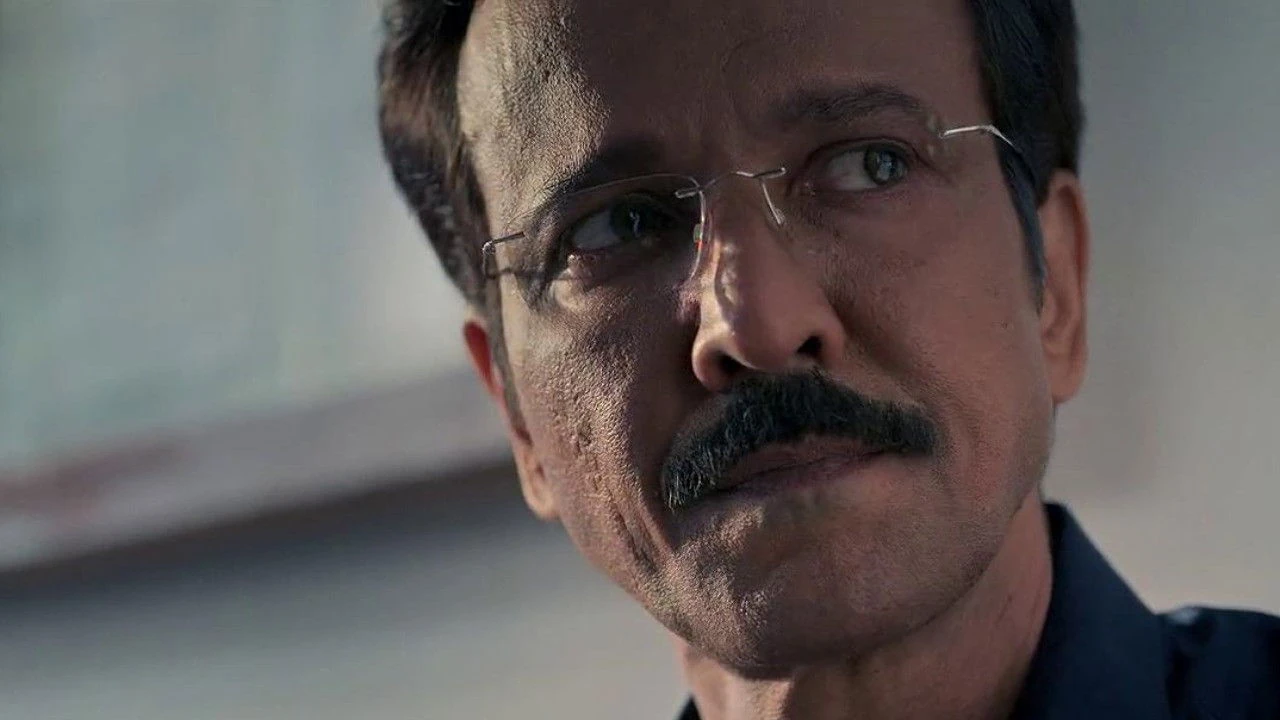
 Himmat Singh (Kay Kay Menon) stares into the distance, consumed by the unseen patterns he detects in the world’s chaos.
The Weight of the Badge: Duty, Sacrifice, and Moral Ambiguity
Where Special OPS truly shines, and where its philosophical depth is most keenly felt, is in its portrayal of the agents on the ground. These aren’t just action heroes; they are individuals grappling with intense personal sacrifices and moral quandaries. Led by Himmat, a task force of five agents operates across different global locations, each embodying a different facet of the intelligence operative’s life. Critics widely praised the ensemble cast, noting how effectively they conveyed the personal toll of their clandestine lives. Vinay Pathak as Abbas, Himmat’s loyal aide, offers a grounding presence, highlighting the human cost through his own quiet dedication.
This is where the series truly reveals the existential weight of a life dedicated to national security: a constant negotiation between personal happiness and collective safety, often demanding a profound moral compromise.
However, the show also faced criticism regarding some character developments feeling secondary to the sprawling plot, or that certain patriotic elements occasionally verged on jingoistic rather than nuanced. While the series often successfully navigated the fine line between celebrating national service and exploring its complexities, a few moments did lean into genre clichés. Despite these occasional narrative stumbles, the core message resonated: what does it mean to commit your life to a cause that demands anonymity, constant danger, and the potential sacrifice of everything you hold dear?
The series explores:
- The Ethics of Action: Agents often operate outside conventional legal frameworks. The show implicitly asks: When does the greater good justify morally ambiguous actions?
- Identity and Anonymity: These agents live double lives, their true identities shrouded. This raises questions about the construction of self, the performance of identity, and the psychological impact of constant deception.
- The Cost of Vigilance: The agents, much like Himmat, are constantly alert, perpetually aware of the world’s darker undercurrents. This breeds a unique form of existential anxiety, a profound awareness of the fragility of peace.
 An agent in a bustling foreign street, a lone figure observing, embodying the isolation of clandestine operations.
The Architect of Chaos: Deconstructing the Mastermind
The pursuit of the unseen mastermind, Ikhlaq Khan, is the driving force of Special OPS. This figure, almost mythical in his elusiveness, becomes more than just an antagonist; he is a symbol. He represents the abstract terror of a distributed, yet unified evil. By placing a single architect behind multiple horrors, the series plays into our innate human desire to find a singular cause for complex problems. It’s a comforting, albeit terrifying, thought that if you can just catch that one person, the chaos will cease.
But is the mastermind truly one individual, or is he a manifestation of a larger, more insidious ideology? The series subtly allows for both interpretations. If he is singular, then it’s a story of Himmat’s intellectual triumph over a formidable foe. If he represents something larger, then Himmat’s victory is temporary, a battle won in an unending war against an abstract force. This ambiguity lends a profound, almost metaphysical layer to the pursuit:
- Is Himmat fighting a man, or an idea?
- Does the existence of such a mastermind challenge our notions of free will (for the victims of his plotting) and agency (for those trying to stop him)?
- What does it mean for society when its greatest threats are not visible armies, but unseen individuals pulling strings from the shadows?
“The hardest thing is to live, and to know it’s not enough.” — A sentiment that echoes the relentless, often unrewarded struggle of those who stand against the unseen.
Special OPS might have had its imperfections—a plot that occasionally meandered, some narrative choices that drew mixed reactions—but its ambition and philosophical grounding are undeniable. It takes the familiar tropes of the spy thriller and elevates them, forcing us to confront the nature of truth, the profound personal cost of vigilance, and the unsettling possibility that the world’s most dangerous threats are those we can barely perceive. It reminds us that even when the heroes win, the shadows often remain, waiting for the next architect of chaos to emerge. What does this relentless, invisible struggle ask of us, the observers, beyond mere entertainment?
What’s Up? explores the philosophical depths of cinema.