The Architect of Shadows: Unpacking Himmat Singh's Origin in Special Ops 1.5
A philosophical look at Special Ops 1.5 The Himmat Story, exploring the origins of a spy, the burden of foresight, and the series' mixed reception.
“The past is never dead. It’s not even past.” — William Faulkner
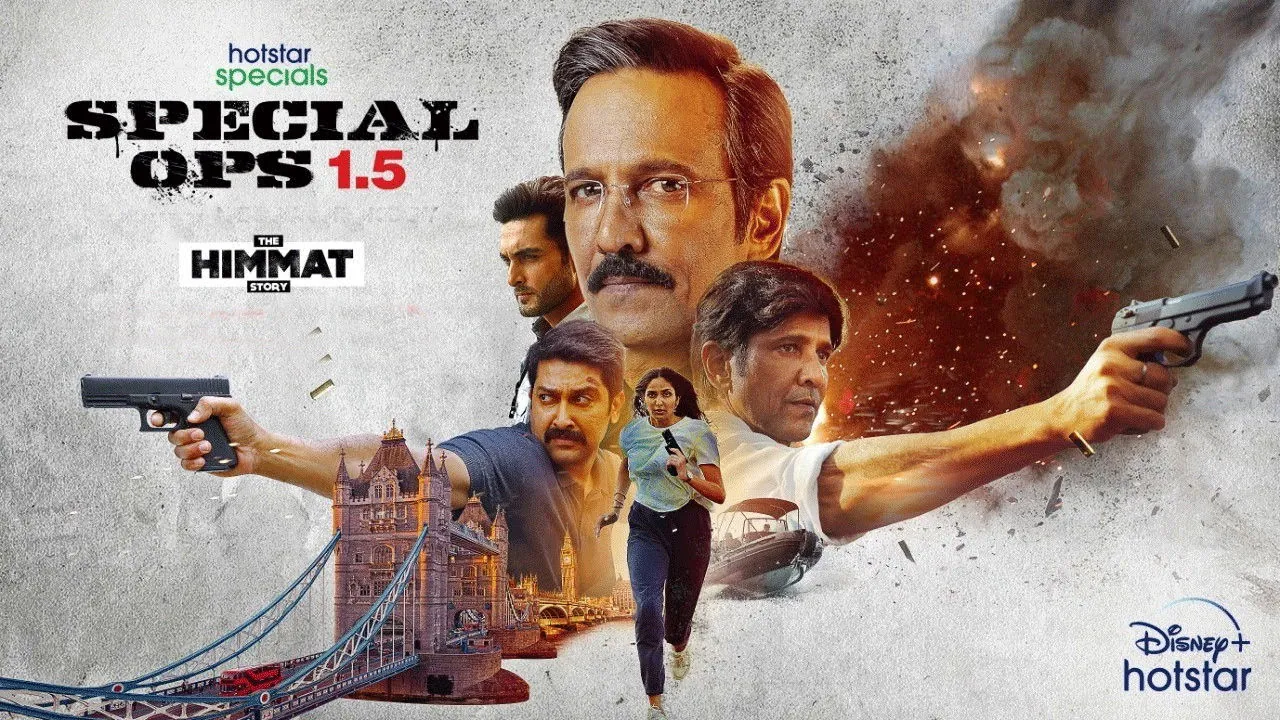
When Disney or Marvel drops an origin story, we often expect a clear hero’s journey, a pristine unveiling of how the legend began. But what happens when the subject is already shrouded in layers of pragmatism and moral ambiguity? Enter Special Ops 1.5: The Himmat Story (2021), a prequel that promised to unearth the genesis of the formidable RAW agent Himmat Singh, played with characteristic gravitas by Kay Kay Menon. While it certainly offered glimpses into the making of the man, the series, much like the shadowy world it portrays, arrived with a decidedly mixed reception. Critics and audiences alike praised Menon’s magnetic performance, yet many found the narrative pace uneven and the plot, at times, overly convoluted. It’s an interesting beast: a dive into the past that, despite its stumbles, still provokes thought about the burden of foresight and the loneliness of conviction.
The Genesis of the Ghost
The very premise of Special Ops 1.5 is inherently philosophical: how does a legend begin? We know Himmat Singh as the sharp, almost prescient intelligence officer from the main Special Ops series. This prequel takes us back to 2001, to a younger, more idealistic Himmat, just after the Parliament attack, when he first develops a theory about a larger conspiracy. By 2003, this theory has morphed into a mystery he’s determined to solve. This isn’t just a plot device; it’s an exploration of the incubation of intuition – the slow, often frustrating process by which a nascent suspicion hardens into an unshakeable belief.
Many reviewers, however, wrestled with the execution of this genesis. Critics frequently noted the uneven pacing, particularly in the initial episodes, and felt the flashback structure could sometimes interrupt the flow rather than enhance it. The Hindu mentioned that while Menon was brilliant, the series itself struggled to maintain the tautness of its predecessor. Some audience members on IMDb echoed this, finding the narrative occasionally stretched thin, making us question if every detail of Himmat’s origin truly necessitated such an elaborate, multi-episode treatment. The challenge for any prequel is to justify its existence, to add essential layers without simply retreading or diluting the established character. Special Ops 1.5 grapples with this, at times successfully illuminating Himmat’s early struggles, and at others, feeling a little like a necessary but less impactful interlude.
 A young Himmat Singh, surrounded by maps and dossiers, embodying the solitary pursuit of an unseen truth.
The Shadow Play of Truth and Perception
At its heart, Special Ops 1.5 delves into the very nature of truth within the realm of espionage. Himmat Singh’s early career is defined by his struggle to convince a skeptical establishment of his theories, to piece together fragments of information that others dismiss as noise. This isn’t just about catching bad guys; it’s an almost epistemological battle against institutional inertia and the comfort of conventional wisdom. His journey is a testament to the idea that some truths are not immediately evident, but must be painstakingly constructed, often against tremendous resistance.
Kay Kay Menon’s performance anchors this theme. He embodies the intellectual rigor and quiet frustration of a man who sees patterns others miss. He brings a profound solitude of intellect to Himmat, making us feel the weight of his convictions. The Times of India rightly celebrated Menon, stating he “delivers an outstanding performance,” making even the slower moments compelling.
It is in the relentless pursuit of an unseen enemy, amidst a labyrinth of half-truths and deliberate obfuscations, that the true character of a spy is forged—not just through action, but through the profound, often lonely, act of knowing.
However, the series also received criticism for its plot convolution. While the central mystery of Himmat’s early target is compelling, some narrative threads and supporting characters were perceived as underdeveloped or confusing, leading to a sense of a sprawling storyline that sometimes loses focus. This dilution of clarity, some argued, occasionally undermined the very philosophical tension the series tried to build around truth and deception. It’s a delicate balance: intelligence thrillers thrive on complexity, but too much can obscure the core existential questions they aim to pose. The mixed critical reception often stemmed from this tension between a brilliant lead performance and a narrative that sometimes struggled to keep pace with its own ambitions.
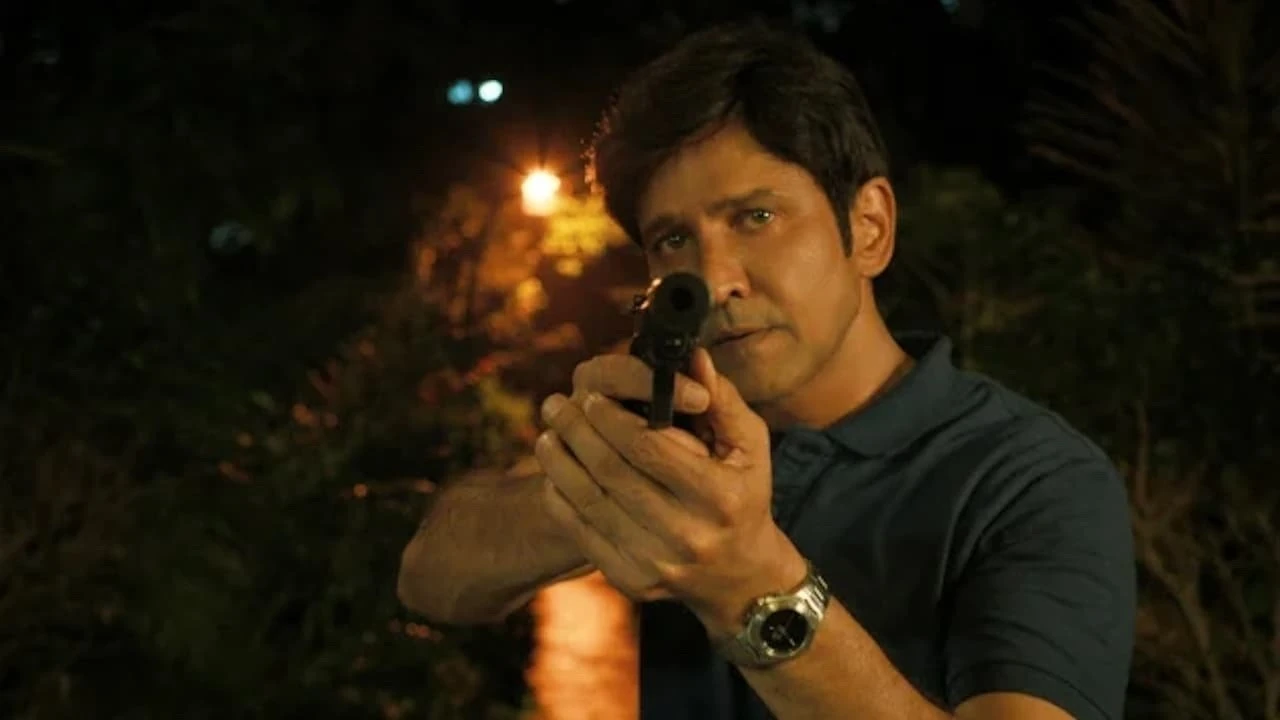
 A tense moment, reflecting the constant vigilance and moral tightrope walk inherent in intelligence operations.
Beyond the Surface: The Weight of What Was, and What Will Be
Despite its acknowledged flaws—the occasional pacing issues, a somewhat stretched narrative for a prequel format—Special Ops 1.5 still manages to raise profound questions about the human cost of national security and the inescapable grip of the past. Himmat’s early experiences are not just plot points; they are the crucible in which his moral compass is refined, his resilience tested, and his singular, unwavering devotion to duty cemented. We witness the sacrifices he makes, the personal lines he crosses, and the sheer mental toll of living a life perpetually on the edge of danger and deception.
The series implicitly asks: Is heroism an innate quality, or is it meticulously built through a series of choices, failures, and hard-won victories? For Himmat, it’s clearly the latter. His origins aren’t glamorous; they’re gritty, frustrating, and morally ambiguous. This retrospective journey forces us to consider how our past experiences—our early theories, our first mysteries—shape not just our careers, but the very essence of who we become. It’s an exploration of destiny and free will in the context of a man seemingly destined for greatness, but whose path is paved with agonizing decisions.
The shadows of past battles, the echoes of forgotten conspiracies, and the faces of those lost in the fray inevitably haunt the present, reminding us that even the most formidable agents are defined by the scars they carry from their origin stories.
Ultimately, Special Ops 1.5: The Himmat Story is a valuable, albeit imperfect, addition to the Special Ops universe. It might not have achieved the critical heights of its predecessor, and its narrative choices occasionally drew ire for being drawn out or convoluted. Yet, it succeeds in adding layers to a beloved character, grounding his future brilliance in a flawed, intensely human past. It challenges us to look beyond the slick operations and question the lonely, often thankless, journey of intuition and conviction that defines the true architects of our unseen defenses. What unseen battles are being fought today, driven by the lonely theories of a few, that will only become clear to the world years, or even decades, from now?
Where to Watch
- Disney+ Hotstar
What’s Up? explores the philosophical depths of cinema.