The Shadow of the Future: Existential Echoes in Star Wars Episode I
Unpacking the philosophical undercurrents of Star Wars: Episode I, from predestination to the nature of evil and the choices that forge destiny.
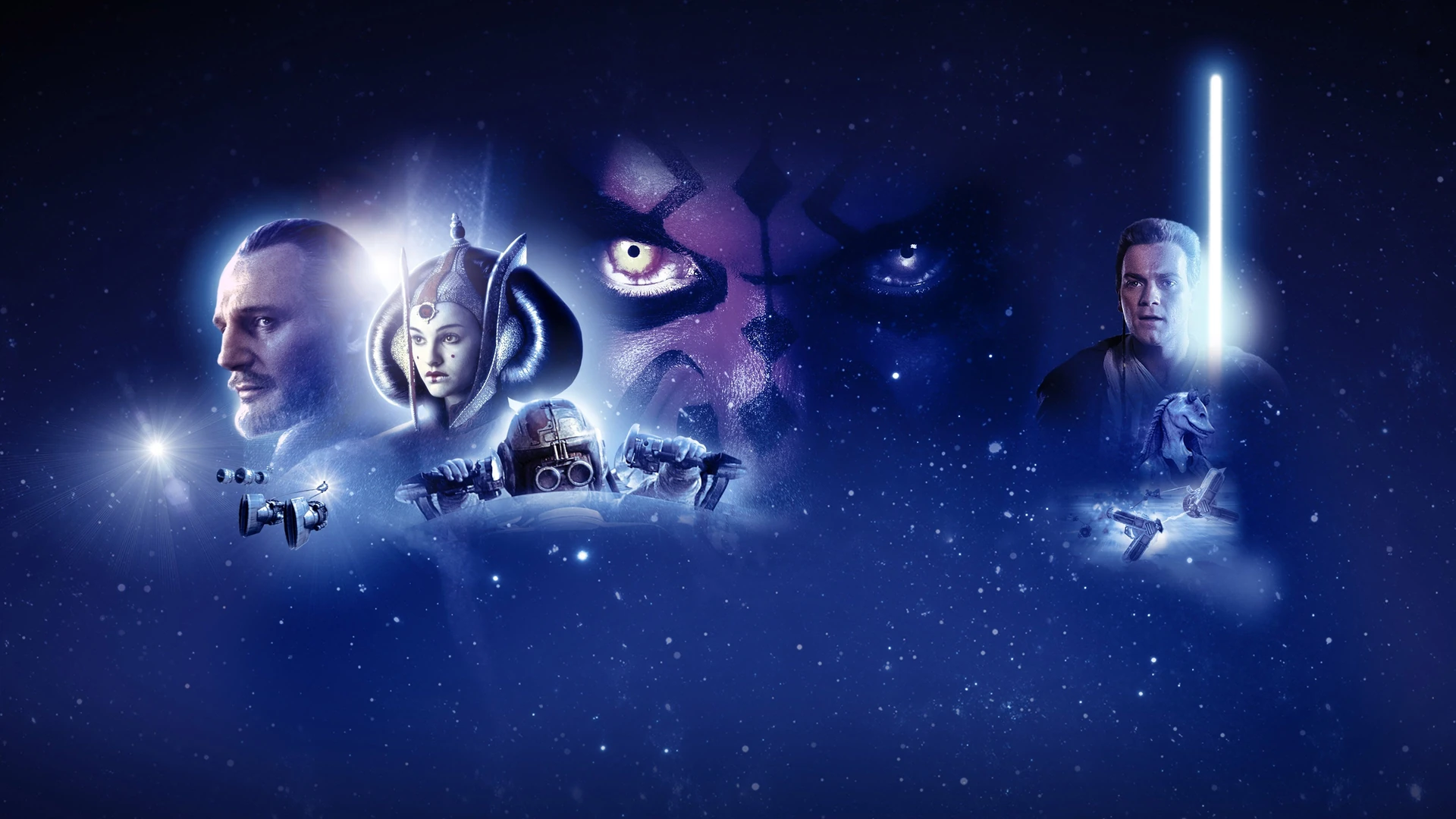
“The beginning is the most important part of the work.” — Plato
From the shimmering deserts of Tatooine to the opulent halls of Coruscant, Star Wars: Episode I - The Phantom Menace (1999) launched a new cinematic era, but beneath its vibrant surface of podraces and Gungan armies, it laid the philosophical groundwork for a galactic tragedy of epic proportions. Often scrutinized for its narrative choices, this film, directed by George Lucas, nevertheless presents a rich tapestry for critical thought, weaving themes of predestination, the fragility of innocence, and the insidious nature of political decay into the very fabric of its existence. It is not merely a prequel; it is a profound meditation on how the seeds of destruction are sown, often unwittingly, in moments of purported hope and nascent potential.
The Chosen One: A Burden of Destiny
At the heart of The Phantom Menace lies the concept of the Chosen One, a prophecy that casts a long, almost suffocating shadow over the narrative, particularly concerning young Anakin Skywalker. The Jedi, rigid in their adherence to ancient texts and cautious of strong emotions, interpret this prophecy as a divine mandate for balance. But what are the existential implications of such a predestined fate? Is Anakin truly free, or is his destiny as a force for both light and darkness already etched into the cosmic fabric?
Key themes to explore:
- Determinism vs. Free Will — Anakin’s high Midi-chlorian count and the prophecy itself suggest a preordained path, challenging the very notion of individual choice. Does he choose his path, or is he merely fulfilling a cosmic blueprint?
- The Burden of Exceptionalism — The immense power and expectation placed upon Anakin from childhood create an almost unbearable psychological weight, making his fall not just a personal failure but a tragic inevitability born from unrealistic societal and spiritual demands.
- The Illusion of Control — The Jedi’s attempts to guide and control Anakin’s destiny ultimately backfire, highlighting the futility of trying to force a preordained outcome without understanding its true nature. Their fear of attachment ironically fosters the very conditions for his fall.
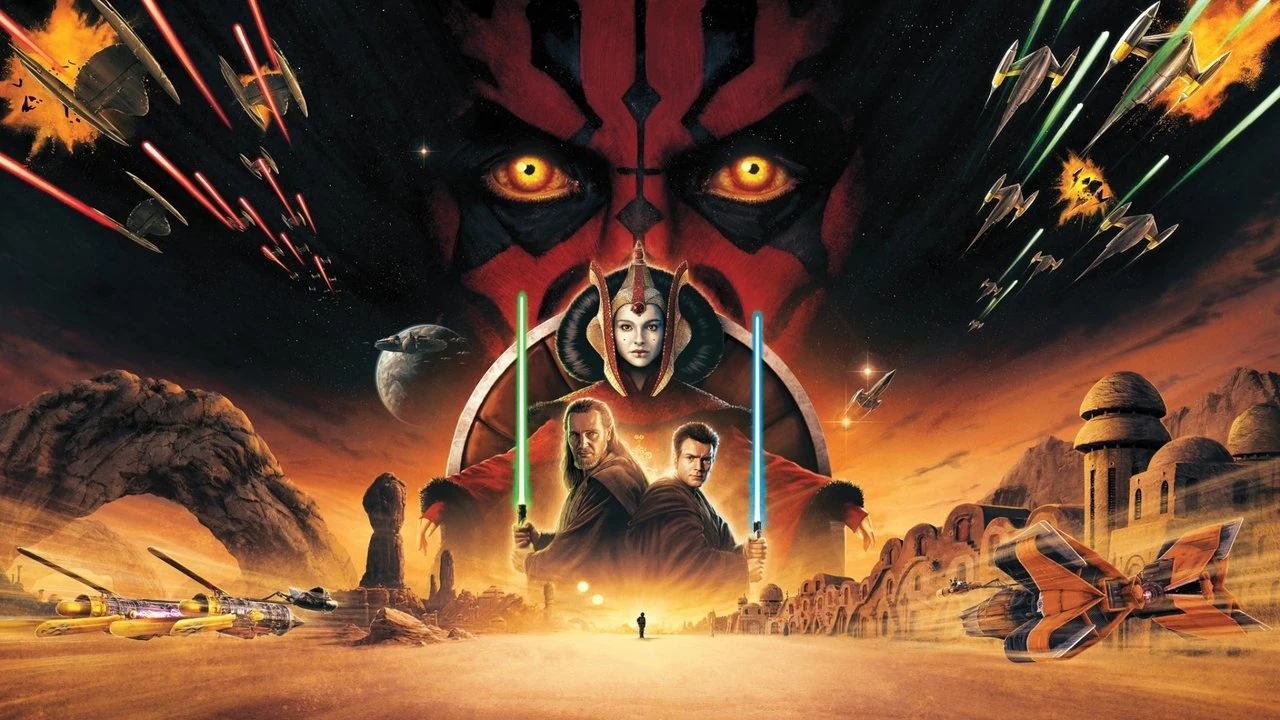 Qui-Gon Jinn, Obi-Wan Kenobi, and Anakin Skywalker navigating the bustling streets of Mos Espa, a prelude to a galaxy-spanning destiny.
The Corrosion of Innocence and the Banality of Evil
The Phantom Menace is a subtle, yet potent, exploration of how innocence is eroded and how evil, rather than manifesting as a sudden, cataclysmic event, often emerges through a gradual, almost bureaucratic erosion of ethics and political manipulation. Anakin, a child of immense potential and inherent goodness, is plucked from slavery only to be thrust into a world of war, prophecy, and detached monasticism. His initial attachments – to his mother, to Qui-Gon – are seen as weaknesses by the Jedi, subtly paving the way for his later emotional vulnerability.
This is where we discover the true weight of choice — not in the outcome, but in the becoming. Every seemingly small decision, every unaddressed fear, shapes the very soul of existence.
The film masterfully depicts the banality of evil through the character of Senator Palpatine. His machinations are not grand, overt acts of villainy, but calculated political maneuvers: exploiting trade disputes, manipulating democratic processes, and sowing discord to create a crisis that he can then “resolve” by consolidating power. This mirrors real-world historical patterns where totalitarian regimes often rise through legitimate-seeming means, preying on fear and the desire for order. The Jedi, blinded by their own dogma and institutional inertia, fail to recognize the true threat until it is too late, their spiritual wisdom unable to cope with the insidious nature of political corruption. The ethical dilemma of their detachment is stark: does their spiritual purity hinder their ability to engage with the messy realities of a suffering galaxy?
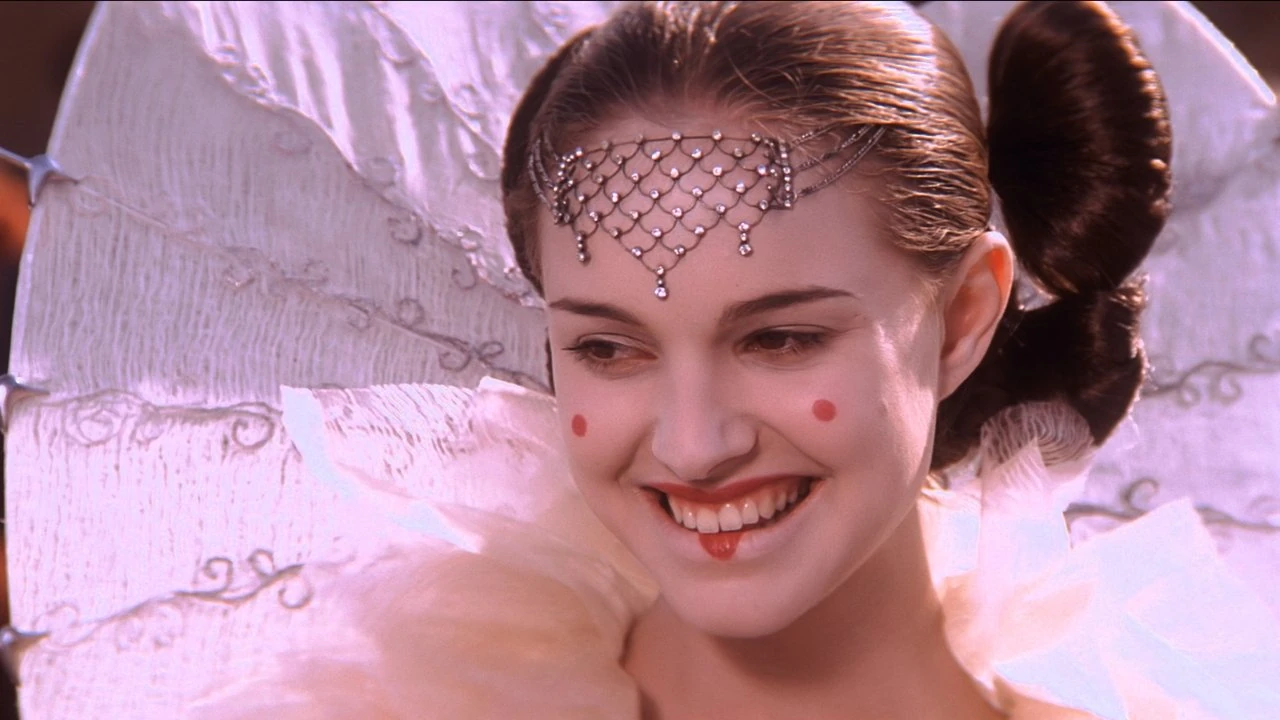 Queen Amidala navigates the treacherous political landscape, a symbol of idealism facing cynical power.
Beyond the Surface: The Metaphysics of The Force and The Unseen Threat
Beyond its character arcs and political intrigue, The Phantom Menace delves into deeper metaphysical questions concerning the nature of the Force and the existential threat posed by the “phantom menace” itself. The introduction of Midi-chlorians, while controversial for some fans, can be viewed philosophically as an attempt to quantify the spiritual, to bridge the gap between the mystical and the biological. It raises questions about whether the Force is a purely spiritual phenomenon or if it has a tangible, measurable presence within all living things, thereby blurring the lines between essence and existence.
The “phantom menace” isn’t merely Darth Sidious; it represents the unseen, underlying forces that erode order and pave the way for darkness. It is the shadow lurking within the collective consciousness, the fear of the unknown, the decay of democratic institutions, and the hubris of an ancient order. It is the ontological threat of nihilism veiled by the promise of order, a powerful seduction that whispers of control in the face of chaos. The film asks us to consider: What are the true threats to freedom and peace? Are they always manifest and obvious, or do they often begin as whispers, as phantoms, in the corridors of power and the hearts of the vulnerable? The battle between the seemingly archaic lightsaber and the modern blaster, or the mystical Force and the technological prowess of droids, hints at a deeper struggle between ancient wisdom and the perils of unchecked progress and spiritual complacency.
 Darth Maul, the embodiment of the titular ‘phantom menace,’ a primal force of darkness unleashed upon the galaxy.
“The greatest trick the Devil ever pulled was convincing the world he didn’t exist.” — Charles Baudelaire
Star Wars: Episode I - The Phantom Menace might be the beginning of a saga, but it is also a profound philosophical testament to how easily a future can be corrupted, not by a single act of malice, but by a cascade of seemingly minor decisions, unexamined assumptions, and the seductive allure of power. It serves as a stark reminder that the shadow of the future is cast by the present, and that the greatest menaces are often those we fail to perceive until they are already upon us. What unacknowledged phantom menaces linger in our own societies, waiting for their moment to emerge from the shadows?
Where to Watch
- Disney Plus
What’s Up? explores the philosophical depths of cinema.