The Seduction of Despair: When Heroes Embrace the Void
Unpacking the tragic philosophy of Star Wars: Episode III, where good intentions pave a galactic road to hell and a hero's fall reshapes destiny.
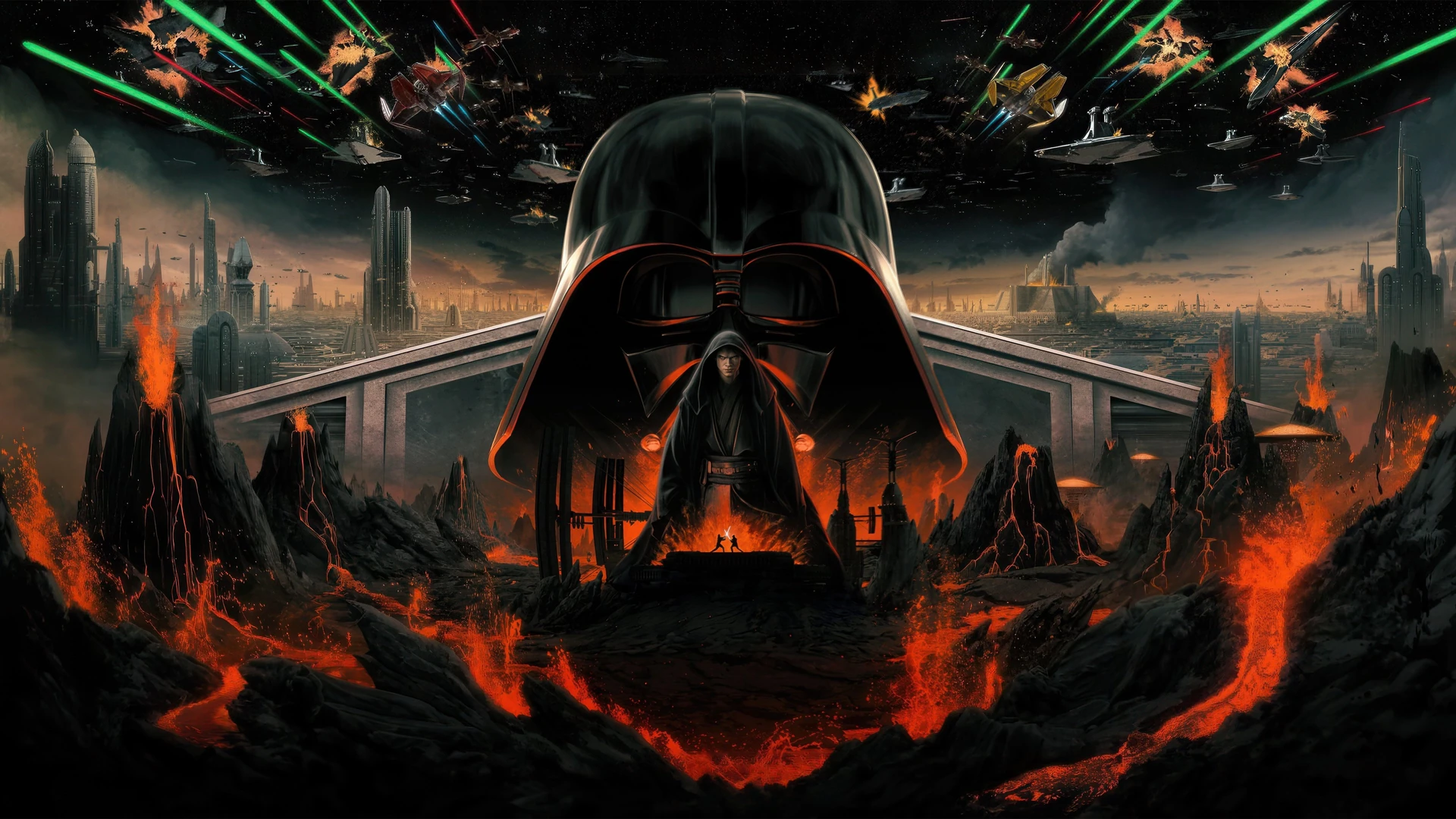
“Fear is the path to the dark side… fear leads to anger… anger leads to hate… hate leads to suffering.” — Yoda
In the vast, star-swept canvas of George Lucas’s Star Wars saga, Episode III - Revenge of the Sith stands not merely as a cinematic bridge between trilogies but as a profound philosophical treatise on the corruption of idealism, the seduction of power, and the tragic inevitability of choice. This isn’t merely a space opera; it is a Kantian exploration of duty, a Nietzschean descent into the will to power, and an existential lament on the fragile architecture of the self. Here, the mythical hero’s journey takes a chilling detour, plumbing the depths of human (and superhuman) fallibility, reminding us that even the brightest lights can be extinguished by the encroaching shadows of despair and ambition.
The Architectonics of a Fall
Star Wars: Episode III - Revenge of the Sith is, at its core, a sprawling meditation on moral entropy. We witness the slow, agonizing disintegration of Anakin Skywalker, a character initially burdened by immense potential and, paradoxically, by an even greater existential insecurity. His fall is not a sudden plunge but a meticulously charted descent, paved with what he perceives as noble intentions: saving his beloved Padmé, bringing order to a chaotic galaxy, and fulfilling a destiny whispered to him by the manipulative Palpatine. This trajectory forces us to confront uncomfortable truths about the nature of evil itself. Is evil an inherent force, or is it a byproduct of fear, loss, and the desperate yearning for control?
Key themes woven into this tragic fabric include:
- The Peril of Absolutism — The Jedi, in their rigid adherence to a doctrine that forbids attachment, inadvertently alienate Anakin, pushing him towards the very darkness they seek to combat. Their inability to adapt or offer nuanced guidance becomes a tragic flaw.
- The Seduction of Power — Palpatine’s masterful manipulation preys on Anakin’s vulnerabilities, promising him the power to cheat death and reshape reality. This mirrors real-world historical narratives where charismatic figures exploit societal anxieties to consolidate authoritarian control.
- The Illusion of Control — Anakin’s desperate quest to save Padmé from death becomes the ultimate expression of his hubris, a futile attempt to defy the natural order of life and death, ultimately leading him to become the very instrument of her demise.
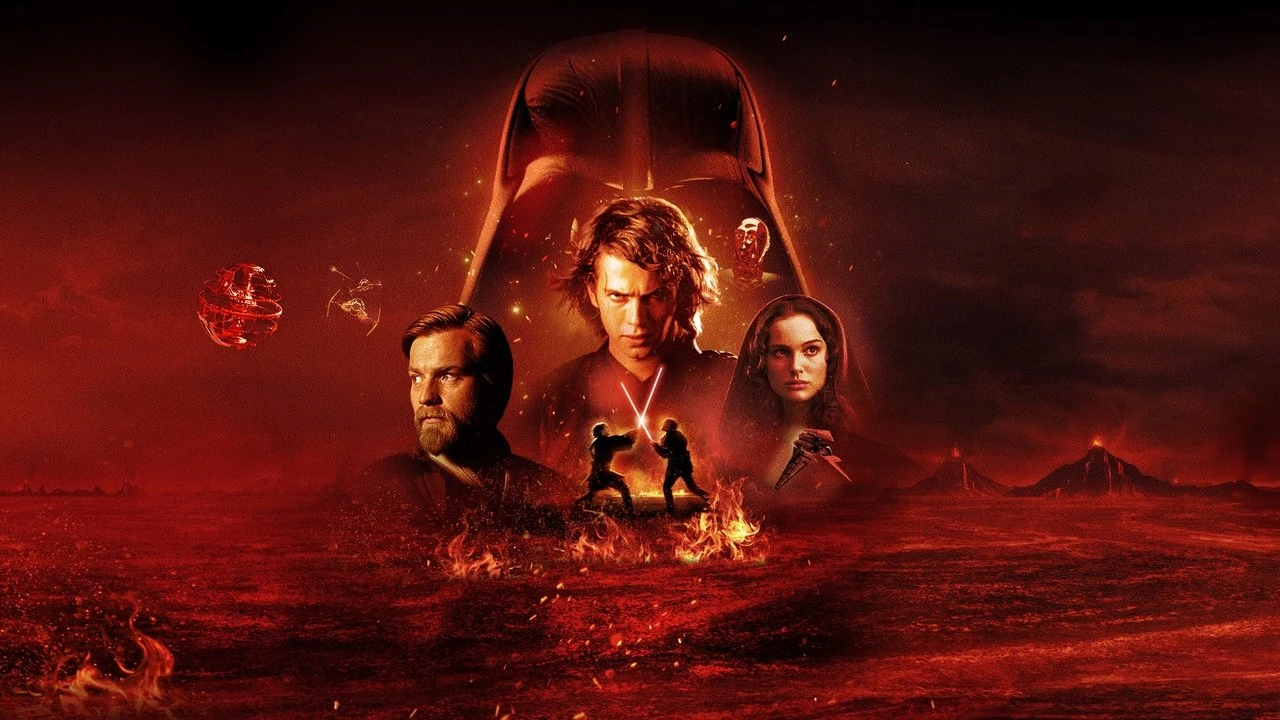 Anakin Skywalker stands on the precipice, caught between the light and the seductive whisper of the dark.
Ethical Labyrinths and the Burden of Choice
The film masterfully constructs a complex ethical labyrinth where every choice carries catastrophic weight. Anakin’s transformation into Darth Vader is not merely a change of allegiance but a profound ontological shift, a rejection of his former self and the values he once championed. His journey forces us to question the very definition of heroism and villainy, suggesting that the line between them can be terrifyingly thin, blurred by trauma, fear, and a distorted sense of justice.
This is where we discover the true weight of choice — not in the outcome, but in the becoming.
Obi-Wan Kenobi, as the stoic counterpoint, embodies the Jedi ideal of selfless duty, yet even his unwavering resolve is tested to its breaking point. His final confrontation with Anakin on Mustafar is not just a battle of lightsabers; it’s a clash of philosophical worldviews, a devastating display of the personal cost of ideological conflict. Padmé Amidala, caught in the eye of this galactic storm, represents the innocent casualty of grand ideological wars, her hope and love consumed by the darkness her beloved embraces. Her death is not simply medical; it’s a testament to the psychic burden of witnessing the unraveling of everything one holds dear, a heart broken by the weight of a galaxy’s despair.
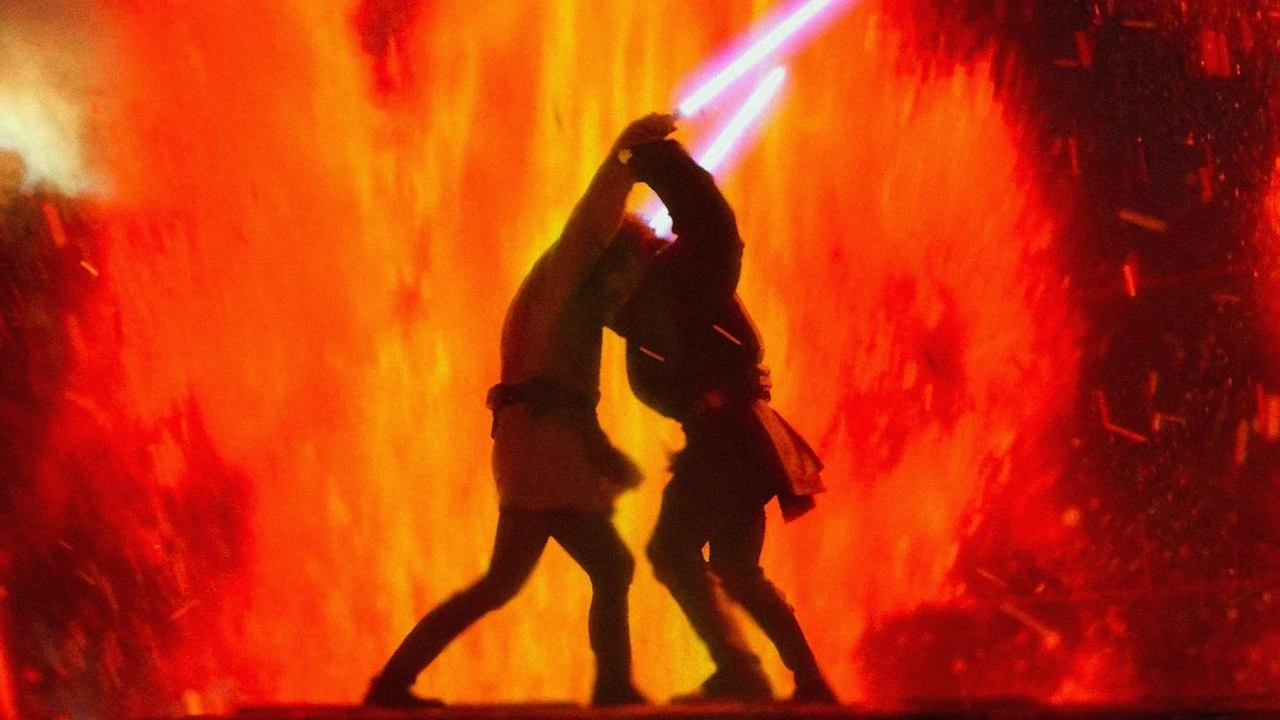
 The fiery duel on Mustafar symbolizes the tragic end of a brotherhood, consumed by ideological conflict.
Beyond the Surface: Metaphysics of the Force and the Fall of Republics
Beyond the personal tragedy, Revenge of the Sith delves into profound metaphysical and political themes. The Force, traditionally depicted as a benevolent, guiding energy, here reveals its dualistic nature, a cosmic balance that can be violently skewed by individual will and collective fear. Palpatine’s rise to Emperor is a chilling allegory for the fragility of democratic institutions and the insidious nature of totalitarianism. He masterfully exploits fear, division, and a protracted war to dismantle the Republic from within, presenting himself as the savior while orchestrating its demise.
His declaration, “I am the Senate,” is more than a political statement; it’s an existential pronouncement, asserting absolute authority not just over governance but over truth itself. This manipulation of reality, where “good is evil and evil is good,” forces the galaxy, and by extension the audience, to grapple with the relativity of perception and the terrifying power of propaganda. The film thus becomes a cautionary tale, echoing historical patterns of fascism and reminding us that vigilance against the erosion of liberty is an eternal struggle. It posits that true freedom resides not in absolute power, but in the nuanced understanding and protection of diverse perspectives, a lesson the Jedi, tragically, learned too late.
 The dark majesty of the newly formed Galactic Empire, built upon the ashes of freedom and hope.
“The true horror is not the monster that appears, but the hero who becomes one, driven by a love so fierce it devours everything in its path, including itself.”
Star Wars: Episode III - Revenge of the Sith leaves us with a lingering sense of melancholy and a stark reminder that the greatest battles are often fought not with laser swords, but within the human heart. It asks us to reflect on the choices we make, the fears we harbor, and the profound responsibility that comes with power, however small. Does salvation lie in adhering to rigid codes, or in the courageous embrace of empathy and understanding, even for those who stray? Perhaps the most enduring philosophical legacy of Revenge of the Sith is its mirror to our own capacity for both extraordinary light and devastating shadow, forever reminding us that vigilance over the self is the first step towards guarding the galaxy.
Where to Watch
- Disney Plus
What’s Up? explores the philosophical depths of cinema.