The Mythic Echo: Star Wars and the Rebirth of Hope in a Cosmic Void
A deep dive into Star Wars: A New Hope, exploring its profound philosophical themes of destiny, free will, the Force, and the enduring human quest for meaning against galactic darkness.
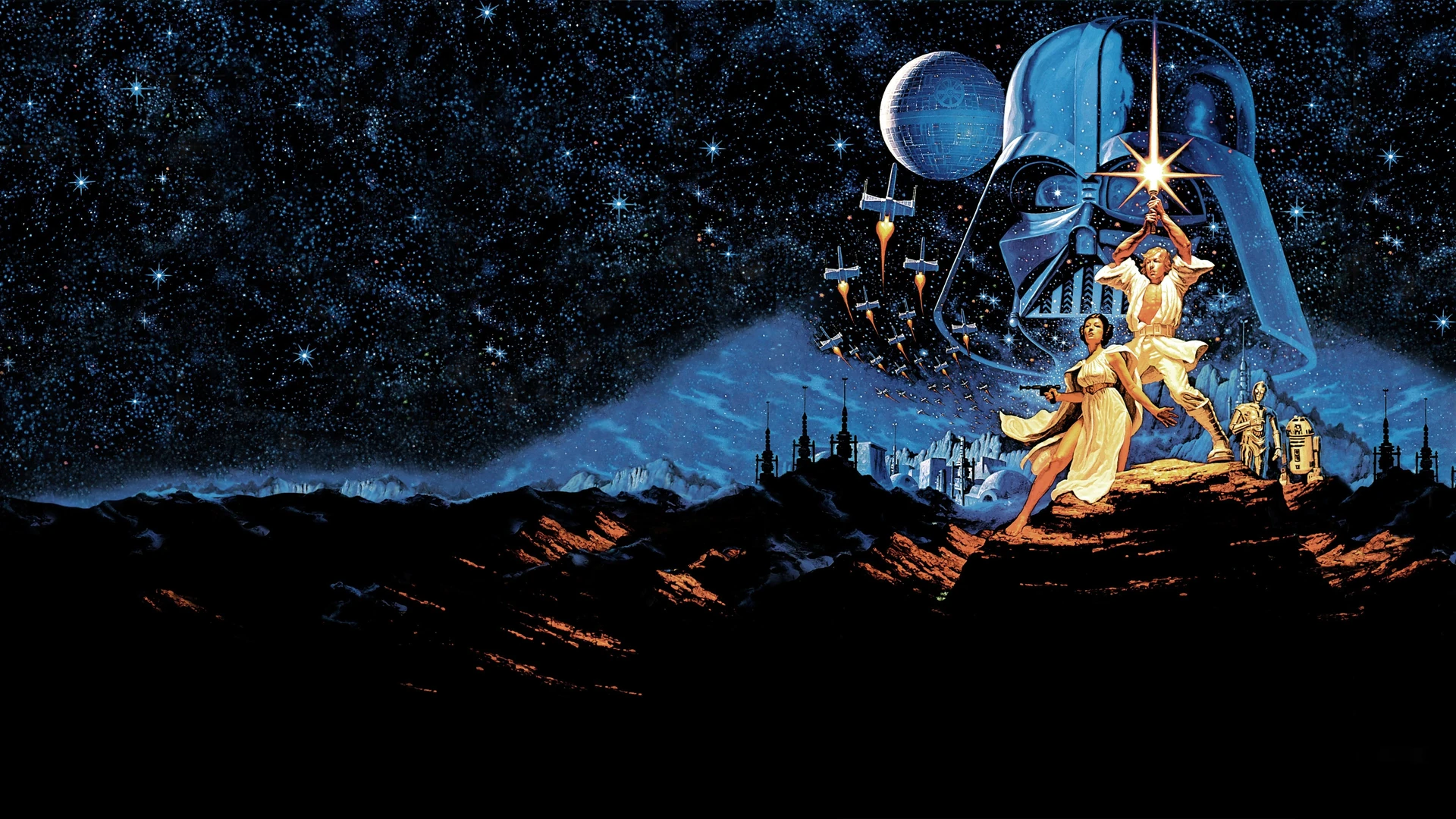
“The very act of storytelling is an act of hope. It is a declaration that the future is worth imagining, and that human experience, in all its complexity, is worth preserving.” — Salman Rushdie
From the swirling dust of Tatooine to the gleaming menace of the Death Star, Star Wars: Episode IV - A New Hope (1977) is more than just a space opera; it is a mythic crucible, forged in the fires of ancient archetypes and presented with a dazzling, kinetic energy. George Lucas, in crafting this seemingly simple tale of farm boy, princess, and rogue, tapped into a collective subconscious, delivering not merely entertainment, but a profound philosophical treatise disguised as pulp adventure. This film doesn’t just invite us to witness a galaxy far, far away; it compels us to introspect, to question the very fabric of our own reality, and to confront the perennial human struggle between the shadow of despair and the brilliant, enduring beacon of hope.
The Monomyth and the Call to Being
At its heart, A New Hope is an almost perfect illustration of Joseph Campbell’s monomyth, or the Hero’s Journey. Luke Skywalker is the quintessential reluctant hero, yearning for a life beyond his mundane existence, a craving for purpose that resonates deeply with the human condition. His “call to adventure” comes not as a grand proclamation, but through the unassuming form of two droids and a hidden message, an almost accidental encounter that irrevocably shifts his trajectory. This initial spark isn’t about saving a galaxy, but about escaping the existential ennui of his current life.
Key themes woven into this journey:
- Destiny vs. Free Will: Is Luke merely a puppet of the Force, or does he actively choose his path? The film posits a delicate balance, where inherent potential (destiny) is only realized through conscious choice (free will).
- The Quest for Identity: Luke’s journey is fundamentally one of self-discovery, moving from an orphaned farm boy to a pivotal figure in a galactic struggle, shedding the old self to embrace a new, higher calling.
- The Shadow Self: The Empire, with its faceless stormtroopers and the looming presence of Darth Vader, represents the collective shadow – the oppressive, totalitarian impulse that seeks to snuff out individuality and freedom. It is the external manifestation of humanity’s darker potentials.
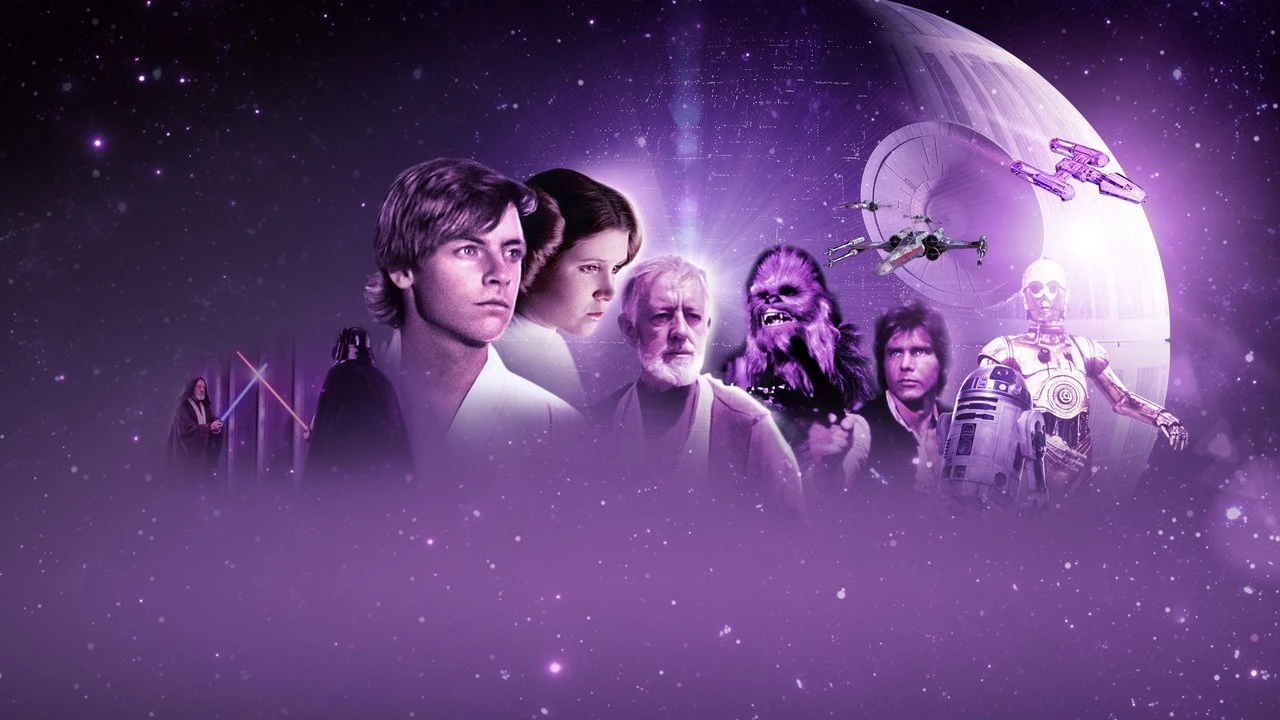 The ancient wisdom of the Jedi, passed down to a new generation, ignites a dormant spark of destiny.
Ethics, Nihilism, and the Choice for Compassion
Beyond the grand narrative, A New Hope presents a compelling study in ethical decision-making and the triumph over nihilistic tendencies. Han Solo embodies this struggle most vividly. Initially driven by pure self-interest and a cynical worldview, he declares, “Look, I ain’t in this for your revolution, and I’m not in it for you, Princess. I expect to be well paid.” His journey is a powerful arc from moral relativism to altruism, ultimately choosing connection and comradeship over profit. He represents the everyday person, initially aloof from the grand cosmic struggle, who must nevertheless choose a side when confronted with overwhelming injustice.
This is where we discover the true weight of choice — not in the outcome, but in the becoming. The decision to act, to risk one’s self for another, is the crucible where character is forged and meaning is found.
Princess Leia, on the other hand, embodies unwavering moral conviction from the outset. Her defiance in the face of torture, her unyielding dedication to the Rebellion, even after the horrific destruction of her home planet Alderaan, speaks to a profound ethical core. She is the political philosopher king (or queen), embodying the ideal of justice and resistance against tyranny. Her courage forces even the jaded Han to reconsider his worldview, demonstrating how moral exemplars can inspire transformation in others, pulling them back from the precipice of indifference.
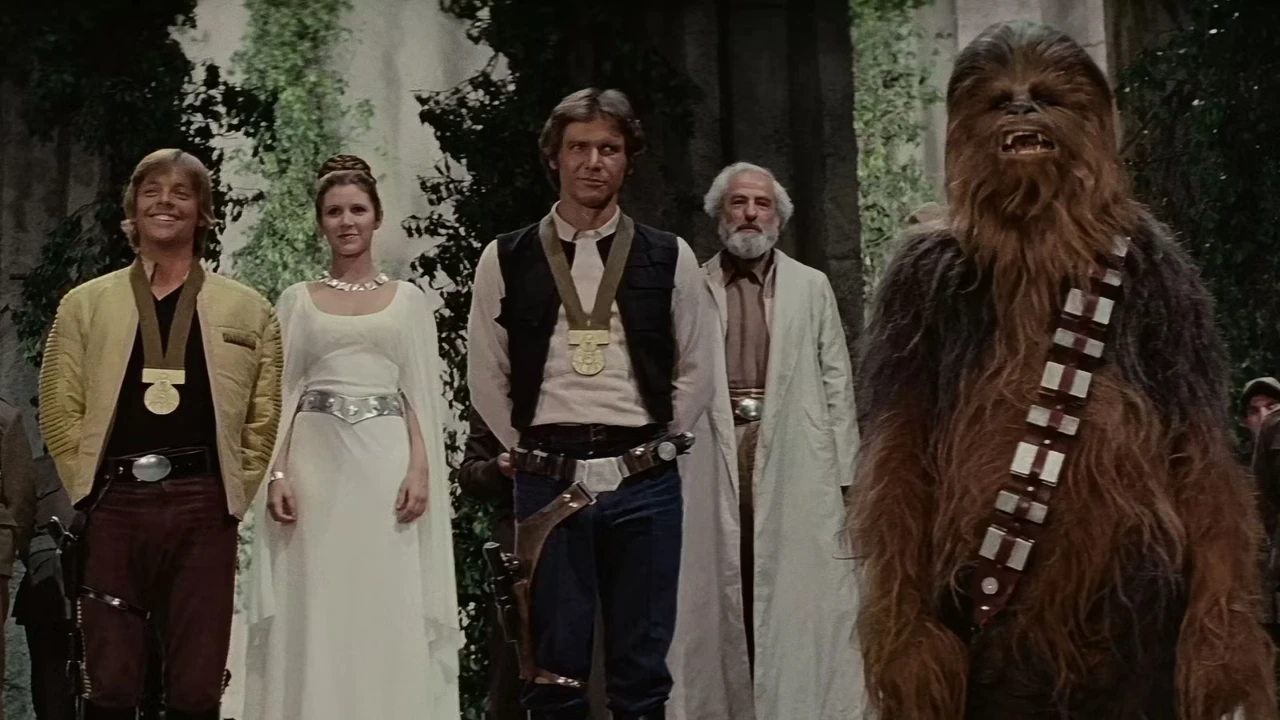 A moment of tense camaraderie, where disparate individuals forge an unlikely alliance against overwhelming odds.
The Metaphysics of The Force: A Universal Connection
Perhaps the most enduring philosophical contribution of Star Wars is the concept of the Force. Obi-Wan Kenobi describes it as “an energy field created by all living things. It surrounds us and penetrates us. It binds the galaxy together.” This is not merely magic, but a deeply metaphysical principle, akin to an Eastern philosophical concept of qi or prana, or even a secular understanding of the interconnectedness of all existence. It suggests an underlying unity to the universe, a spiritual dimension that transcends the purely material.
The Force offers a counter-narrative to the Empire’s cold, technological might. Where the Empire seeks to control through brute force and fear, the Force offers guidance through intuition and faith. It is a pathway to understanding a deeper reality, allowing for actions that defy conventional logic – like Luke’s final, improbable shot on the Death Star. This act of “trusting his feelings” over technology is a potent philosophical statement: that inner wisdom and spiritual connection can overcome even the most formidable external power. It elevates the individual’s inner life to a cosmic significance, suggesting that the universe itself conspires with those who align with its deeper currents.
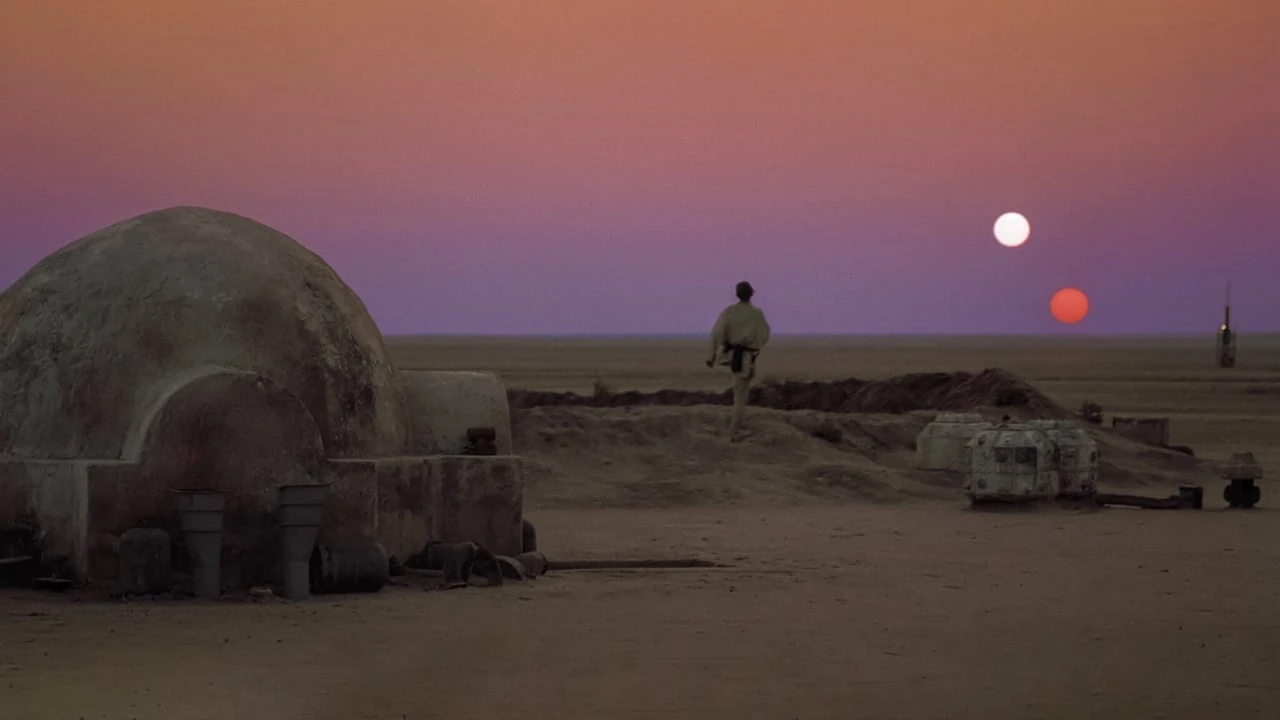 In the ultimate moment of truth, a hero embraces faith, guided by an unseen, transcendent power.
“The true horror of the galaxy is not the Death Star’s destructive power, but the ease with which intelligent beings can succumb to apathy, allowing darkness to consume the light without a fight.”
Star Wars: A New Hope is a timeless reminder that even in the face of overwhelming technological superiority and systemic oppression, the individual’s spirit of rebellion, fueled by hope and guided by an unseen interconnectedness, can spark a revolution. It asks us: What is our own Call to Adventure? When faced with the seemingly insurmountable forces of indifference or injustice, do we succumb to cynicism, or do we learn to trust the Force within ourselves, to find that “new hope” that always lies dormant, waiting to be awakened? The film doesn’t just entertain; it empowers, reminding us that the greatest battles are often fought not with blasters, but with belief.
Where to Watch
- Disney Plus
- AMC Plus Apple TV Channel
- AMC+ Roku Premium Channel
- AMC+
- YouTube TV
What’s Up? explores the philosophical depths of cinema.