The Abyss Glimpsed: The Empire Strikes Back and the Unbearable Weight of Self
A deep dive into Star Wars: Episode V, exploring its profound existential questions, ethical dilemmas, and the shattering burden of identity and choice.
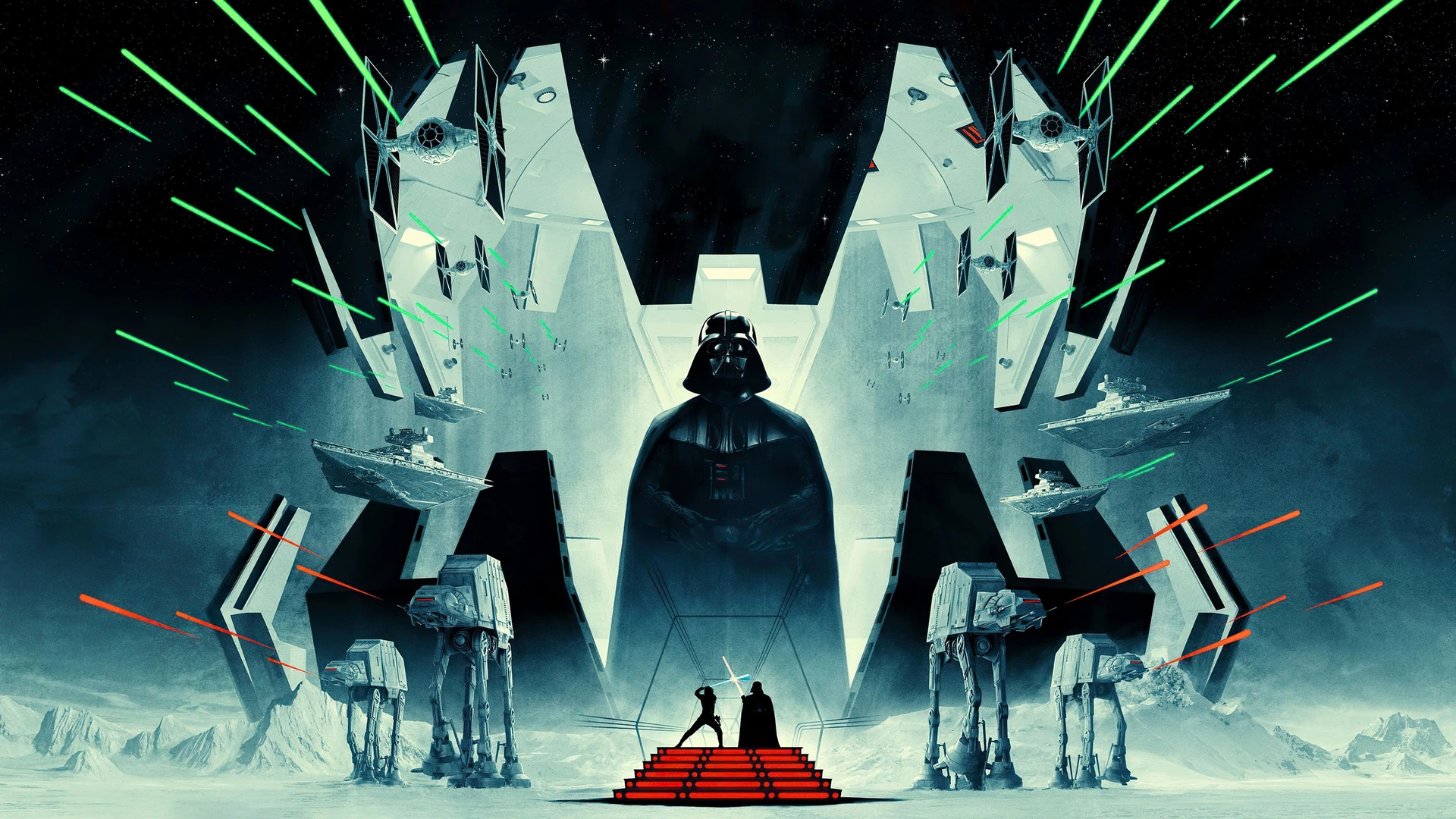
“The hardest thing to see is what is in front of your eyes.” — Johann Wolfgang von Goethe
From the desolate ice plains of Hoth to the murky swamps of Dagobah, and finally to the gleaming, treacherous corridors of Cloud City, Star Wars: Episode V - The Empire Strikes Back (1980) is not merely a cinematic sequel; it is a philosophical crucible. It shatters the simplistic dichotomies established by its predecessor, dragging its heroes, and by extension, its audience, into an abyss of existential dread, ethical compromise, and the profound, often unbearable, weight of self-discovery. Directed by Irvin Kershner, this film transcends its adventure trappings to become a meditation on fate, free will, the nature of evil, and the relentless pressure of identity. It is here, in this darker, more nuanced chapter, that Star Wars cements its place not just as popular mythology, but as a resonant text for exploring the very fabric of the human, or indeed, galactic, condition.
The Labyrinth of Becoming: Luke’s Existential Ordeal
The Empire Strikes Back masterfully deconstructs the archetypal hero’s journey, forcing Luke Skywalker to confront not just external adversaries but the shadow self lurking within. His training with Master Yoda on Dagobah is less about acquiring lightsaber skills and more about internal alchemy. Yoda’s cryptic lessons are a direct challenge to Luke’s impetuous nature, his attachment, and his preconceived notions of heroism. “Do or do not. There is no try,” Yoda declares, encapsulating an existential imperative: commitment to choice, not merely intention. Luke’s failure to retrieve his X-wing, his impatience, and his premature departure to save his friends are not just plot points; they are demonstrations of the fallibility of human judgment and the immense difficulty of achieving self-mastery.
Key philosophical currents explored through Luke’s journey:
- The Illusion of Control — Luke believes his power can overcome any obstacle, a hubris Yoda constantly challenges.
- The Nature of Fear — Yoda identifies fear as the path to the dark side, revealing its insidious, corrupting power.
- The Burden of Premonition — Luke’s visions of his friends in danger force him to choose between his personal attachments and his Jedi training, highlighting the ethical dilemma of intervention versus patience.
- The Unveiling of the Shadow — His confrontation with Vader in the Dagobah cave, where he finds his own face beneath the mask, is a stark Freudian and Jungian revelation: the enemy is not merely external, but a potential within.
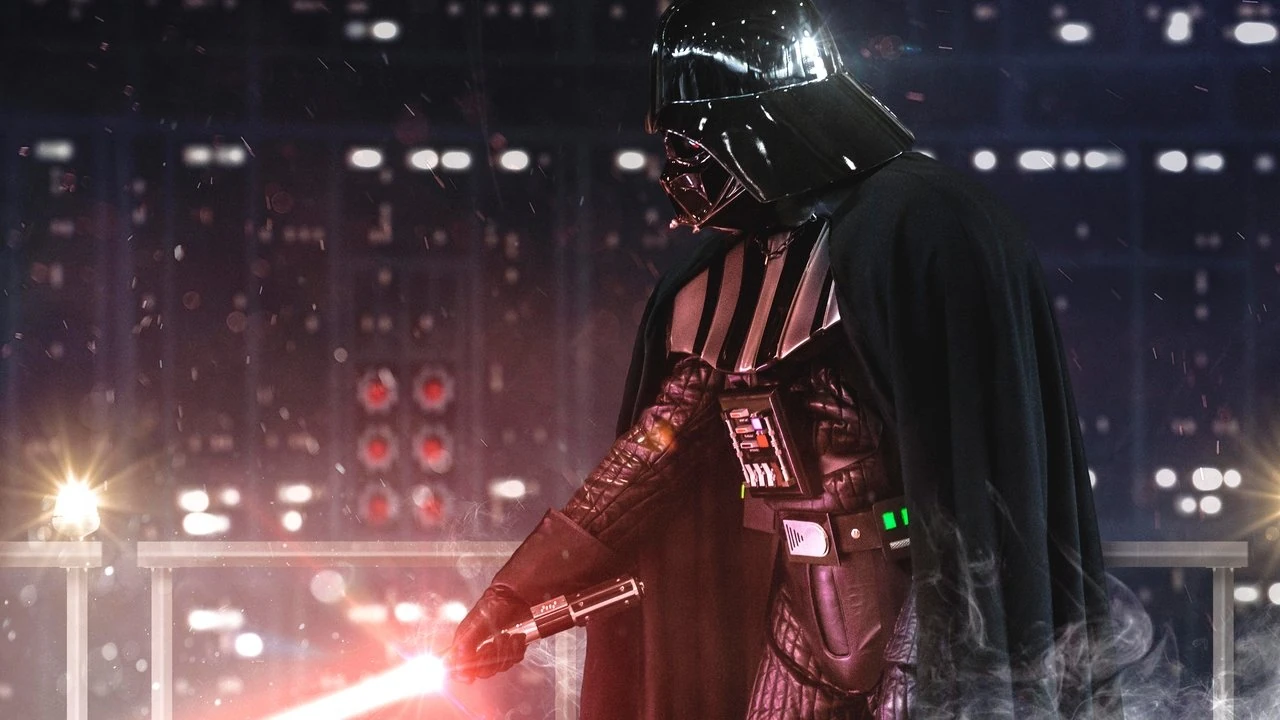 Luke confronts the reflection of his own potential for darkness in the Dagobah cave.
Betrayal, Sacrifice, and the Crucible of Despair
While Luke grapples with his inner demons, the other heroes face a brutal onslaught of external forces, plunging them into a harrowing narrative of capture, betrayal, and near-total despair. The Battle of Hoth is a devastating military defeat, emphasizing the sheer power of the Empire. But it is in Cloud City that the true ethical ambiguities and moral compromises emerge. Lando Calrissian, initially presented as a charming rogue, betrays Han Solo to Darth Vader, a decision born of duress and the desperate hope of protecting his own people. This act forces us to consider the ethics of survival: Is any betrayal justifiable when faced with overwhelming power and the threat of total annihilation?
This is where we discover the true weight of choice — not in the outcome, but in the becoming. Lando’s decision, fraught with terror and self-preservation, reveals the grey areas where ideals collide with brutal reality.
Han Solo’s stoic acceptance of his fate in carbon freeze, Leia’s defiant declaration of love, and Chewbacca’s heartbroken rage are moments of profound human (and Wookiee) resilience in the face of insurmountable odds. Their capture is not merely a plot device; it is a depiction of helplessness, a stark reminder that even heroes are vulnerable to the forces of a tyrannical universe. The film refuses to offer easy solutions or unblemished victories, instead immersing us in the fragility of hope and the resilience born of adversity. The suffering endured by the heroes is a direct challenge to the audience’s expectation of perpetual heroism, grounding the fantastical narrative in a raw, almost visceral realism concerning loss and consequence.
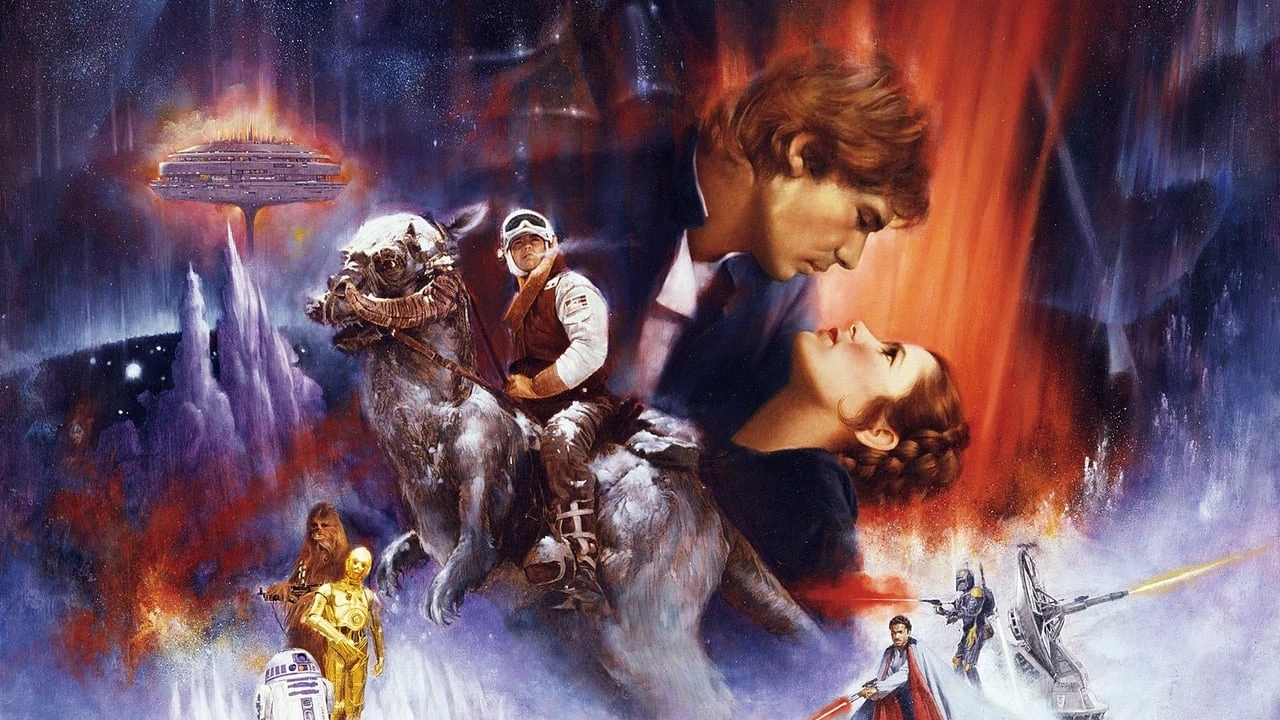 The chilling moment of Han Solo’s carbon-freezing, a stark portrayal of sacrifice and despair.
The Metaphysics of Identity: “I Am Your Father”
No moment in cinematic history perhaps carries more metaphysical shock than Darth Vader’s infamous revelation: “No, I am your father.” This single line doesn’t just rewrite Luke’s personal history; it detonates the very fabric of his reality, challenging his entire understanding of good and evil, family, and destiny. The heroic quest transforms into an agonizing existential crisis. If the embodiment of pure evil is his progenitor, what does that say about Luke’s own potential? Does evil propagate through bloodlines, or is it a choice?
This revelation plunges Luke into a terrifying identity crisis. He is no longer merely the farm boy destined for greatness, but the son of the galaxy’s darkest villain. This forces a re-evaluation of the entire saga’s premise, injecting a profound sense of moral ambiguity into the seemingly clear-cut struggle between light and dark. It raises fundamental questions about:
- Nature vs. Nurture: Is Luke predisposed to the dark side by his lineage, or can he forge his own path?
- The Burden of Legacy: How much does our past, especially our familial past, define us? Can we truly transcend the shadows of our ancestors?
- Redemption and Forgiveness: The possibility, however faint, of redemption for Vader, or at least the exploration of what led him to such darkness, begins here, adding layers of complexity to the concept of evil.
The psychological impact of this truth, coupled with the physical loss of his hand, leaves Luke profoundly wounded, both externally and internally. The Empire Strikes Back concludes not with triumph, but with a lingering sense of loss, unresolved conflict, and the daunting prospect of a future shrouded in uncertainty. It is a testament to the film’s philosophical courage that it dares to leave its hero in such a vulnerable, shattered state, demanding that he, and we, grapple with the implications of an unbearable truth.
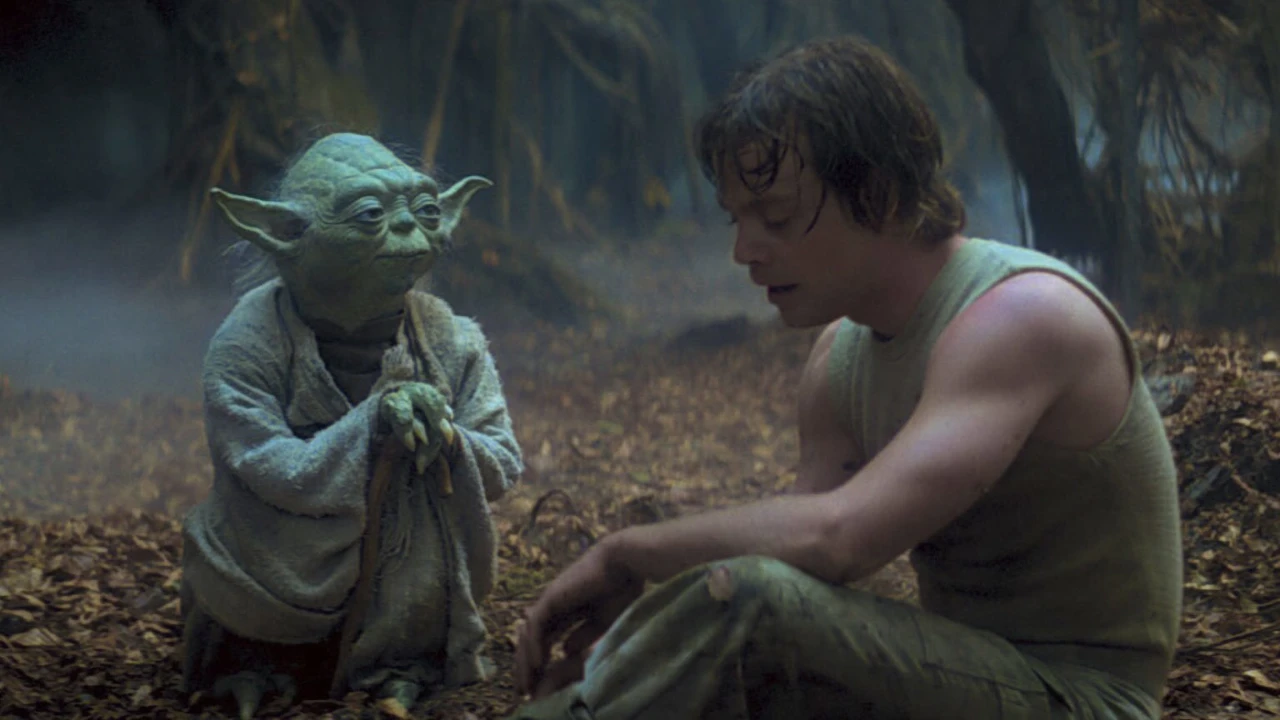 Luke’s physical and spiritual fracturing after the truth is revealed, a potent image of existential desolation.
“Sometimes, facing the truth demands more courage than fighting any battle. For the truth can shatter not just worlds, but the very self we thought we knew.”
The Empire Strikes Back is not just a masterpiece of cinematic storytelling; it is a profound philosophical statement. It teaches us that the path of heroism is fraught with failure, that evil is often intimately connected to what we hold dear, and that true strength lies not in avoiding pain, but in enduring and integrating the knowledge gained from it. It challenges us to look beyond simplistic narratives of good and evil and to confront the complex, often agonizing, process of self-creation in a universe that is indifferent to our struggles. What mirrors does this saga hold up to our own existence, and how do we choose to build ourselves anew when the foundations of our world are irrevocably shaken?
Where to Watch
- Disney Plus
- AMC Plus Apple TV Channel
- AMC+ Roku Premium Channel
- AMC+
- YouTube TV
What’s Up? explores the philosophical depths of cinema.