Tenet: The Paradox of Free Will in a World Unfolding Backwards
Christopher Nolan's Tenet divided audiences with its intricate plot, but its exploration of time, destiny, and human agency remains a fascinating philosophical puzzle.
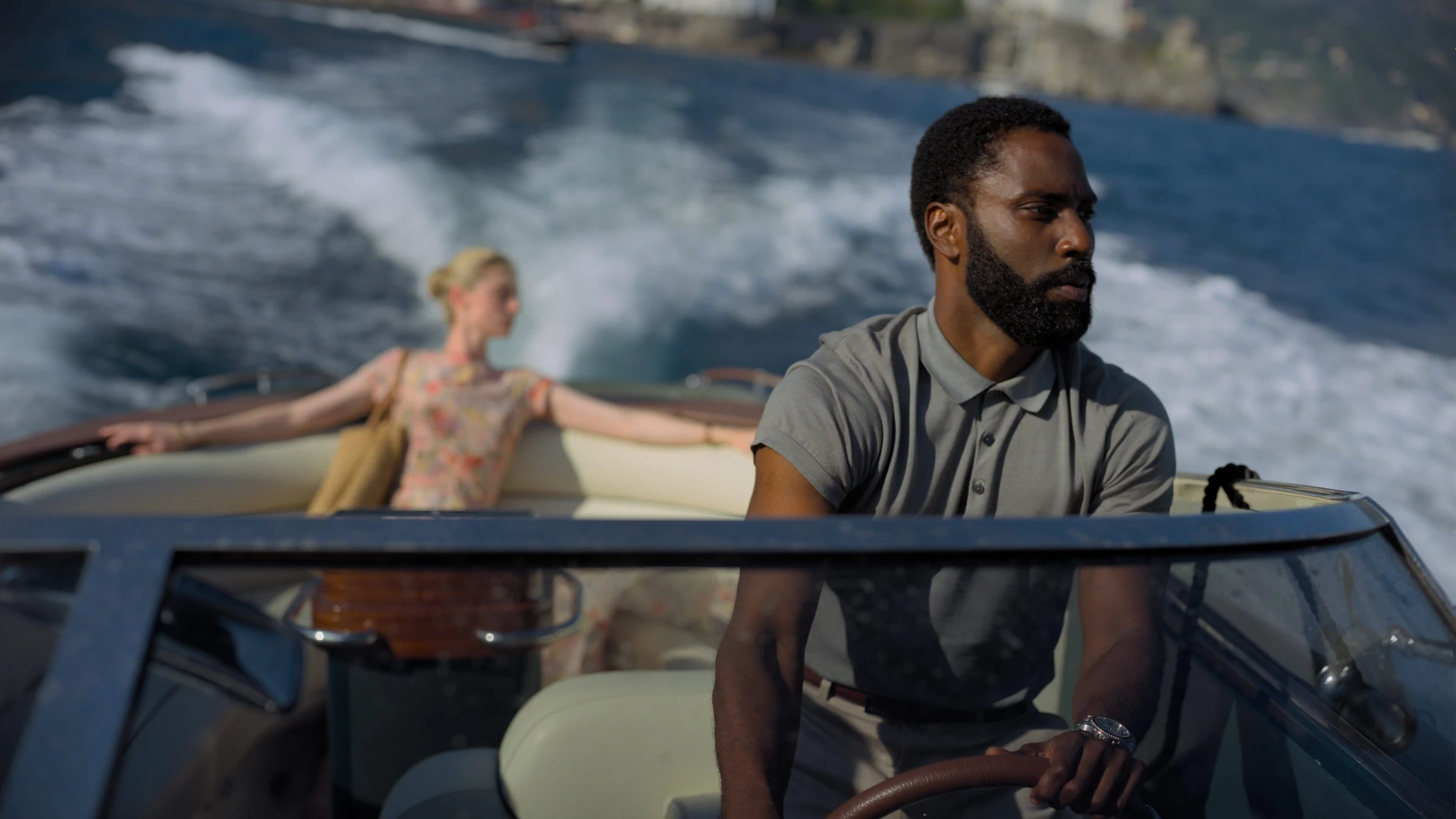
“What’s happened, happened. Which is an expression of faith in the mechanics of the world. It’s not an excuse to do nothing.” — Laura, Tenet
Christopher Nolan’s Tenet hit screens in 2020, amidst a global pandemic no less, carrying the weight of both cinematic expectation and the very real-world challenges of a struggling industry. It’s a film that, right from its audacious opening, announces its intention to challenge, to confuse, and to ultimately redefine our understanding of time, causality, and perhaps, our own agency. Yet, for all its ambition, Tenet landed with critics and audiences alike as a deeply divisive experience. Some hailed it as a groundbreaking, mind-bending masterpiece, a true cinematic event demanding repeat viewings. Others, however, felt utterly alienated, describing it as an emotionally cold, exposition-heavy puzzle box where the mechanics of its world overshadowed anything resembling human connection. And, let’s be honest, the often-criticized sound mix didn’t help those trying to decipher its intricate plot on first watch. But even in its complexity and amidst the legitimate criticisms, Tenet dares to ask some profoundly existential questions that linger long after the credits roll, questions that make it a compelling subject for philosophical inquiry.
The Paradox of Predestination and Free Will
At the core of Tenet lies a radical reimagining of temporal mechanics: the concept of inversion. Objects, and indeed people, can have their entropy reversed, allowing them to move backwards through time from our forward-moving perspective. This isn’t time travel as we typically understand it; it’s a parallel, inverted stream of existence where effects precede causes, at least from the inverted viewpoint. This premise immediately throws us into a philosophical maelstrom concerning determinism versus free will.
The film’s mantra, “What’s happened, happened,” echoes a fatalistic worldview. If the future is already set, if the events we are experiencing are merely the fulfillment of actions already taken by our inverted selves (or future selves), then where does choice fit in? The characters are constantly trying to prevent a global catastrophe, yet they’re also told that their actions have already been factored into the equation. It’s a closed loop, a temporal pincer movement where the past and future are locked in an inescapable embrace. This isn’t just a plot device; it’s a direct confrontation with the idea that our choices might be illusions, that we are merely actors in a play whose script is already complete.
- Causality Reversed: The very fabric of cause and effect is inverted, challenging our fundamental understanding of how events unfold.
- Predetermined Actions: Characters seemingly make choices, but the outcome appears to be already known or accounted for, blurring the lines of true agency.
- The Burden of Knowledge: Knowing that “what’s happened, happened” can be both a terrifying burden and a strange liberation, begging the question of whether ignorance truly is bliss.
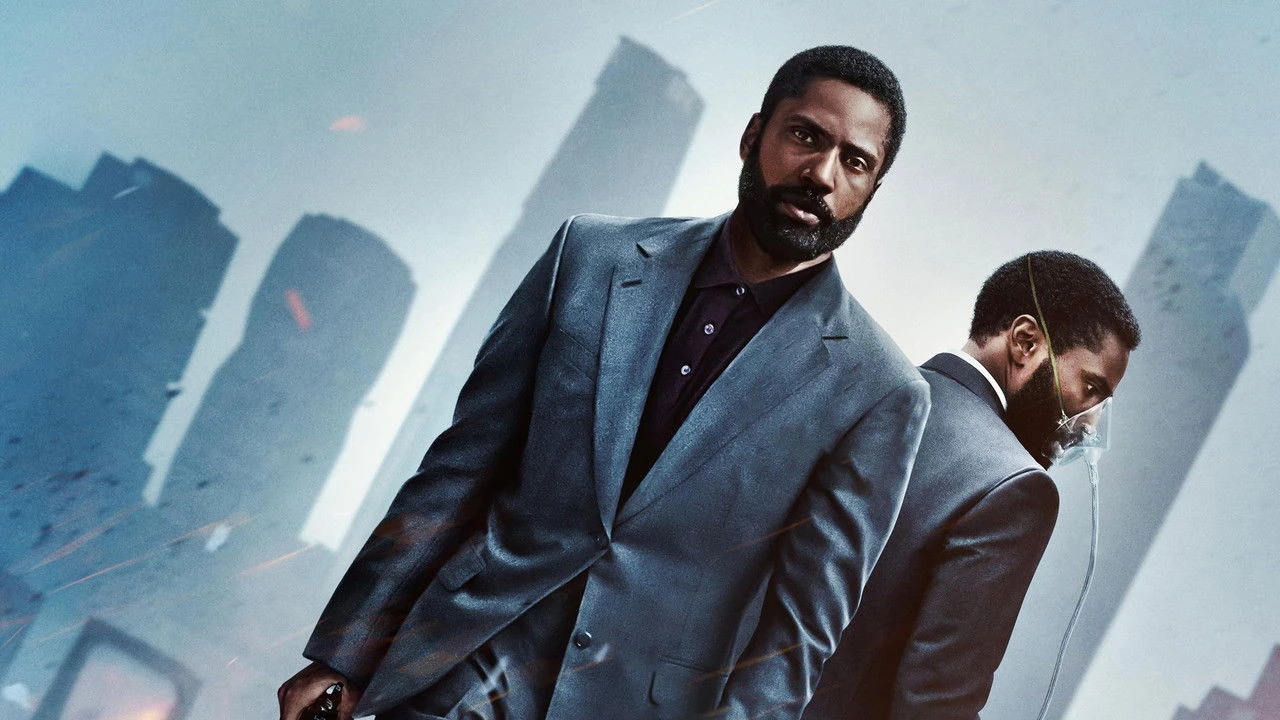 John David Washington’s Protagonist grapples with the inverted causality that defines his mission.
The Echo Chamber of Criticism and Spectacle
Now, let’s be candid about the viewing experience. Tenet is undeniably a spectacle. Nolan’s commitment to practical effects, the sheer scale of the action sequences – from the highway chase to the plane crash – are breathtaking. Robert Pattinson’s Neil provides much-needed charm and wit, and Elizabeth Debicki delivers a nuanced performance as Kat, the film’s true emotional anchor (though many argued this anchor was often submerged by the plot’s density). Yet, despite these strengths, Tenet often felt more like an intellectual exercise than a deeply engaging narrative.
Critics, myself included, often lamented the dense exposition, delivered in rapid-fire dialogue that, thanks to the aforementioned sound mix issues, was frequently unintelligible. Websites like Rotten Tomatoes and Metacritic reflected this division; while generally positive, the film’s scores were notably lower than many of Nolan’s previous works, with many reviews highlighting the lack of emotional connection and the overly convoluted plot. Audiences, too, were split, with some praising its complexity and others walking out utterly bewildered. It’s a film that demands constant intellectual engagement, often at the expense of emotional resonance. You’re thinking, “How did that work?” rather than feeling, “What do these characters feel?”
Christopher Nolan’s ambition is undeniable, but in Tenet, the intricate clockwork of its temporal mechanics often overshadowed the human gears within, leaving many viewers admiring the architecture while struggling to find the heart.
This isn’t to say the film has no heart; Kat’s struggle for her son and freedom is poignant, but it often feels like a secondary concern to the grander, more abstract mission of “saving the world.” The film becomes a fascinating case study in how far a director can push the boundaries of narrative complexity before a significant portion of the audience feels left behind.
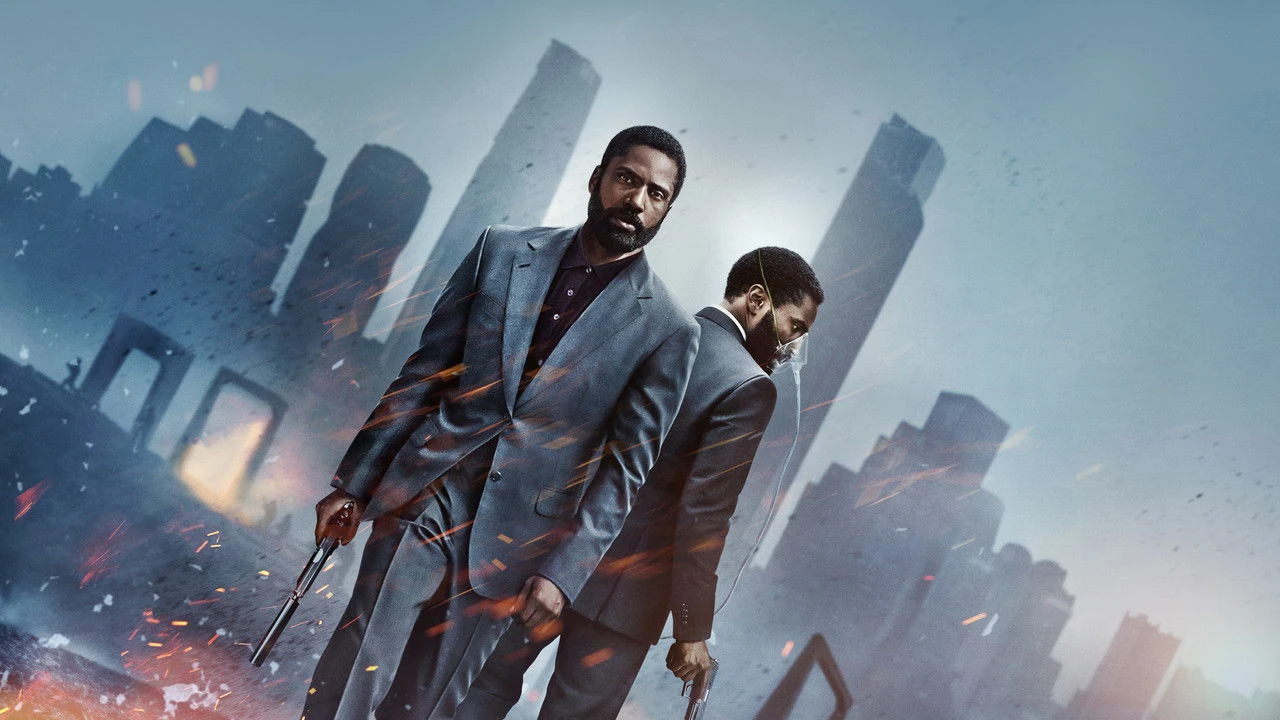 The breathtaking practical effects and set pieces of Tenet, often praised as a highlight.
Inversion: A Metaphor for Our Existential Predicament
Beyond the criticisms and the spectacle, Tenet offers a profound metaphor for our contemporary existential predicament. The idea of a future influencing the past, of a catastrophe from “their” time threatening “ours,” resonates deeply with modern anxieties. Climate change, for instance, is a looming future threat whose effects are already being felt in the present, a kind of real-world temporal pincer movement where past actions (or inaction) ripple forward, and future consequences demand present solutions. Tenet’s narrative suggests that the future isn’t just something that happens to us; it’s something that we are actively, if sometimes unknowingly, building and even receiving from.
The film’s structure itself is an act of inversion, demanding that we rethink our linear understanding of narratives and life. We are forced to piece together information from fragmented perspectives, to accept paradoxes, and to trust that meaning will eventually coalesce, even if we don’t fully grasp it in the moment. This mirrors the human experience of trying to make sense of a world that often feels chaotic and defies simple explanations. We are all, in a sense, Protagonists, armed with incomplete information, struggling to understand the mechanics of our own existence and the implications of our choices, both individual and collective.
- Temporal Responsibility: The film forces us to consider our ethical responsibility not just to the present and past, but also to future generations, whose “past” might be our present.
- The Unknowable Future: Tenet leans into the terror and allure of an unknowable future, suggesting that even if destiny is fixed, our perception and struggle against it define our humanity.
- Narrative as Paradox: The non-linear storytelling is not just a stylistic choice but a philosophical statement about how we construct meaning in a world where time itself is malleable.
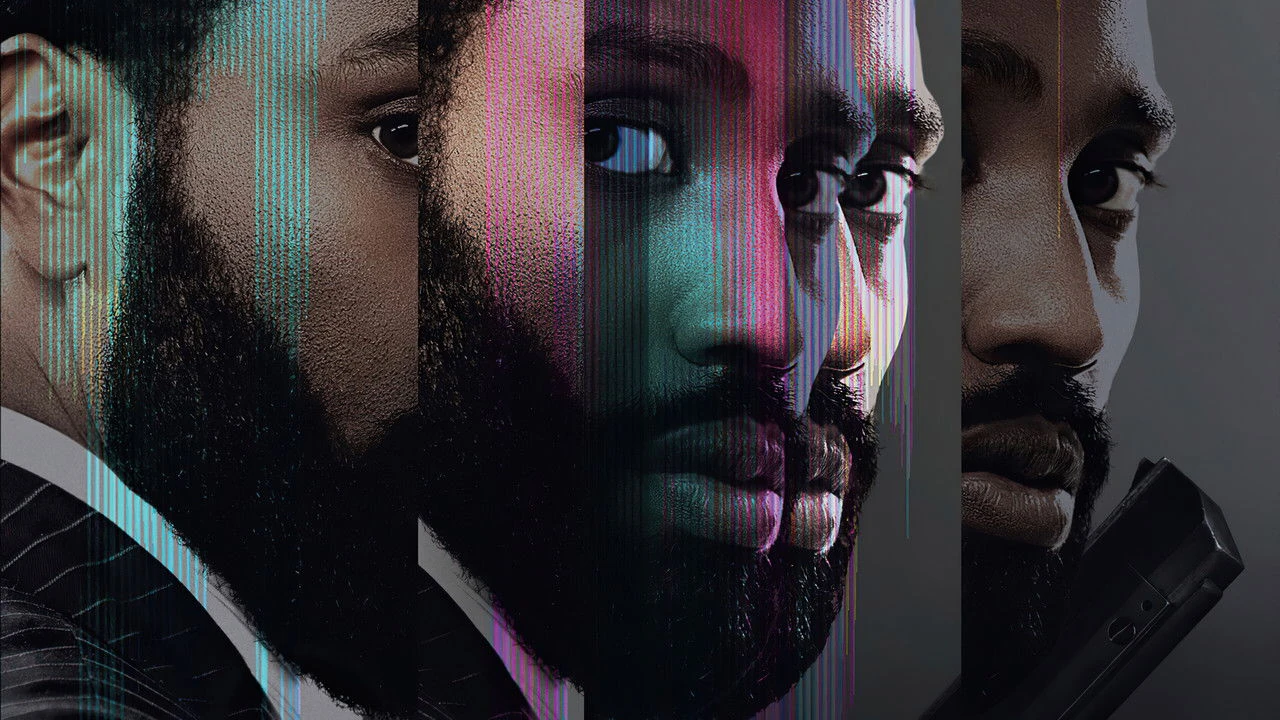 Elizabeth Debicki’s Kat, the film’s emotional core, trapped in a cycle of her own.
“Ignorance is our ammunition.” — Sator, Tenet
Tenet isn’t a perfect film. Its narrative complexities, the often-impenetrable dialogue, and its occasional emotional detachment are valid points of contention that contributed to its divisive legacy. Yet, to dismiss it as merely confusing would be to miss the forest for the inverted trees. Nolan, as he often does, has crafted a work that, despite its flaws, relentlessly challenges our perception of reality, time, and human agency. It’s a film that demands philosophical wrestling, a cinematic thought experiment that, even if it leaves you scratching your head, forces you to ponder the very nature of existence. What does it mean to act when the outcome is already written? And in that act, regardless of its predetermined nature, do we find our truest sense of self?