The Acolyte's Divided Force: A Philosophical Inquiry into Peace and Its Shadows
Exploring the philosophical fault lines of The Acolyte, a Star Wars series that deeply divided critics and audiences, examining its take on peace, morality, and the nature of the Force.
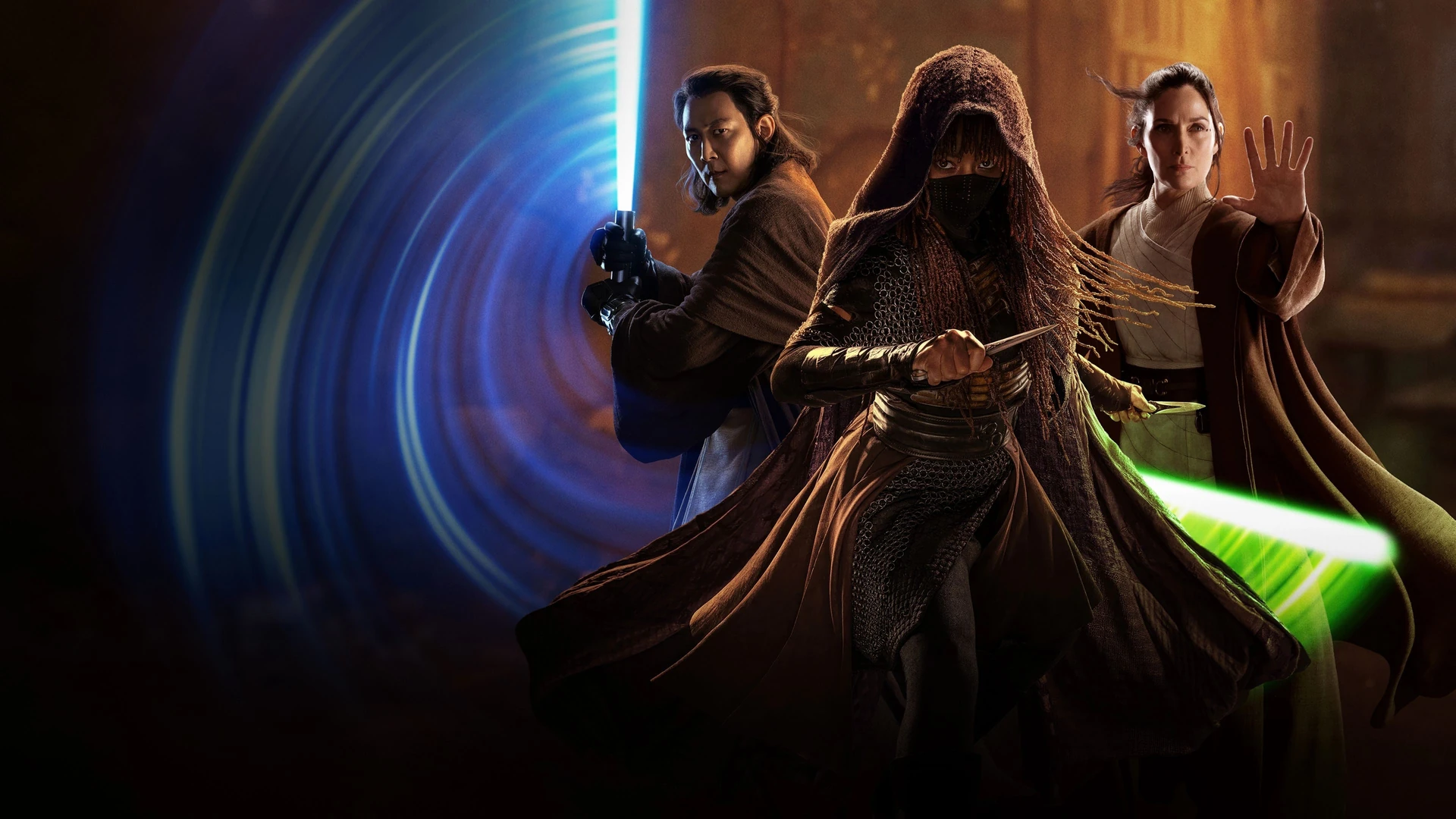
“Peace is not the absence of conflict, but the ability to cope with conflict by peaceful means.” — Mahatma Gandhi
The Acolyte arrived in 2024 with a thunderclap, not just of lightsabers, but of fervent debate. Billing itself as a journey into the High Republic era, a century before the Skywalker saga, it promised a glimpse of the Jedi Order at its zenith—a time of unparalleled peace. Yet, what unfolded on screen, and more significantly, in the critical and public discourse surrounding it, was anything but peaceful. On one hand, many critics lauded its fresh perspective and production design, earning it a respectable score on Rotten Tomatoes. On the other, a significant portion of the audience and long-time fans met it with palpable frustration, lambasting its pacing, perceived lore inconsistencies, and character motivations, leading to a starkly divided reception and low audience scores across platforms like IMDb and Rotten Tomatoes. This isn’t just a story about good versus evil, or Jedi versus Sith; it’s a fascinating, if at times flawed, exploration of the fragility of peace itself, and the shadows that linger even in the brightest of eras.
The Echoes of a Hundred Years of Peace
To understand The Acolyte, we first need to confront its premise: a galaxy enjoying centuries of peace, led by a seemingly infallible Jedi Order. This isn’t the desperate, war-torn galaxy we’re used to. It’s a setting that inherently invites philosophical questions about the nature of order, the suppression of conflict, and what happens when an institution becomes too comfortable in its own righteousness. The series posits that even in an age of apparent tranquility, the seeds of darkness can take root, often in the most unexpected places.
This central idea, while compelling, became a point of contention for many viewers. Critics often praised its ambition to delve into the origins of the Dark Side beyond the Sith, exploring how resentment, trauma, and hidden agendas can fester beneath a gilded surface. However, audience reviews frequently pointed to the show’s slow-burn approach, particularly in its initial episodes, as a detriment to this ambitious storytelling. The pacing, many felt, hindered the immediate engagement with the unfolding mystery of the crime spree. It’s a classic philosophical dilemma presented in narrative form: can a truly peaceful society exist, or is conflict merely dormant, waiting for the right catalyst? The Acolyte attempts to argue for the latter, suggesting that peace, if not actively nurtured and understood, can breed a complacency that blinds its guardians to the very threats they are sworn to protect against.
Key themes to explore:
- The illusion of utopia — how prolonged peace can mask underlying tensions and injustices.
- The burden of institutional memory — what happens when an order forgets the true nature of the threats it once faced.
- The origins of radicalization — is it born of pure evil, or a reaction to perceived systemic failures?
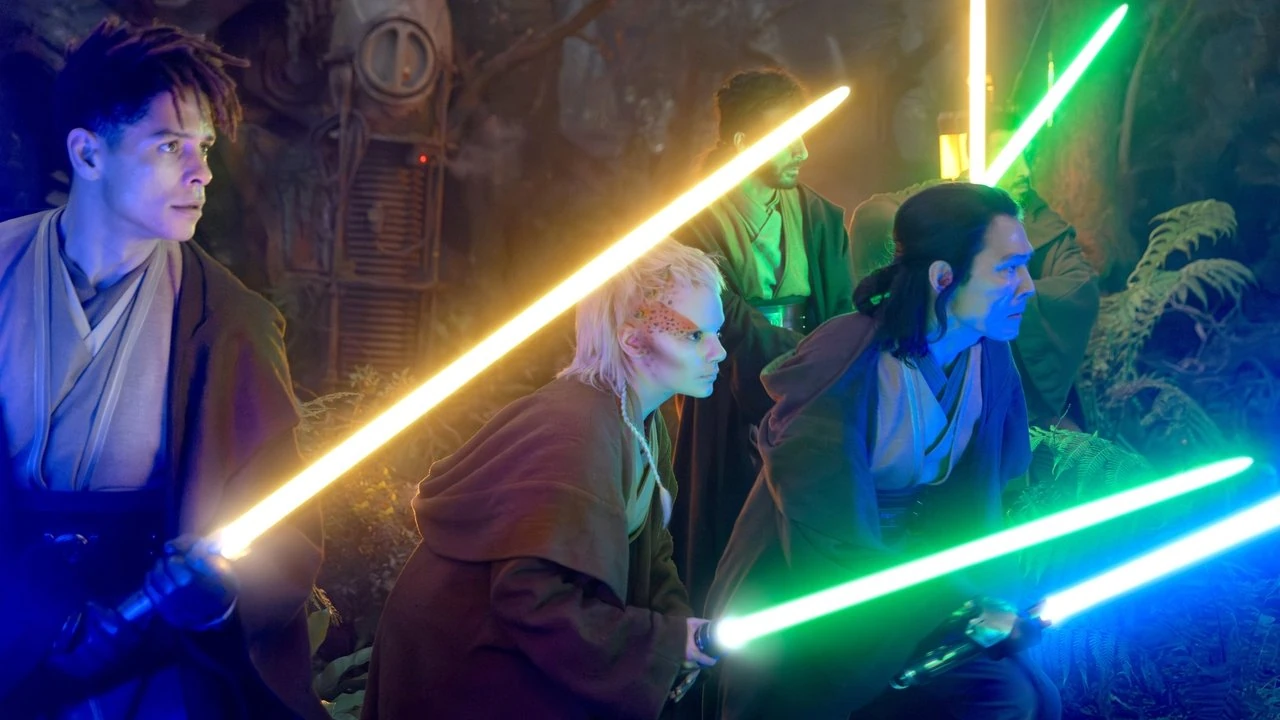 A Jedi Master, stoic and burdened, reflects on the perceived calm before a brewing storm.
The Shifting Sands of Morality
At its heart, The Acolyte grapples with the concept of moral ambiguity, a theme often explored in mature science fiction but sometimes struggled with in the traditionally clear-cut morality of Star Wars. The central conflict pits Jedi Master Sol (Lee Jung-jae) against a dangerous warrior from his past, Mae (Amandla Stenberg), whose motivations are shrouded in secrecy and pain. The series tries to blur the lines between aggressor and victim, exploring how past events and perceived injustices can drive individuals to extreme actions.
While many critics appreciated this nuanced approach, praising the performances of Stenberg and Jung-jae for bringing depth to their complex characters, audience reception was often less forgiving. A common criticism was that the show’s attempts at moral complexity sometimes led to underdeveloped character arcs or confusing motivations, particularly for Mae. Some viewers found it difficult to empathize or even understand the rationale behind certain actions, leading to a sense of detachment from the core drama. The narrative choices, which aim to question the Jedi’s infallibility, were seen by some as undermining established lore, rather than enriching it. This isn’t just a narrative stumble; it’s a philosophical tightrope walk, attempting to deconstruct familiar archetypes without alienating an audience deeply invested in those archetypes.
This is where we discover the true weight of choice — not in the outcome, but in the becoming. The series asks whether one’s path is predetermined by trauma, or if agency can still carve a different destiny from the wreckage of the past.
The series struggles with its own ambition here. It wants us to question the High Republic Jedi as an institution—their dogmatism, their potential for error—but without fully committing to a radical re-evaluation that might have given its darker characters more compelling justifications. It’s a delicate dance between maintaining the heroic image of the Jedi and showing the cracks in their foundation. This often left audiences divided: some appreciated the attempt to add layers to a traditionally black-and-white universe, while others felt it simply muddled the waters without clear payoff.
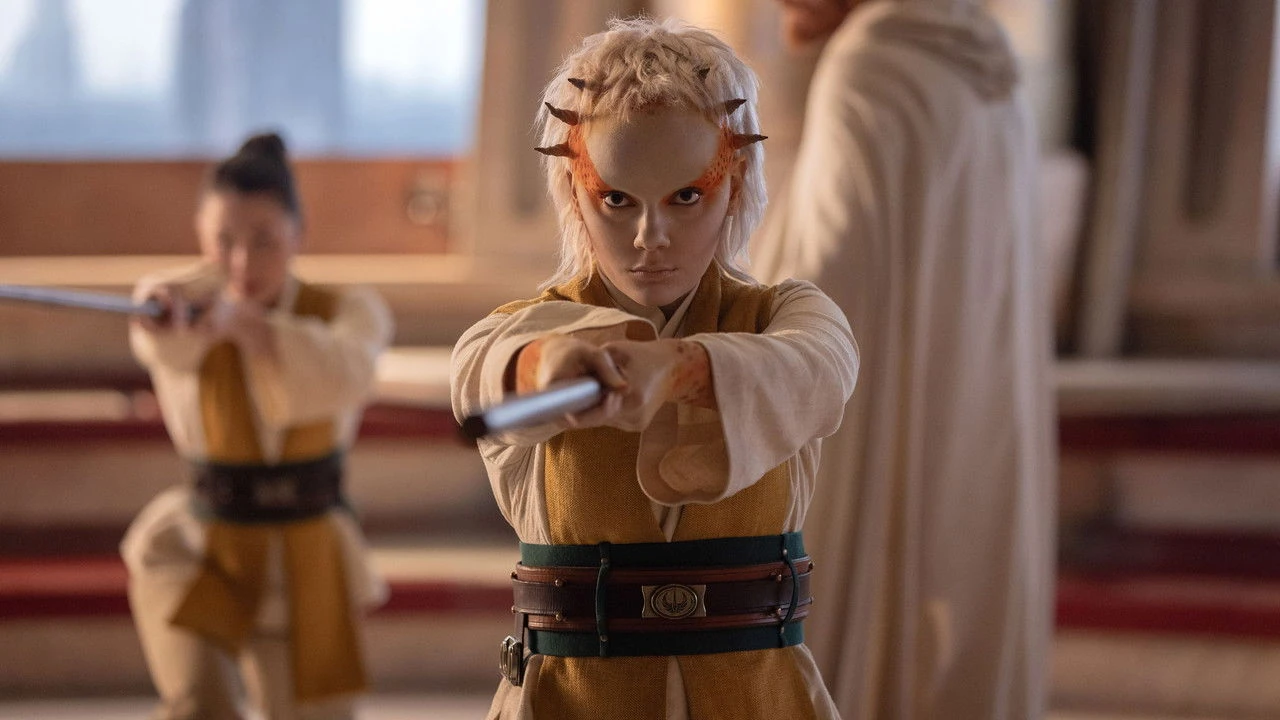 A striking composition of light and shadow, hinting at the hidden darkness within an era of supposed enlightenment.
Beyond the Surface: The Unseen Threads of Destiny
Despite its narrative stumbles and the sharp division in its reception, The Acolyte undeniably raises intriguing existential and metaphysical questions. It forces us to consider the nature of the Force itself in an era where the overt conflict between light and dark is largely absent. What does the Force do when it’s not being wielded in a galactic war? How does it manifest in individual lives, guiding or perhaps even manipulating destinies?
The show touches on themes of fate versus free will, particularly with characters seemingly bound by past events or inherent connections. Is the Dark Side an external corruption, or an internal potential within every Force-sensitive being? Can one truly escape their lineage or the consequences of actions committed generations ago? By focusing on a time when the Dark Side is thought to be vanquished, The Acolyte seeks to explore its origins and its insidious return, not as an invading army, but as a subtle poison. This is where its philosophical value truly shines, prompting viewers to consider:
- How do societies define “good” and “evil,” and how do these definitions evolve over time?
- What is the responsibility of powerful institutions, like the Jedi, when confronting emergent threats that don’t fit established paradigms?
- Can true peace ever be achieved if the underlying causes of conflict—greed, fear, revenge—are simply suppressed, rather than resolved?
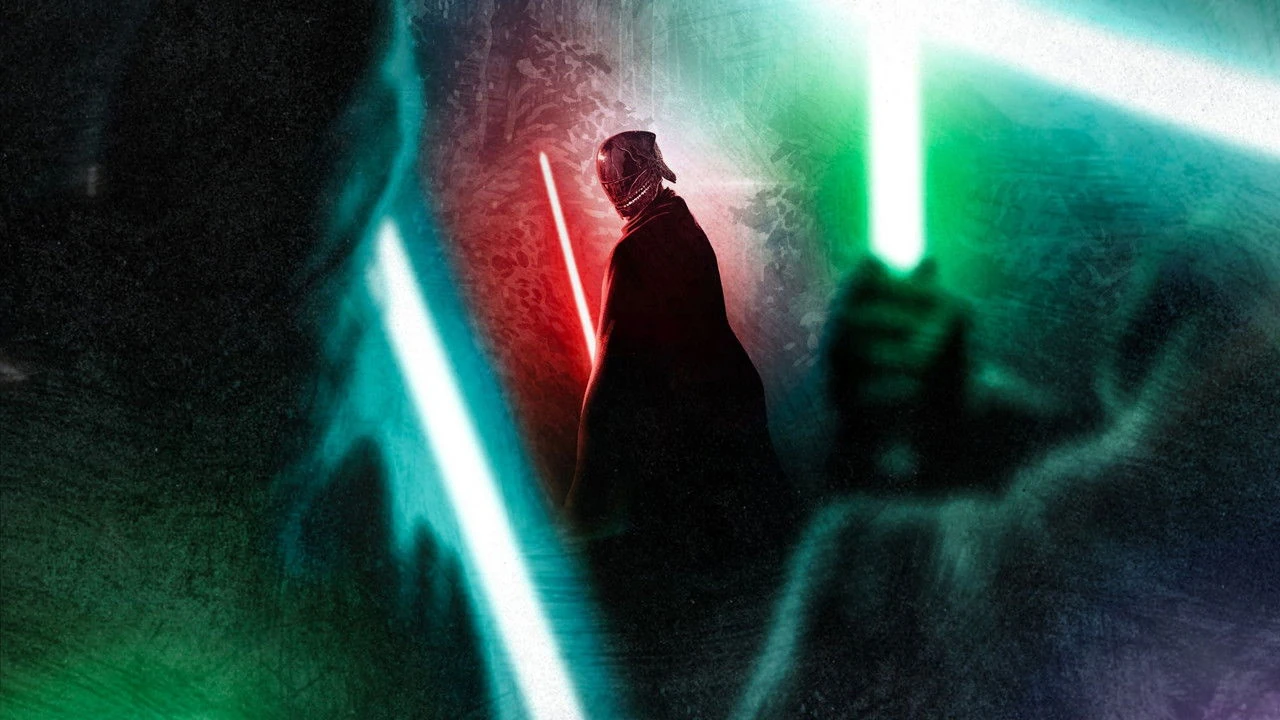 A lone figure stands at a crossroads, embodying the struggle between past loyalties and a challenging future.
“The hardest thing is to live, because life is to suffer and to love is to suffer, but to love is to find happiness.” — Woody Allen (ironically, but relevant to characters’ suffering and search for purpose)
The Acolyte is a series destined to be remembered not just for its story, but for the conversation it sparked. Its weaknesses are undeniable, particularly for those who found its narrative choices unsatisfying or its pacing too slow. Yet, to dismiss it entirely would be to miss its philosophical ambition. It dares to ask if peace is sustainable, if our heroes are truly infallible, and if the seeds of darkness are always present, even in the most enlightened of times. It’s a problematic, often frustrating watch for many, but one that nonetheless holds up a mirror to our own discomfort with moral complexity and the enduring human struggle against the shadows, both external and within.
Where to Watch
- Disney Plus
What’s Up? explores the philosophical depths of cinema.