The Uncomfortable Mirror: The Adam Project and the Philosophy of Self-Reconciliation
Exploring The Adam Project's deeper meaning, from confronting past selves to the complex dynamics of regret, forgiveness, and the human search for understanding across time.
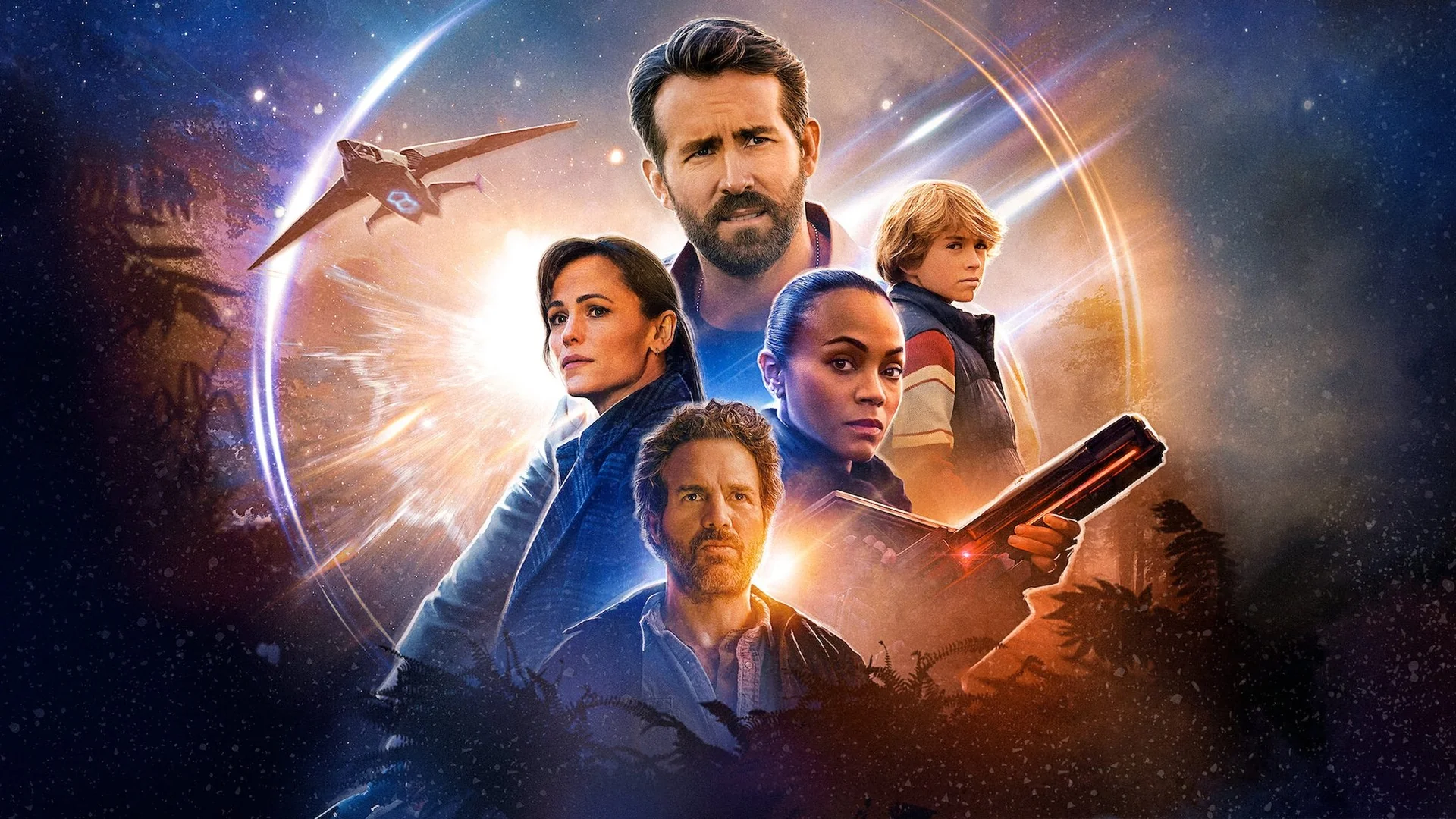
“The hardest thing in life is to know yourself.” — Thales of Miletus
Shawn Levy’s The Adam Project, released in 2022, landed on Netflix like a brightly colored, moderately-cushioned sci-fi action flick, packed with the familiar charm of Ryan Reynolds and a surprisingly poignant emotional core. Yet, for all its blockbuster sheen and rapid-fire banter, it’s a film that prompts a deeper look into the human condition, even if its surface-level mechanics sometimes wobble. Critics were, predictably, divided. While many acknowledged its undeniable entertainment value and the chemistry between its leads, the film’s reliance on familiar tropes, its sometimes-uneven pacing, and a rather convenient approach to time-travel logic drew significant scrutiny. With a 67% on Rotten Tomatoes and a Metacritic score hovering around the mid-50s, it certainly wasn’t a universal critical darling, yet it resonated with many audiences who found its heart outweighed its narrative contrivances. We’re left to ponder: can a film that doesn’t always stick its landing still offer a profound philosophical journey? I’d argue, absolutely.
The Uncomfortable Mirror: Confronting Our Past Selves
At its heart, The Adam Project is a story of self-reconciliation. Adult Adam Reed (Ryan Reynolds), a jaded time-traveling pilot from 2050, crash-lands in 2022 and is forced to confront his 12-year-old self (Walker Scobell). This isn’t merely a comedic setup for generational clashes, though it certainly delivers on that front. It’s a literal, physical manifestation of an internal, psychological struggle that many of us face: the adult grappling with the innocence, insecurities, and unfulfilled dreams of their younger self.
The film deftly uses the sci-fi conceit to explore the profound impact of past experiences on our present identity. Adult Adam is burdened by grief, regret, and a cynical worldview shaped by his father’s death and a fractured relationship with his mother. Young Adam, conversely, is a whirlwind of pre-teen angst, vulnerability, and a burgeoning sense of self that hasn’t yet been hardened by life’s blows. Their forced alliance is a masterclass in ego integration, where the older self, initially dismissive and critical, must learn to empathize with and ultimately forgive the younger, while the younger gains foresight and understanding.
Key themes that emerge:
- The Burden of Regret — Adult Adam carries the weight of choices made and not made, particularly concerning his father.
- The Innocence of Ignorance — Young Adam’s naiveté, while frustrating to his older self, also represents a purity of spirit that adult Adam has lost.
- Intergenerational Healing — The film doesn’t just address self-healing, but also the healing of generational wounds through understanding and forgiveness, particularly concerning parental figures.
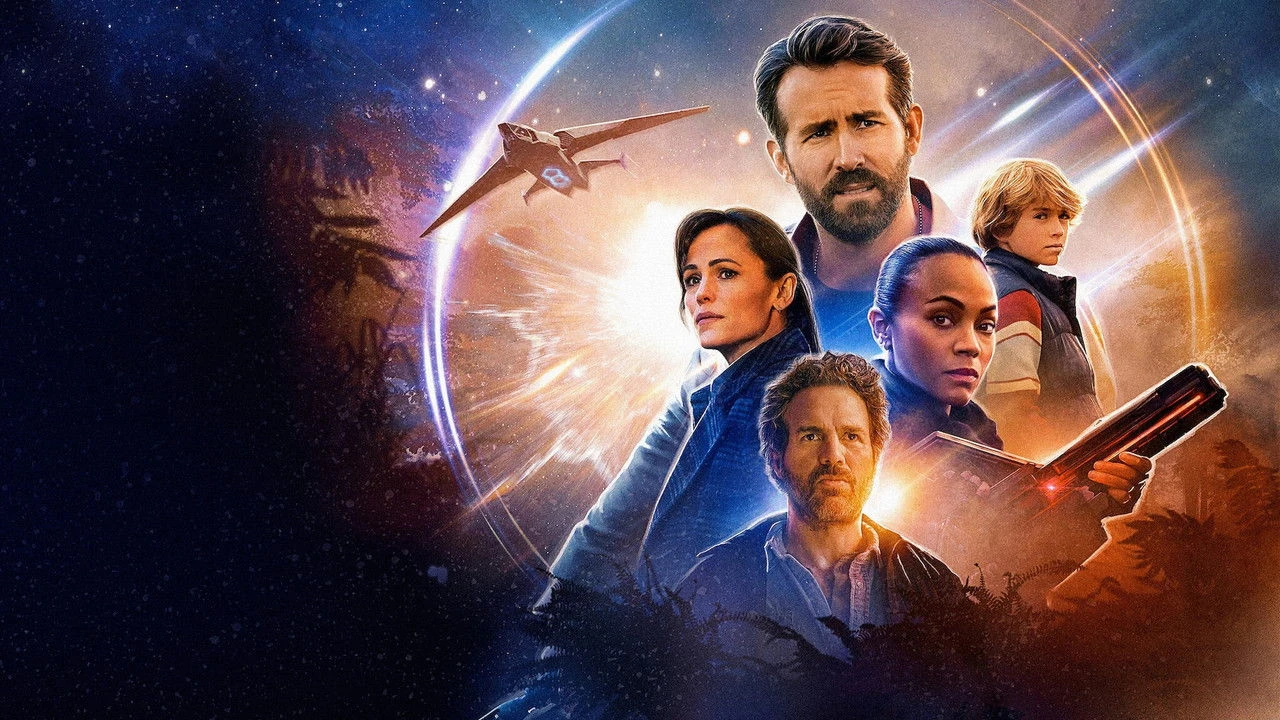 Two versions of Adam Reed, separated by decades but united by purpose, stand in a forest, reflecting on their shared past and uncertain future.
Familiar Futures and Forgiven Pasts: Navigating the Critics’ Divide
While the film’s emotional core truly shines, it’s impossible to ignore the criticisms that plagued its reception. Many reviewers pointed to its formulaic narrative structure, which often felt like a greatest hits of 80s and 90s sci-fi adventure films. The action sequences, while competently executed, rarely transcended the generic, and some felt that Reynolds’ trademark sarcastic humor, while entertaining, occasionally undercut the film’s more serious emotional beats. The time-travel mechanics themselves were frequently cited as flimsy, bending to the plot’s convenience rather than adhering to any consistent internal logic – a valid point for those who prefer their sci-fi with more rigorous philosophical underpinnings.
This is where the film finds its unique philosophical footing. It largely sidesteps the complex paradoxes of time travel, choosing instead to use the temporal displacement as a mere backdrop for a much more intimate, internal journey of self-discovery and familial mending.
However, it’s precisely in these “flaws” that we can find a kind of strength. By not getting bogged down in the minutiae of temporal mechanics, The Adam Project frees itself to focus on the human element. The film is less concerned with how time travel works and more with what it means to meet your past self. It allows the philosophical weight to rest on the shoulders of its characters and their relationships, particularly with the introduction of their parents, played by Mark Ruffalo and Jennifer Garner, whose performances lend significant gravitas to the emotional stakes. The film argues that sometimes, the most complex philosophical questions aren’t about the universe, but about the messy, unpredictable landscape of our own hearts and histories.
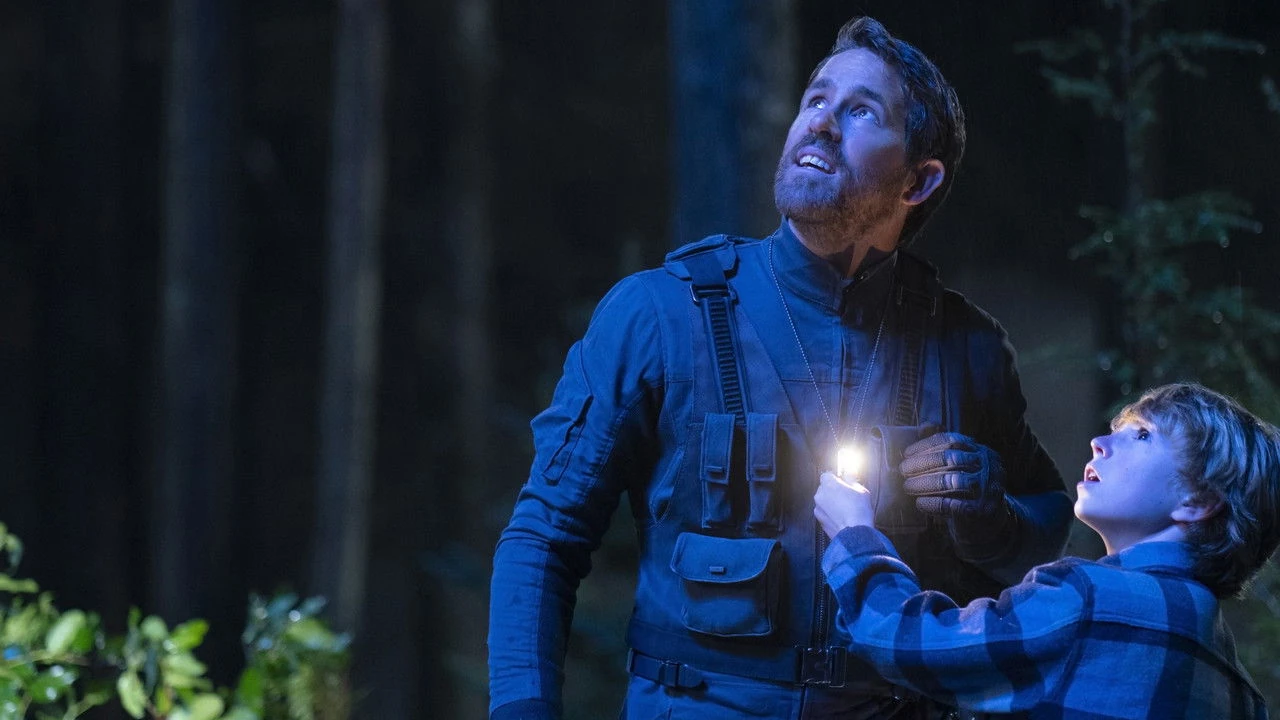 Adult Adam Reed gazes intently at his younger self, a mix of frustration and burgeoning understanding etched on his face, highlighting the internal conflict of self-acceptance.
The Ripple Effect: Beyond Paradoxes, Towards Personal Growth
Beyond the specific critiques, The Adam Project prompts us to consider the nature of personal growth and the concept of a “fixed self” versus an “evolving self.” If you could meet your younger self, what would you say? Would you try to change their path, or would you simply offer comfort and guidance? The film suggests that true change doesn’t come from altering the timeline, but from altering your perspective and healing old wounds. Adult Adam doesn’t go back to prevent his father’s death; he goes back to understand it, to forgive, and to change his own future by mending his relationship with his mother.
This leans into an existential perspective where, regardless of predestination, our actions in the present moment hold immense power. The film subtly argues that our greatest power isn’t in controlling external circumstances, but in mastering our internal landscape – our reactions, our forgiveness, our acceptance. It’s a hopeful message, suggesting that even in the face of inevitable loss or regret, there’s always an opportunity for closure and a more peaceful future. The narrative arc, for all its popcorn-movie predictability, underscores the profound idea that sometimes, the greatest adventure is the journey back to ourselves.
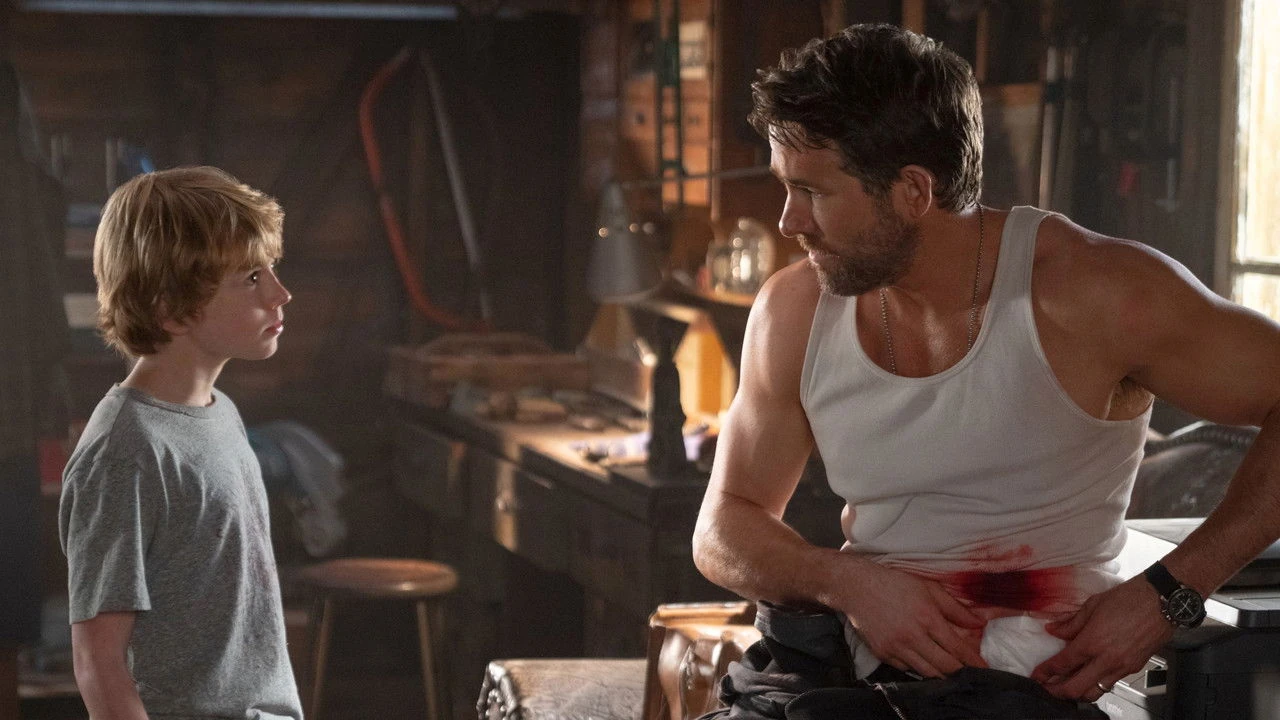 A tender moment between Adam Reed (Ryan Reynolds) and his mother (Jennifer Garner), conveying the emotional core of the film’s themes of family, love, and reconciliation.
While The Adam Project may not revolutionize the sci-fi genre or offer groundbreaking insights into theoretical physics, its unassuming charm and heartfelt exploration of self-acceptance and familial forgiveness resonate long after the credits roll. It’s a reminder that sometimes, the most profound wisdom comes not from complex paradoxes, but from simply telling ourselves, and those we love, what we needed to hear all along.
Ultimately, The Adam Project serves as a reflective mirror, asking us to consider our own past selves, the paths we’ve taken, and the relationships that have shaped us. It’s a testament to the idea that even flawed art can provoke meaningful philosophical reflection, reminding us that sometimes the most important journey is the one inward, to reconcile with the person we once were, and the person we are becoming.
Where to Watch
- Netflix
- Netflix Standard with Ads
What’s Up? explores the philosophical depths of cinema.