The Web of Self: Identity, Legacy, and Choice in The Amazing Spider-Man
An exploration of The Amazing Spider-Man (2012)'s nuanced portrayal of identity, legacy, and the heavy burden of choice, despite its divisive reception.
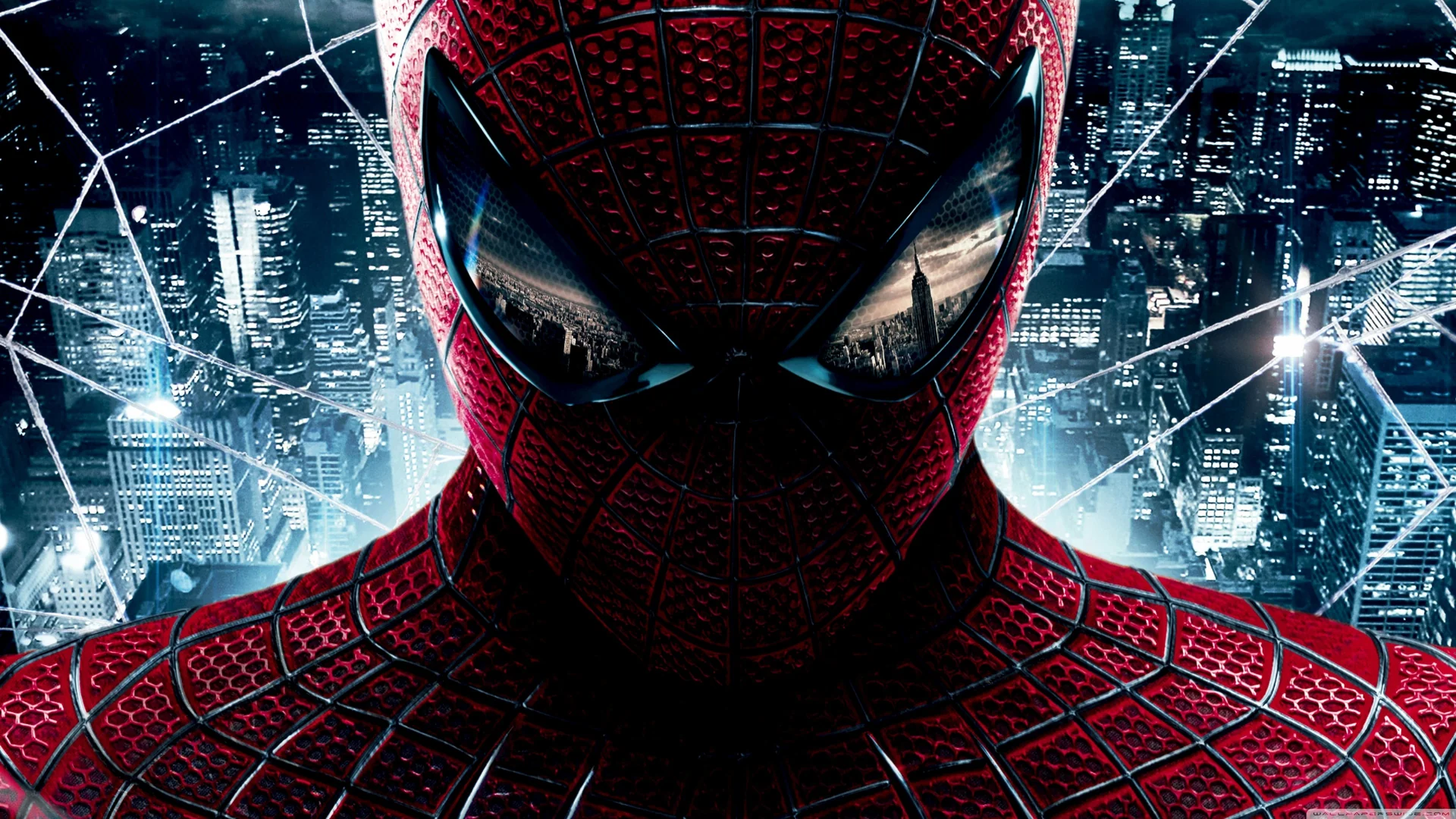
“We are what we pretend to be, so we must be careful about what we pretend to be.” — Kurt Vonnegut
When The Amazing Spider-Man swung into theaters in 2012, it arrived with a peculiar baggage: the ghost of a beloved trilogy still fresh in the cultural consciousness. Critics and audiences alike were understandably wary, if not outright resistant, to a reboot so soon after Sam Raimi’s definitive take. The film, directed by Marc Webb, was met with a rather divided reception—landing a decent but not stellar 71% on Rotten Tomatoes, with many echoing the sentiment that it felt like an “unnecessary re-tread” of an origin story we’d just seen. Yet, despite its narrative stumbles and the undeniable feeling of déjà vu for some, this iteration of Peter Parker’s journey inadvertently spun a compelling philosophical web around themes of identity, legacy, and the isolating burden of choice.
The Inherited Self: A Quest for Origin
At its core, The Amazing Spider-Man is less about a superhero origin and more about a young man’s deeply personal quest for self-knowledge. Peter Parker (Andrew Garfield) isn’t just trying to figure out how to use his new powers; he’s grappling with the gaping void left by his absent parents. Their disappearance isn’t merely a plot device; it’s the existential wound that drives him. He’s an outcast, abandoned, trying to piece together a fragmented past to understand his present. This isn’t just a high schooler’s angst; it’s a profound search for ontological grounding.
The film posits that our identities are not solely self-created but are profoundly shaped by those who came before us. Peter’s father’s mysterious briefcase, his connection to Oscorp and Dr. Curt Connors, these aren’t just clues to a superhero narrative. They are fragments of a personal mythology that Peter feels compelled to complete. Critics, while often praising Garfield’s portrayal of a more angsty, cerebral Peter, sometimes found this “untold story” aspect convoluted. But philosophically, it highlights a universal human struggle:
- The burden of inheritance: Not just genetic, but intellectual, emotional, and historical.
- The search for meaning: Peter’s powers become intertwined with his family’s past, blurring the lines between destiny and accident.
- The construction of self: Can we truly be ourselves if we don’t understand our origins?
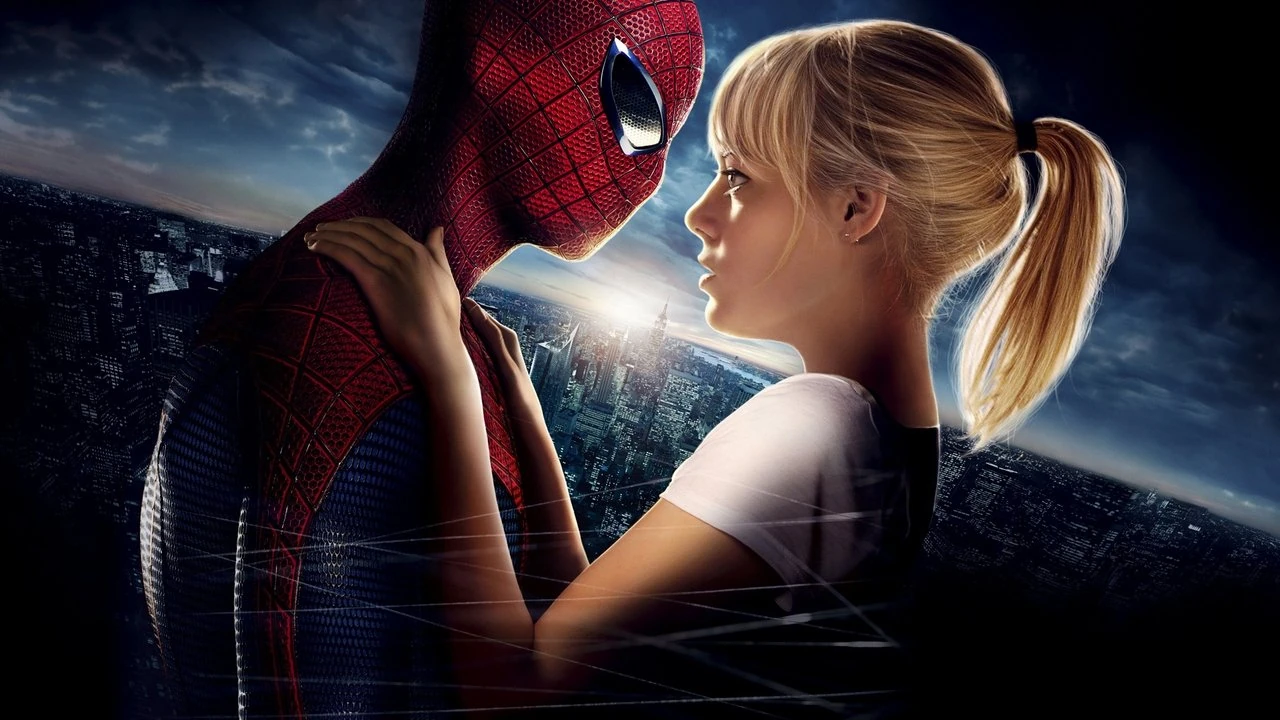 Peter Parker, a lone figure in a vast city, grappling with the weight of his past and an uncertain future.
Flaws and Illuminations: The Human Condition Under Pressure
Where The Amazing Spider-Man truly shone, and where its philosophical underpinnings felt most authentic, was in its character dynamics, particularly the electrifying chemistry between Andrew Garfield’s Peter and Emma Stone’s Gwen Stacy. Critics widely celebrated their performances and their genuine, often awkward, romance. This relationship provided a vital anchor, contrasting the messy plot with moments of raw human connection. It’s in these interactions that Peter’s vulnerability and his struggle to balance his burgeoning heroic identity with his desire for normalcy are most palpable.
The real challenge of heroism isn’t just in wielding power, but in navigating the profound loneliness that often accompanies it, especially when trying to protect those you love.
However, the film’s weaknesses are undeniable, particularly its pacing, which many viewers found uneven, and a somewhat underdeveloped antagonist in The Lizard (Rhys Ifans). While Connors’ transformation into The Lizard raises compelling questions about the dangers of unchecked scientific ambition and the human desire for self-perfection, his arc felt rushed and less impactful than Peter’s personal journey. This disparity between a compelling protagonist and a weaker antagonist often left audiences wanting. It’s a classic ethical dilemma: does the pursuit of what we perceive as betterment justify the potential for monstrous consequences? Connors’ internal conflict between his intellect and his reptilian instincts mirrors Peter’s own struggle to control his powers, but without the narrative depth, it loses some of its philosophical punch.
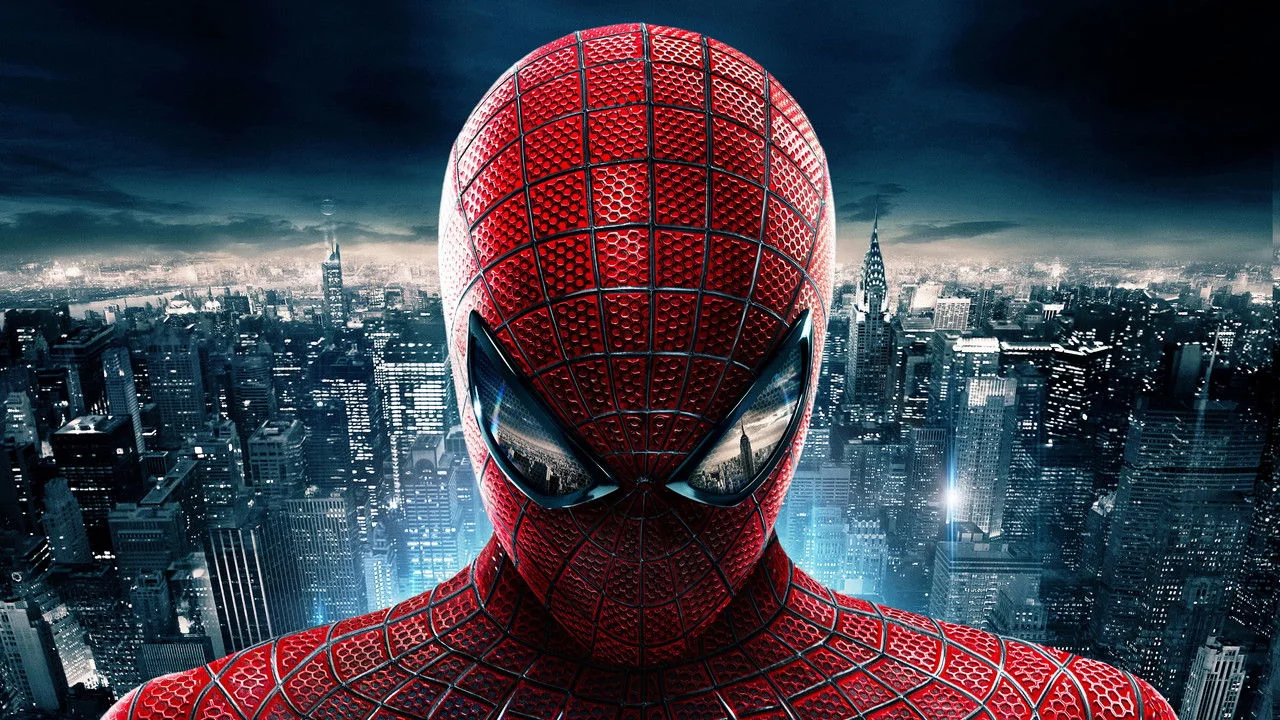 The tender, vulnerable connection between Peter and Gwen, a fleeting solace amidst the chaos of his dual life.
Beyond the Surface: The Existential Weight of a Mask
Despite its narrative missteps and the criticism of its rehashed origin, The Amazing Spider-Man forces us to confront deeper existential questions. Peter’s choices—to embrace his powers, to pursue his father’s legacy, to don the mask—are not simply plot points; they are acts of self-definition. He doesn’t just become Spider-Man; he chooses to embody that role, even as it isolates him from the very people he wishes to protect. The film subtly explores the idea of existential freedom—the terrifying realization that we are condemned to be free, to make choices for which we alone are responsible, without a pre-ordained script.
- The paradox of identity: Is Peter more “himself” as Peter Parker or as Spider-Man? The mask is both a shield and a revelation.
- The ethics of power: How does one wield immense power responsibly, especially when personal vengeance (for Uncle Ben’s death) initially fuels it?
- The price of heroism: The film doesn’t shy away from the heavy toll of Peter’s choices, particularly the danger it puts Gwen in, making his struggle feel more grounded and human.
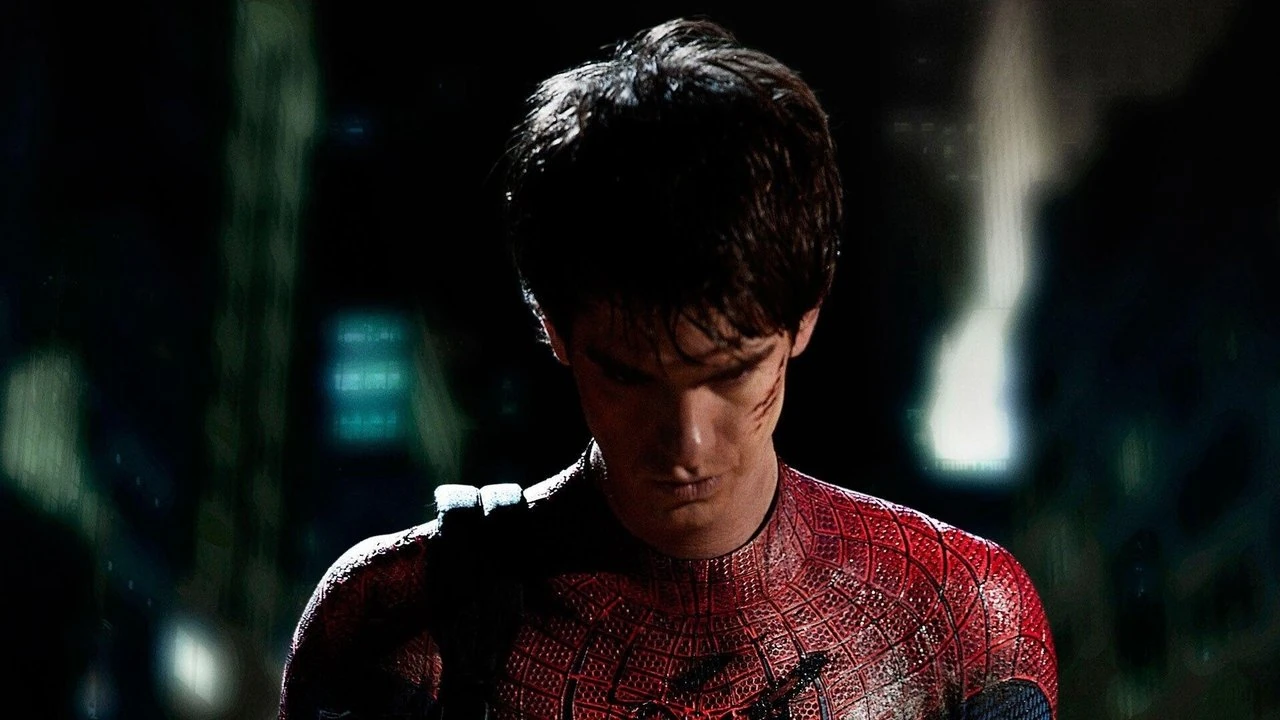 Spider-Man, silhouetted against the city, a symbol of hope and a solitary burden.
In The Amazing Spider-Man, the tragic irony lies in Peter’s relentless search for his parents’ past, only to find that his true legacy is forged in the present, through choices that condemn him to a life of solitary responsibility.
The Amazing Spider-Man might not have been the universally acclaimed successor many hoped for, and its critical legacy remains mixed, often overshadowed by its predecessor and subsequent iterations. Yet, for all its flaws—the uneven pacing, the divisive decision to reboot, the occasionally thin villain—it remains a fascinating text for philosophical exploration. It’s a film about a young man not just finding his powers, but finding himself in the shadow of a past he never fully knew, and making the impossible choices that define him. It asks us to consider how much of who we are is inherited, how much is chosen, and what the true cost of becoming a hero really is.
Where to Watch
- Disney Plus
- fuboTV
- HBO Max
- HBO Max Amazon Channel
- YouTube TV
What’s Up? explores the philosophical depths of cinema.