The Amazing Spider-Man 2: The Weight of Promise and the Echo of Loss
A philosophical look at The Amazing Spider-Man 2, exploring its critical reception, the burden of promises, and the profound impact of loss on identity.
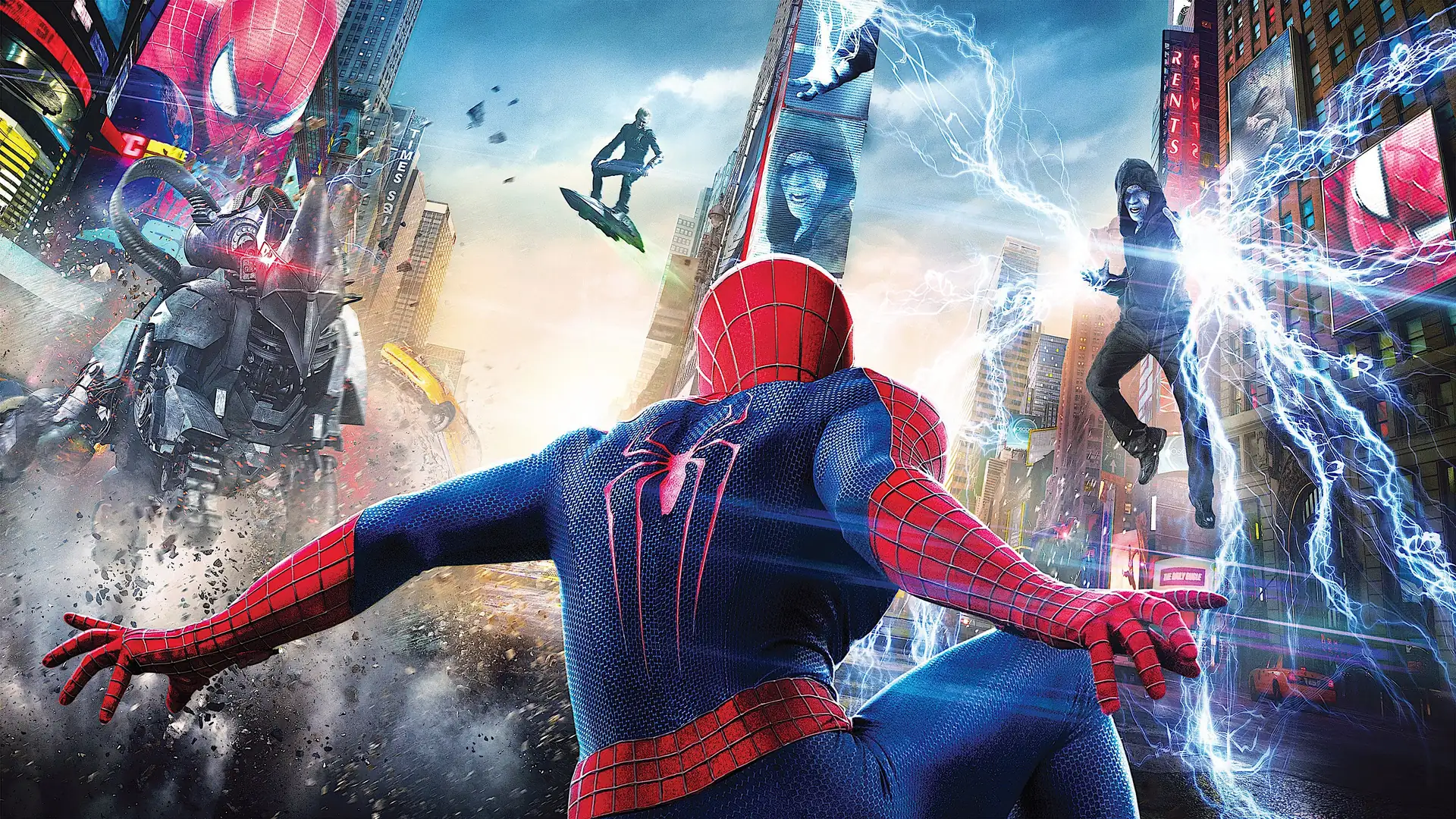
“We are condemned to be free.” — Jean-Paul Sartre
The Amazing Spider-Man 2 arrived in 2014 with a significant weight on its shoulders. It was meant to catapult Sony’s Spider-Man universe into a sprawling cinematic future, but for many, it buckled under the strain. Critics were largely unenthusiastic, with the film landing a rather middling 52% on Rotten Tomatoes and a 53/100 on Metacritic. The common refrain? A cluttered narrative, too many villains, and an overt focus on setting up sequels rather than telling a coherent, compelling story. And honestly, it’s hard to fully disagree with that assessment. Yet, beneath the tangled web of plot threads and studio machinations, there pulsates a deeply human, if tragically executed, exploration of choice, consequence, and the crushing burden of a promise kept imperfectly.
The Promise, The Paradox, The Pain
Marc Webb, a director with a flair for character intimacy, found himself at the helm of a blockbuster that yearned for both emotional depth and explosive spectacle. The core of The Amazing Spider-Man 2 isn’t the flashy CGI or Jamie Foxx’s over-the-top Electro; it’s the fragile, electric relationship between Peter Parker (Andrew Garfield) and Gwen Stacy (Emma Stone). Peter made a promise to Captain Stacy to keep Gwen safe by staying away from her, a pledge he finds impossible to uphold due to their undeniable connection. This single thread, woven through the film, serves as its philosophical anchor.
Here we witness the paradox of commitment: Peter wants to protect Gwen, which logically means distancing himself. But his love for her is so profound, so necessary for his own well-being, that he cannot. He’s trapped between a rational vow and an irrational, irresistible pull. This isn’t just a superhero dilemma; it’s a universal human struggle with conflicting desires and the ethical quandaries they present. He knows the danger he brings, yet he cannot sever the tie that gives him so much joy. Critics often lamented the film’s uneven pacing and its attempts to juggle too many narrative balls, but this central internal conflict for Peter—this agonizing push and pull—was, for me, the most potent and relatable aspect. It highlights how even the purest intentions can lead to unforeseen, devastating outcomes when confronted with the messy reality of human emotion.
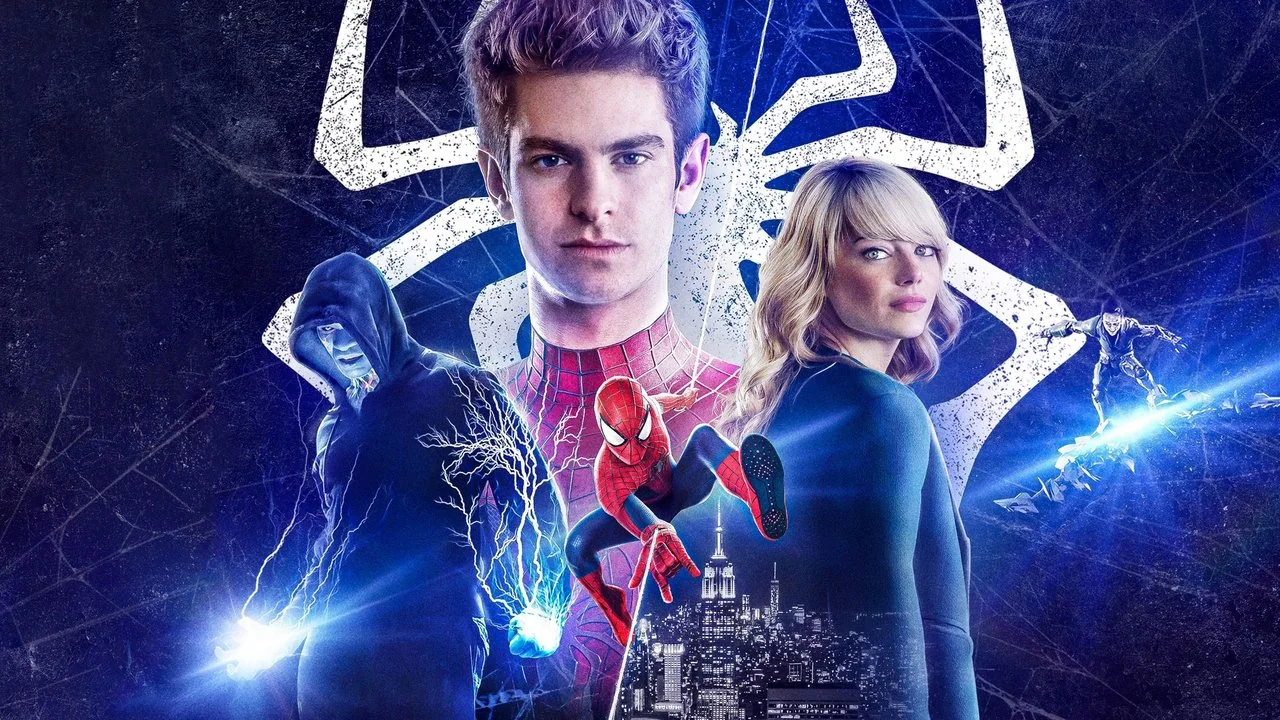 Peter Parker (Andrew Garfield) and Gwen Stacy (Emma Stone) share a moment, their chemistry a highlight amidst the film’s chaos.
What Works, What Doesn’t: A Tale of Two Films
The critical consensus, and indeed many audience reactions, pinpointed the film’s structural weaknesses. The introduction of Electro feels rushed, his transformation from a shy, obsessed fan (Max Dillon) to a vengeful supervillain lacking the nuanced build-up necessary to make him truly menacing or sympathetic. Dane DeHaan’s Harry Osborn, while offering a different take on the character, also suffers from a breakneck pace, transforming from Peter’s returning friend to the Green Goblin in what feels like a blink-and-you-miss-it sequence. These elements contribute to the feeling that The Amazing Spider-Man 2 is less a cohesive story and more a collection of disparate parts, each jostling for screen time to set up future installments.
The film’s greatest strength, however, lay in its most vulnerable core: the undeniable, sparkling chemistry between Andrew Garfield and Emma Stone. Their scenes together are an oasis of genuine emotion in a desert of cluttered plotting, reminding us that even within the most flawed narratives, authentic human connection can shine through.
Garfield’s Spider-Man is often praised for capturing the angst and wit of the character, particularly his struggle with the immense responsibility. But it’s his dynamic with Stone’s Gwen that truly elevates the film’s emotional stakes. Their witty banter, their heartfelt confessions, and their shared anxieties ground the fantastical elements in something deeply relatable. This emotional resonance is what makes the film’s climax so gut-wrenching. Despite the narrative missteps and the often-maligned attempts at universe-building, the central romance delivers a punch that few other superhero films manage. It dares to explore the personal cost of heroism beyond mere physical injury.
 Electro (Jamie Foxx) unleashes his powers, a visually striking but narratively underdeveloped villain.
Beyond the Surface: The Existential Echo of Irreversible Loss
For all its flaws, The Amazing Spider-Man 2 grapples with profound existential questions, primarily through the lens of grief and the irreversibility of loss. The climax, involving Gwen Stacy’s death, remains one of the most impactful and devastating moments in superhero cinema. It’s a bold, heartbreaking choice that honors the comic book source material and thrusts Peter Parker into an abyss of sorrow. This event isn’t just a plot point; it’s a philosophical statement on the limits of power, the fragility of life, and the brutal reality that some promises, no matter how earnestly made, cannot prevent tragedy.
The film forces us to confront the idea that even with extraordinary abilities, some things are simply beyond our control. Peter Parker, with all his strength and speed, cannot outrun fate or the consequences of his chosen path. This pushes him into a deeper understanding of his own humanity, his vulnerabilities, and the profound, enduring pain that comes with loving another person so completely. It asks: What does it mean to be a hero when your greatest failure is preventing the loss of the one you love most? It’s a question that resonates far beyond the confines of a comic book film, touching upon the universal experience of loss and the search for meaning in its aftermath. The film’s final act, though somber, attempts to show Peter’s eventual, painful resurgence, hinting at the long and arduous journey of healing.
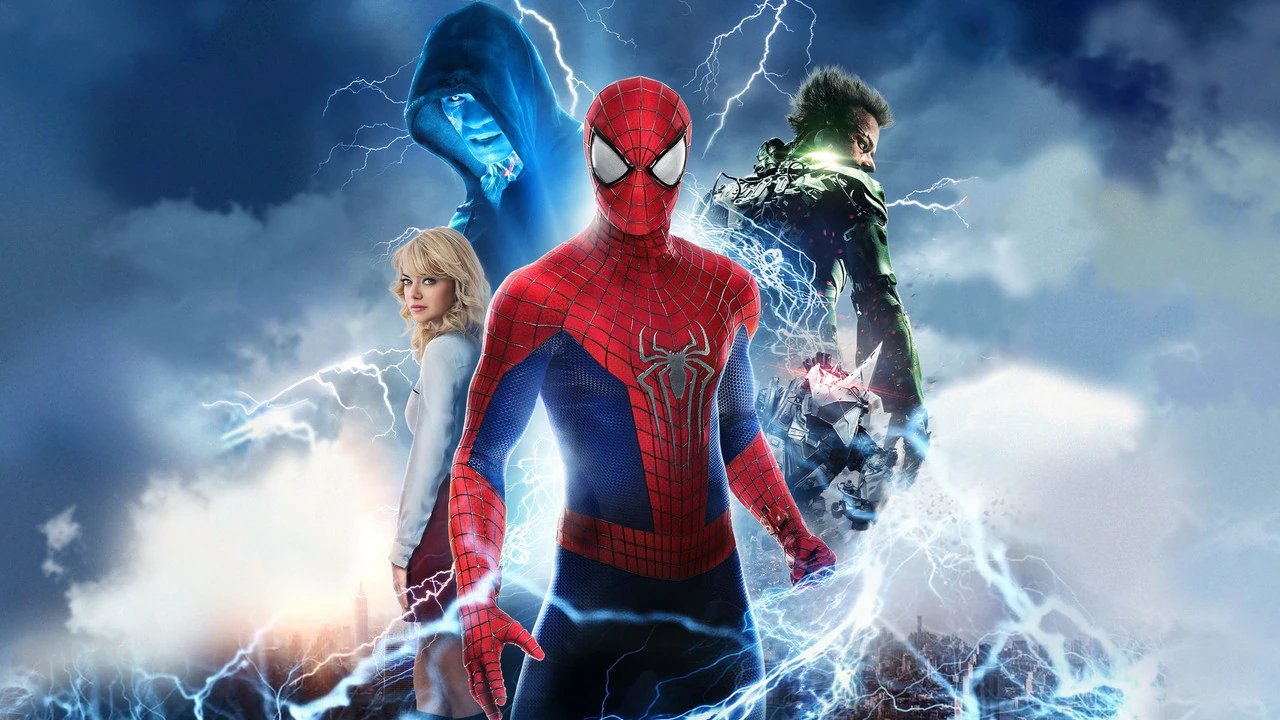 Spider-Man, silhouetted against a dramatic sky, carries the weight of his choices and a profound loss.
“To suffer and to struggle, to find joy in sorrow, and to rise again from the depths of despair – that is the essence of the human spirit. But the wounds, they linger.”
While The Amazing Spider-Man 2 is undeniably a flawed film, often tripping over its own ambitions, its willingness to delve into the raw, unvarnished pain of loss and the relentless burden of a hero’s choices gives it a unique philosophical weight. It might be remembered by many for its cluttered plot or its attempts to force a cinematic universe, but for those willing to look deeper, it offers a poignant, if imperfect, meditation on love, sacrifice, and the enduring echo of promises broken by fate. It asks us to consider not just the victories of our heroes, but the devastating price they often pay, forcing us to confront the bitter truth that even the most amazing among us cannot save everyone.
What does it truly mean to carry the weight of the world, only to find yourself powerless to save the one person who means the world to you?
Where to Watch
- Disney Plus
- fuboTV
- HBO Max
- HBO Max Amazon Channel
- YouTube TV
What’s Up? explores the philosophical depths of cinema.