The Good, The Bad, and The Spirit: What a 'Very Bad Holiday' Teaches Us About Virtue
A philosophical look at The Bad Guys: A Very Bad Holiday, exploring themes of performative virtue, collective belief, and the complex nature of redemption in a holiday special.
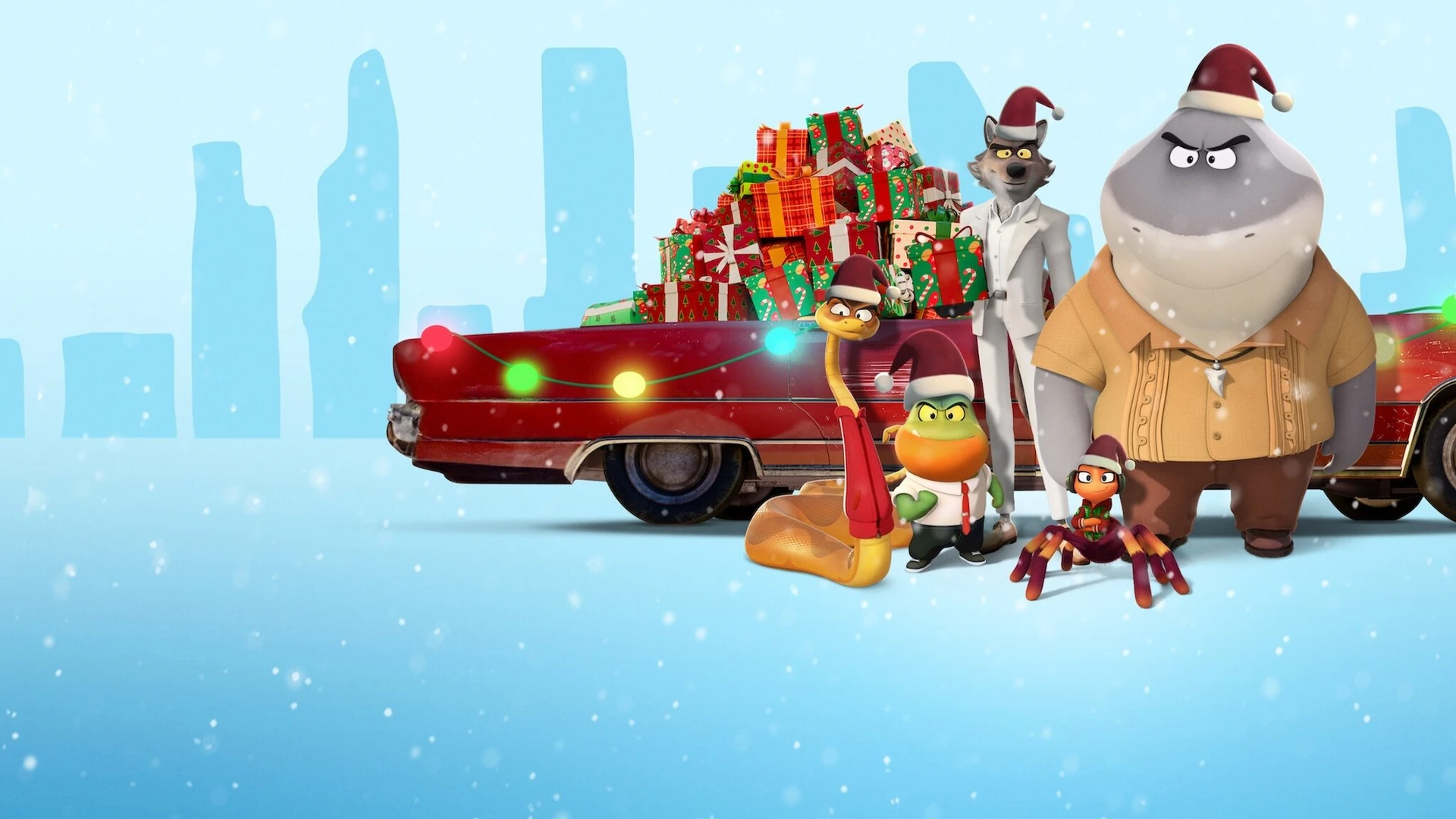
“We are what we pretend to be, so we must be careful about what we pretend to be.” — Kurt Vonnegut
There’s something inherently charming about a story that asks its protagonists to betray their very nature for the greater good. Or, in the case of The Bad Guys: A Very Bad Holiday, to betray their badness to save the good. This 22-minute animated special, released in 2023, isn’t a grand cinematic statement; it’s a brisk, festive caper designed to extend the popular universe of The Bad Guys. And let’s be honest, it largely succeeds at being a fun, family-friendly watch. Critical reception, if one can even call it that for a short film mostly reviewed by audiences, leans towards the positive, with IMDb users often praising its humor and heartwarming message. However, as a film philosopher, I can’t help but dig a little deeper, because even a lighthearted holiday heist can inadvertently illuminate profound truths about virtue, identity, and the often-fuzzy line between self-interest and altruism.
The Paradox of Performative Virtue
The premise is delightfully simple: Mr. Wolf and his crew, dedicated to their “annual Holiday Heist-tacular,” find their plans thwarted when the city’s Christmas spirit mysteriously wanes. To ensure their heist goes off without a hitch (after all, how do you rob a city that’s too depressed to notice?), they must restore said spirit. This creates an immediate philosophical tension. Are they doing good because they’ve genuinely turned a new leaf, or because it’s a necessary step to achieve their selfish ends?
This tension brings us face-to-face with the age-old debate between consequentialism and deontology. From a purely consequentialist perspective, their actions—even if motivated by a desire to facilitate a heist—result in a positive outcome: the city’s Christmas spirit is revived. People are happier, communities are re-engaged. Does the why truly matter if the what is beneficial? Yet, our intuitive sense of morality often leans towards deontology, suggesting that the intention behind an action is paramount. A truly good deed, we might argue, must stem from a pure heart, not a calculating mind.
The Bad Guys: A Very Bad Holiday playfully navigates this grey area. The crew, voiced by a slightly different but still engaging cast (Michael Godere, Ezekiel Ajeigbe, Raul Ceballos, Chris Diamantopoulos, and Mallory Low stepping into the roles), don’t suddenly become paragons of virtue. They retain their mischievous charm, their quick wit, and their underlying “bad guy” instincts. Their efforts to spread cheer often involve slapstick, shortcuts, and a healthy dose of their signature chaotic energy. This transactional approach to spreading cheer, though undeniably amusing, subtly asks us to consider: can genuine spirit be manufactured, or even coerced, through self-serving acts?
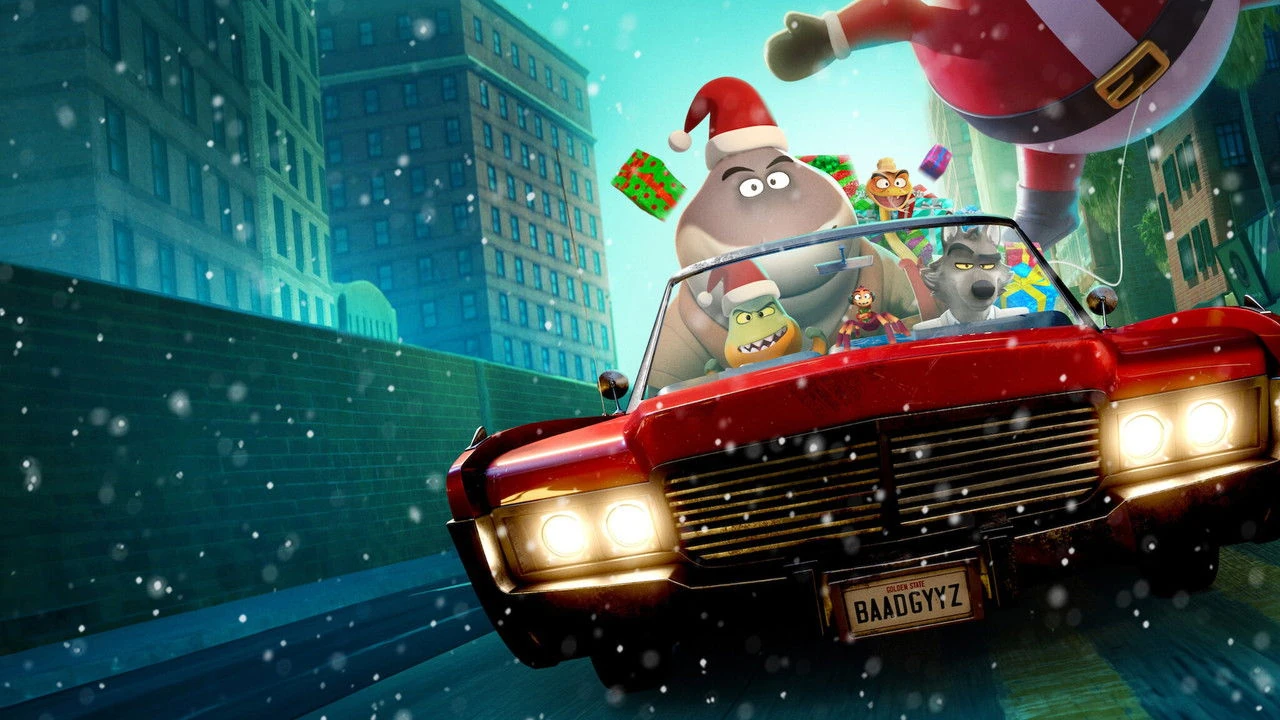 Mr. Wolf, with a mischievous grin, seemingly caught in an act of (reluctant) kindness.
The Collective Illusion of Spirit
What exactly is “Christmas spirit” in the context of this film? It’s depicted almost as a tangible, measurable force, something that can rise and fall, be lost and found. When it’s low, the city becomes a dreary, unenthusiastic place. When it’s restored, joy and festivity return. This concept invites us to ponder the nature of collective belief and its power to shape reality.
The very fabric of a shared experience, like a holiday, often relies less on objective truth and more on the collective agreement to believe in something beautiful, something hopeful. When that agreement wavers, so too does the experience itself.
The Bad Guys aren’t just performing good deeds; they are actively orchestrating a resurgence of belief. They’re not just giving gifts; they’re creating scenarios that make people feel the holiday spirit. This could be seen as manipulative, a kind of benign deception, or it could be viewed as a profound commentary on the social construction of reality. Many of our most cherished traditions and emotional states are, in essence, shared illusions we collectively uphold. The film, in its brevity, posits that perhaps the act of creating the conditions for spirit is just as important as the spirit itself spontaneously arising. It’s a pragmatic, almost utilitarian view of holiday joy: if you want it, you might just have to go out and make it happen.
Some audience members on IMDb noted the special’s fast pace, which, while keeping the energy high, means it doesn’t linger on these deeper questions. The narrative zips along, prioritizing comedic beats over contemplative moments. And honestly, for a 22-minute holiday short, that’s entirely understandable. But even in its rush, the film presents this fascinating dynamic where the ‘bad guys’ become the unlikely architects of a widespread, albeit constructed, joy.
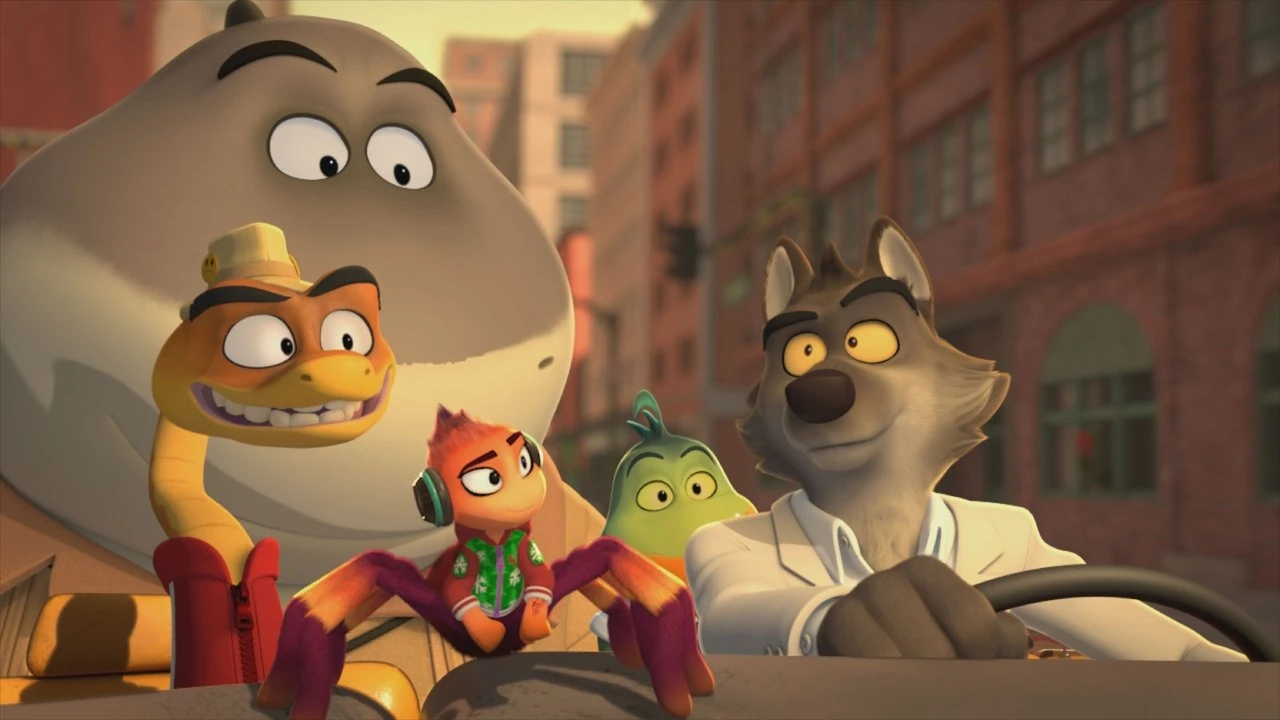 The Bad Guys team, looking somewhat overwhelmed, surrounded by festive decorations.
Identity, Redemption, and the Unending Becoming
Perhaps the most enduring philosophical question The Bad Guys: A Very Bad Holiday implicitly asks is about identity. Can a “bad guy” ever truly stop being bad? The original movie explored this with more depth, but the special continues the thread. Our protagonists, though seemingly reformed, cling to their “bad guy” persona and their heist traditions. Yet, their actions, however motivated, continually push them towards positive social outcomes.
This mirrors an existential dilemma: are we defined by our past actions, our labels, or by our capacity for change in the present? Jean-Paul Sartre’s notion that existence precedes essence suggests we are not born with a fixed nature but define ourselves through our choices and actions. The Bad Guys, even when planning a heist, are choosing to engage with the world in a way that ultimately benefits it. Is this their new essence? Are they “bad guys who do good for bad reasons,” or are they slowly, perhaps unconsciously, becoming “good guys who just happen to be good at being bad”?
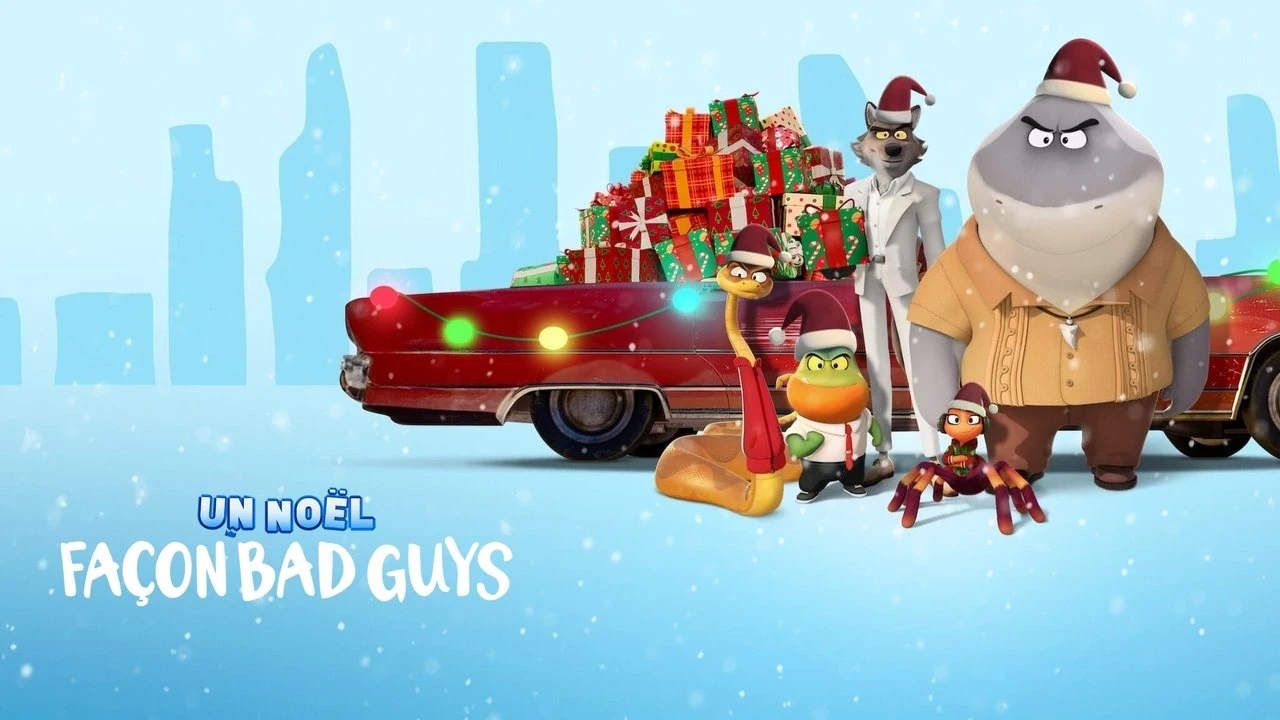 A warm, inviting scene of the city during the holidays, twinkling with lights and a sense of community.
The danger isn’t that they remain bad, but that we, as observers, become complacent in categorizing them, thus denying their potential for genuine transformation. The holiday cheer they restore might just be a mirror reflecting their own slowly evolving souls.
Ultimately, The Bad Guys: A Very Bad Holiday is a light, entertaining festive treat. It doesn’t aim for the profound, and its narrative, while charming, is straightforward. Critics, had they formally reviewed it, might have pointed to its brevity limiting its emotional impact or its reliance on the established characters to carry the story. However, even within its limited scope and undeniable flaws as a deep narrative, it serves as a fascinating lens through which to examine our own understanding of goodness, the power of collective illusion, and the constant, often messy, journey of self-definition. It reminds us that sometimes, even “bad guys” can inspire the best in us, even if they’re just trying to get away with a really big Christmas haul.
Where to Watch
- Netflix
- Netflix Standard with Ads
What’s Up? explores the philosophical depths of cinema.