The Phantom of Self: Jason Bourne and the Philosophy of Unknowing
Exploring The Bourne Identity's existential themes, the nature of self, and the challenge of choosing who you are when your past is a void.
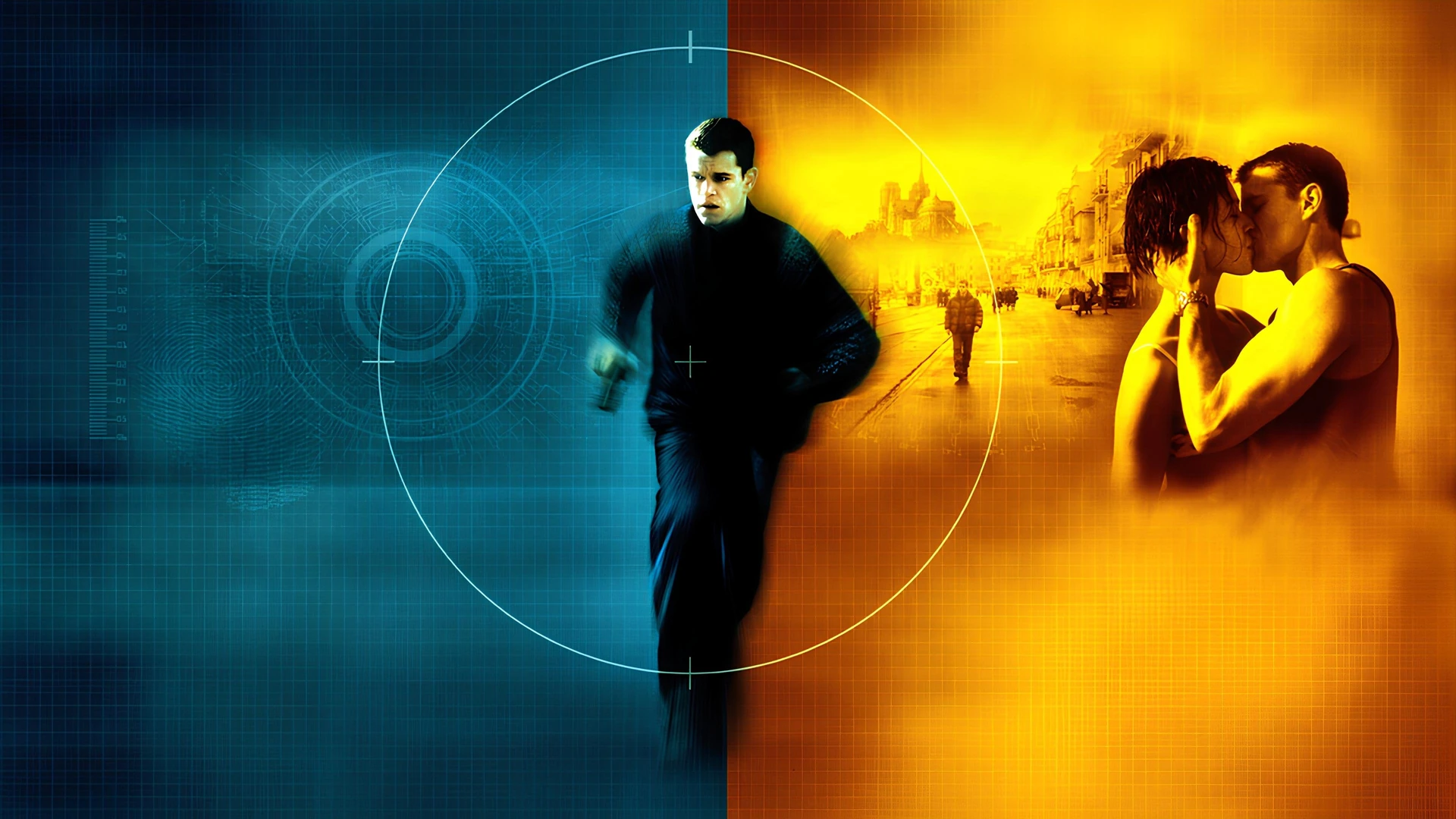
“We are condemned to be free.” — Jean-Paul Sartre
The Bourne Identity, released in 2002, wasn’t just another action thriller; it was a jolt to the system. On the surface, it’s a propulsive, stylish spy film that redefined a genre often mired in gadgetry and glamour. But beneath the expertly choreographed fight scenes and the relentless pursuit, director Doug Liman, working with a script that adapted Robert Ludlum’s novel, tapped into something far more existential and unsettling. While critics largely embraced its gritty realism and Matt Damon’s grounded performance—landing it a “Certified Fresh” 84% on Rotten Tomatoes and a “generally favorable” 68 on Metacritic—the film’s true resonance lies not just in what it does, but in what it asks. It’s a film about a man without a past, and in that void, it forces us to confront the very architecture of self.
The Unwritten Self: Amnesia and Authenticity
From the moment Jason Bourne is pulled from the Mediterranean, riddled with bullet holes and devoid of memory, the film plunges us into a profound philosophical dilemma. What happens when your identity is stripped away? Your name, your history, your allegiances—all gone. All that remains is a body that remembers how to kill with alarming efficiency, and a deep, unsettling sense of having done terrible things. This isn’t just a convenient plot device; it’s a direct challenge to our understanding of personal identity.
Is identity defined by our memories, our experiences? Or is it something more fluid, something we continually construct through our choices? Bourne, initially a blank slate, is forced into a radical act of self-creation. He doesn’t know who he was, but he grapples with who he wants to be now. This struggle for authenticity in the face of a terrifying, unknown past becomes the film’s driving philosophical engine.
While some critical voices, even amidst the praise, occasionally noted that the narrative could feel a touch convoluted or reliant on convenient coincidences to drive the plot forward, these structural quibbles often fade when viewed through a philosophical lens. The convenience of a Swiss bank account number, for instance, becomes less about narrative neatness and more about the arbitrary threads that begin to weave a new, terrifying tapestry of self.
- Memory as Foundation: The film posits memory as a fragile, yet fundamental pillar of selfhood. Without it, Bourne is adrift.
- The Body Remembers: His innate skills suggest a pre-conscious identity, a deeply ingrained set of behaviors that predate his amnesia. This raises questions about nature vs. nurture, and whether some aspects of self are hardwired.
- Radical Freedom: Stripped of his past, Bourne is theoretically free to become anyone. Yet, his skills dictate a terrifying path, suggesting freedom is always constrained by inherent capabilities or past conditioning.
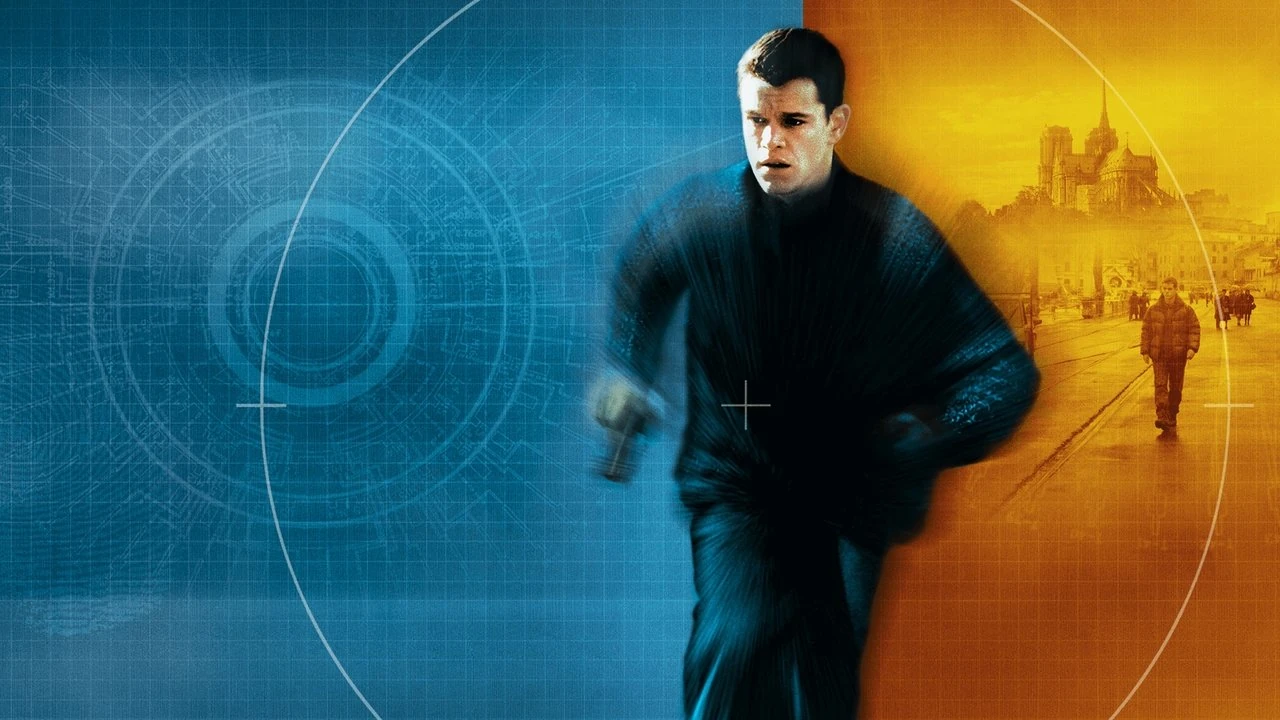 A bewildered Jason Bourne, the blank slate of his present contrasting with the phantom weight of his past.
The Visceral and the Vague: Balancing Action with Inquiry
The Bourne Identity earned its stripes by fundamentally altering the landscape of the spy thriller. Gone was the polished, almost balletic violence of previous eras, replaced by a raw, handheld, and intensely visceral approach to action. Doug Liman’s direction, particularly in the car chase through Paris and the apartment fight sequences, felt gritty and immediate, pulling audiences into the chaos. This realism was widely lauded by critics, who praised its departure from convention and Damon’s convincing portrayal of a reluctant, yet deadly, hero.
The real genius of The Bourne Identity lies not just in its kinetic energy, but in how that energy serves a character’s desperate quest for self-knowledge, rather than merely spectacle. It elevates the genre beyond mere escapism.
However, even the best films have their points of contention. Some viewers and critics, while appreciating the stylistic shift, occasionally felt that the emotional depth, particularly beyond Bourne’s immediate plight, could have been further explored. Franka Potente’s Marie, while a crucial anchor for Bourne’s humanity, sometimes felt like a functional rather than fully fleshed-out character in some assessments. The rapid-fire pacing, while exhilarating, also meant that some of the deeper moral ambiguities of Bourne’s past life were hinted at rather than fully dissected in this first installment. The film doesn’t linger on the implications of his former actions as much as it focuses on his reaction to discovering them. This isn’t necessarily a flaw, but a stylistic choice that prioritizes momentum over prolonged introspection, leaving some philosophical avenues less explored in favor of narrative drive.
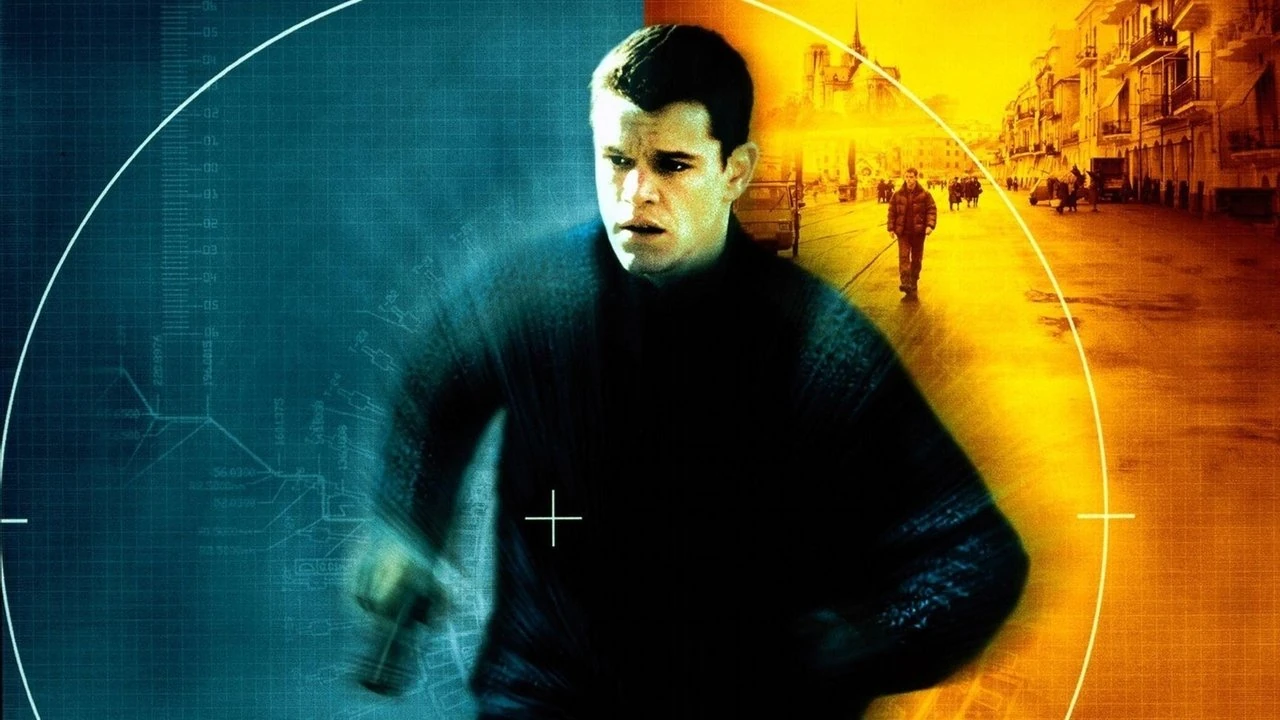 The tense, intimate chaos of a Bourne fight sequence, where survival is both instinct and a choice.
Beyond the Program: Reclaiming Agency
What truly elevates The Bourne Identity beyond its genre trappings is its unwavering focus on agency. Bourne isn’t just running from assassins; he’s running from a life he didn’t choose, a life forced upon him by a shadowy organization. His journey is a powerful metaphor for the individual’s struggle against systemic control and the existential burden of freedom. He doesn’t want to be the weapon he was trained to be; he wants to be human.
This struggle for self-determination forces him to confront profoundly uncomfortable truths. His skills, which save him repeatedly, are also stark reminders of his horrific past. Can one truly escape their nature, or merely repurpose it? Bourne’s choice to abandon his former life, even without knowing its full extent, is a powerful act of moral rebellion. He doesn’t just want to know who he is; he wants to decide who he will be. This is a crucial distinction, highlighting the active role we play in shaping our future selves, even when our past is a terrifying unknown.
The film dares to ask: If your very identity is a manufactured construct, a “program,” can you ever truly break free? Or are you forever bound by the inherent capabilities and dispositions instilled in you? Bourne’s journey suggests that while the past may dictate our skills, our future is defined by our ethical choices and our capacity for empathy—qualities that emerge from his interaction with Marie, rather than his training.
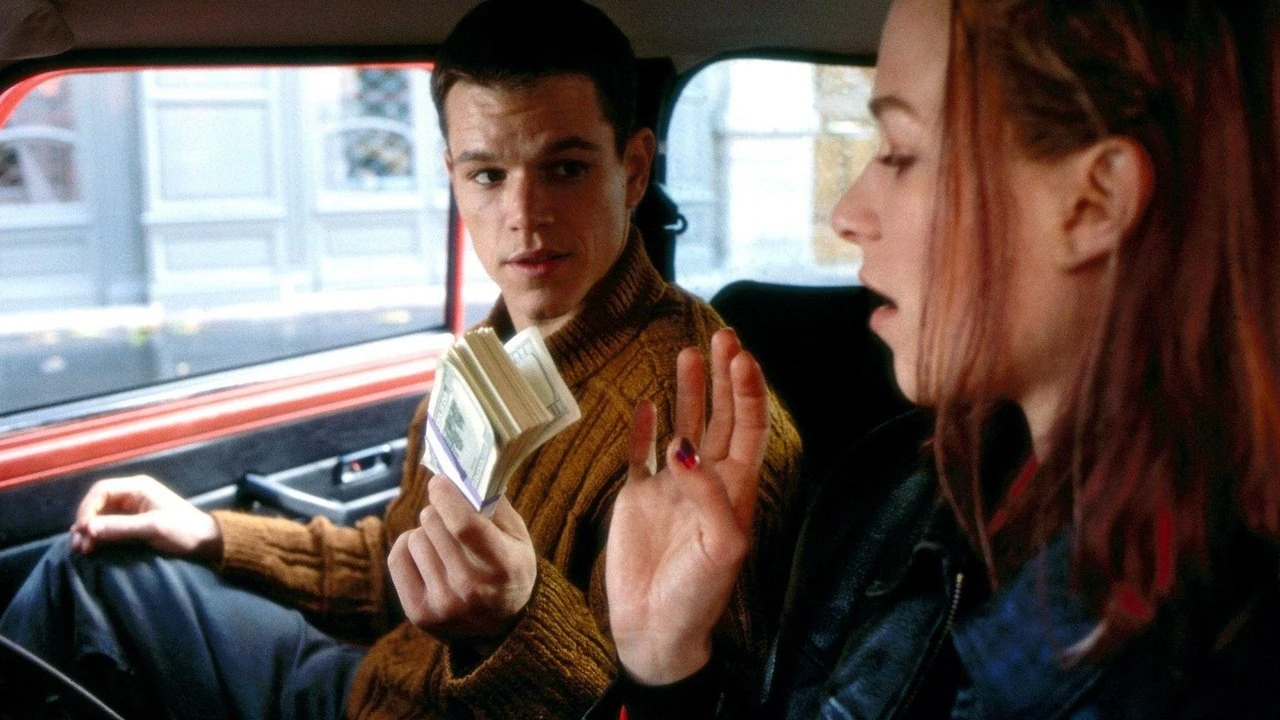 Bourne and Marie, finding a fleeting moment of connection amidst the relentless pursuit, symbolizing humanity’s anchor in a chaotic world.
The most terrifying realization isn’t always what you’ve done, but what you’re capable of doing. And the true test of humanity is in choosing to resist that capability.
The Bourne Identity isn’t a perfect film—no film truly is. Some might find its initial narrative a bit too reliant on the amnesia trope, or the ultimate reveal of his handlers a touch less satisfying than the journey itself. Yet, its imperfections are overshadowed by its groundbreaking impact on action cinema and, more importantly, its enduring philosophical resonance. It forces us to peer into the abyss of unknowing, to question the very bedrock of our identity, and to consider the profound weight of choice when faced with a past we can’t remember and a future we must bravely forge. What kind of person would you choose to be if your slate were wiped clean, but your hands still knew how to kill?
What’s Up? explores the philosophical depths of cinema.