The Boys – When Superheroes Become the Existential Threat
Exploring the philosophical depths of The Boys (2019), a series that deconstructs heroism, power, and the terrifying banality of corporate evil.
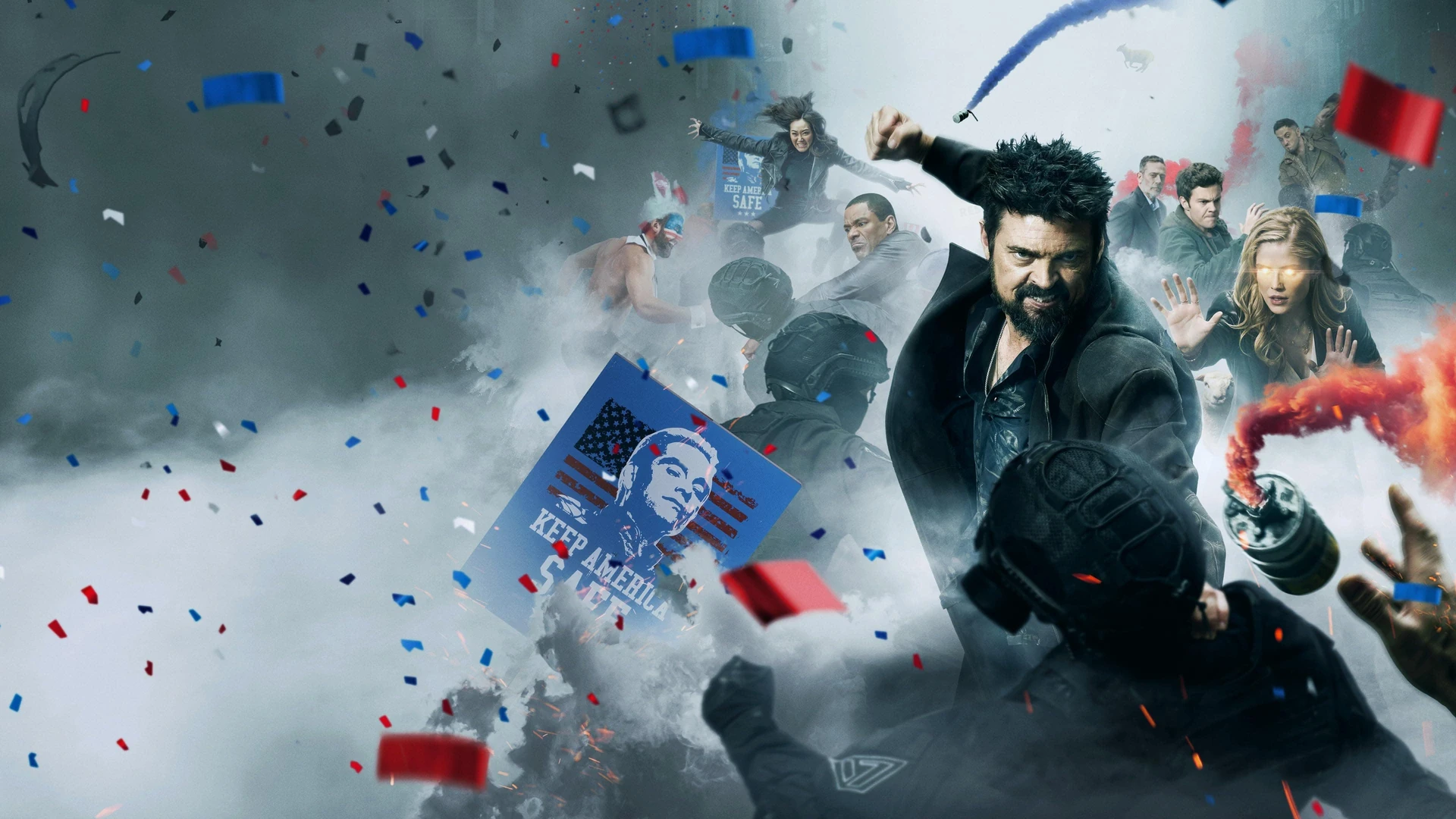
“Power tends to corrupt, and absolute power corrupts absolutely.” — Lord Acton
When The Boys burst onto our screens in 2019, it wasn’t just another superhero show; it was a visceral, no-holds-barred gut punch to the genre itself. This Amazon Prime Video series, with its gritty aesthetic and unflinching brutality, quickly garnered significant critical acclaim, boasting an impressive 87% on Rotten Tomatoes for its inaugural season. Critics lauded its subversive take on caped crusaders, its dark humor, and its willingness to engage with heavy social commentary without pulling any punches. Yet, for all its praise, The Boys also ignited debate, with some viewers finding its relentless gore gratuitous and its cynical worldview, at times, overwhelming. But beneath the blood-splattered surface and the biting satire lies a profound philosophical inquiry into power, morality, and the terrifying banality of corporate evil.
The Myth of the Hero and the Weight of Unchecked Power
The Boys doesn’t just deconstruct the superhero myth; it incinerates it, then grinds the ashes into a fine powder to snort. It forces us to confront a world where the most powerful beings are not benevolent guardians but corporate assets, driven by ego, PR, and profit. Vought International, the omnipresent corporation managing these “Supes,” is arguably the series’ most insidious villain, embodying the dehumanizing force of capitalism weaponized.
The show masterfully portrays how absolute power doesn’t just corrupt; it isolates, distorts, and ultimately creates monsters. Homelander, played with chilling perfection by Antony Starr, is the terrifying embodiment of this truth. He’s Superman stripped of his moral compass, a narcissistic demigod whose fragile ego makes him a perpetual existential threat. This isn’t a story about good versus evil in the traditional sense; it’s about the struggle against a system that has co-opted the very idea of good, packaging it for mass consumption while hiding its rotten core.
Key themes to explore:
- Deification of celebrity — how public perception can be manipulated to mask monstrous actions.
- Corporate culpability — the dangerous intersection of power, profit, and unethical control.
- The nature of heroism — is it an inherent quality, or merely a construct?
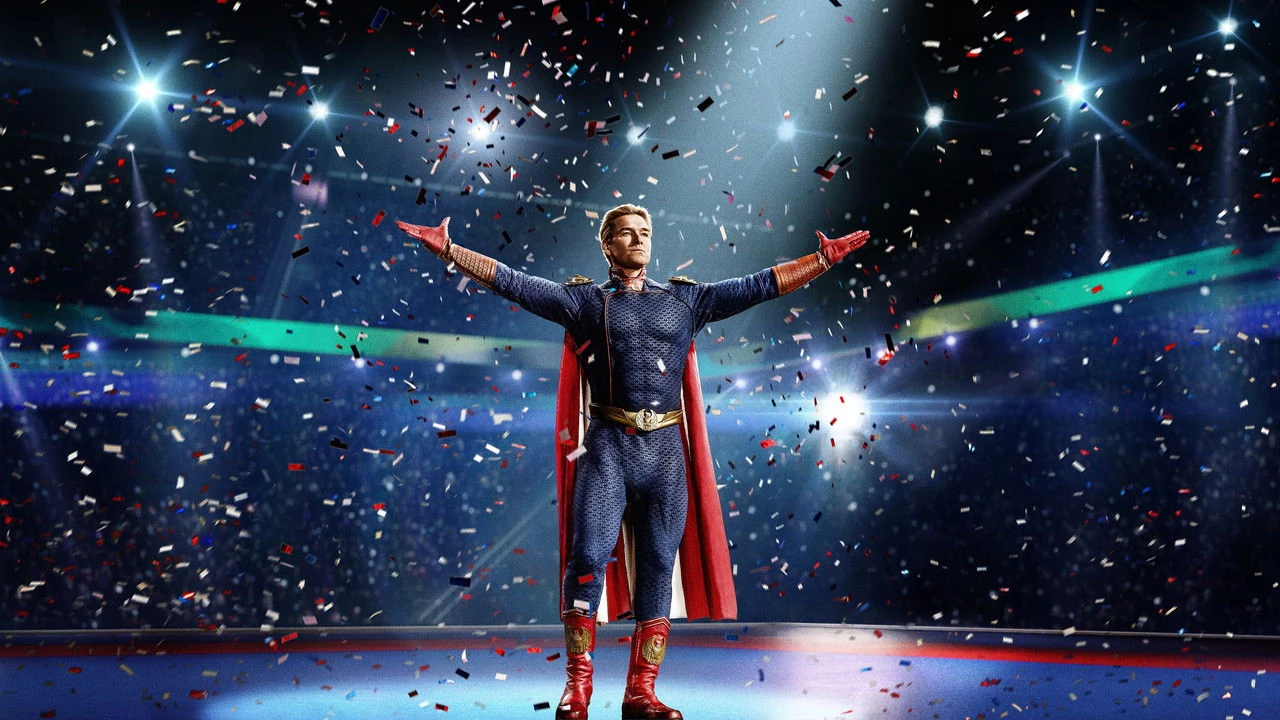
 Homelander, the terrifying personification of unchecked power and celebrity worship, stares out, demanding adoration.
Moral Relativism and the Necessary Evil
One of the most compelling aspects of The Boys is its relentless dive into the moral gray. The titular vigilantes, led by the perpetually enraged Billy Butcher (Karl Urban, a force of nature), are hardly paragons of virtue. They fight dirty, often break laws, and are willing to sacrifice much to achieve their goals. Their methods are brutal, their language foul, and their motivations, while understandable, are often tainted by personal vendettas and a deep-seated cynicism.
This is where the series truly shines a light on moral relativism: in a world devoid of traditional heroes, what lengths are justified to combat overwhelming evil? The Boys operate in a realm where the lines between right and wrong are not just blurred, but actively, violently smudged.
Critics were often divided on the show’s extreme violence and the characters’ uncompromising methods. Some found it gratuitous, arguing that it occasionally leaned into “edgy for edgy’s sake.” However, many, myself included, saw it as essential to the show’s thesis: to fight monsters, sometimes you have to get your hands just as bloody. Hughie Campbell (Jack Quaid) serves as the audience’s initial moral compass, a naive everyman dragged into this horrific world, and his slow, painful desensitization mirrors our own discomfort and eventual, reluctant understanding of the compromises made. The show doesn’t ask us to condone their actions, but to understand the desperation that drives them, forcing us to grapple with uncomfortable ethical dilemmas. It’s a challenging watch, constantly prodding at our notions of justice and vengeance.
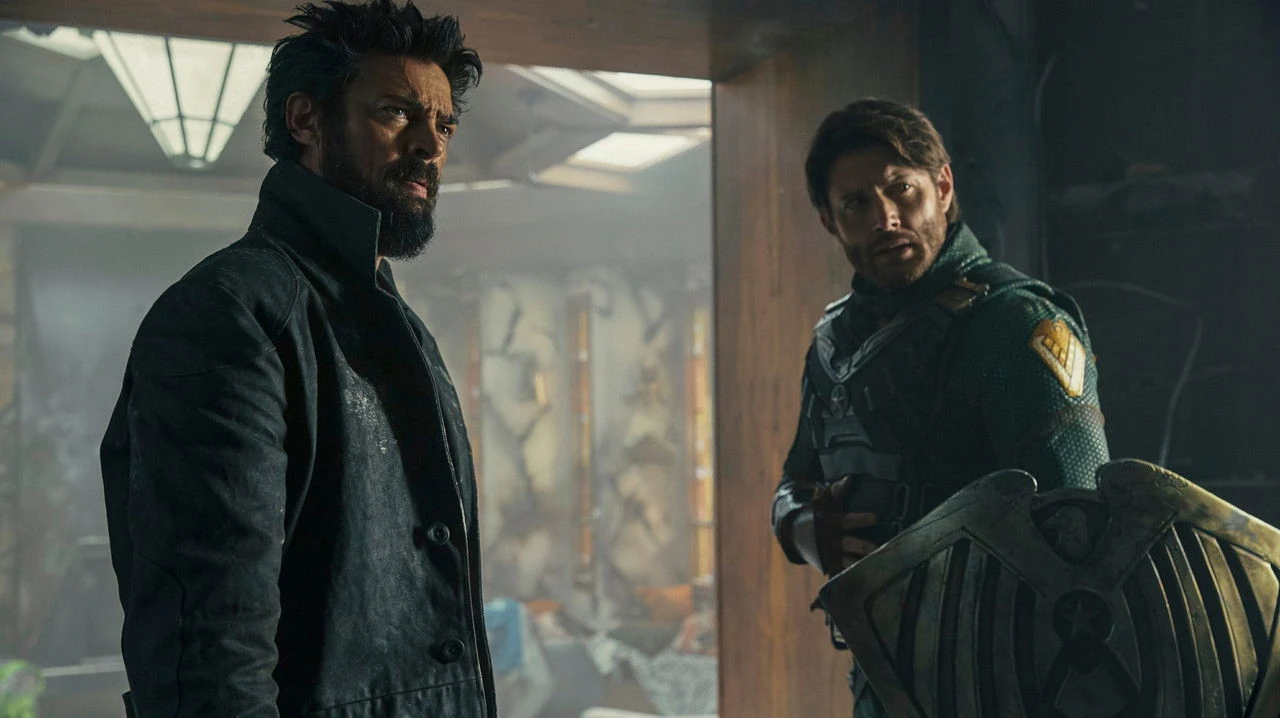
 Billy Butcher, a man consumed by vengeance, standing amidst the chaos he often instigates, blurring the lines of heroism.
A Dystopian Mirror: The Spectacle of Control and Public Complicity
Beyond the immediate shock value and character drama, The Boys functions as a chillingly prescient cultural critique. It holds up a distorted, yet frighteningly recognizable, mirror to our own society, examining themes of media manipulation, political polarization, and the dangers of unchecked corporate influence. Vought International isn’t just a superhero management company; it’s a sprawling media empire, dictating narratives, orchestrating public opinion, and even lobbying governments.
The series highlights how truth becomes a malleable commodity, easily bent and reshaped by those with power and resources. News channels, social media, and carefully crafted public appearances create a pervasive spectacle, a “reality” that is entirely manufactured. This commentary resonates deeply in an age saturated with disinformation and performative politics. Some audience members and critics found this satire occasionally heavy-handed, particularly as the show progressed and its political allegories became more explicit. However, this directness is arguably its strength, forcing viewers to confront uncomfortable parallels in their own world. It suggests that our complicity—our willingness to believe the curated spectacle, to ignore the inconvenient truths—is what allows these systems of control to flourish.
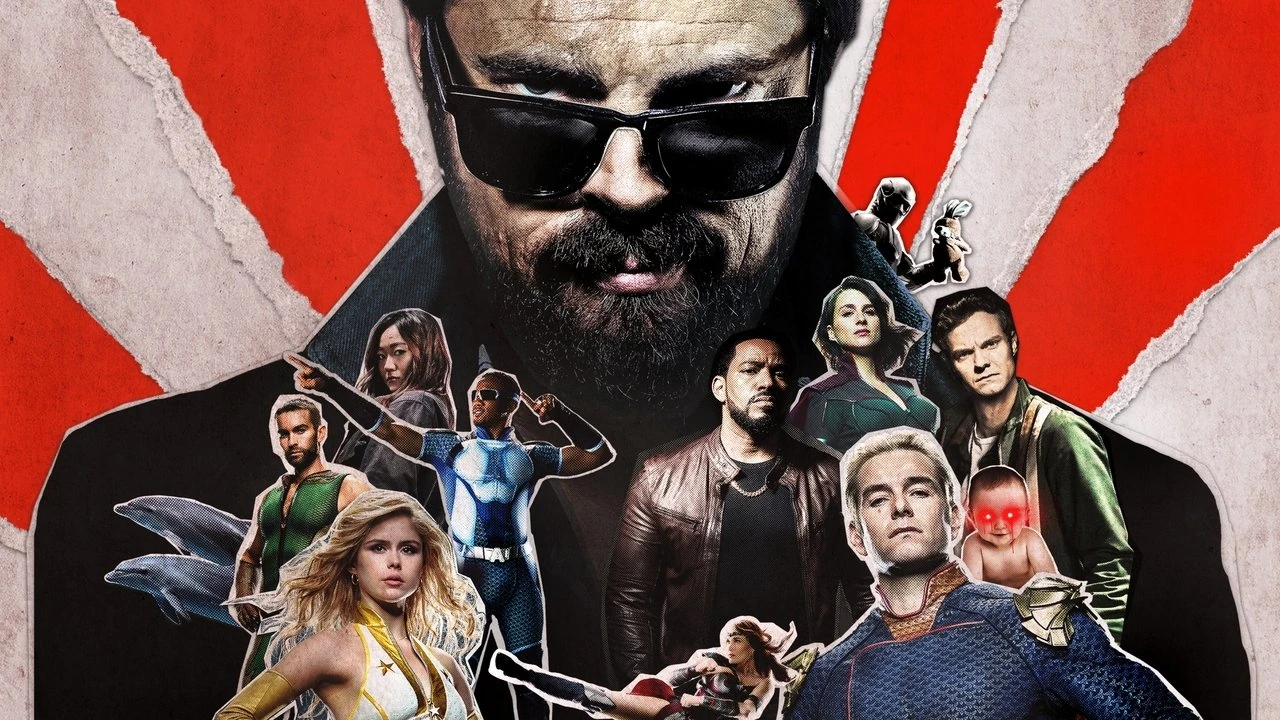
 The Seven, Vought’s premier superhero team, posing for a manufactured photo op, highlighting the show’s critique of celebrity and corporate image.
“The most dangerous myth is the one we refuse to see through, especially when it wears a smile and a cape.”
The Boys is undeniably a flawed masterpiece. Its relentless cynicism and graphic content aren’t for everyone, and it occasionally sacrifices nuance for its impactful, confrontational style. But its weaknesses are often intertwined with its strengths, pushing boundaries to expose uncomfortable truths. It forces us to question our heroes, our institutions, and perhaps most importantly, our own susceptibility to manufactured realities. It’s a series that dares to ask: what happens when the protectors become the greatest threat, and what does that say about the society that created them?
Where to Watch
- Amazon Prime Video
- Amazon Prime Video with Ads
What’s Up? explores the philosophical depths of cinema.