The Ritual of Self-Reflection: Deconstructing Fear in The Cabin in the Woods
Exploring The Cabin in the Woods' meta-narrative, its sharp critique of horror tropes, and the deeper philosophical questions it poses about fate, free will, and our insatiable hunger for spectacle.
“We make up horrors to help us cope with the real ones.” — Stephen King
When Drew Goddard’s The Cabin in the Woods burst onto screens in 2012, it wasn’t just another slasher flick; it was a detonation. A brilliantly self-aware, genre-bending explosion that meticulously dissected horror cinema itself, only to reassemble it into something both familiar and terrifyingly new. Critics, for the most part, were absolutely thrilled. With a staggering 92% on Rotten Tomatoes and a “generally favorable” 72 on Metacritic, the consensus lauded its ingenious script, its sharp wit, and its audacious deconstruction of tropes. Yet, for all its critical acclaim, the film sparked conversations that went beyond mere praise, delving into the very nature of storytelling, our collective appetite for suffering, and the unseen architects of our fates. It’s a film that demands we ask: what does our love for horror truly say about us?
The Architects of Fear
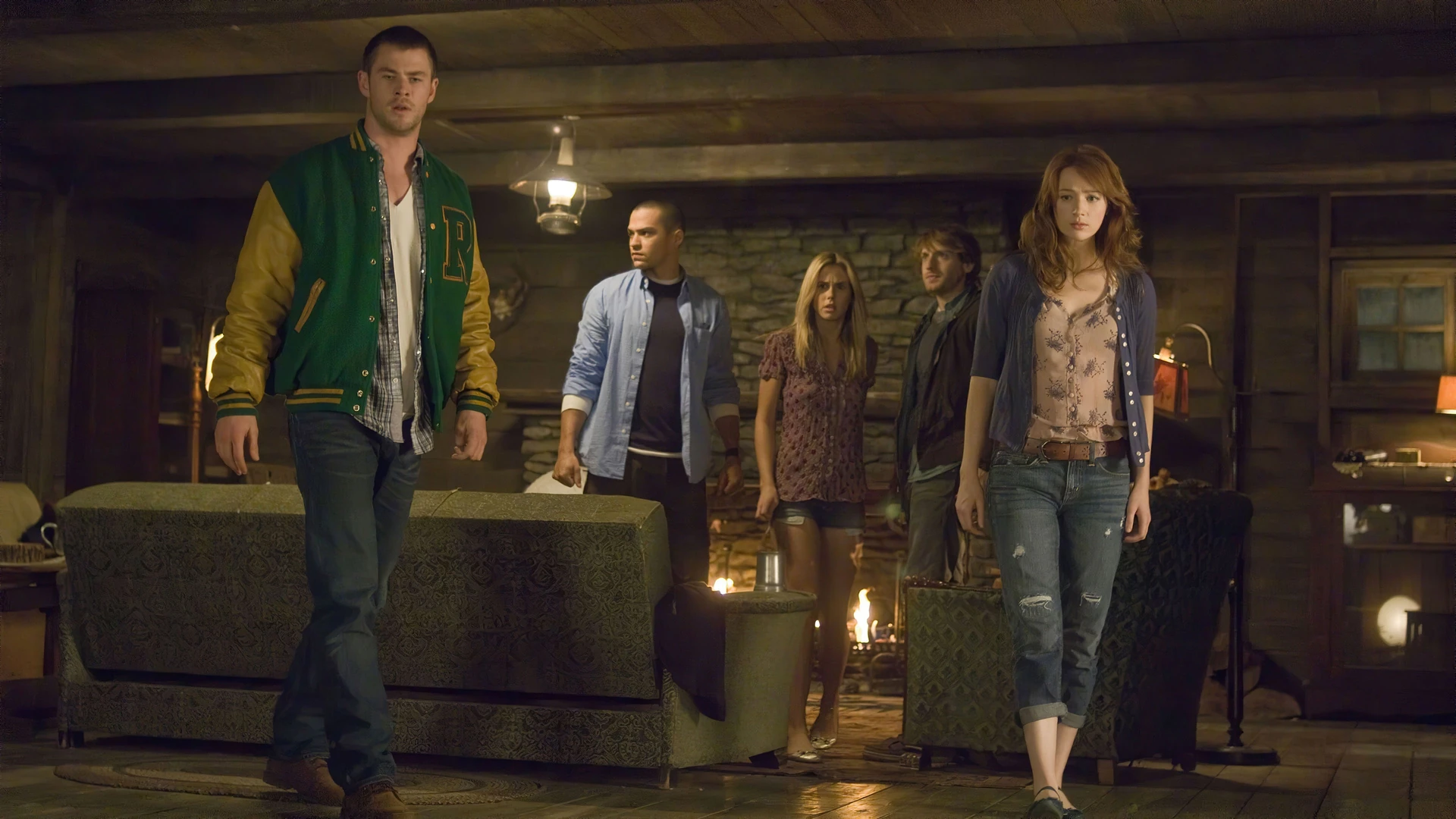
The Cabin in the Woods begins with a deceptively simple premise: five college students — the innocent virgin, the jock, the scholar, the slut, and the stoner — head to an isolated cabin for a weekend getaway. Every horror fan knows this setup. It’s a primal narrative, practically written into our cultural DNA. But Goddard and co-writer Joss Whedon quickly pull back the curtain, revealing a sprawling, high-tech underground facility where a team of technicians, led by the wonderfully cynical Sitterson (Richard Jenkins) and Hadley (Bradley Whitford), orchestrate every cliché. They control the weather, the creatures, the very impulses of their unsuspecting victims.
This meta-narrative is the film’s undeniable genius. It’s a love letter to horror that simultaneously skewers its most hackneyed conventions. Some viewers, particularly those expecting a straightforward fright-fest, found this approach almost too clever, feeling the film sacrificed genuine scares for intellectual gymnastics. And admittedly, a few moments of its broader humor could briefly deflate the tension for certain audiences. But this “too clever by half” criticism often misses the point: the film isn’t just parodying horror; it’s exploring the mechanics of narrative itself.
Key themes to explore:
- Archetypal Sacrifice — The deliberate casting of characters into pre-defined roles (the “Whore,” the “Athlete,” the “Scholar,” the “Fool,” the “Virgin”) isn’t just a nod to genre, but a chilling observation on how society, and indeed narratives, demand specific sacrifices for specific outcomes.
- Audience as Accomplice — By placing a control room dictating the horror, the film implicates us, the viewers. We are the unseen gods, demanding our ritualistic bloodshed, our preferred monster, our designated victims. Our desire for entertainment fuels the cycle.
- The Illusion of Free Will — The characters believe they are making choices, but their paths are meticulously engineered. This raises profound questions about determinism versus agency, not just within the film’s universe, but potentially within our own lives.
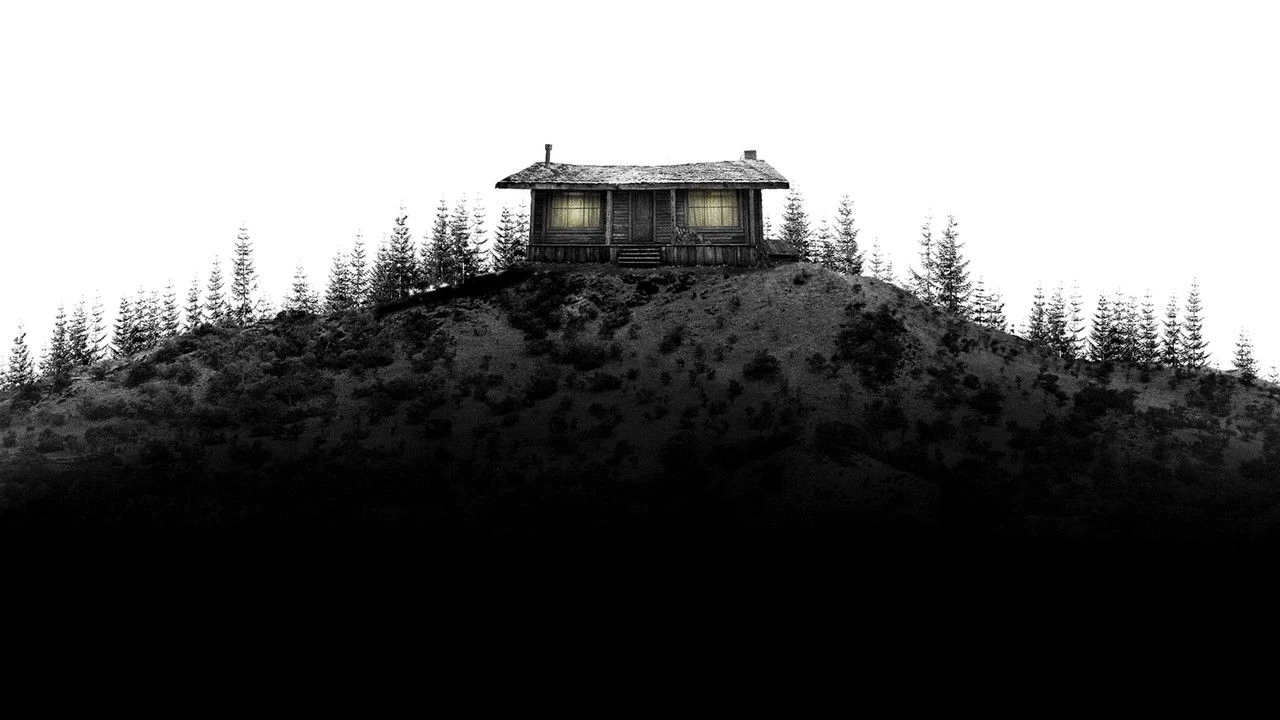 The archetypal ‘virgin’ Dana, caught in the web of a predetermined narrative.
The Ritual of Consumption
What works exceptionally well in The Cabin in the Woods is its seamless blend of genuine tension, laugh-out-loud comedy, and shocking violence. The dialogue crackles with intelligence, and the performances, particularly from Kranz as Marty and the delightful duo of Jenkins and Whitford, ground the outlandish premise. The initial slow burn, meticulously setting up the standard cabin-in-the-woods scenario, expertly lulls you into a false sense of security before the rug is violently pulled out. Some critics did note that the pacing could feel a bit uneven in the early stages, as the film juggles two distinct narratives before their inevitable collision, but this very deliberate slowness only amplifies the eventual payoff.
The film masterfully exploits our genre literacy, turning our expectations against us. It’s not just a horror film; it’s a commentary on the consumption of horror, a mirror held up to our own bloodlust.
The brilliance lies in its ability to simultaneously be a loving homage and a scathing critique. It understands why we return to these stories, why we find comfort in the familiar tropes, even as it exposes their underlying absurdity and often, their cruelty. The film posits that these horror rituals serve a purpose, a global “sacrifice” to ancient gods to prevent the end of the world. This elevates the familiar slasher setup into something far more metaphysical and existential, suggesting our entertainment desires are not just trivial, but tied to an ancient, cosmic imperative. The “sacrifices” are not just for our viewing pleasure, but for the very survival of humanity.
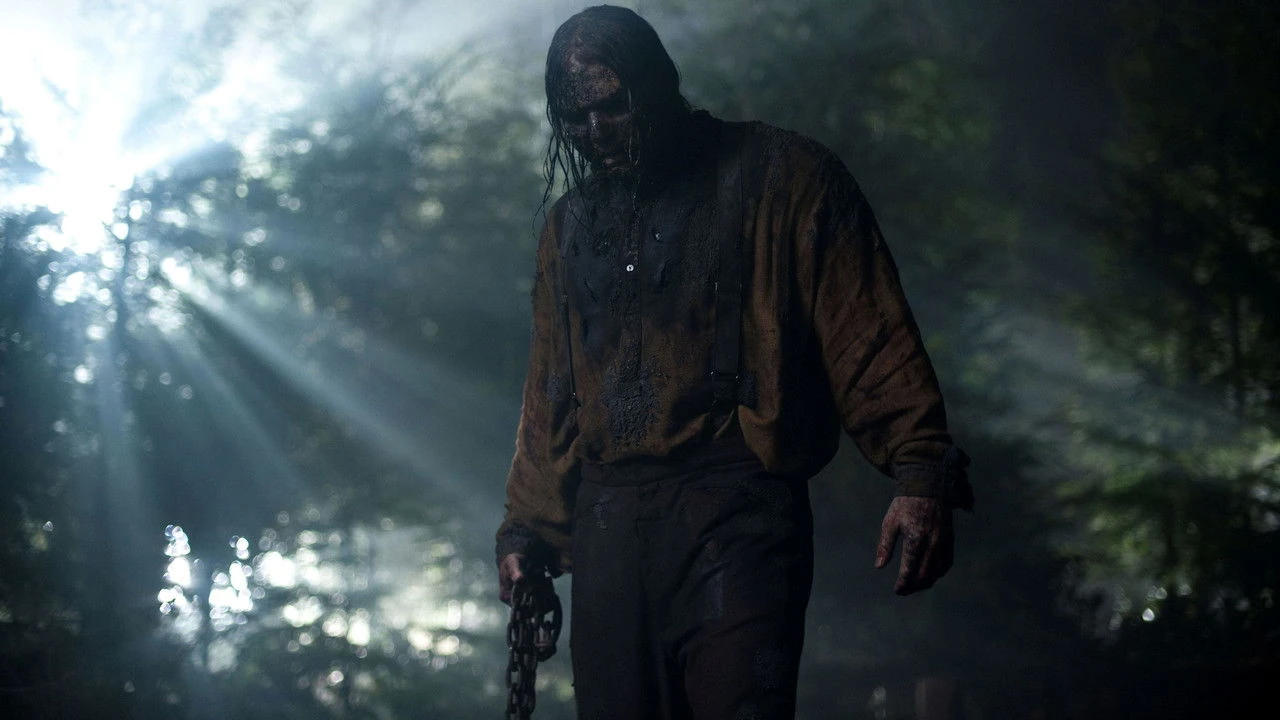 Sitterson and Hadley, the cynical architects of fear, observing their macabre play.
Beyond the Surface
The ultimate triumph of The Cabin in the Woods is that despite its genre-bending antics and its often darkly comedic tone, it still manages to be genuinely unsettling. The creatures are terrifying, the stakes feel real, and the final act descends into glorious, chaotic madness. Yet, beneath the gore and the laughs, the film probes deeply into our anxieties about control, identity, and the price of survival.
The ending, a bold and divisive choice, left many viewers grappling with a sense of nihilism. Without spoiling it for those who haven’t experienced it, the film dares to challenge the very premise of why these stories exist and what happens when the chosen path is rejected. It’s a refusal of the predictable, a middle finger to conventional narrative satisfaction, and for some, it felt like an anticlimax or too bleak a conclusion. But philosophically, it’s perhaps its most powerful statement, forcing us to confront the idea that sometimes, the established order, however horrific, is simply too entrenched to be overcome. It’s a profound questioning of whether true freedom is ever possible when the script has already been written.
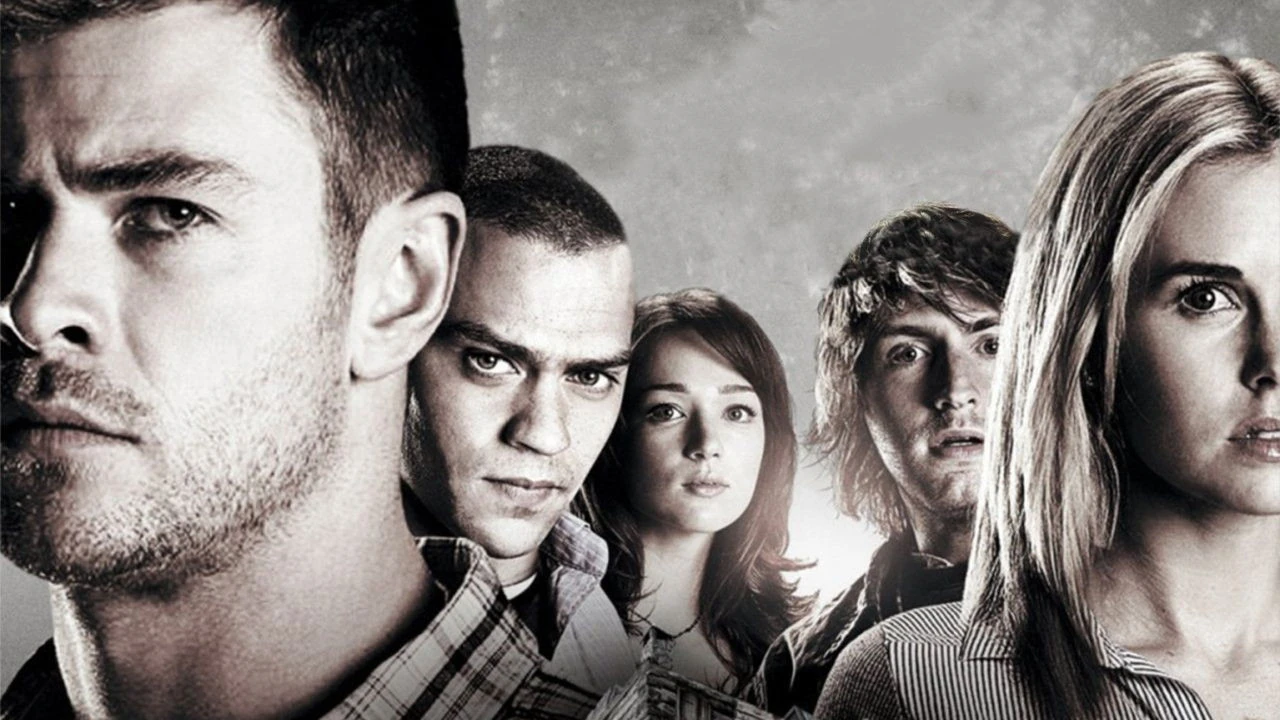 The ancient, colossal hand of a god emerging from the earth, a terrifying harbinger of cosmic judgment.
The film’s final moments are a chilling realization: perhaps the greatest horror isn’t the monster, but the system that demands its creation, and our complicity in its perpetuation.
The Cabin in the Woods isn’t just a clever horror movie; it’s a profound meditation on the power of narrative, the ethics of entertainment, and the cyclical nature of violence in our stories and perhaps, our world. It asks us to consider who the real monsters are: the creatures on screen, the puppet masters pulling the strings, or the audience demanding the show. It’s a film that refuses to let us be passive viewers, instead making us active participants in its philosophical game. It’s a brilliant, messy, unforgettable piece of cinema that continues to provoke and entertain in equal measure.
Where to Watch
- Amazon Prime Video
- fuboTV
- Amazon Prime Video with Ads
- MovieSphere+ Amazon Channel
What’s Up? explores the philosophical depths of cinema.