The Continental's Shadow Throne: Ambition, Anarchy, and the Architecture of Self
Exploring The Continental (2023), its critical reception, and the deeper philosophical questions it raises about power, ambition, and the creation of identity within a brutal underworld.
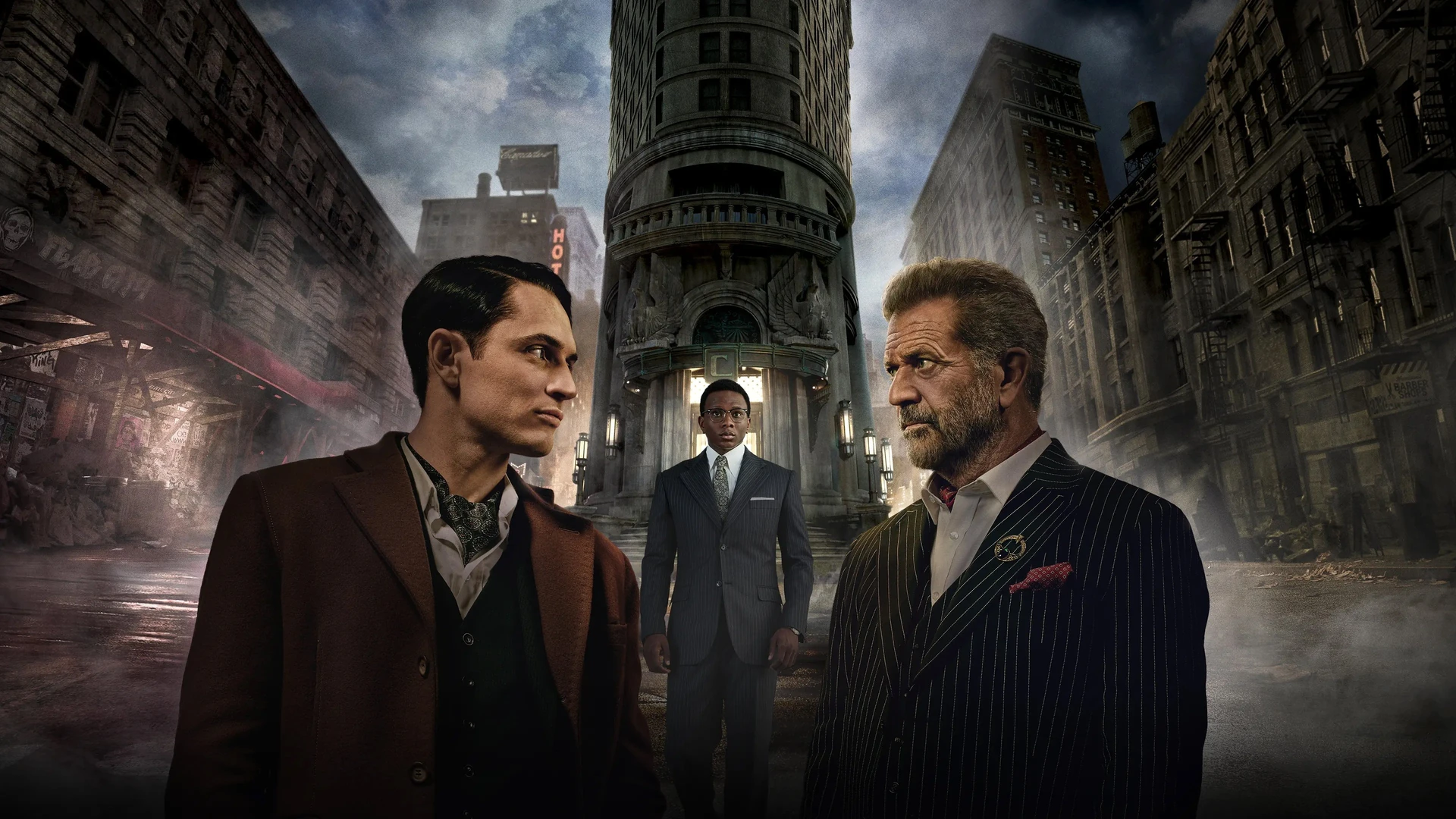
“Every man has his price, and every sanctuary its cost. The only real question is: are you willing to pay?” — Adapted from a common underworld adage
When The Continental premiered in 2023, the buzz was palpable, if quickly complicated. A prequel series to the beloved John Wick franchise, promising an origin story for the iconic assassin hotel and its enigmatic manager, Winston Scott, it arrived with the weight of expectation. But like many attempts to expand a meticulously crafted universe, it didn’t exactly set the world on fire with critics. With a middling 55% on Rotten Tomatoes and a 52/100 on Metacritic, the general consensus was that while it offered some stylish flourishes and a deeper dive into the lore, it often struggled to escape the imposing shadow of its progenitor. Audiences were similarly divided, some embracing the expanded narrative, others finding it a bloated, less kinetic affair than the films. Yet, even in its acknowledged flaws, The Continental inadvertently constructs a fascinating philosophical crucible, inviting us to ponder the very nature of ambition, legacy, and the brutal architecture of self in a world utterly devoid of conventional morality.
The Inherited Throne and the Weight of Ambition
The Continental plunges us into the gritty, anarchic “hell-scape” of 1970s New York City, dragging a young Winston Scott (Colin Woodell) back into a past he desperately tried to outrun. His journey is framed by a singular, almost mythic quest: to seize control of the hotel where he will one day reign. This isn’t just a simple power grab; it’s a profound exploration of destiny versus free will. Is Winston merely fulfilling a pre-ordained role, or is he actively forging his own path through a series of violent, morally compromising choices? The series, despite its sometimes uneven pacing and convoluted plot points—criticisms frequently leveled by reviewers—forces us to confront the inherent corrupting influence of power.
Key themes the series, however imperfectly, grapples with:
- The Genesis of Power: How does a man, seemingly an outsider, maneuver himself to the top of a brutal hierarchy? It’s a study in strategic ruthlessness and charm.
- Legacy vs. Self-Creation: Winston isn’t just inheriting a position; he’s defining what that position means. The series asks whether one can truly escape their origins or if they are forever bound by the echoes of their past.
- The Price of Sovereignty: To rule the Continental is to become responsible for its intricate, deadly ecosystem. What moral compromises must be made to maintain order in an inherently lawless world?
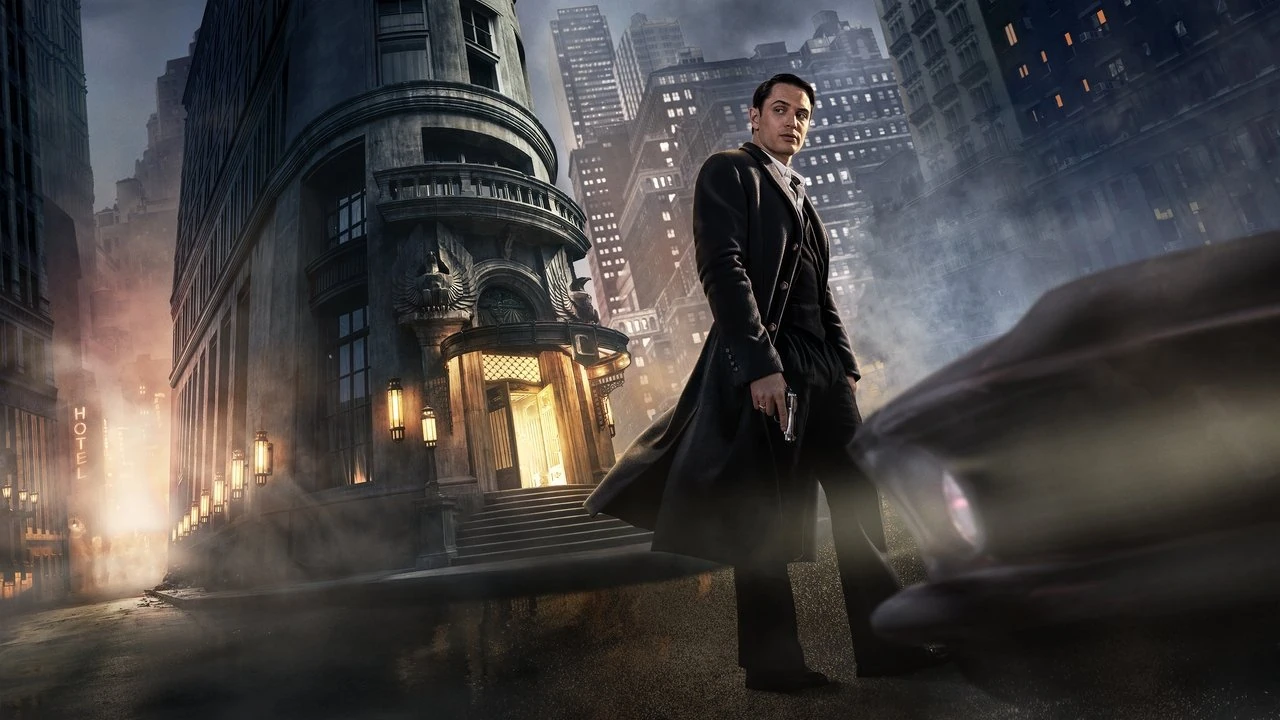 A young Winston Scott, caught between a treacherous past and an uncertain future, navigating the shadowy underworld.
The Underworld’s Echoes: Style, Substance, and Scrutiny
One of the most common critiques of The Continental was its struggle to capture the balletic, hyper-stylized grace of the John Wick films. While it certainly had its moments of visceral action, many viewers and critics noted that the fight choreography, and even the overall visual flair, often felt a step down, at times even generic. The CGI received particular scrutiny, occasionally pulling viewers out of the otherwise impressive period setting. And then there’s the elephant in the room: Mel Gibson’s controversial presence as the series’ antagonist, Cormac. While some found his performance fittingly menacing, others felt his inclusion, coupled with the character’s often over-the-top villainy, detracted from the nuanced world-building.
Expanding beloved lore is a treacherous tightrope walk: balance reverence for the original with the courage to forge a new path. Stray too far, and it’s unrecognizable; cling too tightly, and it becomes a pale imitation.
Despite these narrative and stylistic stumbles, the series did offer compelling insights into the sprawling, intricate rules of the Continental universe. We see the High Table’s earliest influence, the nascent stages of its draconian code, and the origins of its complex cast of characters. The production design, capturing the grimy grandeur of 1970s New York, was often praised, providing a gritty backdrop that felt distinct yet connected to the modern John Wick aesthetic. Colin Woodell, in particular, received commendation for embodying a younger, more vulnerable, yet undeniably ambitious Winston, hinting at the gravitas he would later command. The series thrives when it delves into the interpersonal power plays and the sheer audacity required to survive in this cutthroat environment.
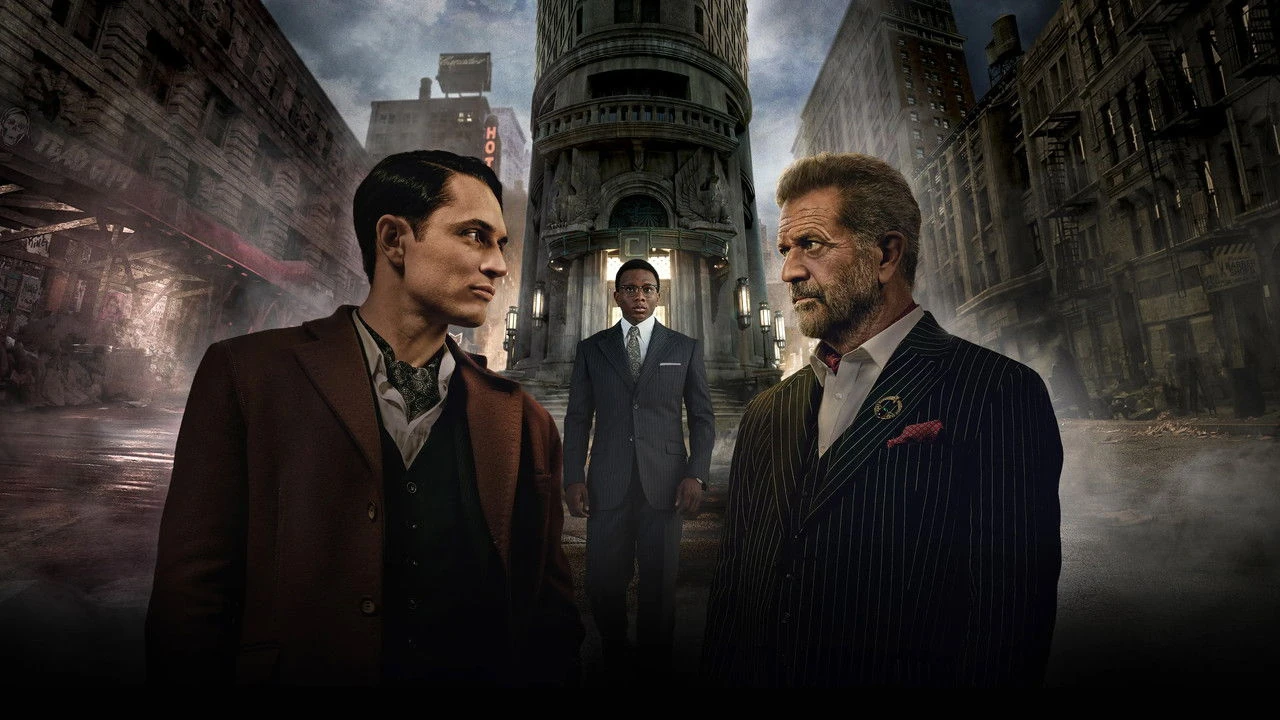 The brutal elegance of a 1970s New York street, a stage for desperate ambition and deadly games.
Beyond the Surface: The Hell-scape of Choice and the Ethics of Survival
Beyond the shootouts and betrayals, The Continental raises profound questions about the ethics of survival and the nature of identity in a world where morality is a luxury few can afford. Winston’s journey is less about becoming a hero and more about becoming the figurehead, even if it means sacrificing parts of his soul. The “hell-scape” isn’t just the literal dangers of 1970s New York; it’s the internal landscape of a man forced to make impossible choices, constantly weighing loyalty against self-preservation, family against ambition.
We see the formation of his signature stoicism, forged in the crucible of betrayal and violence. What does it mean to establish rules in an inherently lawless society? The Continental, ostensibly a sanctuary, is also a gilded cage, a place where professional killers find solace, but also where their contracts inevitably lead to bloodshed. This duality forces us to consider: is a structured underworld more ethical than pure anarchy? Or does the illusion of order merely provide a veneer for continued brutality? The series, through its ensemble cast and their intertwining fates, highlights how individuals adapt, survive, and, in some cases, thrive by embracing the very darkness that surrounds them. It’s a stark reflection on how our environment shapes our character, and how sometimes, to find your place, you must first dismantle the world that confined you.
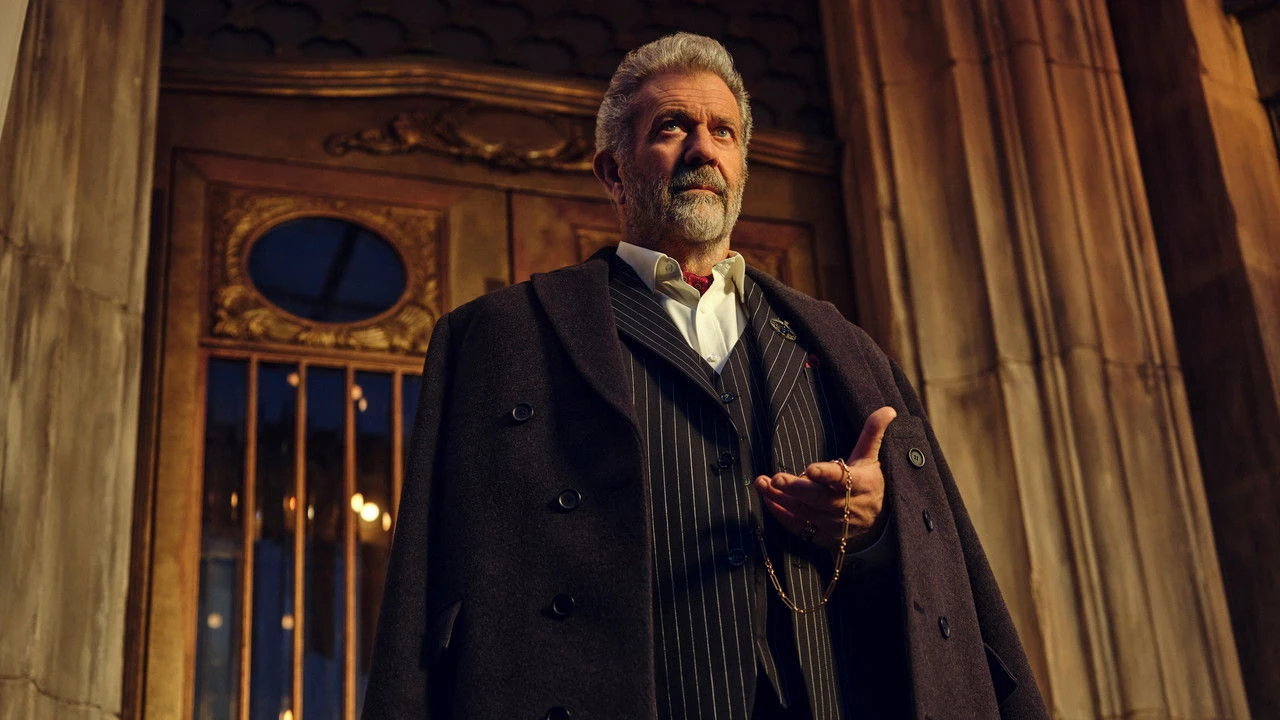 An intimate moment amidst the chaos, reflecting the personal cost of power and the burden of ambition.
To seize power is to invite a thousand cuts. The true burden lies not in the taking, but in the relentless, solitary act of holding on.
Ultimately, The Continental might not have been the flawless, kinetic masterpiece many hoped for, and its weaknesses are undeniable. Critics rightfully pointed out its uneven pacing, occasional narrative bloat, and the challenge of living up to the John Wick legacy. Yet, even with its mixed reception, it serves as a compelling, albeit imperfect, philosophical artifact. It offers a gritty, often brutal, look at the genesis of a legend, asking us to consider the profound costs of ambition, the complex interplay of destiny and choice, and the arduous process of forging an identity in a world intent on crushing it. It reminds us that even flawed art can hold up a mirror to the human condition, forcing us to examine the murky waters of power, morality, and the relentless drive to define one’s own space in the world.
Where to Watch
- Peacock Premium
- Peacock Premium Plus
What’s Up? explores the philosophical depths of cinema.