The Jackal's Shadow: Anonymity, Obsession, and the Remake's Burden
Anticipating the 2024 TV series The Day of the Jackal, this post delves into its potential philosophical themes of identity, fate, and the challenge of revisiting a classic.
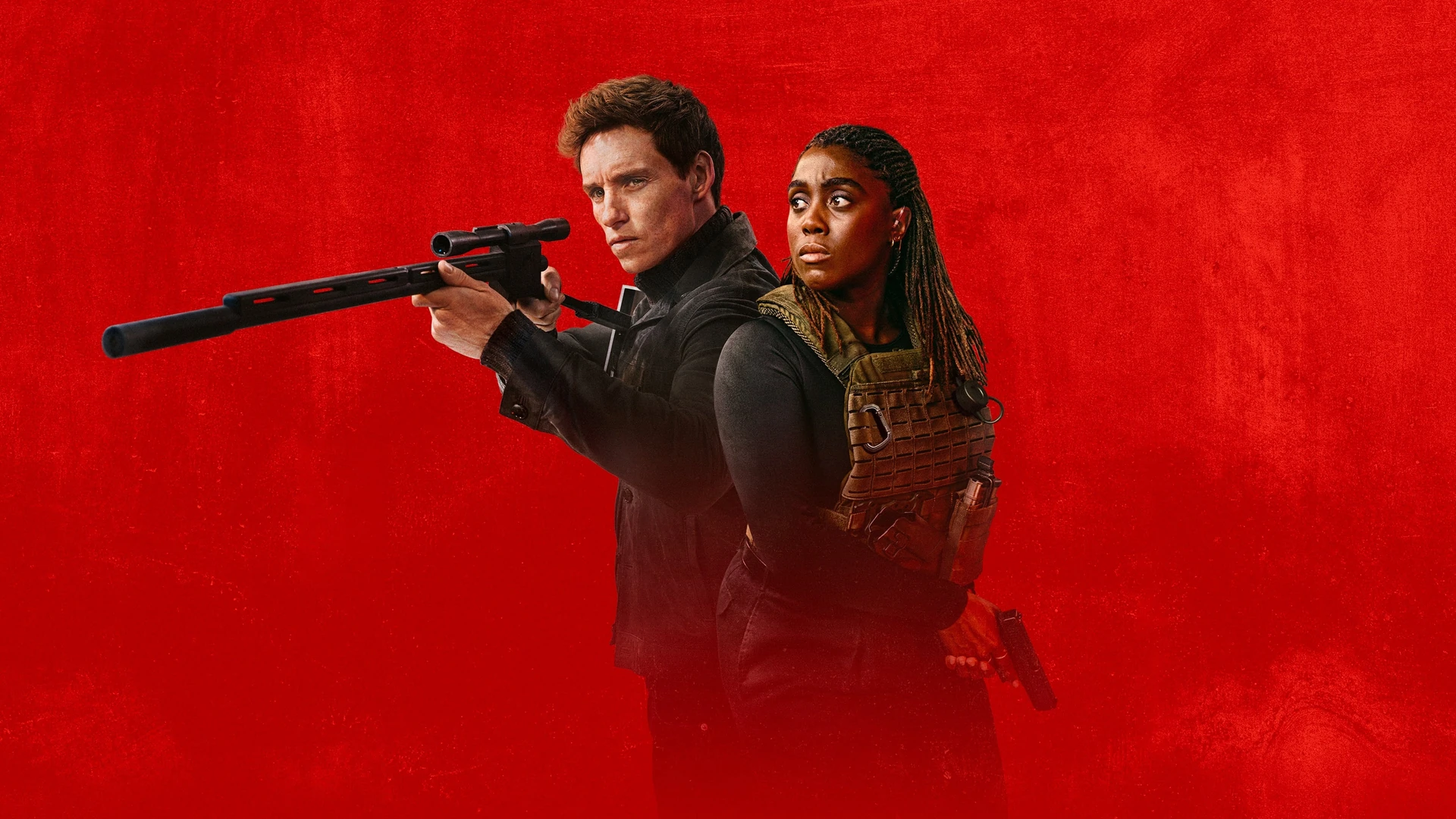
“The true assassin is not the one who kills, but the one who disappears.” — Anonymous
The very idea of a new adaptation of The Day of the Jackal — Frederick Forsyth’s seminal novel, immortalized by Fred Zinnemann’s chilling 1973 film — lands with a complex mix of anticipation and trepidation. With a release date slated for November 14, 2024, starring Eddie Redmayne as the titular, elusive assassin, the series hasn’t yet premiered, meaning critical reviews and audience reactions are still in the ether. We can’t yet speak to its execution, its pacing, or Redmayne’s performance with any definitive certainty. Yet, even in its unreleased state, the premise itself, the very act of reimagining such a classic, immediately sparks profound philosophical questions about identity, fate, the nature of evil, and the legacy of storytelling. How do we view the professional killer in a hyper-connected, surveillance-laden 21st century? And what does it mean to chase a ghost that’s already been so vividly rendered?
The Shadow of the Jackal: An Archetype Revisited
The original Jackal presented a fascinating paradox: a character defined by his utter lack of defining characteristics. He was a professional, an anonymous force, a perfectly calibrated instrument of death. This new series, with its promise of “an unrivalled and highly elusive lone assassin,” seems keen to explore this again. But in 2024, the philosophical weight of such a figure feels different. Is true anonymity even possible anymore? In an age of digital footprints, facial recognition, and constant data trails, the Jackal’s ability to vanish becomes less a testament to his skill and more a profound commentary on our societal illusions of control.
This Jackal, as described, is a man who “makes his living carrying out hits for the highest fee.” This immediately raises questions about moral relativism and the commodification of violence. Is the Jackal a nihilist, devoid of belief beyond the transaction? Or does he operate by a twisted, almost artistic code of professional integrity? His elusiveness isn’t just a plot device; it’s an existential statement. To be the Jackal is to be no one, and therefore, potentially, everyone. He is the ultimate blank slate, a mirror reflecting the desires and fears of those who hire him, and those who hunt him. He is a terrifying embodiment of radical freedom, unbound by conventional morality or identity.
Key themes we can expect to grapple with:
- The Illusion of Identity — How much of ourselves is external, and what remains when all labels are stripped away?
- The Ethics of Professionalism — Can one be “professional” in an inherently destructive craft, and does that professionalism absolve one of moral culpability?
- Anonymity as Power — In a world obsessed with visibility, what power lies in being utterly unseen?
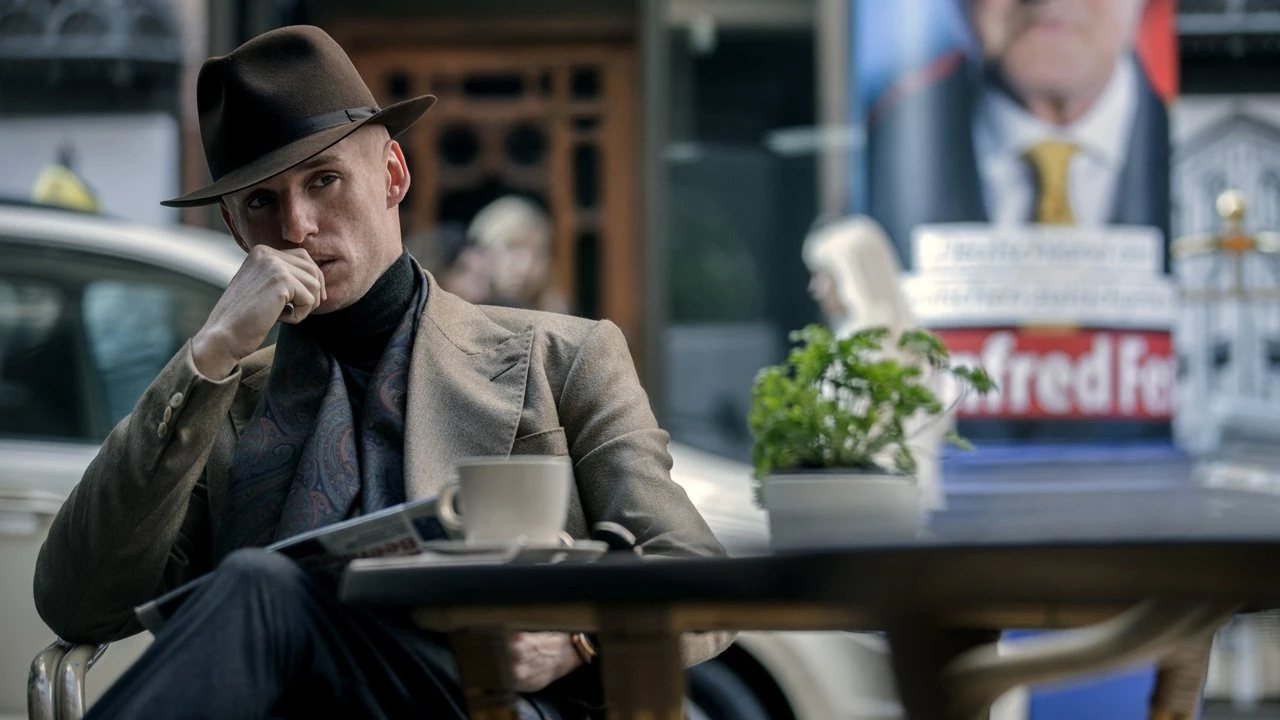 Eddie Redmayne’s portrayal promises a fresh take on the enigmatic assassin, forcing us to reconsider the nature of identity in the modern age.
The Dance of Obsession: Hunter, Hunted, and the Modern Gaze
The plot promises a “thrilling cat-and-mouse chase across Europe,” pitting the Jackal against a “tenacious British intelligence officer.” This is the classic duality, the fundamental philosophical conflict of purpose. For the Jackal, his purpose is to fulfill the contract; for the intelligence officer (Lashana Lynch’s character), it’s to prevent the unthinkable. Their lives become inextricably linked, a symbiotic dance of pursuit and evasion.
The stakes are personal, yes, but also deeply societal. The officer represents the system, the desire for order and justice, even if flawed. The Jackal represents the rupture, the chaotic element that exposes the vulnerabilities of that system. In 2024, this chase isn’t just about physical prowess or cunning disguises; it’s about digital warfare, data interception, and the limits of state surveillance. How does a government agency track a ghost when the ghost knows how to exploit the very networks designed to catch him? This raises fascinating questions about:
This intricate game isn’t merely about good versus evil; it’s a profound exploration of obsessive purpose and how it can both define and consume us.
- The Panopticon’s Flaws: Even with pervasive surveillance, can a truly determined individual slip through the cracks, or is the illusion of anonymity just that—an illusion?
- The Morality of the Chase: At what point does the hunter risk becoming like the hunted, adopting similar tactics or crossing ethical lines in the relentless pursuit?
- Technology as a Double-Edged Sword: How does modern tech both enable and hinder the assassin, and how does it empower or frustrate the intelligence agency? The destruction left in their wake speaks to the collateral damage of such singular, opposing drives.
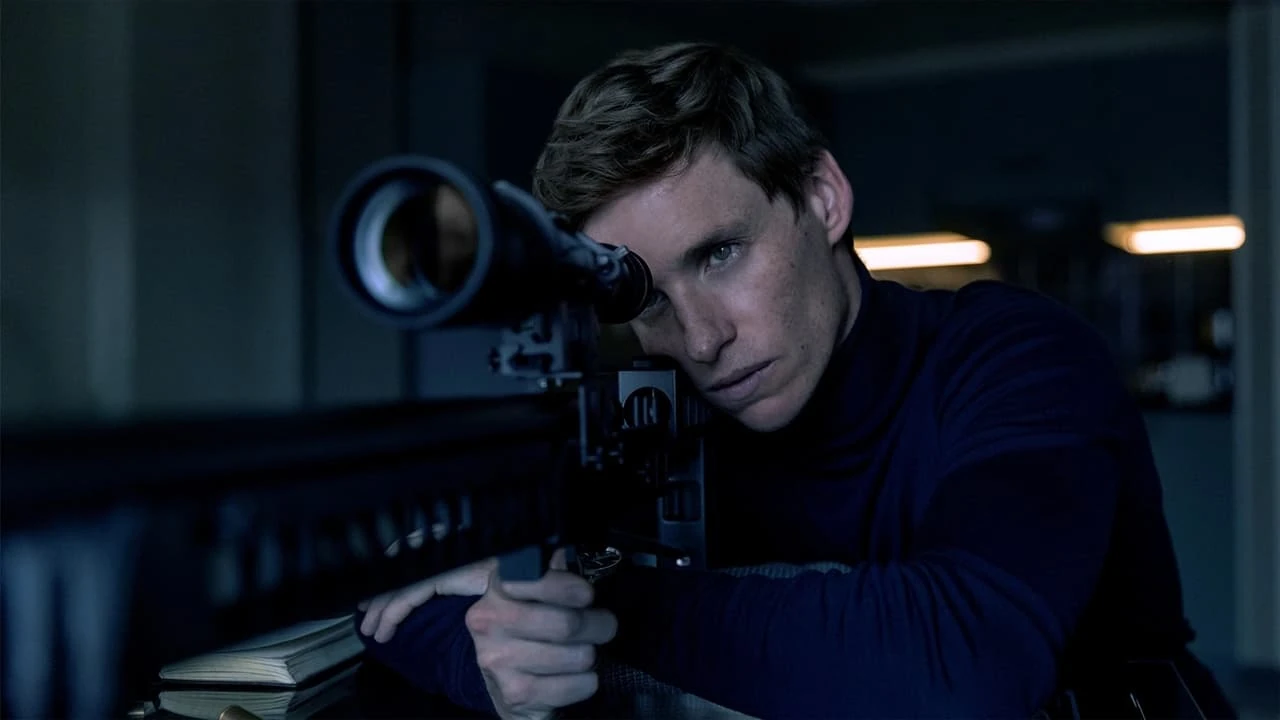 The relentless pursuit of the Jackal isn’t just a plot device; it’s a study in the human capacity for obsession and the ethical dilemmas of the chase.
Reimagining a Classic: Burden or Opportunity?
Perhaps the most meta-philosophical aspect of The Day of the Jackal (2024) is its very existence as a remake. The 1973 film is a revered classic, lauded for its meticulous detail, Zinnemann’s patient direction, and its almost documentary-like realism. Remaking such a film is always a divisive act. It forces us to confront the nature of legacy and adaptation. Is it a betrayal of the original, or an opportunity to find new resonance in an enduring story?
The challenge for Redmayne and the creators is immense. They aren’t just telling a story; they’re entering a dialogue with a beloved piece of cinematic history. This adaptation must justify its existence, not by simply replicating, but by re-contextualizing. It needs to ask: What does this story mean to us, now? What new philosophical insights can be gleaned from the Jackal’s journey when viewed through a contemporary lens? The shift from a film to a TV series also implies a deeper dive into character motivations, perhaps giving us more of the “why” behind the Jackal’s chosen path, or exploring the personal toll on the intelligence officer. This extended format allows for a more granular exploration of the themes, potentially moving beyond the taut, procedural focus of the original film to delve into the psychological and existential depths of its characters. It’s a gamble, but one that, if successful, could offer a fresh perspective on the enduring allure of the ultimate professional killer.
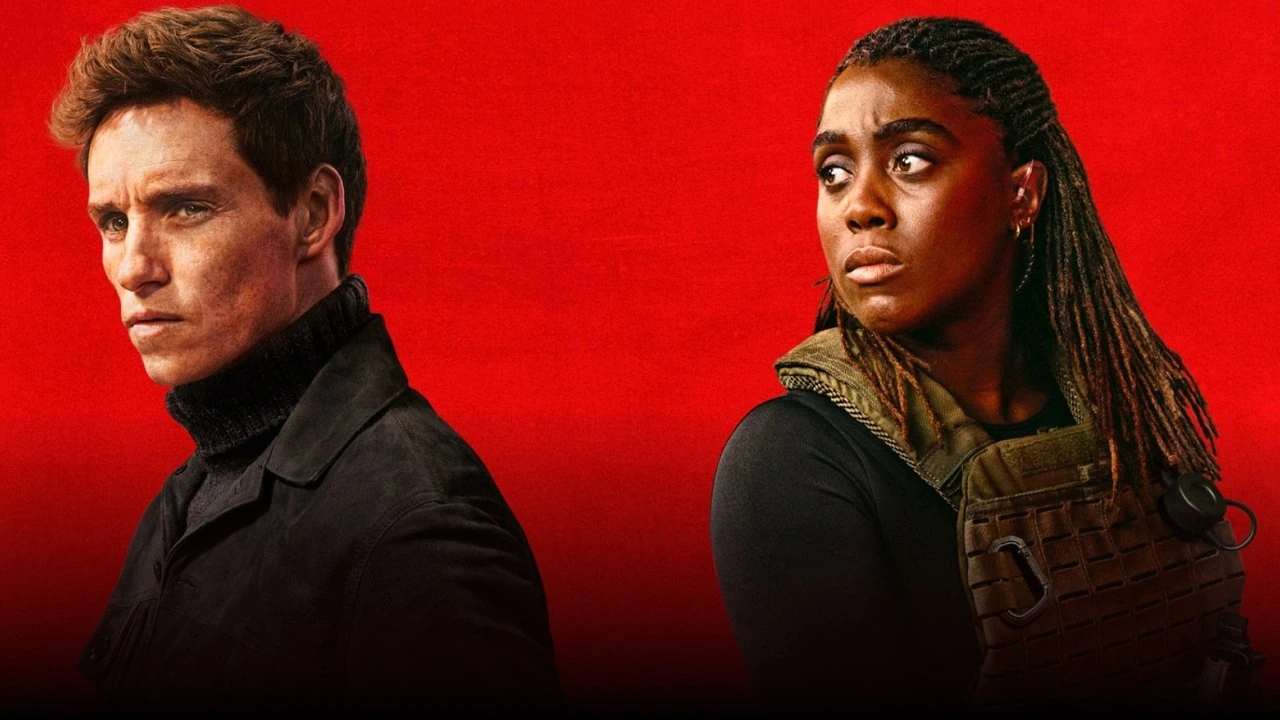 The canvas of Europe, a backdrop for both relentless pursuit and profound introspection on the nature of fate and choice.
The decision to revisit The Day of the Jackal is a bold one, fraught with the risk of comparison, but also ripe with the potential to reignite a vital conversation about control, identity, and the unstoppable march of progress in an increasingly watched world. Its legacy will be debated, regardless of its critical reception.
While we await its premiere and the inevitable chorus of critical voices, The Day of the Jackal (2024) stands as a fascinating philosophical prospect. It’s a mirror held up not just to the cold precision of an assassin, but to our own anxieties about anonymity, the reach of the state, and the enduring power—or burden—of a classic narrative. Will it simply be a thrilling chase, or will it dare to ask deeper questions about what it means to be a ghost in the machine?
Where to Watch
- Peacock Premium
- Peacock Premium Plus
What’s Up? explores the philosophical depths of cinema.