The Day the Earth Stood Still (2008): A Flawed Prophecy on Humanity's Brink
Exploring the philosophical weight of The Day the Earth Stood Still (2008), a film widely criticized yet rich in existential questions about humanity's fate.
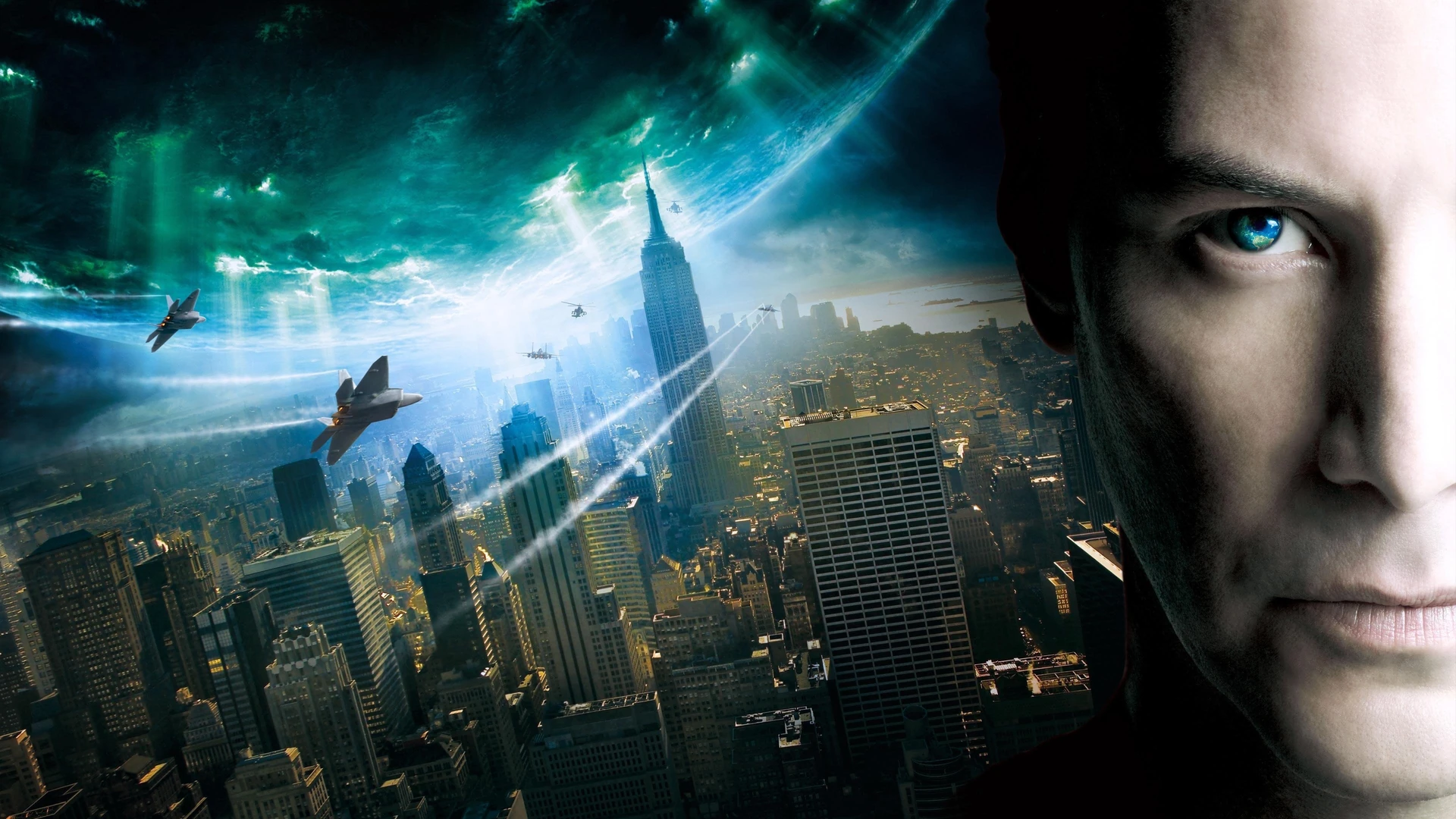
“Your civilization is on the brink of collapse. We’re here to help you.” — Klaatu, The Day the Earth Stood Still (2008)
Remember The Day the Earth Stood Still from 2008? Chances are, if you do, it’s less for its cinematic brilliance and more for its divisive reception. Scott Derrickson’s remake of the beloved 1951 sci-fi classic was, to put it mildly, not a critical darling. With a dismal 21% on Rotten Tomatoes and a Metascore of 40, it stumbled out of the gate, criticized for its heavy-handed messaging, uneven pacing, and a certain emotional distance that kept many viewers at arm’s length. Yet, beneath the sometimes clunky execution and the shadow of its iconic predecessor, this film bravely — or perhaps clumsily — wrestled with some truly monumental philosophical questions about humanity’s self-destructive path and our place in the cosmic order. It might not have been the film we wanted, but perhaps it was the film we needed to spark uncomfortable introspection.
The Verdict from Above: Are We Worth Saving?
At its core, The Day the Earth Stood Still presents humanity with an ultimatum, delivered by the enigmatic alien Klaatu (Keanu Reeves): evolve or perish. Our environmental destruction has reached a critical point, threatening not just Earth, but potentially the fragile interstellar ecosystem that the alien federation protects. This isn’t a plea for help; it’s a cosmic eviction notice. The film’s central philosophical thrust lies in this external judgment – a stark mirror held up to our species by a superior intelligence.
Critics often lambasted the film for its heavy-handed environmentalism, arguing it sacrificed character development for didactic messaging. And truthfully, it’s hard to disagree entirely. The subtlety of the original was replaced with a more direct, almost preachy tone. However, the idea of such a judgment remains profoundly unsettling. What if we truly are, from an objective, non-human perspective, a destructive force that needs to be contained? This forces us to confront our anthropocentric bias – the deeply ingrained belief that humanity is inherently special, inherently deserving of survival, regardless of our impact. Klaatu, with his stoic demeanor, challenges this foundational assumption, asking if the survival of one species is worth the total annihilation of an entire planetary ecosystem. It’s a question of collective responsibility versus individual existence, played out on an interstellar scale.
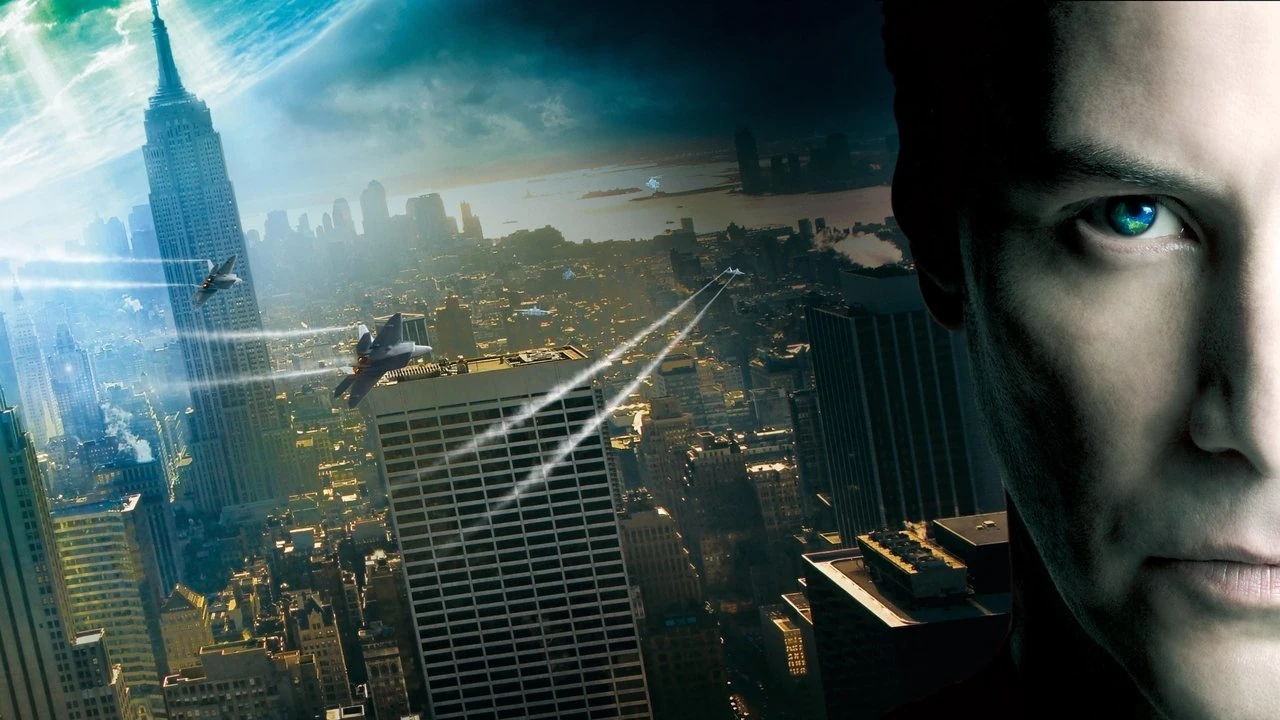 Klaatu, portrayed with an alien detachment, embodies the cold logic of cosmic judgment, forcing humanity to confront its destructive tendencies.
Of Stoicism, CGI, and Missed Connections
The film’s reception was largely dictated by its execution, and here, The Day the Earth Stood Still faced significant hurdles. Keanu Reeves’ portrayal of Klaatu was a prime target for criticism; many found his performance flat, lacking the emotional depth expected of a lead. Yet, one could argue this was a deliberate choice – Klaatu isn’t human. He’s an emissary of a race that has undergone “drastic evolution to survive its own climate change,” suggesting a detachment from human emotion, a purely logical, utilitarian perspective. His stoicism, in this light, becomes a philosophical statement about an intelligence that transcends our emotional messiness. The problem, perhaps, wasn’t the choice but its inability to resonate with an audience expecting a more human protagonist.
The film asks us to consider what defines ‘life’ and ‘worth’ from a truly alien perspective, where our sentimental attachments might be irrelevant to the grander scheme of galactic survival.
Beyond performance, the film suffered from uneven pacing and a narrative that, while conceptually grand, felt rushed and underdeveloped in practice. The iconic Gort, reimagined as a swarm of nanobots, felt more like a visual effect than a truly terrifying force of nature. Audiences were divided: some appreciated the updated visuals and the urgent message, while others felt it lacked the compelling character dynamics and quiet tension of the original. The interactions between Klaatu, Dr. Helen Benson (Jennifer Connelly), and her stepson Jacob (Jaden Smith) were meant to be the emotional core, demonstrating humanity’s capacity for change, but they often felt perfunctory, struggling to convey the profound shift in Klaatu’s perspective. It’s a classic example of a film with big ideas that struggled to translate them into an engaging cinematic experience.
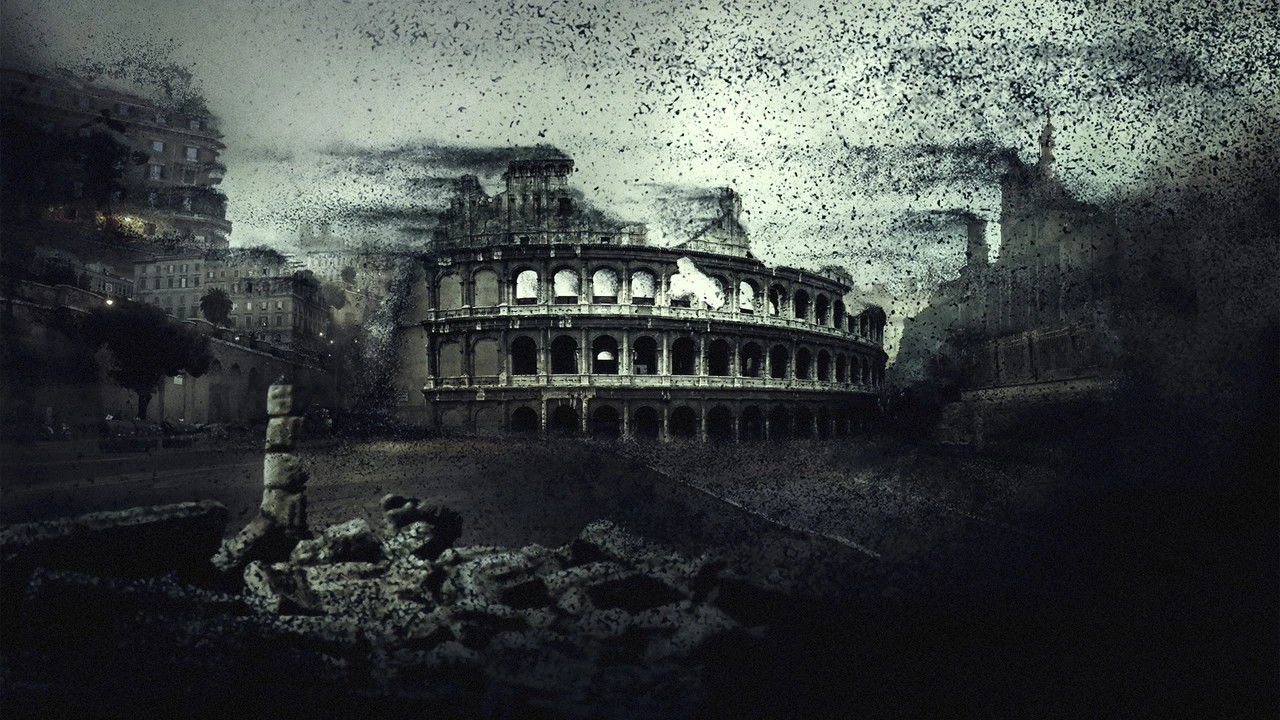 The vast, powerful presence of Gort, reimagined with modern effects, symbolizes the unstoppable force of nature’s reckoning.
The Planet’s Plea: A Desperate Calculus
Despite its narrative shortcomings, the film undeniably poses some existential dilemmas that continue to resonate. Klaatu’s initial assessment — that humanity’s destruction of the planet necessitates its eradication — isn’t simply an evil declaration; it’s a utilitarian calculus. From his perspective, the planet, with its vast biodiversity and complex ecosystems, holds greater value than a single, destructive species. This forces us to grapple with the ethics of planetary stewardship: do we have a moral obligation to protect the Earth, even from ourselves? And if we fail, what are the ultimate consequences?
The film gestures towards the idea that humanity can change, that our capacity for empathy and connection (as demonstrated by Helen) might just outweigh our destructive tendencies. It’s a desperate plea for self-awareness, for a collective awakening to the environmental crisis that, in 2008, was gaining traction but still widely underestimated. The Day the Earth Stood Still might not have been a masterpiece, but it was a prophecy whispered in a flawed cinematic language. It asked us to consider not just what we are, but who we are in relation to the wider universe and the delicate balance of life that sustains us. It’s a reminder that sometimes, even a clunky, critically panned film can serve as a potent catalyst for philosophical reflection.
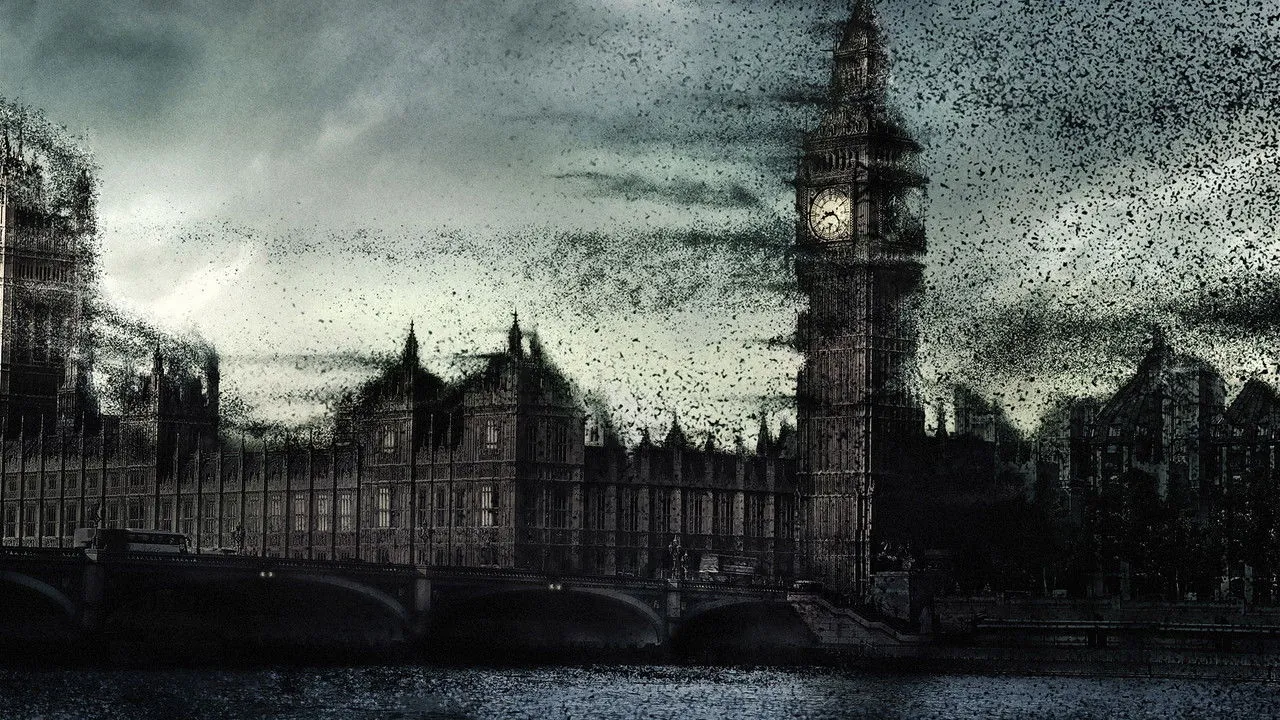 Dr. Helen Benson’s desperate plea for humanity’s survival encapsulates the film’s core conflict between destruction and the potential for redemption.
“If the Earth dies, you die. If we die, the Earth lives.” — Klaatu
The Day the Earth Stood Still (2008) remains a film with a complicated legacy. It’s a testament to the idea that even when a movie misses its mark in terms of critical acclaim or audience satisfaction, its underlying philosophical questions can still echo long after the credits roll. It serves as a stark, if imperfect, warning: that humanity’s fate is intrinsically linked to the health of our planet, and that sometimes, the most profound truths come not from perfectly crafted narratives, but from the unsettling reflections of our own potential downfall. What truly defines our worth, and are we truly listening to the planet’s silent scream?
What’s Up? explores the philosophical depths of cinema.