The Weight of the Shield: Legacy, Identity, and the Burden of Heroism in The Falcon and the Winter Soldier
Exploring the philosophical challenges of legacy, identity, and the meaning of heroism in a post-Blip world through The Falcon and the Winter Soldier.
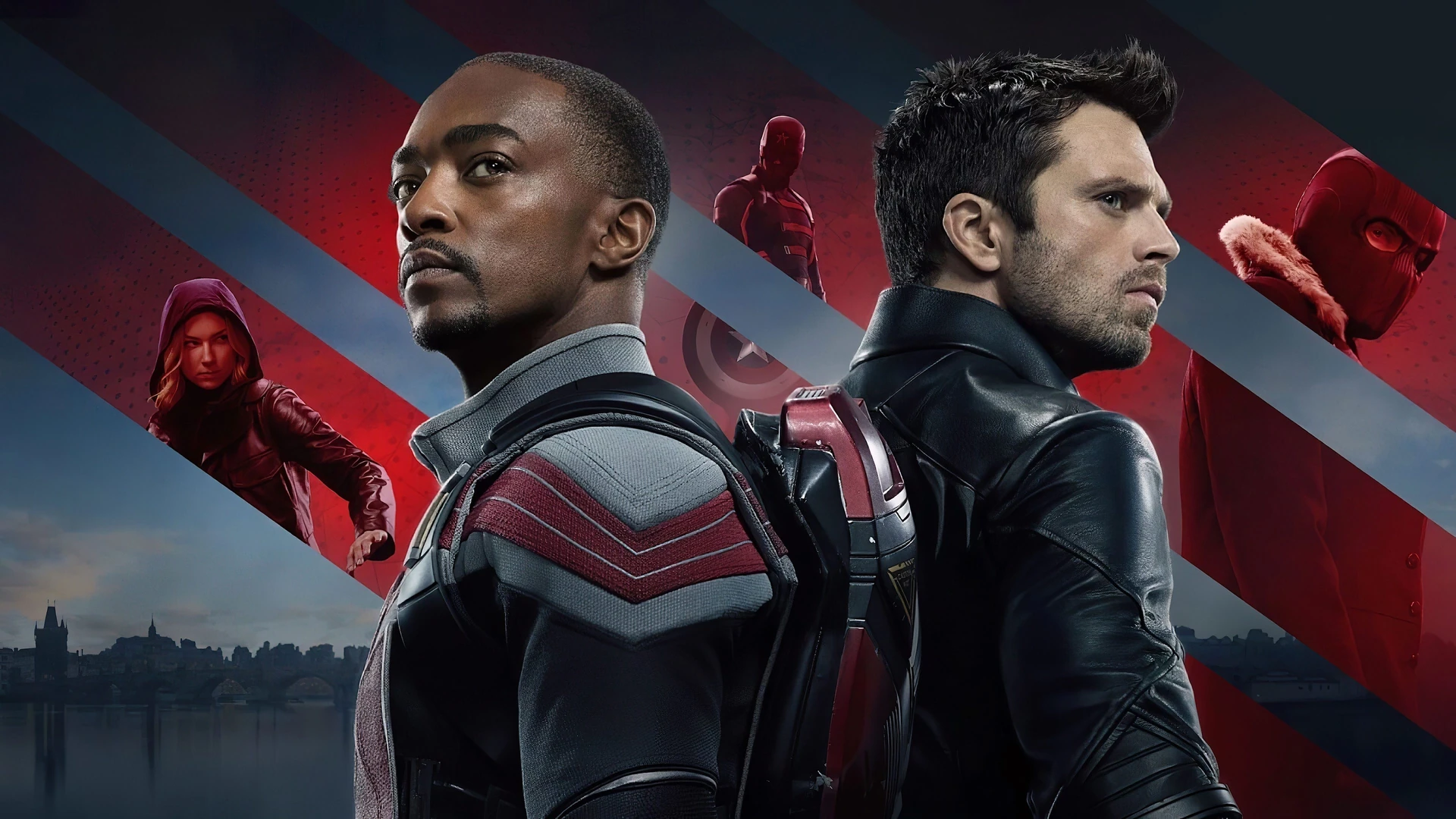
“The hardest choices require the strongest wills.” — Thanos
In the vast, interconnected tapestry of the Marvel Cinematic Universe, The Falcon and the Winter Soldier arrived in 2021, not just as another adventure, but as a direct confrontation with the burdens of legacy and the complexities of identity in a post-Blip world. Following the seismic events of Avengers: Endgame, the Disney+ series dared to ask profound questions about what it means to carry a symbol, especially one as potent and fraught as Captain America’s shield. While largely well-received by critics, earning a “Certified Fresh” 84% on Rotten Tomatoes and a 74/100 on Metacritic, the show wasn’t without its detractors, with many pointing to uneven pacing, underdeveloped antagonists, and an occasionally clumsy handling of its ambitious political themes. Yet, even amidst these acknowledged narrative stumbles, the series offered a rich vein of philosophical inquiry that still resonates.
The Weight of the Mantle: Inheriting a Symbol
At its heart, The Falcon and the Winter Soldier is a deeply existential exploration of inheritance. Sam Wilson (Anthony Mackie) is gifted the shield, but the weight of that gift is far heavier than any vibranium. It’s not just a physical object; it’s a symbol of an idealized past, a problematic history, and an impossible standard of heroism. The series bravely tackles the question of what it means for a Black man to embody a symbol of American patriotism, a country that has historically failed its Black citizens. Critics largely praised Anthony Mackie’s nuanced performance, capturing Sam’s internal conflict and eventual acceptance of a role that he initially rejected.
Key themes explored in this journey:
- Legacy vs. Identity: Can Sam truly be himself while carrying Steve Rogers’ shield, or must he forge a new identity for Captain America?
- Racial Justice: The show explicitly addresses systemic racism, particularly through Isaiah Bradley’s harrowing story, highlighting that the “heroic” past isn’t always as clean as it seems.
- Symbolism and Authority: What power does a symbol hold, and who gets to wield it? The conflict over the shield’s rightful bearer becomes a proxy for larger societal questions of authority and representation.
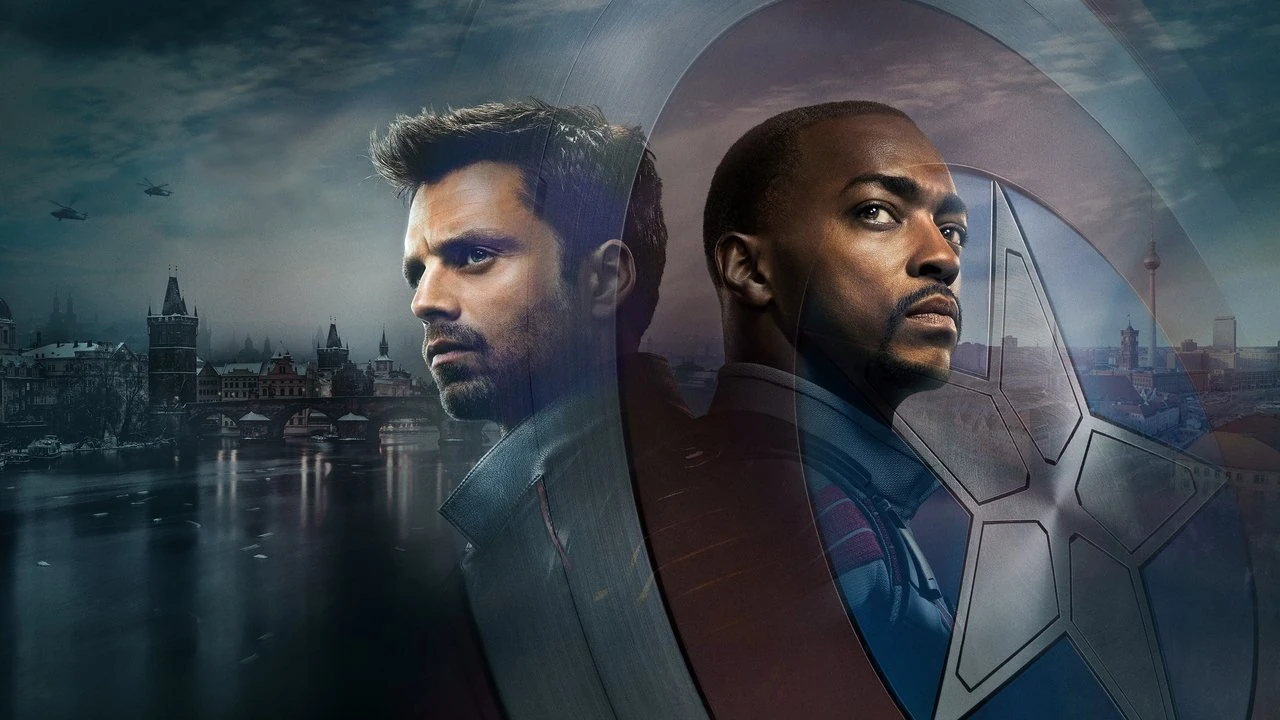 Sam Wilson confronts the legacy of the shield, a heavy burden in a fractured world.
Fractured Heroes and a Fractured World
The series doesn’t shy away from depicting a world grappling with the aftermath of Thanos’s snap and the return of billions. This backdrop provides fertile ground for exploring moral relativism and the grey areas of heroism. Bucky Barnes (Sebastian Stan) is still haunted by his past as the Winter Soldier, engaging in a journey of atonement that is both painful and deeply human. His struggles with PTSD and his attempts to make amends with the families of his victims are some of the show’s most compelling moments, earning significant praise from both critics and audiences for their emotional depth.
However, the show’s exploration of “fractured heroes” extended to John Walker (Wyatt Russell), the government’s appointed Captain America. Walker’s descent into a desperate, violent imitation of a hero was one of the series’ most controversial and divisive elements. While some found his character arc a powerful commentary on blind patriotism and the dangers of unchecked authority, others felt it was too on-the-nose or that his motivations weren’t always fully fleshed out, leading to tonal inconsistencies in the narrative. The Flag Smashers, led by Karli Morgenthau (Erin Kellyman), suffered from similar issues. While their core philosophical argument – that borders are artificial and resources should be shared – offered a compelling counter-narrative, many critics found their execution and character development lacked depth, making their actions feel less impactful and their threat less believable. This often led to pacing issues, particularly in the middle episodes, as the show tried to balance its action sequences with its heavy thematic load.
The show’s struggle to balance its nuanced political commentary with traditional MCU narrative beats exposed a fundamental challenge: how do you portray systemic injustice and moral ambiguity within the confines of a superhero blockbuster?
Daniel Brühl’s return as Zemo, a character who embodies nihilistic pragmatism, was a consistent highlight. His cynical worldview and sophisticated manipulations offered a refreshing counterpoint to the more straightforward heroic ideals, reminding us that evil often lurks in the most charismatic packages.
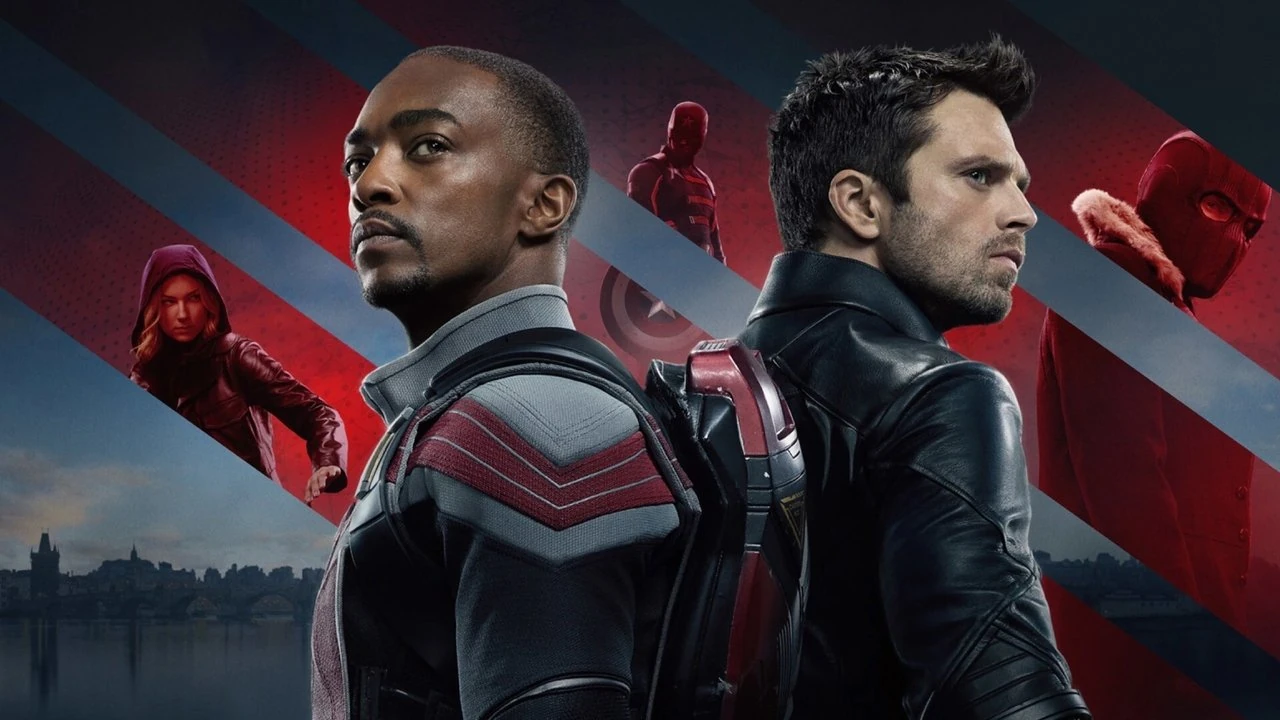 Bucky Barnes grapples with his past, seeking atonement in a world eager to move on.
Forging a New Path: The Existential Challenge
Despite its acknowledged flaws—the uneven pacing and sometimes muddled plot points that drew criticism from reviewers—The Falcon and the Winter Soldier ultimately succeeds in raising profound existential questions. It forces its characters, and by extension, its audience, to confront the uncomfortable truths about power, responsibility, and the nature of heroism in a world that is no longer black and white. Sam’s eventual decision to embrace the mantle of Captain America isn’t just a triumphant moment; it’s a profound statement on self-determination and redefining what a symbol means. He doesn’t just take the shield; he transforms it, infusing it with his own identity and a new understanding of what it means to fight for justice.
The series is an urgent call for introspection:
- Who gets to define heroism? Is it the government, the public, or the individual?
- How do we reconcile a flawed past with an aspirational future? Especially when symbols carry the weight of both.
- What is the true cost of peace and order? And are we willing to pay it?
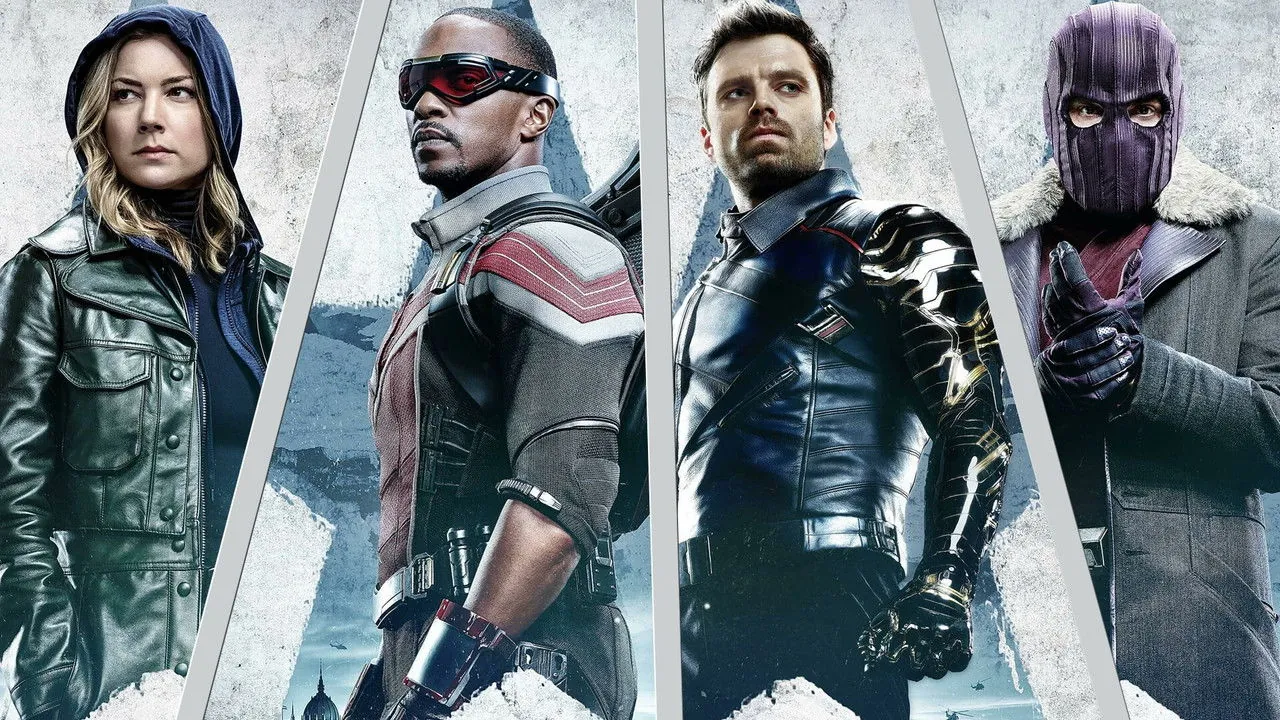 John Walker’s desperate struggle to embody a hero, leading to a tragic fall from grace.
“The truth is, we built a system that made it impossible for you to be who you are. And I’m sorry.” — Sam Wilson
The Falcon and the Winter Soldier isn’t a perfect show. Its ambitions occasionally outstripped its execution, leading to criticisms of narrative bloat and underdeveloped subplots. However, its willingness to delve into complex social issues and deep character psychology, particularly for Sam Wilson and Bucky Barnes, elevates it beyond standard superhero fare. It asks us to consider not just who wields the shield, but what that shield truly represents in an imperfect world. It’s a series that, despite its mixed legacy in critical circles, compels us to ponder the very essence of duty, sacrifice, and the ongoing, often painful, journey of defining oneself in the shadow of giants. What kind of heroes do we truly need in a world that is constantly shifting beneath our feet?
Where to Watch
- Disney Plus
What’s Up? explores the philosophical depths of cinema.