The Uncomfortable Gaze: Deconstructing The Fall's Dance with Darkness
An exploration of The Fall's complex portrayal of evil, gender dynamics, and the ethics of observation, acknowledging its critical acclaim and divisive elements.
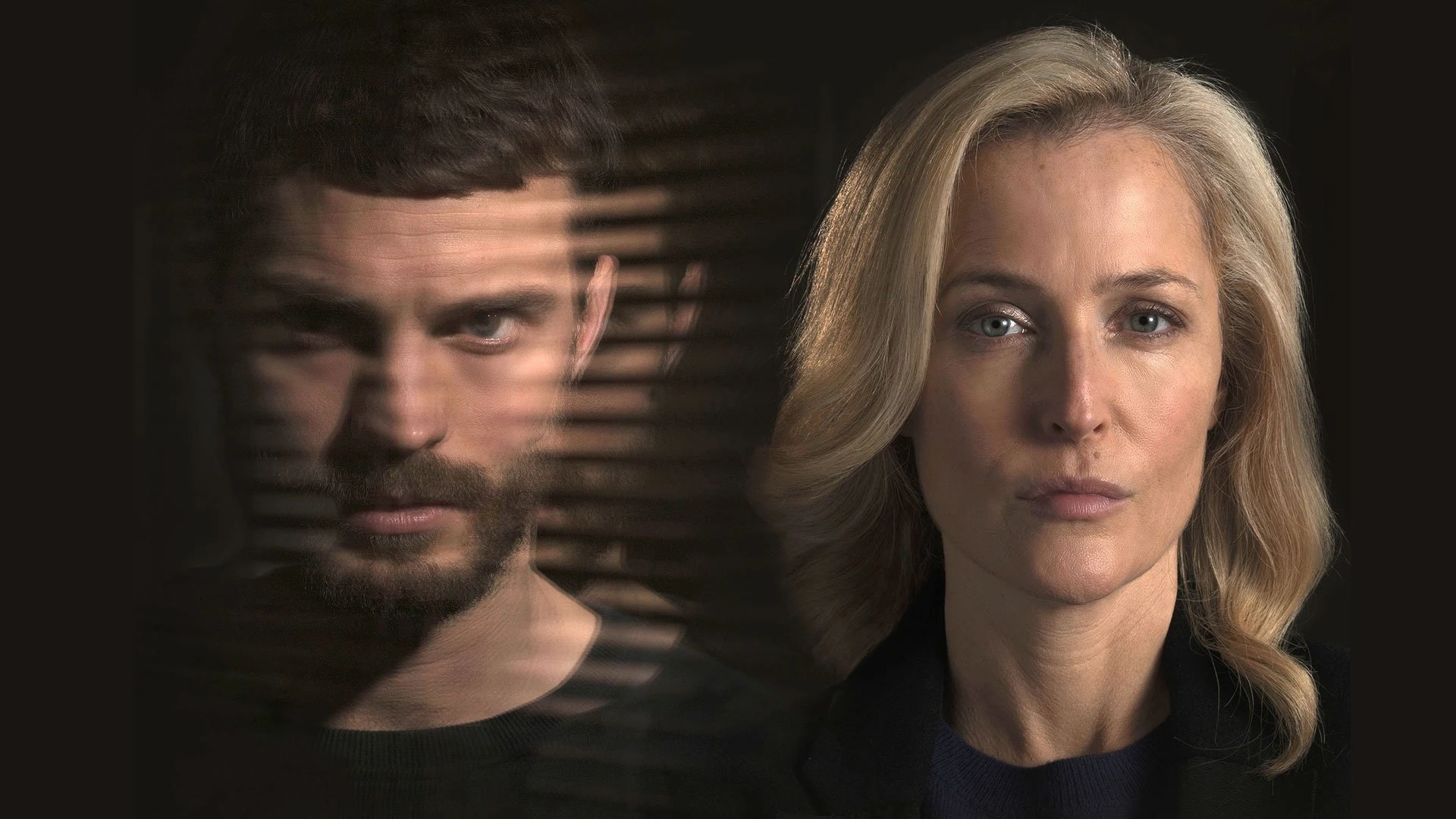
“The line between good and evil is not a fixed boundary but a fluctuating frontier, drawn anew by each choice, each gaze, each act of will.” — Adapted from a philosophical rumination
The Fall, which first graced our screens in 2013, isn’t your typical cat-and-mouse crime thriller. It’s a meticulously crafted, often chilling, and undeniably cerebral exploration of primal darkness, gender dynamics, and the very act of observation. Starring the phenomenal Gillian Anderson as Detective Superintendent Stella Gibson and a pre-Fifty Shades Jamie Dornan as the seemingly ordinary family man and serial killer Paul Spector, the series quickly garnered widespread critical acclaim, especially for its lead performances and intense psychological suspense. Yet, for all its accolades—and Rotten Tomatoes scores that consistently hovered in the high 80s and 90s for its first two seasons—it wasn’t without its detractors. Many found its pacing deliberate to a fault, particularly in later seasons, and its unflinching, sometimes ambiguous portrayal of its killer ignited fervent debates about the ethics of art and its potential to glamorize evil. This is a show that asks us to look, even when we want to turn away, and in doing so, it holds up an uncomfortable mirror to our own fascination with the abyss.
The Shadow of the Predator and the Ethics of the Gaze
At its core, The Fall is an unsettling study in dualities: light and shadow, order and chaos, the domestic and the monstrous. Paul Spector lives a meticulously constructed life as a loving husband, father, and grief counselor, all while secretly perpetrating horrific acts of violence against women. The series spends an unusual amount of time with Spector, detailing his meticulous planning and, more controversially, his unsettlingly normal home life. This choice, while central to the show’s psychological depth, was a significant point of contention for many viewers and critics. Some felt it went too far in humanizing, or even glamorizing, a truly depraved character, making the viewer complicit in an uncomfortable voyeurism.
This wasn’t just a stylistic choice; it was a philosophical statement on the banality of evil and the terrifying proximity of the grotesque to the mundane. The series forces us to confront the idea that monsters don’t always lurk in the shadows; they often walk among us, indistinguishable from anyone else. It’s an exploration of performative normalcy and the deep, dark chasm between outward presentation and inner depravity. The series never truly explains why Spector does what he does, which, while frustrating for those seeking clear answers, instead pushes us into a more existential space, grappling with evil as an inexplicable force, a void rather than a motive.
- The Problem of Portrayal: Does showing the killer’s life too intimately normalize his actions?
- The Viewer’s Complicity: Are we, by watching, participating in the same voyeurism that Stella Gibson critiques?
- The Inexplicability of Evil: The Fall resists easy answers, presenting Spector’s evil as almost inherent, rather than socio-economically driven, which can be both profound and unsettling.
 Jamie Dornan as Paul Spector, caught in a moment of unsettling domesticity, juxtaposed with his sinister alter ego.
The Unseen Battle: Gender, Power, and the Pursuit
While Spector embodies the darkness, Stella Gibson, masterfully portrayed by Gillian Anderson, is the series’ moral and intellectual anchor. Gibson is a detective who operates by her own stringent code, unburdened by societal expectations or gender norms. She’s sharp, unapologetically sexual, and deeply empathetic to the victims, yet maintains a professional detachment that often puts her at odds with her male colleagues. Critics universally lauded Anderson’s performance, seeing Gibson as a refreshing and powerful female lead who challenged conventional portrayals of women in law enforcement. She doesn’t seek to understand Spector in a way that excuses him, but rather to comprehend the mechanisms of his pathology to better protect future victims.
Stella Gibson’s unwavering gaze isn’t just about solving a crime; it’s a defiant act of reclaiming narrative, challenging the patriarchal assumptions that often diminish both victims and female authority.
However, even Gibson’s characterization drew some nuanced critiques. Some found her almost too perfect, too stoic, occasionally bordering on an archetype rather than a fully fleshed-out human being grappling with the profound evil she faces. The series also, at times, faced criticism for its slow-burn narrative. While many praised its deliberate tension-building, others found the pacing uneven, particularly during the protracted cat-and-mouse game in the later seasons, which occasionally felt like it was treading water. The philosophical depth often came at the cost of conventional plot progression, frustrating some viewers looking for a more action-oriented thriller. The dynamic between Gibson and Spector is less a chase and more a psychological chess match, often playing out in unspoken understandings and symbolic encounters, rather than overt confrontations. This approach, while elevating the series philosophically, also contributed to the “divisive” aspect of its reception.
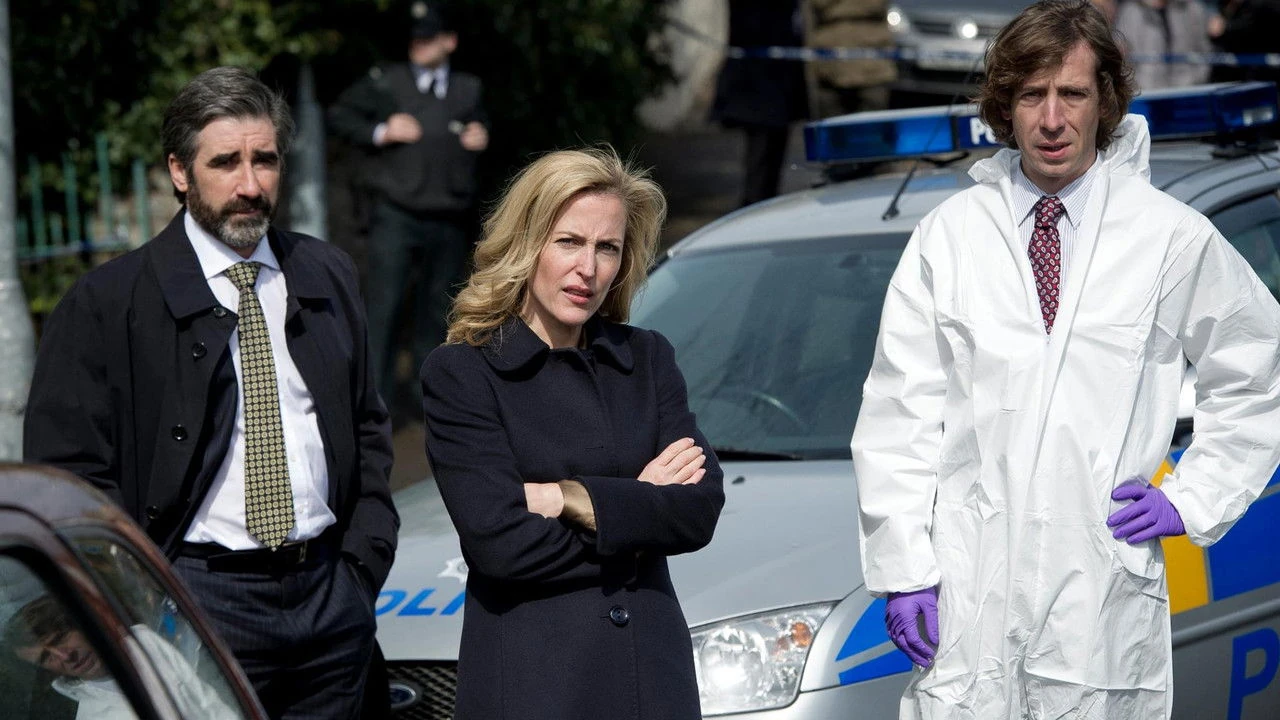 Gillian Anderson as Stella Gibson, a figure of strength and contemplation, challenging the patriarchal lens of the crime genre.
Beyond the Surface: The Abyss Within
The Fall doesn’t just present a crime; it dissects the very fabric of societal indifference and the psychological scars left by misogyny. Gibson’s relentless focus isn’t just on catching Spector, but on highlighting the systemic issues that allow such predators to thrive. She frequently challenges the casual sexism and victim-blaming prevalent in policing and society at large, making the series far more than a simple whodunit. It’s a searing indictment of a culture that too often fails to protect women.
The series delves into profound existential questions:
- The Nature of Evil: Is it inherent, or created? The Fall leans towards the former, presenting Spector as a chilling void.
- The Cost of Empathy: Gibson’s empathy for victims is profound, but the cost of confronting such darkness is immense, hinting at the psychological burden of justice.
- The Search for Meaning: In a world where such horrors exist, how do we find or create meaning? Gibson’s pursuit of justice, her unwavering moral compass, serves as her answer.
The controversial ending of the series, particularly Spector’s memory loss and the subsequent narrative turns, left many audiences and critics frustrated, feeling it undermined much of the preceding build-up. It was seen by some as an unsatisfying culmination to an otherwise taut and intelligent series, sidestepping true accountability for a more ambiguous, psychological aftermath. This artistic choice, however, can also be interpreted as a final, brutal statement on the elusiveness of true justice and the persistent, unresolvable nature of trauma and evil. It denies the audience the catharsis they might expect, leaving us instead with the lingering, unsettling questions the series posed from its very beginning.
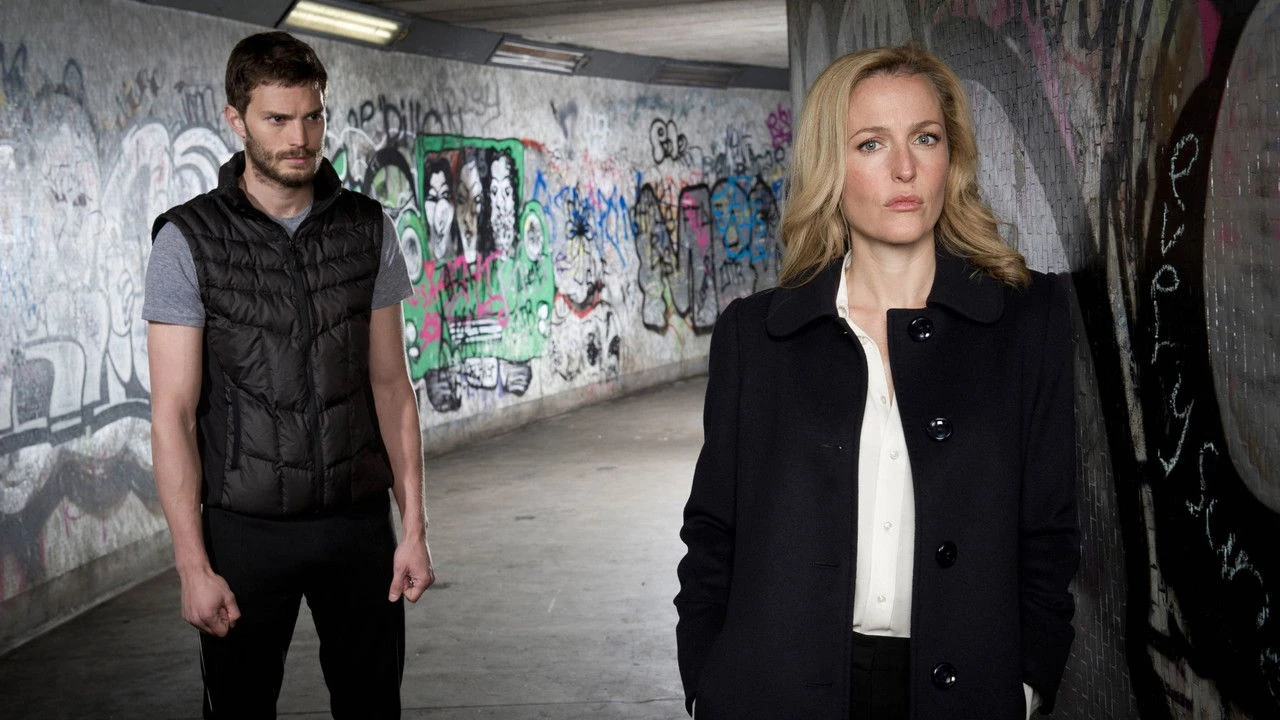 A stark image reflecting the psychological toll and complex emotions stirred by the series’ unflinching narrative.
The Fall leaves us not with closure, but with a haunting echo of the darkness we confront, both in others and, perhaps, in our own capacity for observation.
Despite its sometimes divisive narrative choices, the lingering questions about its controversial portrayal of Paul Spector, and the occasional criticism regarding its pacing, The Fall remains a powerful and important piece of television. It’s a show that forces uncomfortable conversations, challenging viewers to look beyond the sensationalism of crime and into the murky depths of human psychology and societal failures. It asks us to consider not just what happened, but why we’re so drawn to witness it, and what that says about us. What, ultimately, does it mean to gaze into the abyss, and what does the abyss gaze back into?
Where to Watch
- Amazon Prime Video
- Peacock Premium
- AMC Plus Apple TV Channel
- Britbox Apple TV Channel
- AMC+ Amazon Channel
What’s Up? explores the philosophical depths of cinema.